

By Emily Monaco
Enriched & Expanded Reporting
Main Facts: The Growing Backlash Against HB4 Wheat
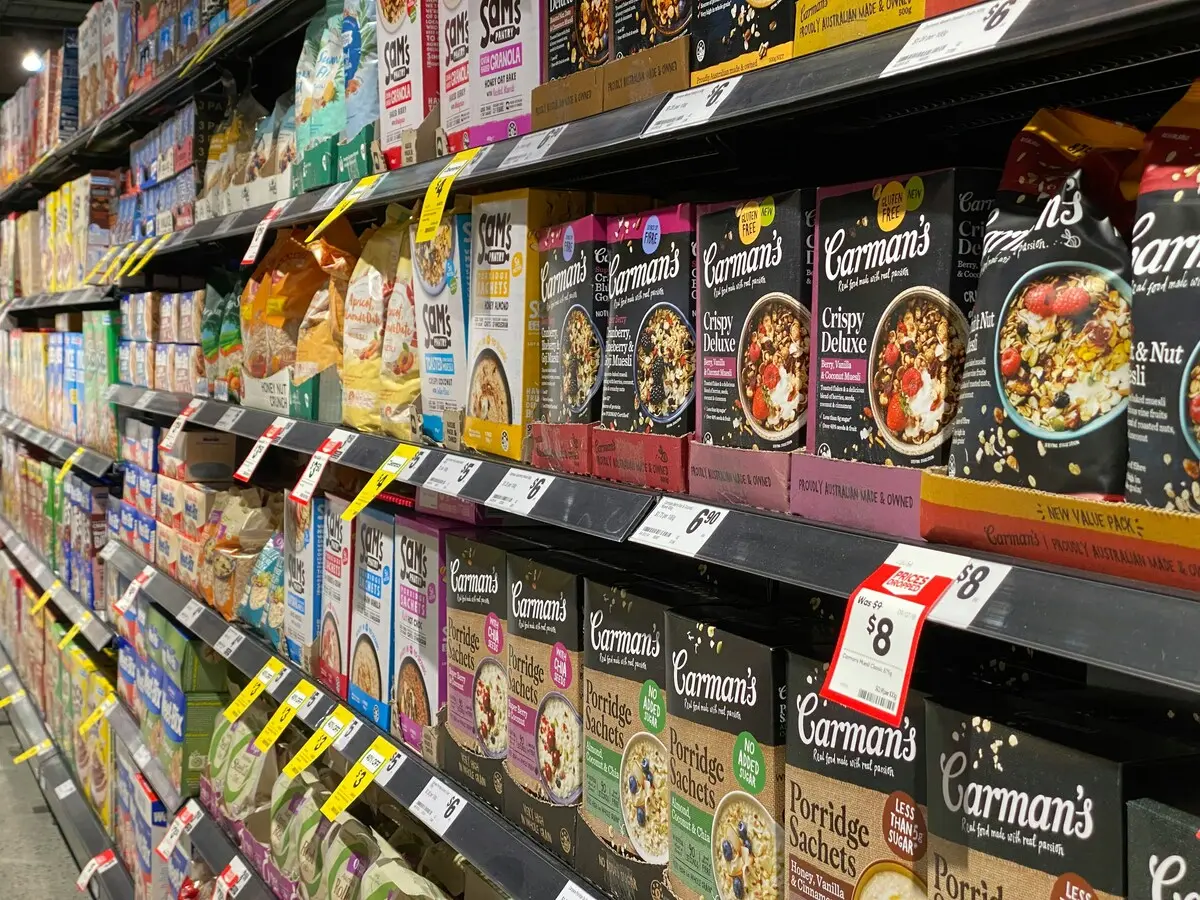
As grocery store shelves groan under the weight of hundreds of wheat-based products—from artisanal loaves and morning cereals to boxed pastas and children’s snacks—a quiet anxiety is brewing among health-conscious shoppers. More than 23,000 consumers have mobilized, signing a high-stakes petition urging major food giants, led by industry titan General Mills, to publicly forswear a controversial, genetically modified organism (GMO) wheat strain known as HB4.
At the center of this consumer uprising is a fundamental fear of chemical contamination. HB4 wheat has been genetically engineered in a laboratory to survive heavy applications of glufosinate ammonium, a potent and controversial broad-spectrum herbicide. While proponents of agricultural biotechnology champion the strain for its drought tolerance and enhanced yields, public health advocates and environmental scientists warn of a darker reality. Glufosinate ammonium has been linked in various studies to alarming biological repercussions, including potential behavioral abnormalities and reproductive concerns in humans, alongside significant toxicity risks for freshwater aquatic ecosystems.
Although HB4 has not yet been commercialized or widely cultivated for the American consumer market, its approval trajectory has sent shockwaves through the food industry. In the United States, regulatory bodies have already cleared the crop for food and feed use (2022) and subsequent domestic cultivation (2024). However, in stark contrast, the European Union has maintained a hardline stance against the strain, refusing authorization—largely due to Europe’s strict bans on glufosinate itself.
Now, activists and everyday consumers are drawing a line in the sand. They argue that welcoming HB4 into the commercial supply chain will inevitably lead to widespread glufosinate residue on everyday wheat products, turning breakfast tables into testing grounds for chemical exposure.

Chronology: From 2004 Lab to 2026 Consumer Revolt
To understand how the debate over HB4 wheat reached this boiling point, it is vital to trace its trajectory across two decades of scientific development, regulatory approvals, and growing public pushback.
- 2004: The Genesis of HB4
A team of researchers and biotechnology developers in Argentina successfully engineer a novel strain of wheat. The primary objectives are twofold: to create a crop capable of withstanding severe drought conditions and to engineer resistance to glufosinate ammonium. - 2019–2021: Global Regulatory Trials and Early Resistance
Developers begin seeking international approvals, successfully securing clearance for commercial cultivation in Argentina. However, international grain exporters and consumer watchdog groups voice immediate concerns over potential cross-contamination of non-GMO wheat markets. - 2022: U.S. Food and Feed Clearance
The United States Food and Drug Administration (FDA) and other regulatory bodies grant safety approvals allowing HB4 wheat to be used in food and feed products within the U.S., though widespread farming has not yet begun. - 2024: Cultivation Approval and Mounting Tensions
U.S. regulators clear the path for the domestic cultivation of HB4 wheat. Environmental organizations warn that this opens the door for widespread adoption by industrial farmers looking for climate-resilient crops, setting the stage for increased herbicide usage. - Early 2025: Investigative Reports and Policy Briefs
Environmental advocacy group Friends of the Earth releases a comprehensive briefing detailing how the introduction of HB4 wheat directly contradicts the sustainability commitments made by major food corporations. - Late 2025 – Early 2026: Regenerative Ag Commitments vs. GMO Reality
General Mills announces a major initiative to expand regenerative farming practices across tens of thousands of acres of Midwestern wheat. Just days later, activists point out the hypocrisy of such green-marketing campaigns while the specter of herbicide-tolerant GMO wheat looms large. - Present Day (2026): The 23,000-Strong Petition
Spearheaded by Friends of the Earth U.S., Beyond Pesticides, and allied organizations, a massive consumer petition launches, demanding that General Mills and other industry leaders publicly and permanently reject HB4 wheat from their supply chains.
Supporting Data: The Chemical Shadow Over the Bread Aisle
The consumer panic over HB4 wheat does not exist in a vacuum; it is rooted in decades of documented chemical contamination within the conventional food supply. For generations, wheat and other staple grains have served as major vectors for pesticide residue, largely due to pre-harvest application practices and the widespread adoption of genetic traits designed to survive chemical baths.
The Glyphosate Precedent
To understand the fear surrounding glufosinate, one must examine the legacy of glyphosate—the active ingredient in Monsanto’s (now Bayer’s) ubiquitous Roundup weedkiller. Introduced alongside "Roundup Ready" seeds, glyphosate fundamentally transformed modern agriculture by allowing farmers to spray entire fields with herbicide, killing weeds while leaving the crop unharmed.
However, independent testing has repeatedly revealed the long-term consequences of this farming model. In landmark investigations by the Environmental Working Group (EWG), researchers tested dozens of popular breakfast products—including cereals and oat-based snacks heavily marketed toward children—and discovered glyphosate traces in an alarming percentage of samples (such as 43 out of 45 tested products in notable prior sweeps). These findings galvanized public distrust of corporate food safety assurances.
Glufosinate: A More Toxic Successor?
While chemical manufacturers often market glufosinate ammonium as a necessary alternative to glyphosate, toxicologists and public health researchers caution that it is far from benign. Acute exposure to glufosinate carries severe neurotoxic and systemic health risks. Peer-reviewed scientific literature has increasingly flagged glufosinate for:

- Behavioral and Neurological Disruptions: Animal and laboratory studies suggest that glufosinate exposure can impair neurological pathways, leading to behavioral abnormalities.
- Reproductive Concerns: Emerging data points to potential endocrine-disrupting properties that may negatively impact reproductive health.
- Ecological Destruction: Beyond human health, glufosinate runoff poses grave risks to freshwater ecosystems, threatening aquatic life, micro-organisms, and biodiversity in agricultural watersheds.
If food manufacturers adopt HB4 wheat on a commercial scale, experts warn that consumers will see a repeat of the glyphosate crisis—this time with glufosinate infiltrating the bread, pasta, cookies, and cereals that form the backbone of the American diet.
Official Responses and Advocacy: Demanding Higher Standards
The organizations leading the charge against HB4 wheat argue that corporate responsibility must extend beyond empty sustainability pledges and marketing buzzwords.
Dana Perls, senior program manager at Friends of the Earth, encapsulated the sentiment of the thousands of signatories in a recent statement:
"The thousands of consumers who signed this petition aren’t just asking companies to reject GMO wheat—they’re asking brands to uphold higher standards for food safety, environmental stewardship, and transparency."
This sentiment strikes at the heart of how major brands interact with their consumer base. Companies like General Mills have spent decades cultivating household trust, positioning their brands around wholesome family values. Yet, consumer advocates argue that this trust is deeply fragile when juxtaposed with the quiet acceptance of chemical-dependent agricultural technologies.
Sarah Starman, senior campaigner at Friends of the Earth, echoed this accountability angle:
"General Mills has built its reputation on household brands that families trust. Publicly rejecting herbicide-tolerant GMO wheat would demonstrate that the company is responding to growing consumer concerns about chemical exposure in the food supply."
To date, major food corporations have largely maintained a cautious silence regarding specific ingredient bans, relying instead on broad commitments to "sustainable sourcing" and "climate-smart agriculture." However, the rapid accumulation of tens of thousands of petition signatures signals that modern shoppers are no longer satisfied with vague corporate assurances.
Implications: A Crossroads for Corporate Agriculture and Consumer Trust
The battle over HB4 wheat represents much more than a disagreement over a single grain variety; it is a profound ideological showdown over the future of the global food system.
1. The Contradiction of Regenerative Agriculture
The timing of the current consumer campaign highlights a glaring corporate contradiction. When food giants like General Mills tout multi-million-dollar investments in regenerative agriculture—such as transitioning thousands of acres of Midwestern wheat to soil-health-focused practices—they are actively courting eco-conscious consumers.

However, environmental reports demonstrate that introducing a crop engineered explicitly to withstand heavy chemical weedkillers directly undermines regenerative principles. Regenerative agriculture champions biodiversity, soil microbiome health, and the reduction of synthetic chemical inputs. Embracing a glufosinate-resistant wheat strain does the exact opposite, locking farmers into chemical dependency while threatening soil health and local watersheds.
2. The Global Regulatory Divide
The stark policy divergence between the United States and the European Union regarding HB4 wheat exposes significant vulnerabilities in international food safety standards. While European regulators have barred glufosinate-tolerant crops due to stringent health and environmental thresholds, U.S. agencies have cleared them for cultivation. This leaves American consumers on the front lines of an unregulated dietary experiment, forcing grassroots organizations and non-profits to act as the primary watchdogs for public health.
3. The Power of the Modern Consumer Wallet
Ultimately, this petition is a test of corporate responsiveness in an era of hyper-connected consumerism. Social media, rapid digital petition platforms, and independent scientific testing have stripped away the veil of corporate opacity. Brands can no longer quietly adopt controversial biotechnologies without facing immediate, organized backlash.
As the petition numbers continue to climb, the ball is firmly in the court of General Mills and other legacy food manufacturers. They face a clear fork in the road: continue down the path of chemical-reliant industrial agriculture, risking the alienation of their most loyal customers, or listen to the public and publicly commit to keeping GMO, glufosinate-tolerant wheat out of our daily bread.
