

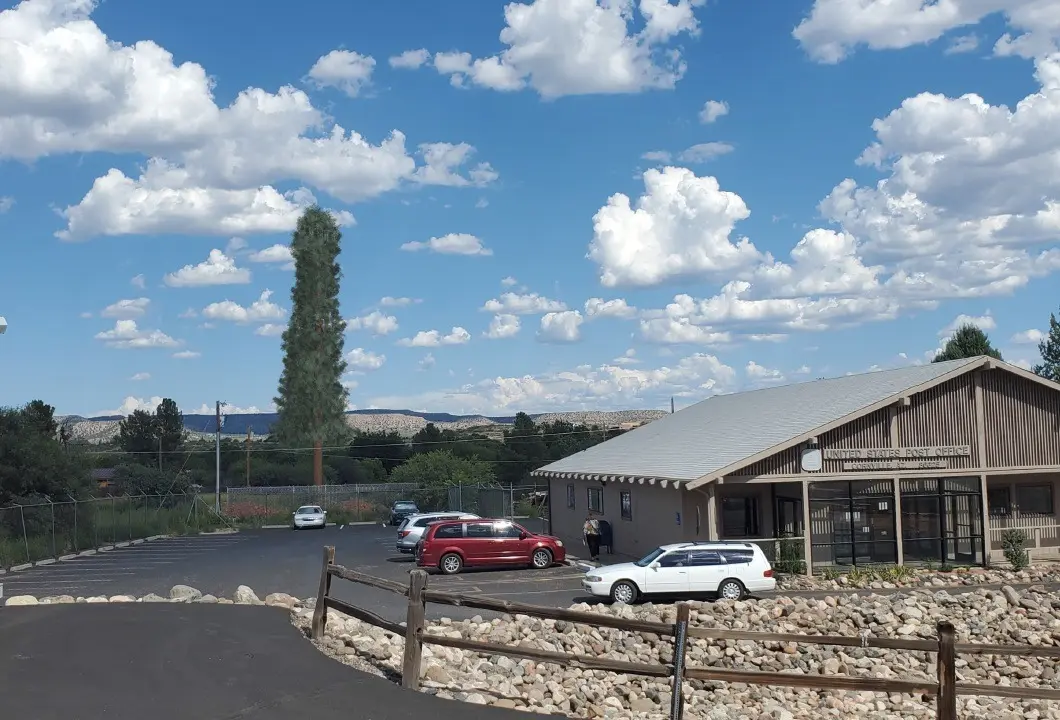
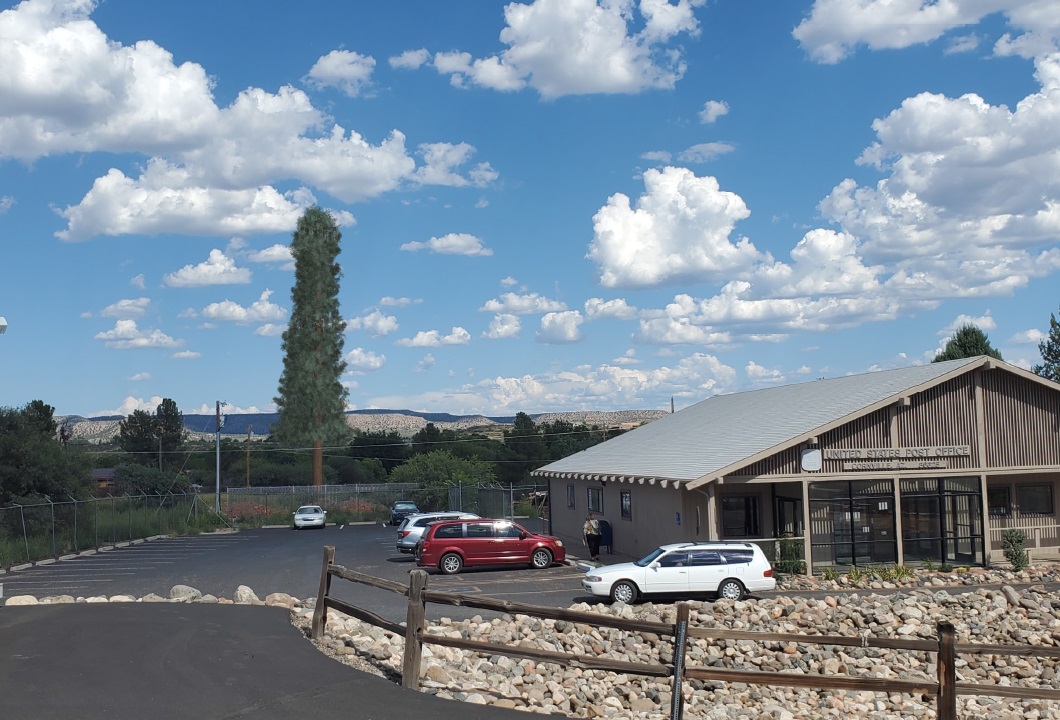
CORNVILLE, AZ — The Federal Communications Commission (FCC) has dismissed a series of environmental and procedural challenges against a proposed 100-foot wireless communications tower in Cornville, Arizona. The decision, issued by the FCC’s Wireless Telecommunications Bureau, effectively clears the final federal regulatory hurdles for the controversial project, allowing developers to proceed with construction at 9420 Cornville Road.
The ruling, finalized on August 21, 2026, represents a major setback for local opponents, including conservationists, residents, and tribal advocates who have spent years fighting the project. Opponents had argued that the tower would disrupt local wildlife, mar the scenic aesthetics of the Verde Valley, threaten historical tribal sites, and expose the community to unnecessary radiofrequency radiation. However, the FCC’s Competition and Infrastructure Policy Division determined that none of the objections raised warranted a comprehensive Environmental Assessment (EA), a federal review process that could have delayed or permanently halted the development.
Chronology of the Cornville Cell Tower Dispute
The battle over the Cornville cell tower has spanned several years, reflecting a broader national tension between the expansion of digital infrastructure and the preservation of rural communities.
- 2022: Initial Proposal Filed
The project was first proposed in 2022 by SQF LLC, with applications filed by Tilson Technology Management. The plans outlined a 100-foot "monoelm"—a stealth telecommunications tower designed to mimic an elm tree—located on a commercially zoned lot. The parcel already hosts a gas station and a strip mall shopping plaza. - 2023–2024: Local Zoning and Premature Grading
The project faced immediate pushback from local residents, but Yavapai County zoning officials ultimately approved the site plans, citing the commercial designation of the property. During the preparatory phases, Tilson Technology Management twice began grading and site work before obtaining final federal clearance. On both occasions, federal regulators ordered the company to halt work. Tilson complied, stopping operations until the regulatory disputes could be addressed. - 2025–2026: Tribal Consultation and Public Comment
The FCC initiated a Section 106 review under the National Historic Preservation Act to assess potential impacts on cultural resources. Between 2025 and 2026, federal regulators made three separate attempts to contact the Hopi Tribe to solicit formal feedback regarding ancestral lands in the Verde Valley. No response was received. - August 21, 2026: The FCC Order
The FCC’s Wireless Telecommunications Bureau issued its final decision, denying and dismissing all pending petitions for environmental review. - September 21, 2026: Petition for Reconsideration
Refusing to accept the federal ruling, local opponents organized under an ad hoc coalition called the "Stewards of Oak Creek." On September 21, 2026, the group filed a formal petition for reconsideration with the FCC, representing the latest—and potentially final—legal avenue to block the tower.
Project Specifications and Environmental Objections
The developer’s design relies on "stealth" infrastructure to minimize visual impact. Rather than a standard steel lattice or monopole structure, the proposed "monoelm" is designed to blend into the natural landscape by mimicking the shape and foliage of an elm tree.
+-----------------------------------------------------------------+
|                   PROJECT SPECIFICATIONS                        |
+-----------------------------------------------------------------+
| Proposed Structure:  100-foot "Monoelm" (Stealth Cell Tower)    |
| Project Location:    9420 Cornville Road, Cornville, AZ         |
| Zoning District:     Commercial (Existing Gas Station/Plaza)    |
| Lead Applicant:      SQF LLC                                    |
| Project Contractor:  Tilson Technology Management               |
+-----------------------------------------------------------------+
Despite the stealth design, local advocates raised a wide array of concerns, claiming the project would disrupt the unique rural character and ecological balance of the area:
Wildlife and Avian Concerns
Billy Harvey, founder of the nearby Runnin’ W Wildlife Center, expressed concern over the tower’s impact on migratory birds and local wildlife. Opponents argued that the 100-foot structure, situated near the Oak Creek riparian corridor, could present a collision hazard for migratory avian species and disrupt local bat populations.
Historical and Cultural Preservation
The Verde Valley has a rich archaeological history. While the Hopi Tribe does not currently reside in the immediate area, they—along with several other Native American tribes—claim deep ancestral ties to the Sinagua culture. The Sinagua inhabited the Verde Valley for centuries before migrating from the region around 1450 CE. Opponents argued that the construction could disturb undiscovered archaeological resources or degrade the cultural landscape.
Public Health and Safety
Led by Gillian Goslinga, Ph.D., a resident and vocal critic of the project, opponents raised concerns regarding long-term exposure to radiofrequency (RF) radiation. Additionally, residents brought forward arguments concerning physical safety, including potential fire risks associated with electrical equipment, tower "fall zones" in the event of structural failure, and the potential devaluation of surrounding residential properties.
Official Responses: Why the FCC Rejected the Challenges
In its August 21 ruling, the FCC addressed and systematically rejected each of the arguments presented by the petitioners, clarifying the limits of federal environmental reviews under the National Environmental Policy Act (NEPA).
1. Avian and Wildlife Impacts
The FCC ruled that the petitioners failed to provide scientific evidence showing that the 100-foot stealth tower would pose a significant threat to migratory birds or federally protected endangered species. Because the tower is under 200 feet, does not require guy wires, and will not utilize high-intensity lighting, it falls below the threshold typically associated with high-risk avian collisions.
2. Tribal Consultation and Cultural Resources
Addressing the concerns regarding indigenous heritage, the FCC documented that it had fulfilled its regulatory obligations by reaching out to the Hopi Tribe three times between 2025 and 2026. Because the tribe did not respond or request further consultation within the designated regulatory windows, the FCC concluded that the project had cleared its Section 106 obligations under the National Historic Preservation Act.
3. Aesthetics and Local Land Use
The FCC emphasized that visual objections alone do not trigger a mandatory federal Environmental Assessment. The agency noted that Yavapai County’s local zoning authorities had already evaluated the tower’s appearance and compatibility with the surrounding commercial plaza, granting local approval. Under federal law, the FCC defers to local government entities on matters of land use, zoning, and neighborhood aesthetics.
4. Matters Outside Federal Environmental Scope
The federal agency dismissed claims regarding declining property values, local fire hazards, structural fall zones, and the adequacy of existing wireless coverage. The FCC clarified that these issues fall outside the statutory scope of NEPA and federal environmental law. Instead, such concerns are governed exclusively by municipal and county zoning ordinances.
5. Allegations of Bad Faith
Regarding claims that Tilson Technology Management acted in bad faith by twice starting site grading prematurely, the FCC found no grounds for punitive action. While the agency acknowledged the stop-work orders, it noted that Tilson immediately complied with the directives and halted operations. The FCC ruled that these past infractions did not invalidate the current application or prove a pattern of bad faith.
Implications for the Verde Valley and Rural Wireless Deployment
The FCC’s ruling carries significant implications for both the local community of Cornville and the broader regulatory landscape of wireless infrastructure deployment in rural America.
                    +-----------------------------+
                    |    Yavapai County Zoning    |
                    |    Approved site zoning     |
                    +--------------+--------------+
                                   |
                                   v
                    +-----------------------------+
                    |         FCC Ruling          |
                    |   Denied NEPA/EA demands    |
                    +--------------+--------------+
                                   |
                                   v
                    +-----------------------------+
                    |    Developer Next Steps     |
                    |   Proceed to construction   |
                    +--------------+--------------+
                                   |
                      +------------+------------+
                      |                         |
                      v                         v
        +---------------------------+     +---------------------------+
        |     Local Connection      |     |     Legal Challenges      |
        | Improved 4G/5G coverage   |     | "Stewards of Oak Creek"   |
        | for Cornville commercial  |     | pending petition for      |
        | and residential sectors.  |     | reconsideration.          |
        +---------------------------+     +---------------------------+
The Balance of Federal Preemption and Local Control
This case highlights the power of federal preemption under the Telecommunications Act of 1996. The Act limits the ability of local governments and citizens to block cellular infrastructure based on the environmental effects of radiofrequency emissions, provided the provider complies with the FCC’s exposure limits. By keeping public health and property value arguments outside the scope of federal environmental reviews, the FCC maintains a streamlined pathway for telecom developers to expand coverage in rural areas.
Next Steps for the "Stewards of Oak Creek"
Despite the federal clearance, the legal battle may not be entirely over. The petition for reconsideration filed on September 21 by the "Stewards of Oak Creek" represents the community’s final administrative effort to halt the development. The ad hoc group comprises a diverse coalition of local stakeholders, including:
- Gillian Goslinga, Ph.D.
- Billy Harvey (Runnin’ W Wildlife Center)
- Lila Wright
- Bonnie Hubbell
- Sharon Fried
- Tracey Campbell
- Corey Colvin
- Jennifer Richards
- A local Cornville-based essential oils business
The petition asks the FCC to review its August decision, pointing to the cumulative environmental impacts on the Oak Creek watershed and alleging that local concerns were not fully weighed. However, legal experts note that petitions for reconsideration face a high burden of proof, requiring petitioners to present new, previously unavailable evidence or demonstrate a clear error of law to overturn an established FCC order.
Unless the FCC grants the petition or a federal court issues an emergency stay, SQF LLC and Tilson Technology Management are legally authorized to begin construction on the 100-foot monoelm. Once completed, the tower is expected to significantly improve 4G and 5G wireless connectivity along the Cornville Road corridor, bridging coverage gaps in this portion of Yavapai County.
