

Main Facts
In an era defined by hectic schedules, digital fatigue, and the perpetual hustle of modern life, wellness seekers are increasingly looking for ways to access restorative care without adding the friction of travel. Responding directly to an overwhelming demand from her global online community, renowned YouTube yoga instructor Kassandra Reinhardt—widely known as Yoga With Kassandra—has released a comprehensive, one-hour yin yoga sequence designed specifically to be practiced at home.
Unlike typical practices that rely heavily on studio infrastructure, this specialized sequence features a defining characteristic: no props required. Traditional yin yoga is frequently prop-intensive, utilizing a curated arsenal of blocks, blankets, bolsters, and yoga straps to help practitioners find comfort in deep stretches. However, recognizing that many home practitioners lack these specialized studio items, Reinhardt structured this sequence to deliver an authentic, studio-grade experience using only a yoga mat and the practitioner’s own body weight.
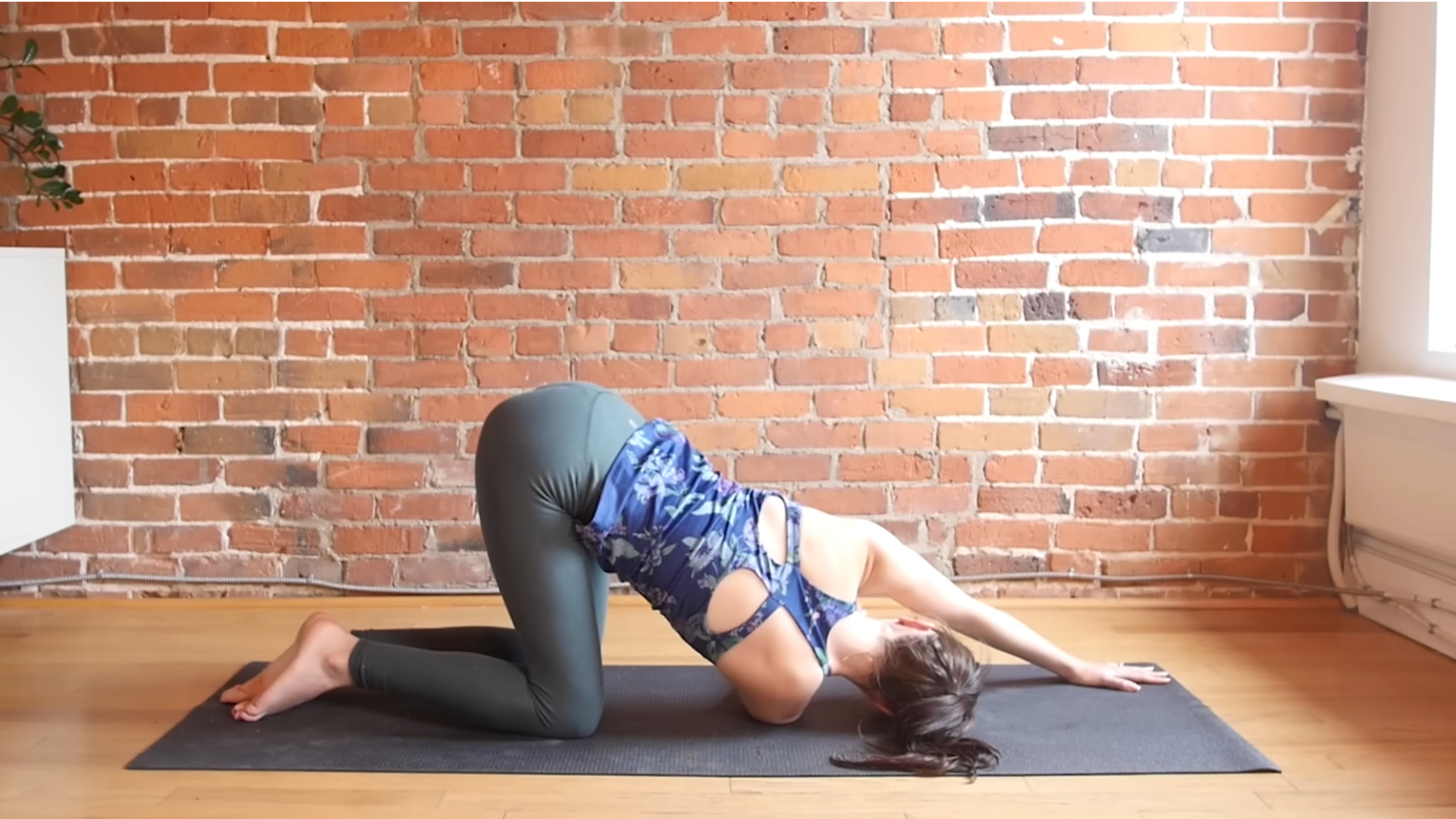
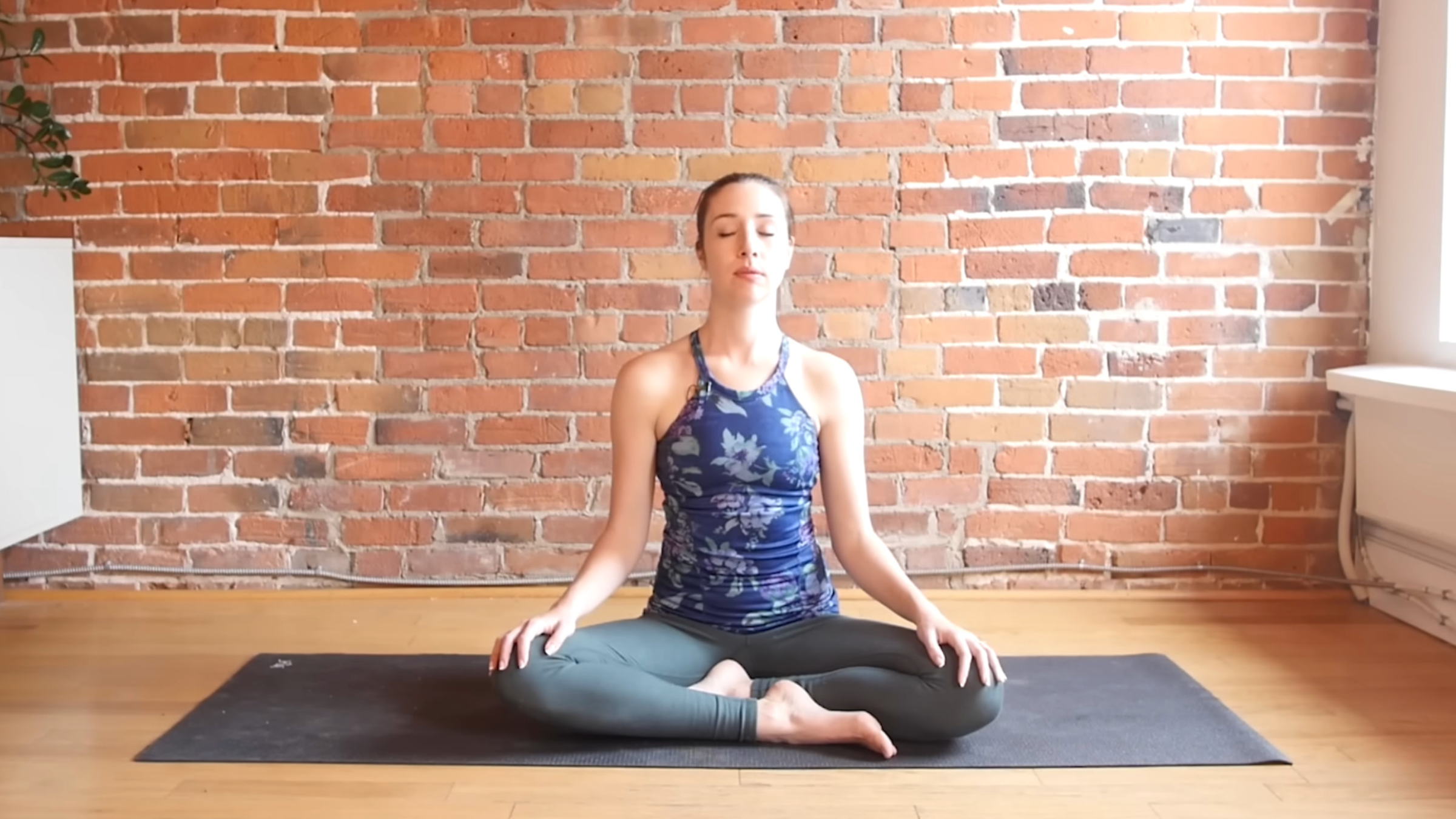
Spanning a full 60 minutes, the class targets the entire body—focusing heavily on high-tension areas such as the hips, hamstrings, shoulders, and spine. Each posture is held for an extended duration of approximately three minutes per side, culminating in a full-length, deeply restorative Savasana (Corpse Pose). By adhering to the foundational tenets of yin yoga—finding the edge, holding the pose for time, and resolving to remain entirely still—practitioners can safely apply healthy, low-grade stress to the body’s connective tissues and joints rather than its muscles.
Chronology: The Evolution of Accessible At-Home Wellness
The release of this one-hour, prop-free sequence marks a significant milestone in the decade-long digital career of Yoga With Kassandra, reflecting a broader evolution in how wellness content is consumed and delivered:
- The Decade-Long Foundation (2014–2024): Over the past ten years, Reinhardt has built a massive digital following by producing thousands of instructional classes ranging from rapid 10-minute flows to deep restorative practices. Throughout this period, short-form yoga content (10 to 20 minutes) dominated search trends as practitioners grappled with time poverty.
- The Shift Toward Long-Form Home Practice (2025–2026): As remote work solidified its place in global culture, home practitioners began expressing a desire for more immersive experiences. While short sessions are ideal for symptom management during busy workdays, students increasingly sought the psychological depth and physical release of a full, uninterrupted one-hour studio class—without the commute, parking hassles, or financial costs of a commercial studio membership.
- Addressing the "Prop Barrier" (Late 2026): Community feedback highlighted a persistent hurdle for beginners and intermediate students alike: the intimidation or literal absence of studio-grade props. Many individuals attempting advanced home practices felt discouraged if they lacked bolsters or blocks. In response, Reinhardt engineered a sequence that bypasses the need for equipment entirely, democratizing access to deep yin yoga.
- The Launch: Published in October 2026, the comprehensive video and companion sequence dropped globally, instantly filling a gap in the digital fitness market for accessible, deep-tissue restorative movement.
Supporting Data: Understanding the Mechanics of Yin Yoga
To truly appreciate the value of a prop-free, one-hour yin sequence, it is essential to examine the physiological and structural mechanics that separate yin yoga from active, dynamic styles like Vinyasa or Power Yoga.
The Three Pillars of Yin Yoga
Yin yoga is built upon a strict philosophical and mechanical framework designed to target deep connective tissues rather than superficial skeletal muscles:
- Finding Your Edge: Practitioners approach a pose to the point of initial resistance—the "edge"—without forcing, pulling, or chasing intense physical discomfort.
- Holding for Time: Poses are maintained statically for extended periods (typically three to five minutes), allowing the nervous system time to signal the deep tissues to release.
- Resolving to Be Still: By eliminating fidgeting and micro-movements, the body directs stress away from dynamic muscle groups and toward the fascia, ligaments, tendons, and joint capsules.
Physiological Target Areas
The 60-minute sequence is strategically mapped to relieve tension in areas most affected by sedentary lifestyles, prolonged sitting, and digital device use:
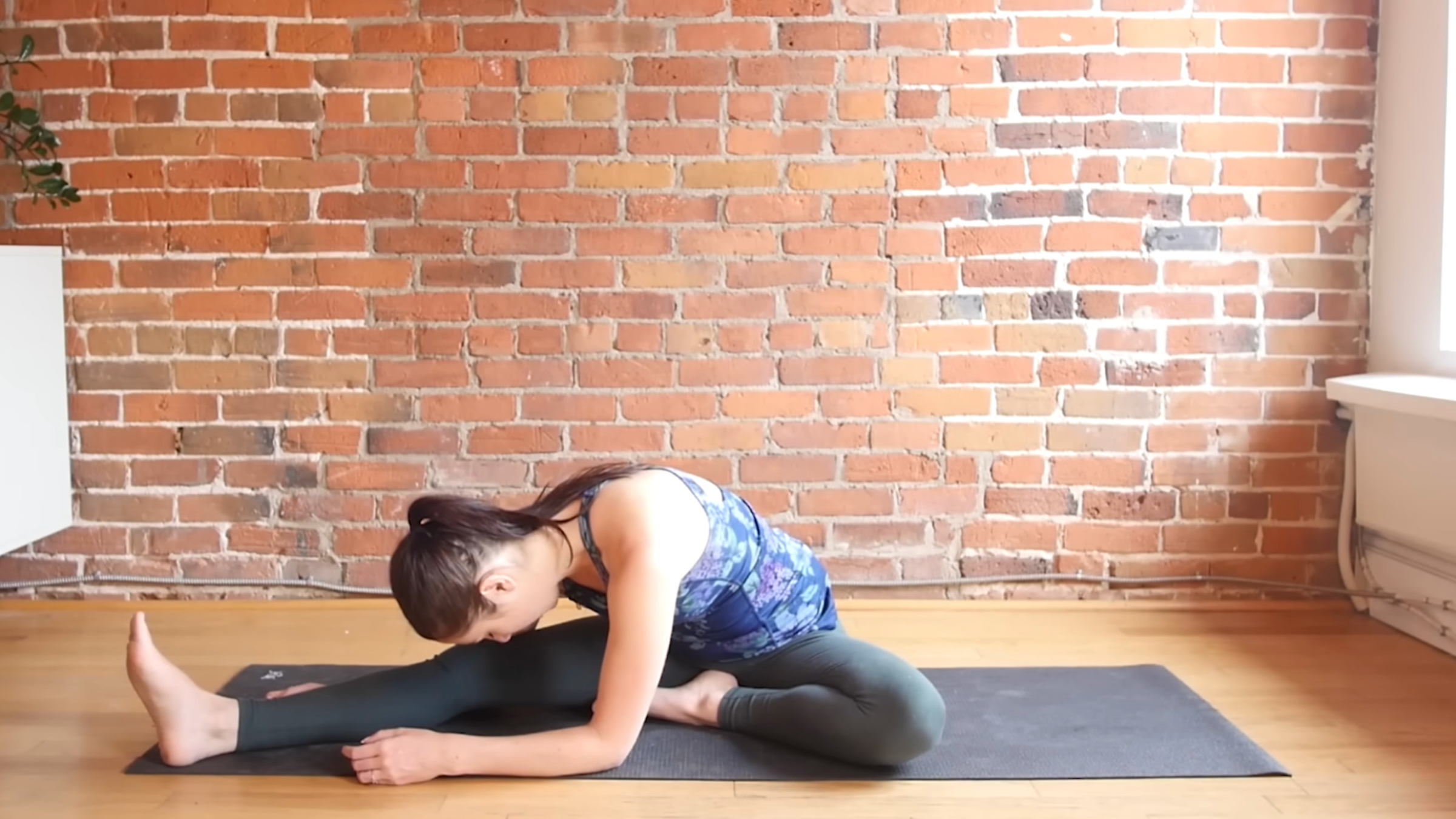
- Hips and Lower Back: Addressed through postures like Half Butterfly, Reclined Pigeon, Reclined Shoelace, and Happy Baby. These movements unlock tight hip flexors and alleviate compression in the lumbar spine.
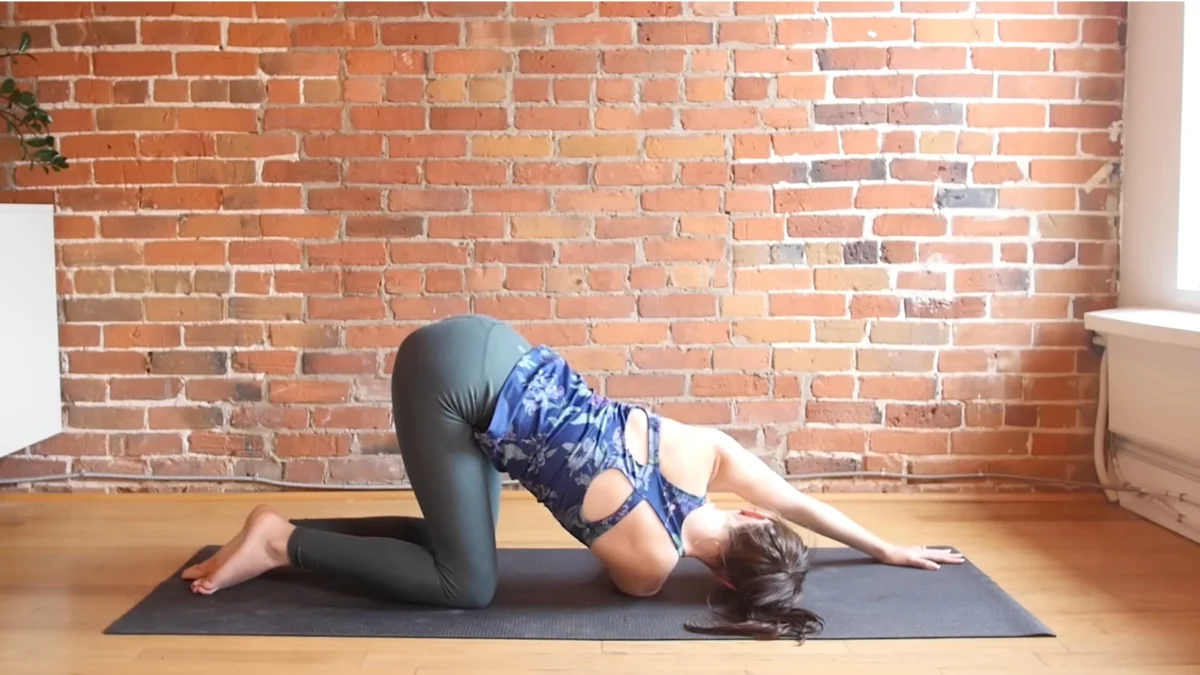
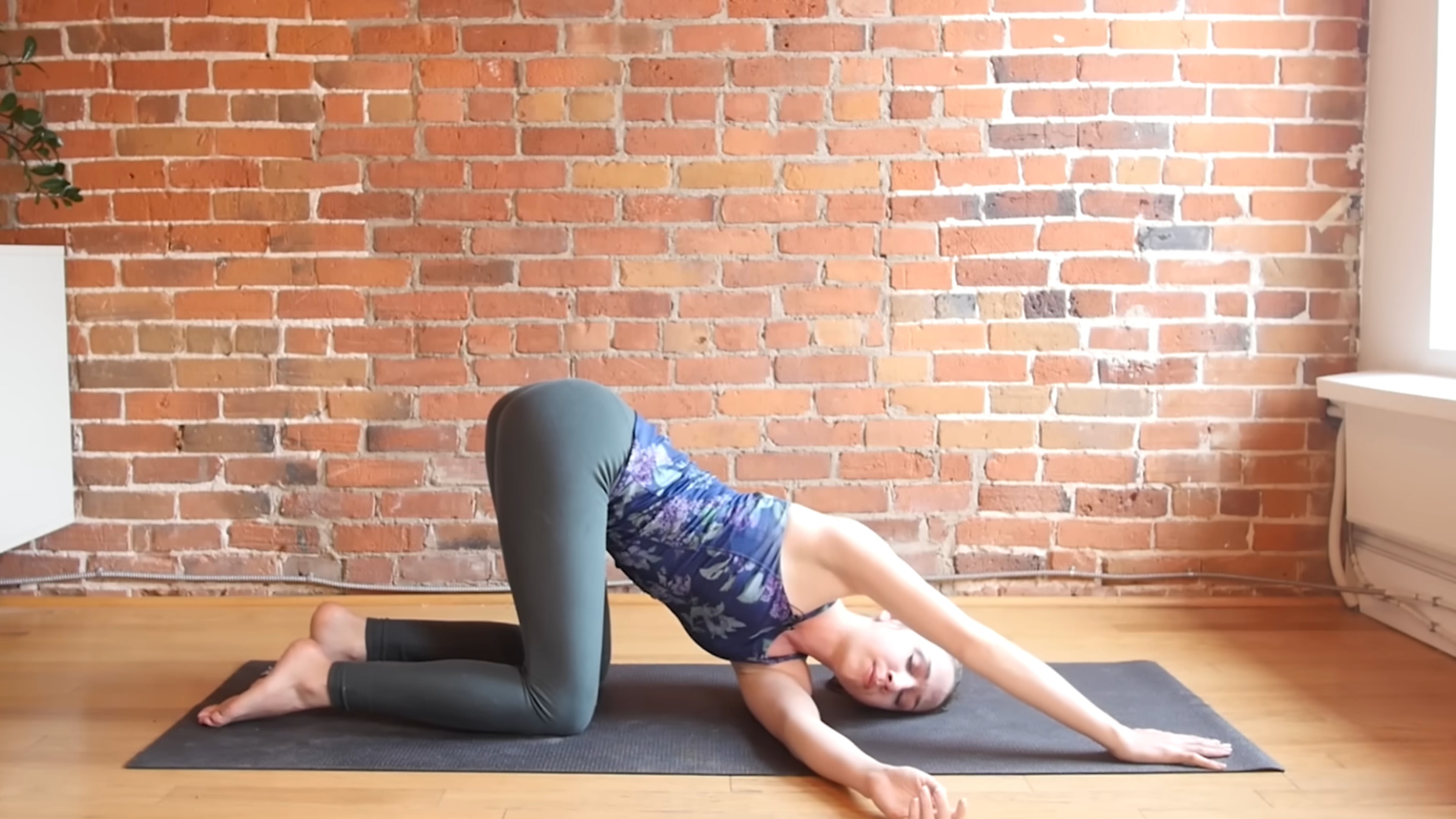
- Upper Back and Shoulders: Addressed through Thread the Needle and Lying Chest Openers, which counteract the forward-hunched posture common among desk workers and smartphone users.
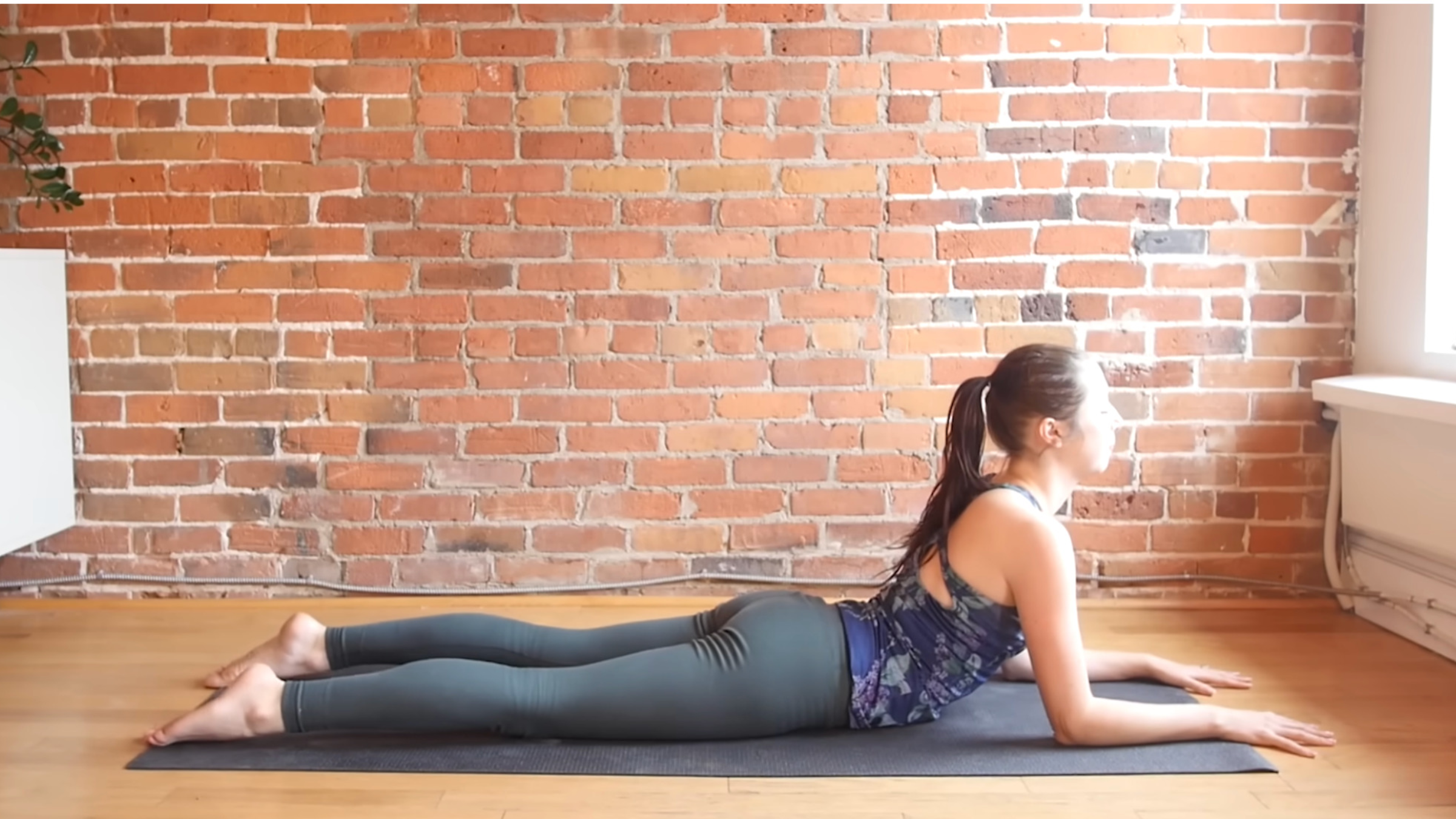
- Spine: Addressed through gentle spinal compression and extension via Sphinx Pose, promoting intervertebral hydration and flexibility.
Official Responses and Expert Insights
While commercial yoga studios have traditionally emphasized the necessity of props for safe alignment, movement educators are increasingly validating prop-free variations when taught with proper anatomical awareness.
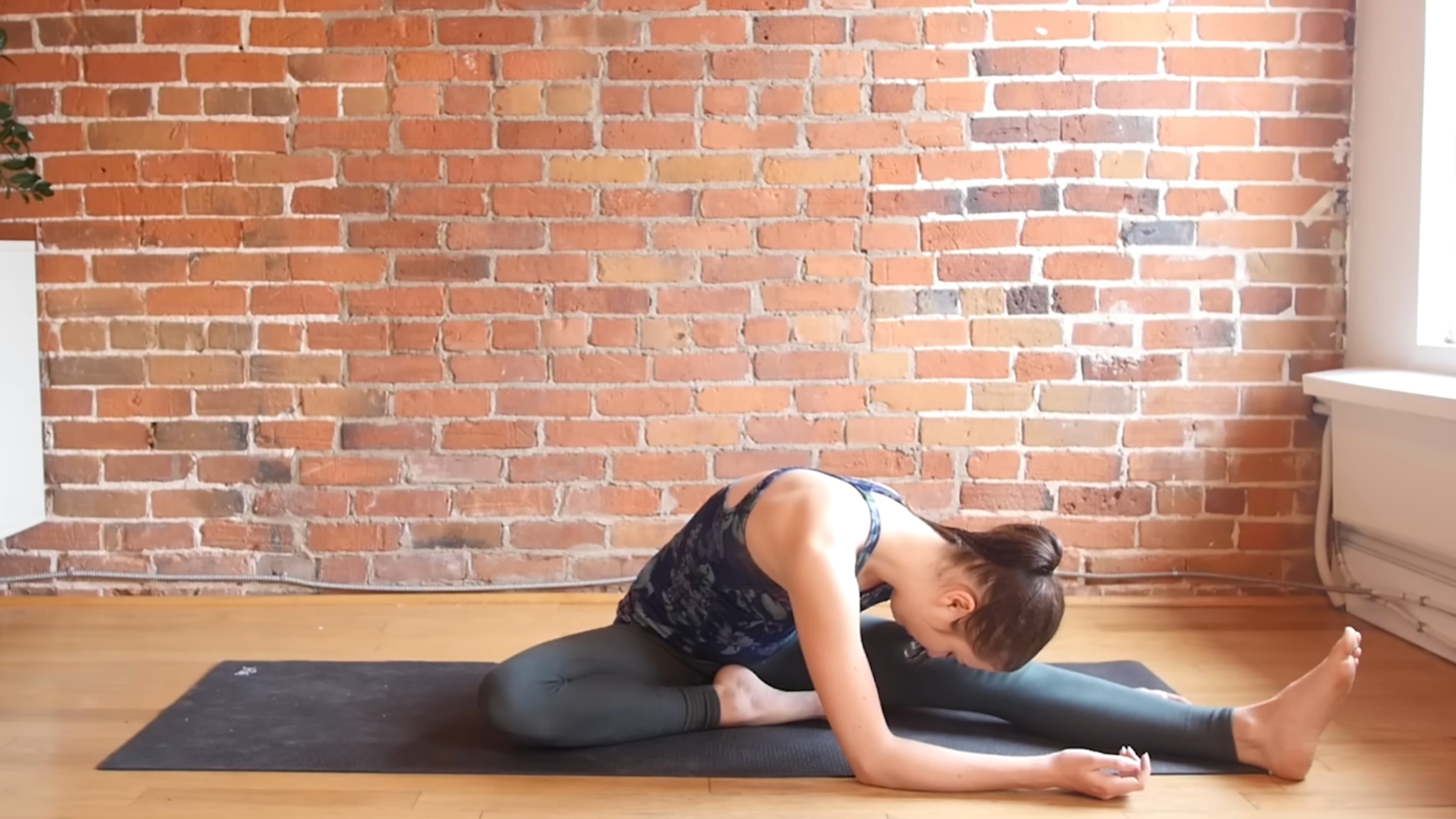
In her instructional design, Yoga With Kassandra emphasizes mindfulness and internal body scanning over external props. Rather than using a block to bridge the gap between the floor and the body, practitioners are instructed to let gravity naturally assist their range of motion, using passive resistance and mindful breathing to soften muscular tension.
"The intention behind this class came directly from students asking for a deep practice they could do anywhere, at any time, without needing to unpack a mountain of equipment," Reinhardt notes in the lesson guidance. By emphasizing a continuous, head-to-toe body scan during every single posture, the instructor trains students to mentally audit their bodies for hidden tension—ensuring that even without a bolster, the nervous system remains in a parasympathetic, restorative state.
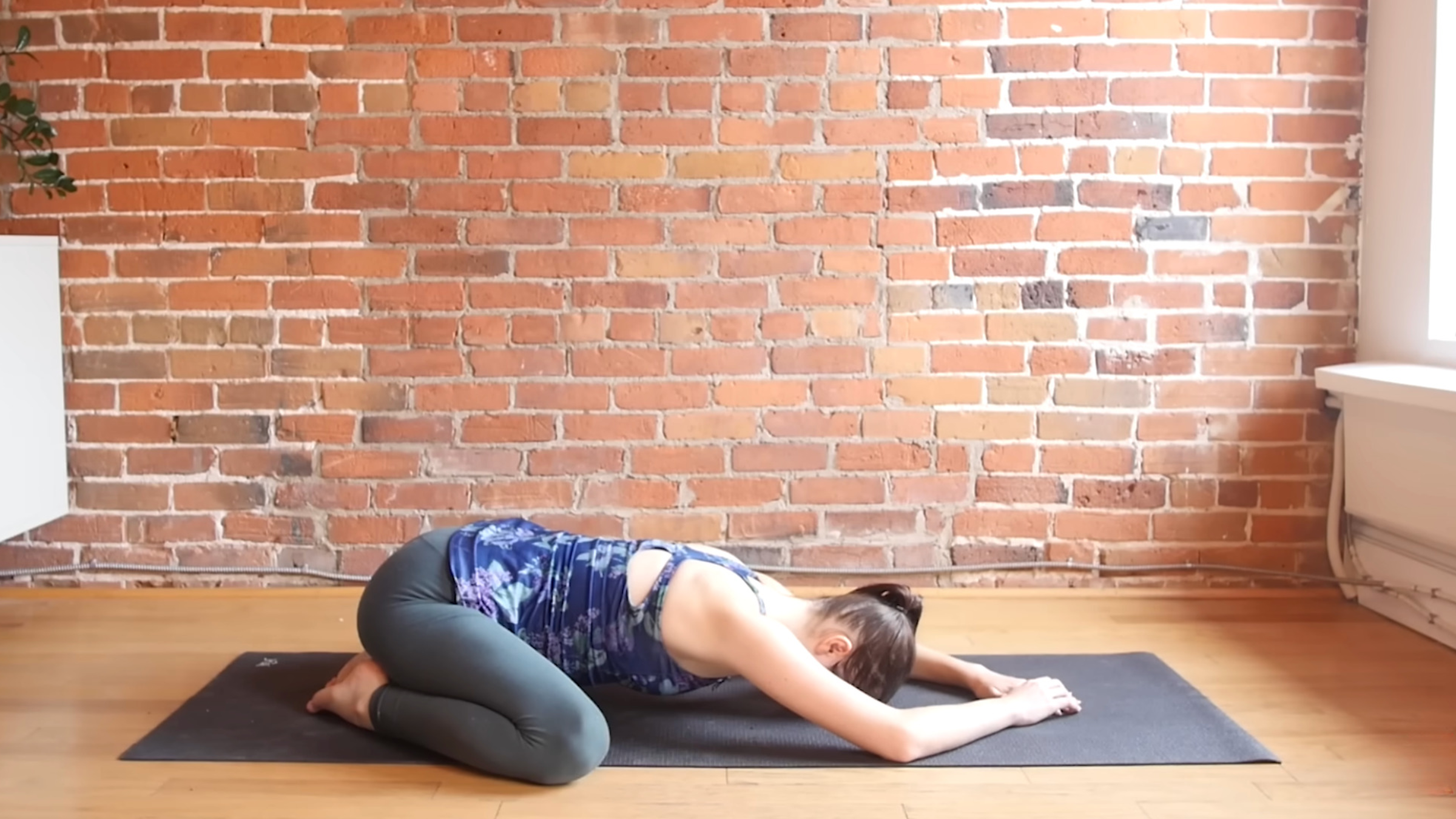
Health and wellness commentators have praised this democratization of the practice. Without the financial barrier of purchasing specialized yoga blocks, straps, and bolsters—which can easily run upwards of $100 for a complete studio-grade set—newcomers can safely explore deep-tissue flexibility with nothing more than a flat floor and comfortable clothing.
Implications: The Future of Digital Fitness and Mindful Living
The proliferation of advanced, prop-free long-form yoga sequences carries profound implications for the wellness industry, individual mental health, and the future of fitness consumption.
1. The De-Commercialization of Wellness
For decades, the fitness industry has perpetuated the idea that optimal health requires specialized gear, premium memberships, and boutique environments. By proving that a profoundly effective, anatomically targeted one-hour yin yoga class can be executed entirely without props, creators like Yoga With Kassandra are shifting the power back to the practitioner. This trend encourages a minimalist approach to self-care, proving that internal awareness and intentional breathing supersede external commodities.
2. Combating Modern Sedentary Burnout
As remote work and screen-based professions continue to dominate the global workforce, chronic physical ailments—such as tight hip flexors, rounded shoulders, lower back pain, and hyper-activated nervous systems—are at an all-time high. A structured, one-hour evening yin practice acts as an accessible antidote. By holding shapes for three minutes at a time, practitioners condition their nervous systems to tolerate discomfort, stillness, and silence—skills that translate directly into stress resilience off the mat.
3. The Shift Toward "In-Sourcing" Self-Care
The elimination of the commute is more than a logistical convenience; it is a psychological asset. When a practitioner finishes a studio-quality yin class at home, they do not immediately disrupt their parasympathetic nervous system by stepping into traffic or navigating public transit. Instead, they can transition directly from Savasana into sleep, family time, or quiet reflection. This seamless integration of movement and daily life makes sustained mental health practices far more achievable for working parents, caregivers, and individuals with demanding schedules.
Ultimately, the availability of comprehensive, prop-free digital sequences ensures that the restorative magic of yin yoga remains universally accessible—proving that true flexibility and peace of mind begin not with the equipment we buy, but with the stillness we cultivate within.
