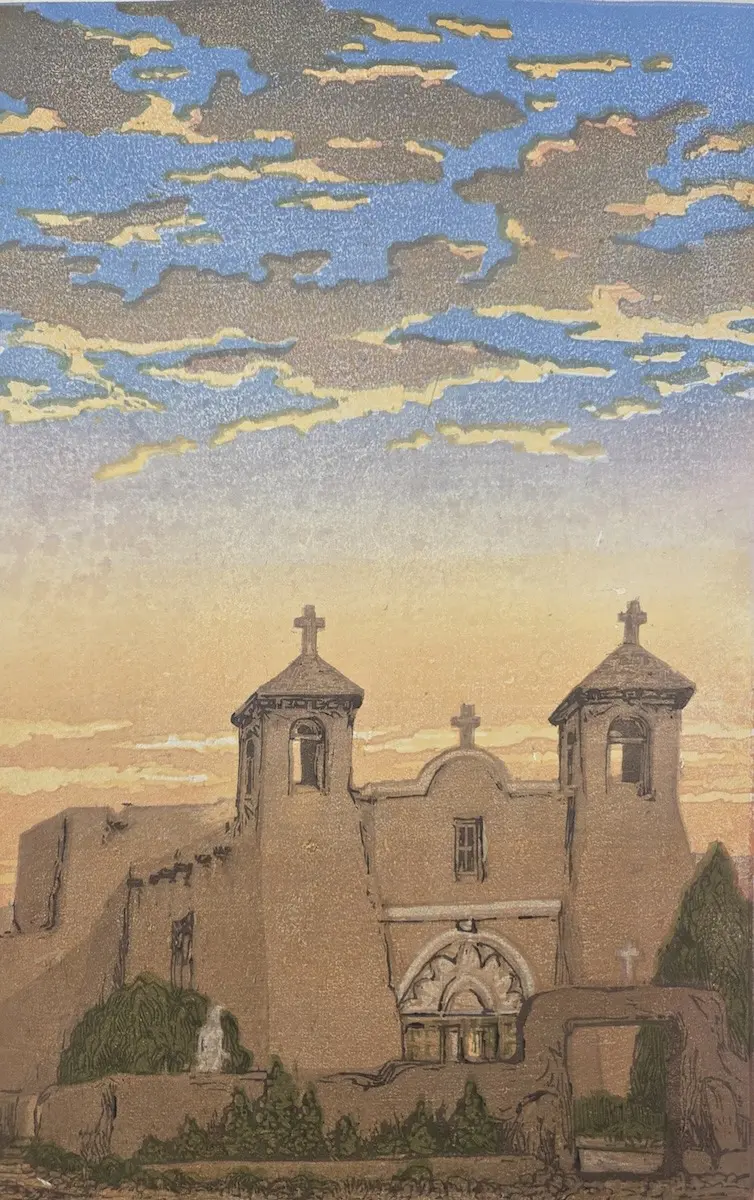
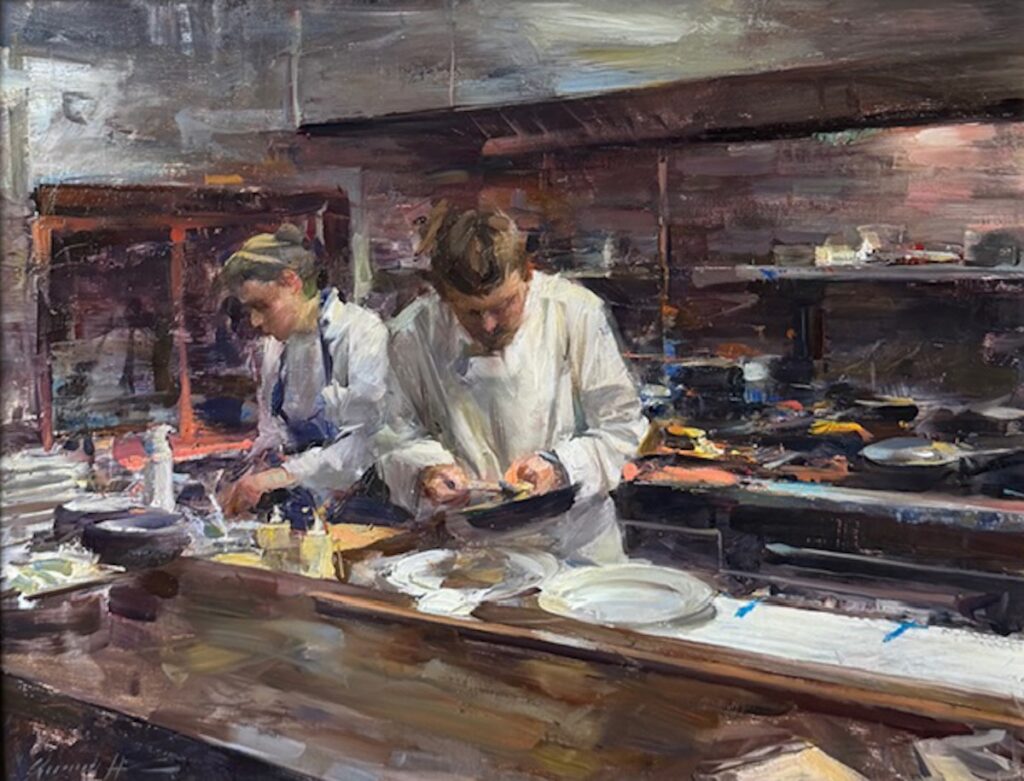
OKLAHOMA CITY, OK — The artistic heartbeat of the American West is once again preparing for its most anticipated showcase of scaled-down brilliance. The National Cowboy & Western Heritage Museum in Oklahoma City has officially announced the dates for its landmark 26th annual Small Works, Great Wonders exhibition and sale. Running from November 7 through November 29, the celebrated event bridges the gap between legendary masters and fresh, contemporary voices, offering seasoned connoisseurs and novice collectors alike a rare opportunity to acquire museum-quality art on an intimate scale.
With more than 130 of the nation’s and international community’s finest creators converging on Oklahoma City, the exhibition promises a breathtaking array of styles, mediums, and perspectives. As art lovers prepare for the signature sale on November 13—and the weeks of gallery viewing that follow—Small Works, Great Wonders remains a cornerstone of the Western art calendar, proving that profound artistic vision requires no monumental canvas to leave an indelible impression.
Main Facts: What, Where, and When
The Small Works, Great Wonders exhibition is structured to cater to both immediate buyers and leisurely gallery visitors.
Event Dates: November 7 – November 29
Signature Sale Date: November 13
Location: National Cowboy & Western Heritage Museum, Oklahoma City, OK
Scope: Over 130 participating artists representing 24 U.S. states, as well as international contributors from France, Ontario, and British Columbia.
Participation: Artists are invited to submit up to two pieces of artwork. Last year’s iteration featured a robust catalog of 254 works on display.
Exhibition Guidelines: To maintain the intimate nature of the show, strict size limitations are enforced. Two-dimensional works must not exceed 320 square inches unframed, while three-dimensional pieces are capped at dimensions of 20 by 20 by 20 inches.
The roster of participating talent reads like a veritable who’s who of contemporary Western art. Among the established names exhibiting this year are William Acheff, Greg Beecham, Eric Bowman, Naomi Brown, Shawn Cameron, Kim Casebeer, Mikel Donahue, Martin Grelle, Walt Gonske, Hannah Harper, Tony Hochstetler, David Jonason, Alice Leese, Melinda Littlejohn, Lena Noble, Dustin Payne, Laura Robb, Richie Vios, and Don Weller. Furthermore, the 2026 showcase welcomes 17 first-time participants, infusing the storied galleries with fresh energy and novel interpretations of Western motifs.
Chronology of the Event
The timeline for Small Works, Great Wonders is designed to build momentum from early gallery previews to the frantic excitement of opening night, culminating in a month-long opportunity for public appreciation and acquisition.
Early November (Nov. 7): The exhibition doors officially open to the public, allowing visitors their first glimpse at the meticulously curated collection. Crates and boxes from around the globe are unpacked, revealing a diverse tapestry of oil paintings, sculptures, and drawings.
Mid-November (Nov. 13): The signature sale takes place. This high-stakes, fast-paced evening serves as the focal point of the event, where collectors vie for their preferred pieces in a cash-and-carry format.
Late November (Nov. 14–29): Unsold works remain on public view and are continuously available for purchase. This period allows casual museum-goers and late-arriving collectors to secure remaining pieces before the exhibition closes its doors for the year.
Post-Exhibition & Future Horizons: Looking ahead, the event serves as a crucial bellwether for major Western art milestones. Notably, exhibiting artists Rachel Brownlee and Tyler Crow have recently been invited to participate in the museum’s prestigious Prix de West invitational in 2027, bringing the total number of Prix de West artists featured in this year’s Small Works lineup to 16.
Supporting Data: Mediums, Diversity, and Demographics
The breadth of talent and the physical variety of the artwork are central to the enduring appeal of Small Works, Great Wonders. The exhibition refuses to be pigeonholed into a single school or medium, offering a democratic platform for an extensive range of artistic expressions.
Artistic Mediums and Dimensions
The exhibition floor is a dynamic mix of textures and techniques. Visitors will encounter:
Oil and Acrylic Paintings: Ranging from dramatic landscape vistas to intimate interior scenes and character studies.
Works on Paper: Detailed pen, ink, and graphite drawings that highlight the meticulous draftsmanship of the participating creators.
Sculpture: Three-dimensional bronze and glass pieces that capture the fluid motion of wildlife, the rugged contours of the Western landscape, and the human form.
The strict size constraints—320 square inches for 2D works and a 20-inch cube for 3D works—create an egalitarian playing field. They force artists to distill their grandest narratives into concentrated, highly focused statements.
Global and National Representation
Art knows no geographic boundaries, a sentiment proven by the 2026 artist roster. While the vast majority of creators hail from traditional Western hubs across 24 U.S. states, the exhibition’s reach extends internationally. Creators from France, Ontario, and British Columbia contribute distinct European and Canadian perspectives to the American narrative, broadening the cultural dialogue surrounding what constitutes "Western art."
Official Responses: Insights from Museum Leadership
Behind the logistics and the prestige of the exhibition lie the passionate staff members who curate, manage, and nurture the event year after year. Their perspectives shed light on why Small Works, Great Wonders remains a beloved fixture in the art world.
Susan Patterson, the museum’s curator of special exhibits, speaks to the visceral joy of assembling the collection.
“The most exciting part of each year is seeing what artwork the artists bring,” Patterson remarks. “We get to see the digital images, but it’s opening the crates and boxes that is the most exciting part of the show. With so many new artists joining this year, it will be wonderful to see what they contribute to the exhibit. We strive to have both new and established artists, giving the collector an opportunity to purchase across a large variety of styles, subject matter and price points.”
That emphasis on accessibility and variety is echoed by Marla Cook, the museum’s manager of sale shows, who highlights the unique commercial structure of the event.
“This is a cash and carry show, so we really hope visitors walk away with a piece of artwork!” says Cook. “This show is one of our favorite events for buyers, attendees and museum staff. We ultimately hope that people leave with happy memories and come back year after year to add to their collections.”
Cook points out that the format serves a vital educational and developmental purpose for the art market, acting as an exceptional entry point for beginner collectors while offering seasoned connoisseurs a chance to acquire scaled-down gems from blue-chip creators.
Discussing the integration of elite talent, Cook adds:
“We have such a diverse range of styles that each piece is very unique. I think it’s exciting to see what new artists submit for the show, but at the same time it is an amazing opportunity to see our seasoned Prix de West artists produce smaller pieces just for this event.”
Implications: Fostering Collecting Culture and Honoring Legacy
Beyond the immediate commercial success of the cash-and-carry sales, Small Works, Great Wonders holds profound implications for the preservation of Western art history, the cultivation of new collectors, and the honoring of those who built the institution.
Cultivating the Next Generation of Collectors
Art markets can frequently feel intimidating to the uninitiated, with massive canvases commanding prohibitive prices and exclusive gallery atmospheres acting as a barrier to entry. Small Works, Great Wonders shatters these barriers. By encouraging artists to produce smaller, more financially accessible pieces without sacrificing quality, the National Cowboy & Western Heritage Museum actively democratizes art collecting. First-time buyers can test the waters of the fine art market, acquiring investment-grade pieces by nationally recognized artists at approachable price points. This strategy secures a vital pipeline of patronage for contemporary Western artists, ensuring the genre continues to thrive across generations.
The Cynthia Post Memorial Award
The exhibition also serves as a poignant reminder of the human dedication required to sustain cultural institutions. Each year, the show features the presentation of the Cynthia Post Memorial Award. Post served as the museum’s assistant director of development from 2003 to 2009, playing a foundational role in the creation and launch of Small Works, Great Wonders.
Known for her relentless selflessness and dedication to the museum—even as she courageously battled cancer—Post left an indelible legacy on the institution. Originally established in 2009 as a buyer’s choice honor, the award transitioned in 2022 into a formal recognition of artistic merit. Today, it serves as both a tribute to Post’s visionary contributions and a high distinction for the participating artists, tying the modern commercial success of the event to the deep personal histories that shaped it.
As art enthusiasts mark their calendars for November 7, the National Cowboy & Western Heritage Museum stands ready to once again prove that in the realm of great art, scale is merely a number, and wonder knows no bounds.
For more information, artist rosters, and ticketing details for the signature sale, visit the official event portal at swgw.nationalcowboymuseum.org.