

Published September 25, 2026
Choosing the right digital yoga platform mirrors the experience of walking into a brand-new brick-and-mortar yoga studio for the first time. Practitioners search for styles that ignite their passion, classes that seamlessly integrate into their daily routines, instructors who cultivate a deep sense of resonance, and pathways for genuine physical and mental growth. Naturally, a high degree of convenience is also non-negotiable.
Modern yoga applications deliver an expansive, highly portable approach to wellness that fits right in your pocket. These tools empower users to practice anywhere while laying the foundation for a sustainable home routine. Today, dozens of specialized fitness platforms boast over one million downloads each. Furthermore, the modern wellness app has evolved far beyond basic asana sequences, frequently incorporating Pilates, functional strength training, mindfulness, and breathwork.
However, sheer popularity does not equate to value. Not every application on the market warrants your time, subscription dollars, or energy. To cut through the digital noise, a team of editors at Yoga Journal rigorously tested the five most downloaded yoga applications of 2026. Their goal: uncover what tech-savvy yogis love most about these platforms—and why. Across all testers, a clear preference emerged for clarity, cohesion, and, perhaps most importantly, the irreplaceable presence of human instruction.
The Landscape of At-Home Yoga: Main Facts and Industry Overview
The market for digital wellness tools has matured rapidly over the past decade. What began as static video libraries has transformed into dynamic ecosystems powered by high-definition streaming, community forums, and sophisticated personalization algorithms.
The core findings from the 2026 testing cohort highlight a stark divide in philosophy. Platforms range from fully automated, algorithm-driven sequence generators to boutique digital communities anchored by global YouTube personalities.
Key Takeaways from Our Testing Cohort:
- The Human Element: Users consistently favored instructors who offered philosophical context, structural cues, and gentle corrections over mechanical direction.
- Interface Friction: Clunky onboarding processes, aggressive upselling, and an overemphasis on weight-loss metrics severely detracted from the user experience.
- Diversity and Inclusion: Visual representation among teaching staffs varied drastically, with several top-tier apps struggling to display meaningful body diversity.
Chronology of Digital Yoga: From YouTube Pioneers to AI-Generated Flows
To understand how the market reached its current state in 2026, it is helpful to examine how digital yoga evolved:
- Early 2010s (The YouTube Era): Independent creators begin uploading free classes to video-sharing platforms, democratizing access to yoga instruction and building massive, loyal global followings.
- Mid-to-Late 2010s (The Rise of Dedicated Apps): Creators and tech startups realize the limitations of ad-supported video. Dedicated subscription apps launch, offering curated series, calendars, and cleaner, ad-free user interfaces.
- Early 2020s (The Remote Fitness Boom): Global events catalyze a massive surge in home-fitness technology. Platforms rapidly expand their libraries to include cross-training, meditation, and holistic wellness content.
- 2026 (The Current Era of AI and Boutique Integration): The market splits. Some apps rely heavily on algorithmic customization to build bespoke practices, while others double down on high-end production aesthetics and tight-knit community features.
Supporting Data: The 5 Most Popular Yoga Apps of 2026
Our editorial team put the market leaders to the test. Below is a detailed breakdown of the contenders, weighing their costs, advantages, and drawbacks.
1. Down Dog
- Cost: $9.99/month or $59.99/year
- Pros: Highly customized and adjustable classes; solid verbal cuing and physical transitions.
- Cons: Algorithmically sequenced; DIY elements can occasionally detract from the meditative nature of practice.
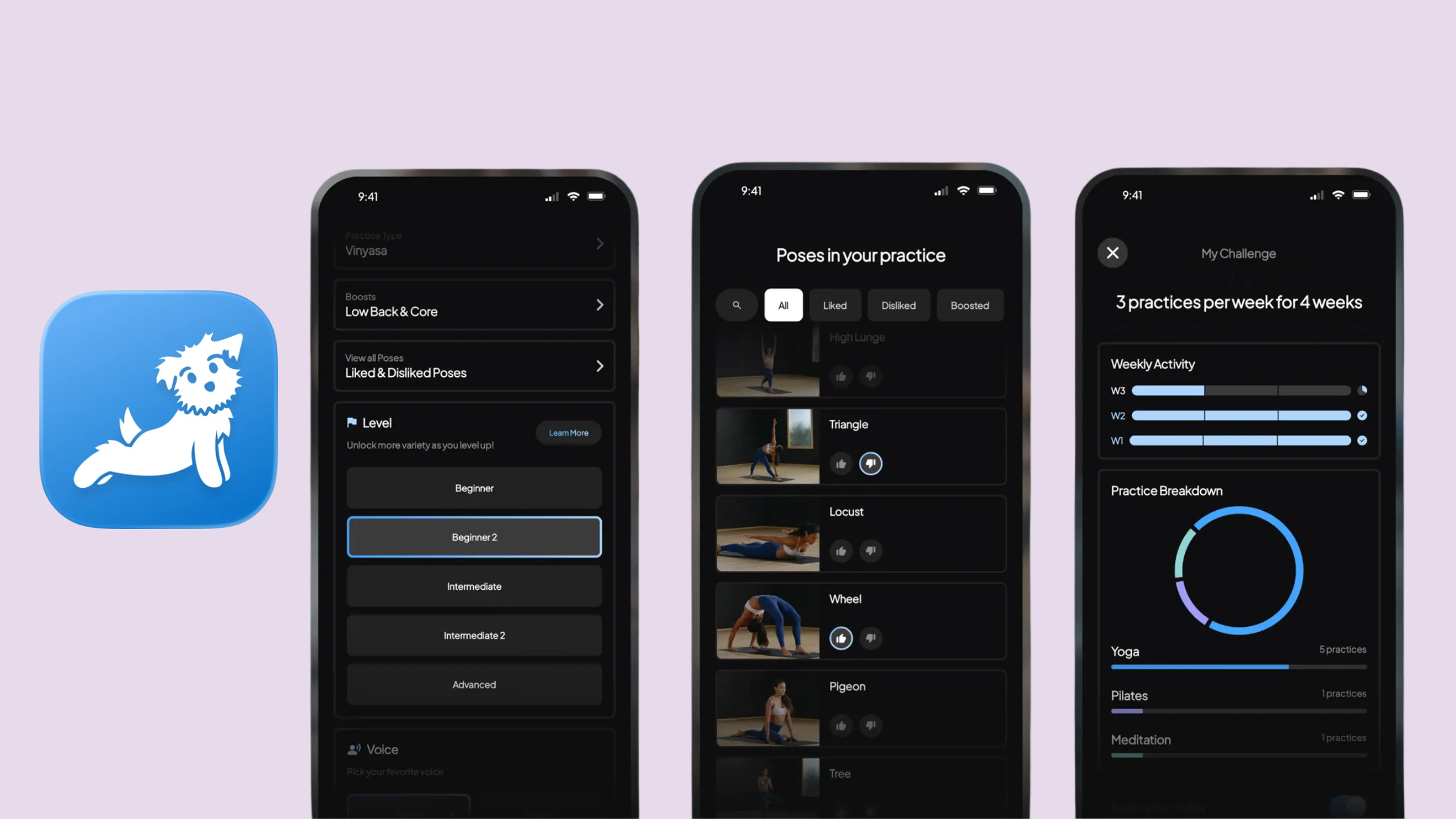
It is both unsurprising and slightly irksome that one of the highest-rated platforms on the market is built entirely on algorithmic code. Yet, the appeal of hyper-customization is undeniable. Down Dog allows users to generate unique, on-demand flows tailored precisely to their preferences.
Initially bracing for disappointment regarding the lack of a human instructor, our testers found Down Dog’s classes to be surprisingly serviceable. Spoken cues matched accompanying movements well, and transitions were remarkably smooth. An "advanced" setting even encourages creative sequencing.
Still, the audio cues retained a slightly robotic cadence. Beyond basic instruction, seasoned practitioners often cherish organic quips, physical corrections, and philosophical insights woven into an asana class—elements absent from an automated voice. Furthermore, the app’s hyper-DIY nature presents a double-edged sword. While selecting targeted body parts or specific pose focuses is convenient, features that let users preview upcoming poses or "thumbs down" discomfort feel somewhat antithetical to yoga philosophy. Yoga teaches equanimity and finding peace within mild discomfort; training an app to bypass difficult shapes trains the ego rather than the mind.
TL;DR: Algorithmically generated classes that perform better than expected, but inherently lack the human touch.
2. Alo Wellness Club
- Cost: Free (with complimentary Alo Access sign-up)
- Pros: Highly intuitive navigation; exceptional photo and video production quality; vast variety of teachers and styles.
- Cons: Noticeable lack of body diversity among instructors.
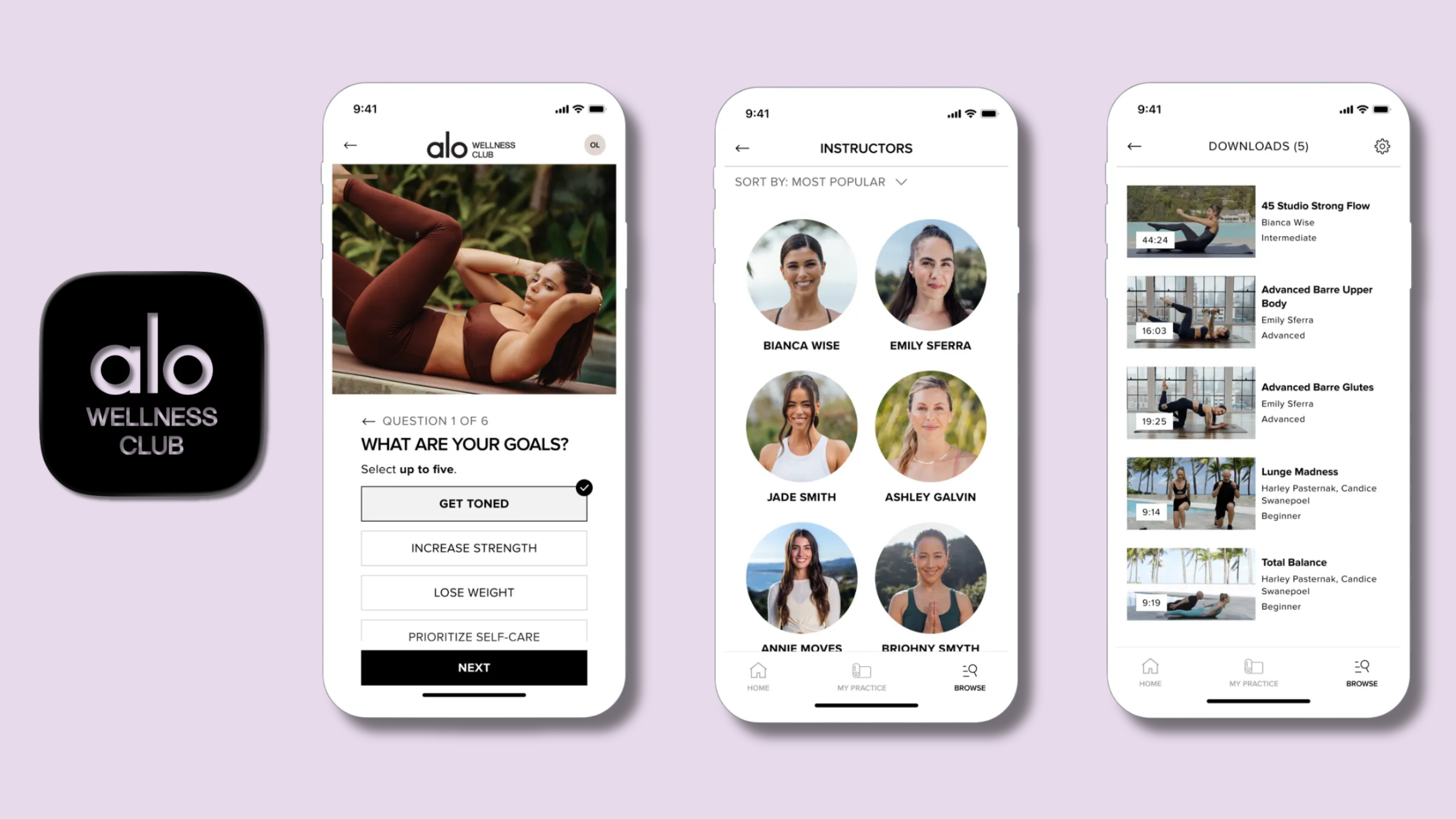
If any brand has perfected digital aesthetic, it is Alo. This high-end visual standard shines throughout the Alo Wellness Club app, a natural evolution for a lifestyle and apparel brand built on the backs of elite yoga creators.
Beyond its striking visual appeal, the app boasts intuitive navigation that makes browsing styles, supplementary fitness modules, and teacher rosters seamless. Curating personal practice playlists is straightforward, and the sheer volume of content is staggering—featuring more than 300 structured programs alongside a massive library of standalone classes.
The primary critique centers on representation. During our extended testing period, our reviewers spotted only one larger-bodied instructor among a roster exceeding 100 teachers, highlighting a concerning imbalance in visual and physical inclusivity.
TLDR: As stylish as expected, backed by high-caliber classes.
3. Glo
- Cost: $30/month or $245/year
- Pros: Exceptional variety of teachers, classes, and programs; offers deep educational resources alongside physical practice.
- Cons: Noticeably pricier than competitors.
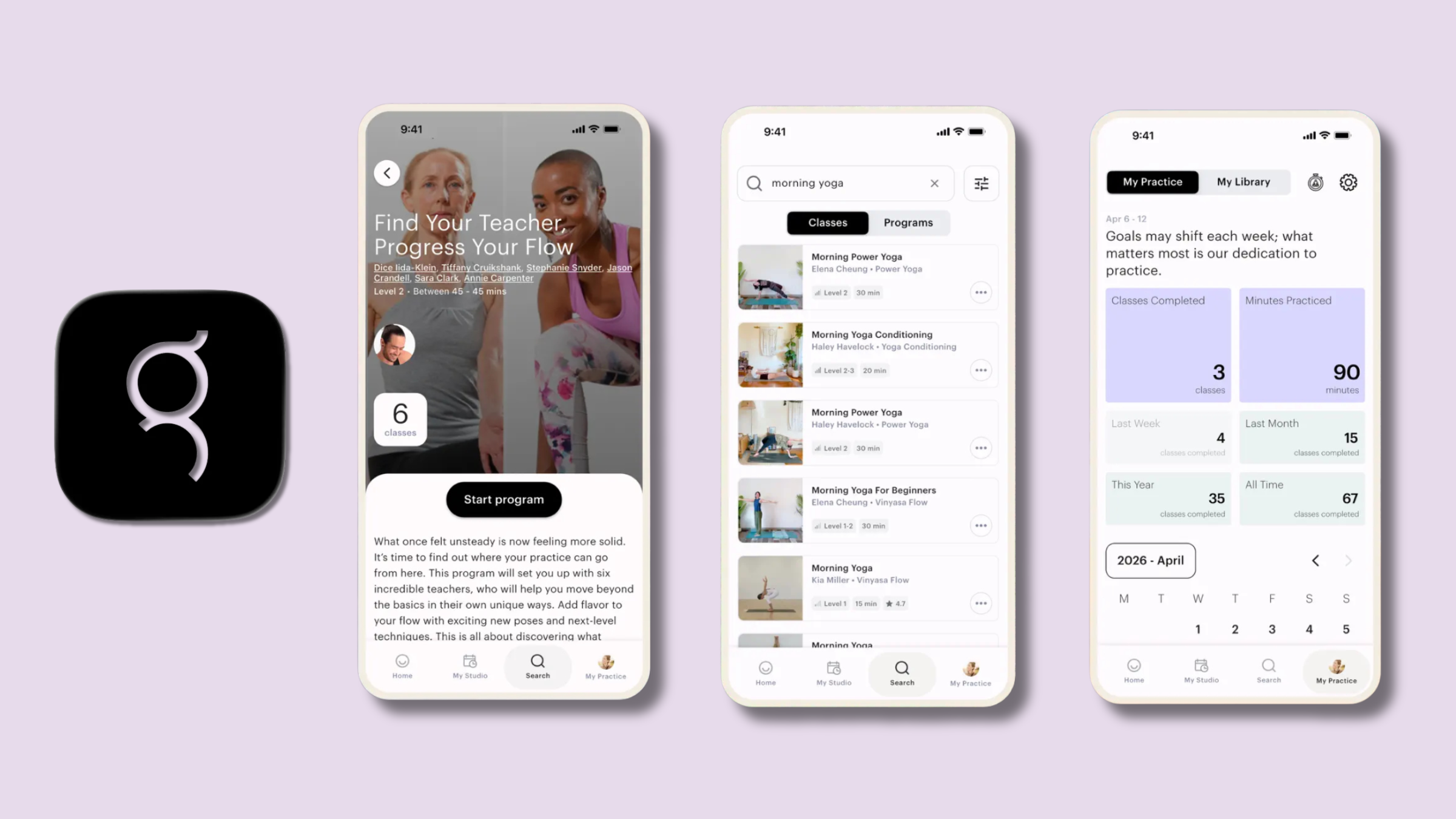
For practitioners seeking intellectual depth alongside a physical workout, Glo stands out as a premier choice. At first glance, the interface resembles a streamlined version of Alo, but deeper exploration reveals a profound commitment to traditional yoga philosophy, teaching methodology, and anatomy. These educational recordings reside under a dedicated "Education" tab, complementing the standard offerings of Pilates, strength training, and meditation.
Testers praised the "at-a-glance" icons accompanying each class, which clearly denote difficulty levels, practice styles, required props, duration, and energetic intensity. The visual and auditory production is exceptionally crisp, and the human-led classes deliver genuine connection. Additionally, Glo offers periodic live classes, adding tangible value for subscribers paying a premium rate.
TLDR: Traditional yoga (and more) with robust opportunities for intellectual and spiritual deepening.
4. Daily Yoga
- Cost: $19.99/month or $69.99/year (plus in-app purchases)
- Pros: Diverse class offerings catering to multiple skill levels; structured workout schedules and "Smart Coach" features.
- Cons: Heavy, unescapable focus on weight and weight loss; clunky, pop-up-heavy interface.
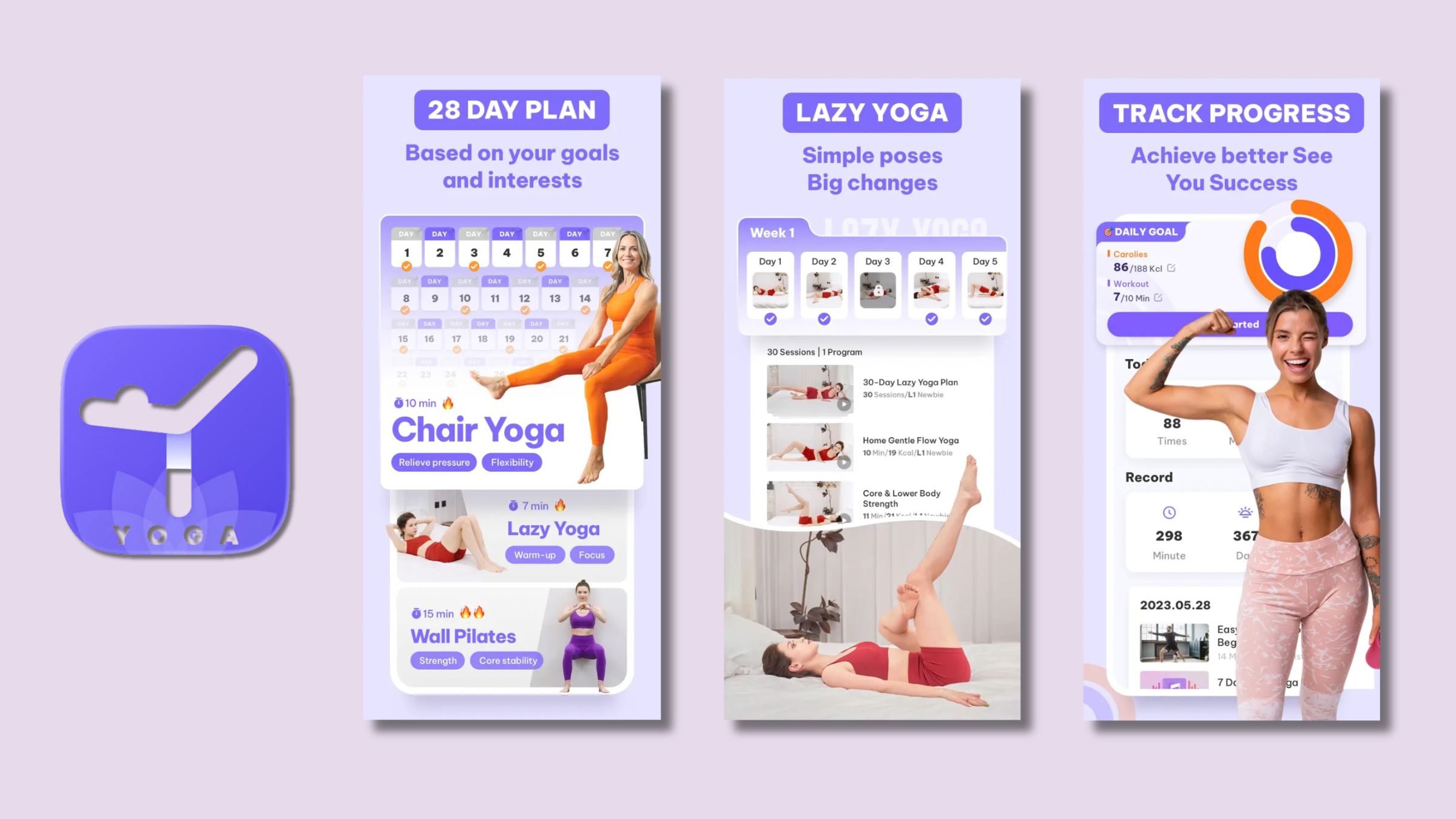
To be transparent, Daily Yoga tested the patience of our editorial staff. Immediately following subscription activation, users are greeted by an aggressive barrage of onboarding prompts centered obsessively on weight loss and body image, with virtually no option to opt out of the messaging. The onboarding flow featured what appeared to be AI-altered imagery of women in activewear alongside body-fat percentage sliders. The system persistently demanded current and target weight metrics to generate an automated weight-loss itinerary.
Once inside the app proper, locating actual yoga classes proved difficult. Navigating the menus meant constantly dodging pop-up windows promoting supplementary challenges, e-books, or tiered subscriptions.
Despite the frustrating interface, the platform hosts a legitimate variety of human-led classes with well-synchronized audio cues. However, the gamified, video-game-inspired pop-ups ("Congratulations! You’ve reached Level 1!") feel profoundly misaligned with the meditative core of yoga.
TLDR: A frustrating, ad-heavy interface obscuring a genuinely diverse class library.
5. Find What Feels Good (FWFG)
- Cost: $15/month or $150/year
- Pros: Natural digital expansion of the beloved "Yoga With Adriene" brand; vibrant, built-in community features.
- Cons: More limited content library compared to massive studio-style competitors.
With an audience nearing 14 million subscribers, Adriene Mishler of Yoga With Adriene commands one of the most recognizable and trusted yoga platforms in the world. Given that her entire operational model exists online, launching a dedicated app was a logical progression. Find What Feels Good serves fans who want to take Mishler’s guidance offline and access expanded content beyond her free YouTube archive.
Mishler has curated a team of 11 instructors offering Pilates, functional strength training, breathwork, and sound healing alongside her signature yoga practices. Subscribers gain access to structured calendars—curating specific themes across daily schedules. Perhaps the app’s standout feature is its Community tab, where members participate in global challenges, live monthly check-ins, and a dedicated virtual book club.
A homepage carousel featuring personal vlogs from Mishler highlights the app’s core audience: it is built explicitly for those who have cultivated their personal practice alongside Mishler and desire a deeper, more structured relationship with her community.
TLDR: The ultimate digital companion for devoted fans of Yoga With Adriene.
Official Responses and Industry Reactions
As the wellness app market continues to consolidate in 2026, software developers and studio owners are responding to shifting consumer demands. Representatives from algorithmic platforms like Down Dog have defended customization features, noting that data-driven sequencing lowers the barrier to entry for beginners intimidated by traditional studio environments. Conversely, representatives from human-led platforms such as Glo and FWFG emphasize that true asana practice requires energetic feedback, cultural context, and emotional empathy—elements that code cannot replicate.
Industry analysts point out that consumer backlash against hyper-commercialized, weight-centric messaging—as observed during the testing of Daily Yoga—is forcing fitness tech developers to pivot toward holistic mental health metrics rather than purely aesthetic outcomes.
Implications for the Future of Home Yoga
The proliferation of yoga applications in 2026 underscores a permanent shift in how wellness is consumed. Practitioners no longer rely exclusively on physical studios to maintain a disciplined practice. However, this convenience introduces new challenges.
As automated, AI-driven sequencing grows more sophisticated, the wellness community faces a philosophical crossroads. The convenience of algorithmic customization must be weighed against the irreplaceable value of human mentorship, community accountability, and philosophical lineage. For practitioners designing their home sanctuaries in 2026, the ideal digital tool is no longer just about burning calories or mastering a shape on a mat—it is about finding a sustainable, grounded practice that nurtures the whole human being.
