

From meditation and yoga to high-intensity interval training (HIIT) and intermittent fasting, the modern wellness landscape is crowded with practices designed to optimize human health. Yet, as health science evolves, researchers are uncovering a critical missing piece of the puzzle: when we perform these daily habits can be just as impactful as the habits themselves.
"Timing your wellness practices isn’t just a scheduling preference," explains Valentina Lipskaia, founder and clinical psychologist at Dzeny. "It has real neurological and psychological grounding, and getting it right can meaningfully amplify results."
In a comprehensive wellness series exploring the ideal windows for daily routines—beginning with morning meditation and structured physical activity—experts are now turning their attention to the body’s most foundational biological requirement: food.
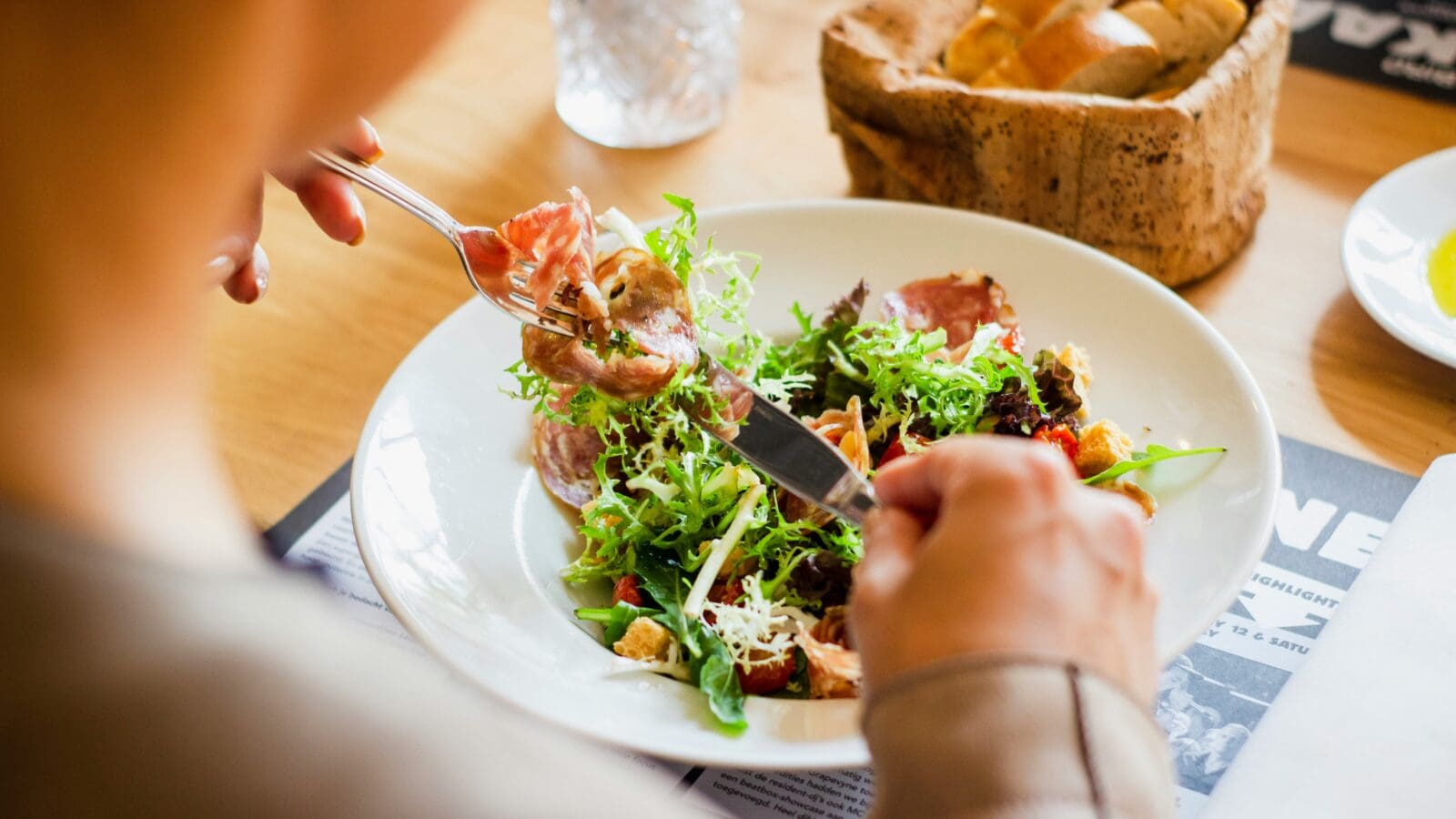
From the ongoing debate surrounding intermittent fasting to the optimal window for consuming specific macronutrients, the science of nutrient timing is shifting. However, experts emphasize that meal timing is not a one-size-fits-all prescription. "Hormone fluctuations, loss of lean body tissue, and changes in caloric expenditure from training or competition can affect how and when meals are eaten and how to support recovery," notes Kezia Joy, RDN.
Navigating the intersection of chronobiology, metabolism, and modern lifestyles requires looking closely at the core facts, timelines, and expert insights shaping the future of dietary science.
Main Facts: The Intersection of Circadian Biology and Metabolism
The fundamental premise of nutritional chronobiology is that the human body does not process food the same way at 8:00 AM as it does at 8:00 PM. Our metabolism is governed by internal molecular clocks—circadian rhythms—that regulate hormone secretion, digestive enzyme production, and insulin sensitivity across a 24-hour cycle.

- Circadian Alignment: Research suggests that metabolic efficiency peaks earlier in the day. Frontloading caloric intake can align with the body’s natural digestive rhythms.
- The Protein Debate: While spreading protein throughout the day remains a standard recommendation for muscle maintenance, frontloading protein and fiber can curb mid-day cravings and stabilize blood sugar.
- Gender Differences in Fasting: Intermittent fasting protocols that yield positive metabolic markers in men may disrupt reproductive hormones in premenopausal women.
- Macronutrient Synergy: Dietary fats, complex carbohydrates, and proteins serve distinct biological functions. Their timing directly dictates athletic recovery, hormone production, and cognitive function.
Chronology: The Evolution of Meal Timing Paradigms
To understand where nutritional science stands today, it is helpful to look at how dietary recommendations have shifted over the decades.
- The Mid-20th Century (The Reign of Breakfast): Public health campaigns heavily promoted breakfast as the non-negotiable "most important meal of the day," anchoring dietary habits around a three-square-meals-a-day structure.
- The Late 2010s (The Rise of Intermittent Fasting): Popularized by longevity experts and biohackers, skipping breakfast became a mainstream strategy for promoting autophagy (cellular cleanup), reducing systemic inflammation, and supporting weight loss.
- The 2020s (Personalized Chrononutrition): Modern science has moved away from rigid dogmas—such as universally mandating or banning breakfast—toward personalized chrononutrition. Researchers now evaluate individual metabolic health, fitness goals, sex-specific hormonal profiles, and lifestyle factors to determine optimal eating windows.
Supporting Data: Expert Perspectives on Breakfast, Fasting, and Dinner
Navigating the noise of dietary trends requires examining the empirical reasoning behind opposing viewpoints from leading researchers and practitioners.
Is Breakfast Essential?
For Katherine Livingstone, associate professor at the Institute for Physical Activity and Nutrition at Deakin University, eating in sync with the circadian rhythm points toward frontloading calories. Writing in The Conversation, she notes that the body processes nutrients most efficiently earlier in the day. She recommends combining high-quality protein with fiber-rich whole grains in the morning to prevent sluggishness and overeating at lunch.

Conversely, longevity and human performance expert Ben Greenfield argues that non-athletes do not require pre-workout fuel. "Unless you are an athlete doing a two-a-day exercise routine, you do not need to eat before your morning workout," Greenfield says. For those who prefer a fasted state but require sustained energy, he recommends a targeted approach: 10 to 20 grams of essential amino acids alongside a liquid ketone shot.
The Nuances of Intermittent Fasting for Women
While intermittent fasting offers well-documented metabolic benefits, experts warn against applying male-centric clinical trials directly to female physiology.
"Premenopausal women do not do as well with a fast that exceeds 12 hours on a regular basis, because it downregulates hormones responsible for fertility, like luteinizing hormone and follicle-stimulating hormones," Greenfield explains, recommending a cautious 10- to 12-hour fasting window for this demographic. Postmenopausal women, conversely, can often safely adopt traditional 12- to 16-hour protocols.

Mark Gillilan, a former biologist and founder of Kyoto Botanicals, advocates for a structured 16-hour fast extending from post-dinner to mid-morning, noting that sleeping through the majority of the fasting window helps stabilize baseline brain chemistry and prevents morning glucose crashes.
However, critics like Dr. Chad Larson, founder and CEO of The Adapt Lab, caution against the uncritical adoption of fasting. "I do not recommend intermittent fasting based solely on the fact that it simplifies your diet," Dr. Larson says. "It loses its usefulness if it causes a decrease in protein consumption, impairs sleep quality, diminishes athletic performance, or contradicts medication regimens."
The Case for the Early Dinner
The timing of the final meal of the day has a profound impact on sleep architecture. Finishing dinner at least three hours before bedtime allows core body temperature to drop post-digestion, facilitating deeper, more restorative sleep and preventing insulin spikes that delay melatonin release.

Yet, social realities must be weighed against strict biohacking rules. While some longevity advocates finish eating by noon, Greenfield champions a pragmatic middle ground: "You can definitely make a case for better sleep when dinner is done well prior to bedtime. But I think you also have to balance that out with relationships, community, social activities." He opts for a family dinner around 7:30 PM, noting that the social and emotional rewards outweigh the marginal sleep-optimization benefits of an exceptionally early meal.
Official Responses and Strategic Macronutrient Timing
Once an individual establishes when to eat, the next logical question is what to eat. Ben Walker, founder and personal trainer at Anywhere Fitness, breaks down the functional roles of the three primary macronutrients and how to time them effectively.
1. Protein: The Building Block of Muscle and Satiety
Protein supplies the essential amino acids required to repair microscopic muscle tears induced by resistance training. Furthermore, it plays a vital role during weight loss by preserving lean muscle mass and enhancing satiety—a factor of paramount importance given the rise of GLP-1 weight-loss medications.

- Optimal Intake: Walker recommends 1.6 to 2.2 grams of protein per kilogram of body weight daily.
- Timing Strategy: Consuming protein within 20 to 30 minutes post-workout maximizes muscle protein synthesis. Frontloading protein at breakfast also supports sustained all-day blood sugar control.
2. Dietary Fats: Hormonal Architects
Long demonized in low-fat diet crazes, healthy fats are now recognized as essential for brain health, cellular integrity, and the production of anabolic hormones necessary for muscle recovery. They also facilitate the absorption of fat-soluble vitamins (A, D, E, and K).
- Optimal Intake: Aim for 20% to 30% of total daily calories from sources like avocados, extra virgin olive oil, fatty fish, and nuts.
- Timing Strategy: Dr. Larson advises distributing healthy fats evenly across meals—such as avocado with breakfast, tahini at lunch, and salmon at dinner—to maintain steady energy and digestive satisfaction.
3. Carbohydrates: The Performance Fuel
Carbohydrates are the primary fuel source for moderate-to-high-intensity anaerobic exercise, including weightlifting, sprinting, and high-intensity interval training. Completely eliminating carbs can deplete muscle glycogen stores, leading to sluggish performance and protracted recovery times. It also exacerbates the modern fiber deficit, given that over 95% of adults fail to consume adequate dietary fiber.
- Timing Strategy: Carbohydrate timing should be flexible. Livingstone suggests pairing carbs with protein in the morning for sustained energy, while Larson recommends consuming carbs during periods of heightened physical demand. Conversely, some biohackers advocate shifting carbohydrates to the evening to encourage cyclic ketosis and promote serotonin production for better sleep.
Implications: Building a Sustainable, Personalized Approach
The ultimate takeaway from nutritional chronobiology is that perfection should not be the enemy of progress. Rigid eating schedules that generate chronic stress or interfere with family and social bonds can ultimately undermine wellness goals.
"Ultimately, what you consume in your meals will have the most influence on your health rather than the time frame in which you consume those meals," Kezia Joy concludes. "Creating a consistent approach to your daily eating habits will also provide the greatest benefit in maintaining that approach over a prolonged period of time."
By listening to your body, aligning meals with your natural circadian rhythms, and balancing macronutrients based on daily activity levels, you can transform food from a source of daily guesswork into a finely tuned engine for lifelong vitality.
