

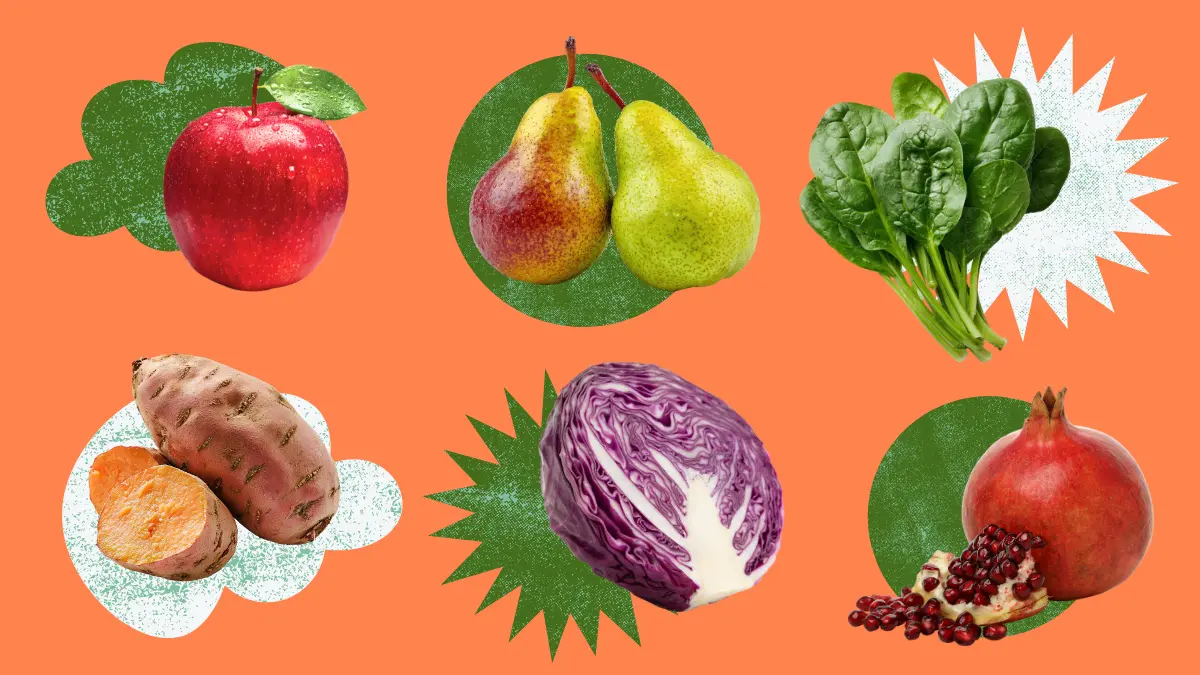
As the vibrant hues of summer fade into crisp autumn days, our plates transition to match the season. We swap juicy summer tomatoes and sweet bell peppers for comforting squashes, earthy greens, and crisp orchard fruits. But alongside the seasonal shift comes a familiar food-safety dilemma: the hidden chemical residues lingering on conventional produce.
Drawing from the Environmental Working Group’s (EWG) latest annual analysis of data from the U.S. Department of Agriculture (USDA), savvy shoppers face a shifting landscape of agricultural chemicals. Understanding which fall fruits and vegetables are most vulnerable to synthetic pesticides—and which remain largely uncontaminated—is the ultimate roadmap for protecting your health without breaking the bank at the grocery store.
Main Facts: What the Data Tells Us About Autumn Produce
Every year, the EWG releases its highly anticipated "Dirty Dozen" and "Clean Fifteen" lists, distilling thousands of USDA pesticide-testing records into practical consumer advice. The core takeaway remains consistent: synthetic pesticides, herbicides, and fungicides are a prevalent reality in conventional farming. However, the degree of contamination varies wildly depending on the crop.
This fall, iconic autumn staples like apples, pears, and leafy greens find themselves firmly in the crosshairs of the EWG’s Dirty Dozen. These items are frequently flagged for multiple pesticide residues—most notably fungicides like fludioxonil and pyrimethanil. Because many of these fruits and vegetables are consumed whole, skin and all, ingestion of these residues is difficult to avoid without deliberate purchasing choices or thorough washing.
Conversely, the Clean Fifteen list highlights produce varieties that naturally resist or are grown with fewer synthetic inputs. Cruciferous vegetables, mushrooms, and thick-skinned items like pomegranates offer safe, budget-friendly havens for consumers opting to buy conventional.
Chronology: The Escalating Concern Over Chemical Residues
The conversation surrounding agricultural chemicals is not static; it evolves as independent testing and global regulatory bodies uncover new health risks.
- Early 2000s to 2010s: Regulatory bodies in Europe began taking aggressive stances against specific agrochemicals, such as banning the insecticide permethrin on food crops in 2000 and phasing out the growth regulator DCPA due to potential carcinogenicity. Meanwhile, U.S. utilization rates remained steady or climbed.
- 2010–Present: Long-term tracking by organizations like the EWG revealed dramatic spikes in chemical persistence. For instance, testing data shows that pesticide contamination on conventional pears has skyrocketed since 2010, with more than six in ten pears now testing positive for five or more distinct pesticides.
- Recent Findings: Recent studies have increasingly linked low-dose exposure to conventional agrochemicals—such as PFAS-related fungicides and neonicotinoids—to endocrine disruption, neurodegeneration, and behavioral challenges like ADHD. Consequently, consumer awareness has surged, shifting the focus from general "eating healthy" to targeted "clean eating."
Supporting Data: Fall’s Dirty Dozen vs. Clean Fifteen
To optimize your grocery budget, it helps to look closely at the data behind specific fall crops.
Fall’s Dirty Dozen Picks: Buy These Organic
When crops land on the Dirty Dozen, it serves as shorthand for "what to buy organic." Prioritizing organic versions of these items significantly reduces your body’s pesticide load.
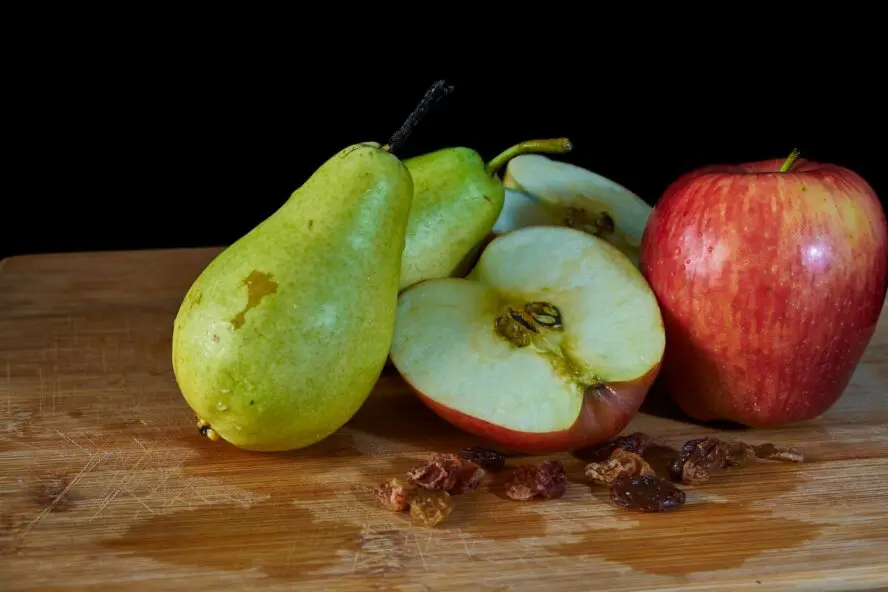
- Apples and Pears: Ranking 8th and 10th respectively on the Dirty Dozen, apples and pears are staples of the autumn diet. USDA data reveals that apples are frequently contaminated with fungicides like diphenylamine—used to prevent cold-storage discoloration—which European authorities have flagged for potential toxicity to reproduction and development. Pears, similarly, show mounting chemical loads; over 60% carry residues of five or more pesticides, including neonicotinoid insecticides linked to neurotoxicity.
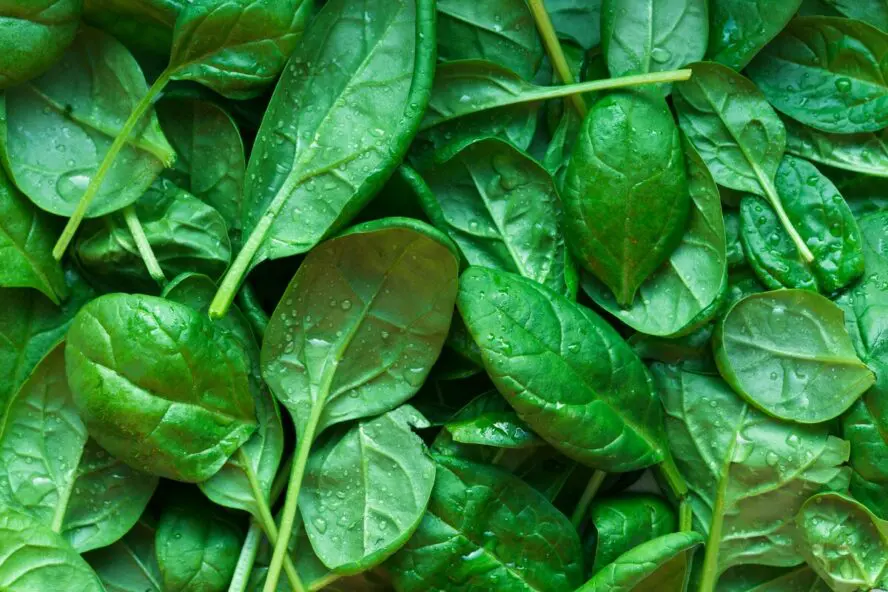
- Spinach and Leafy Greens: Spinach routinely tops the Dirty Dozen list, carrying more pesticide residue by weight than almost any other crop. Kale, collard, and mustard greens sit closely behind in the second-place slot, with roughly 60% of conventional kale samples testing positive for DCPA, a possible human carcinogen.
- Grapes: As late-summer grapes stretch deep into the fall season, they retain a high 4th-place rank on the Dirty Dozen. Their thin, edible skins make organic sourcing the safest bet.
- Potatoes: Rising to 11th place, conventional potatoes frequently harbor chlorpropham, a sprout-inhibiting growth regulator restricted in Europe due to endocrine concerns.
Fall’s Clean Fifteen Wins: Safe to Buy Conventional
If you need to stretch your grocery dollars, the Clean Fifteen list points toward items that can be safely purchased conventional without heavy chemical exposure.
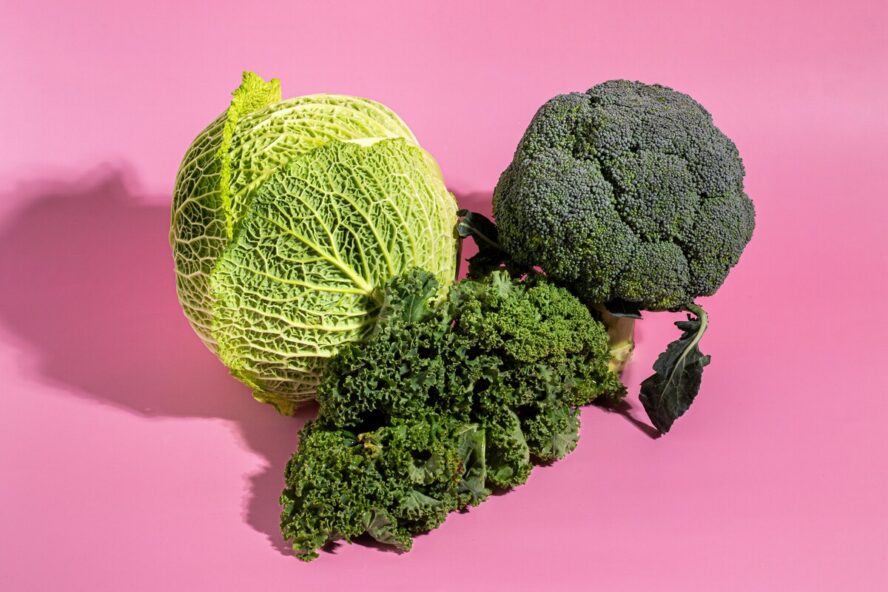
- Cabbage, Cauliflower, and Broccoli: These cruciferous powerhouses are rich in gut-healthy fiber and antioxidants like sulforaphane. Cabbage and cauliflower rank 8th and 9th on the Clean Fifteen, while broccoli narrowly missed the formal list at 16th cleanest, making them all smart conventional buys.
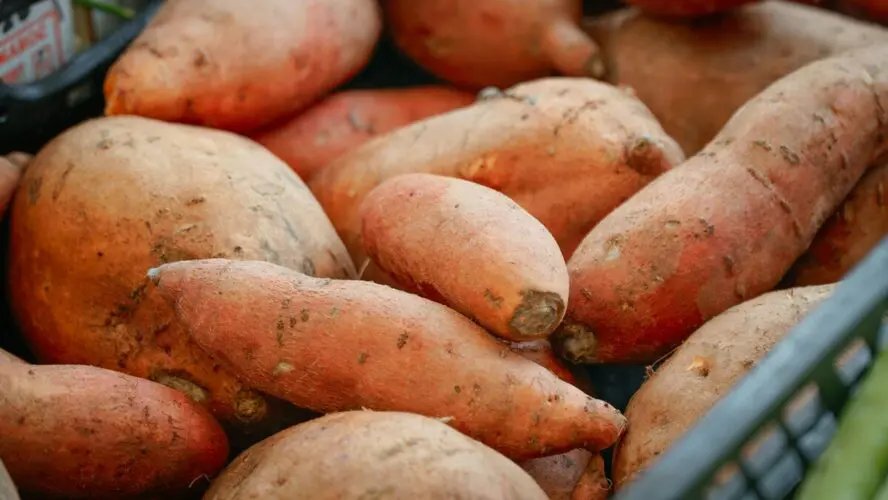
- Sweet Potatoes: While just missing the official Clean Fifteen cut at 18th place, sweet potatoes remain a relatively safe conventional choice—especially if peeled before roasting or mashing.
- Mushrooms: Landing in 14th place, these umami-rich, brain-healthy fungi are generally low in synthetic residues.
- Pomegranates: Though not formally ranked, pomegranates offer built-in protection. Their thick, inedible rinds shield the jewel-toned arils within from direct chemical contact.
Official Responses and Regulatory Divergence
A striking aspect of the modern agricultural debate is the stark policy divergence between the United States and international regulators. Many chemicals widely accepted by the U.S. Environmental Protection Agency (EPA) have been heavily restricted or outright banned abroad.
- Diphenylamine (Apples): While the EPA maintains that diphenylamine poses no immediate risk to human health within established thresholds, European food safety authorities have pushed for stricter regulations over concerns regarding aquatic toxicity and potential impacts on human fertility. Furthermore, scientists note that diphenylamine can combine with nitrogen compounds found naturally in foods like apples to form nitrosamines—potentially carcinogenic compounds.
- Permethrin and DCPA (Greens): The European Union banned the insecticide permethrin on food crops two decades ago due to associations with neurotoxicity and childhood developmental issues. Similarly, DCPA (found on kale) has been classified as a possible human carcinogen by the EPA since 1995, yet remains permissible under specific U.S. agricultural guidelines.
These regulatory gaps leave consumers to navigate a complex landscape where "legal" does not automatically mean "risk-free."
Implications for Consumers: Smart Shopping Strategies
Faced with rising grocery prices and conflicting safety data, shoppers must adopt a pragmatic, balanced approach. Public health experts universally agree on one foundational rule: the health benefits of eating fresh fruits and vegetables vastly outweigh the theoretical risks of pesticide consumption. If conventional produce is all you can afford or find, do not let pesticide fears deter you from meeting your daily nutritional goals.
Instead, use targeted strategies to minimize your chemical exposure:
- Prioritize Your Budget: Invest your organic dollars where they matter most—primarily on thin-skinned items on the Dirty Dozen like apples, pears, spinach, and grapes.
- Embrace Conventional Safely: Save money by buying conventional cruciferous vegetables, mushrooms, and thick-skinned items like sweet potatoes and pomegranates.
- Master the Wash: Thoroughly clean all produce. Rinse delicate items under cold running water, and use a vinegar-water soak or a soft brush to scrub thick-skinned or waxed conventional fruits. Note that food-grade wax applied to apples is harmless and extends shelf life, but aggressive washing helps strip away trapped residues.
By balancing organic splurges with smart conventional savings, you can enjoy the rich, nourishing flavors of the autumn harvest safely, sustainably, and sensibly.
