

Published September 22, 2026
Main Facts: Breaking the Autopilot Cycle
For millions of people, the morning routine is defined not by peace, but by urgency. The alarm sounds, and within minutes, the psychological machinery of the day takes over. The modern awakening is frequently characterized by an immediate reach for a smartphone, a frantic mental scan of an endless to-do list, or an internal mandate to sprint toward peak productivity before the body has even fully adjusted to being upright.
According to wellness experts and mindfulness practitioners, this high-octane start forces individuals into an automated state of "autopilot" that can dictate their emotional and cognitive resilience for the rest of the day.
To combat this relentless early-morning pressure, movement specialists are increasingly championing a simple, low-stakes intervention: a five-minute morning yoga flow. Designed and demonstrated by yoga instructor Ramoni Overton, this brief sequential movement practice offers an accessible antidote to morning stress. Requiring neither an extensive time commitment nor a high expenditure of energy, the routine serves as an intentional pause button. It allows practitioners to mobilize their joints, regulate their breath, and anchor their mental focus before the demands of the outside world take over.
Chronology: A Step-by-Step 5-Minute Morning Flow
This sequence has been curated to transition the body seamlessly from sleep to wakefulness. Each posture is held for just a few conscious breaths, making the entire routine achievable in five minutes or less.
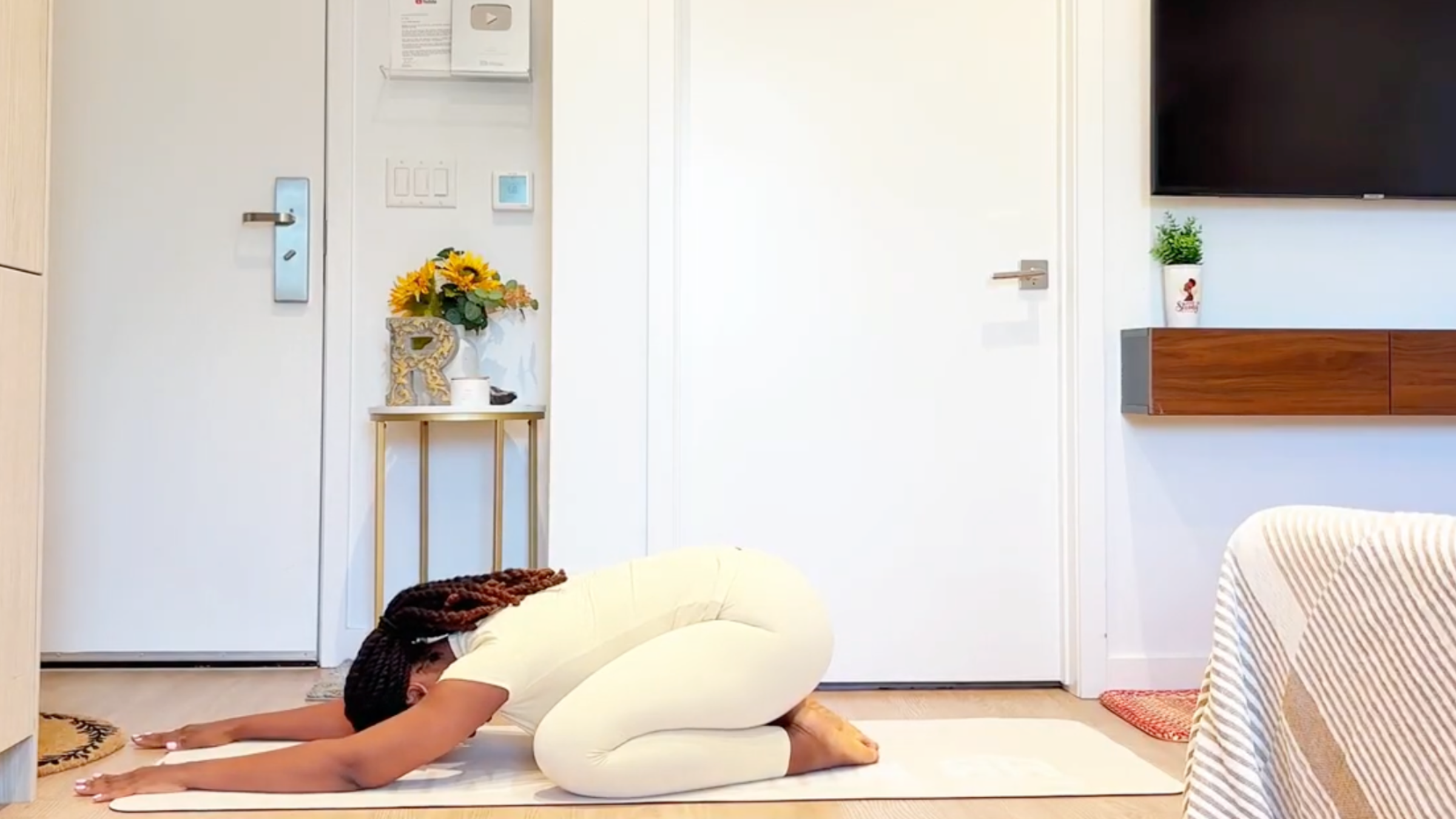
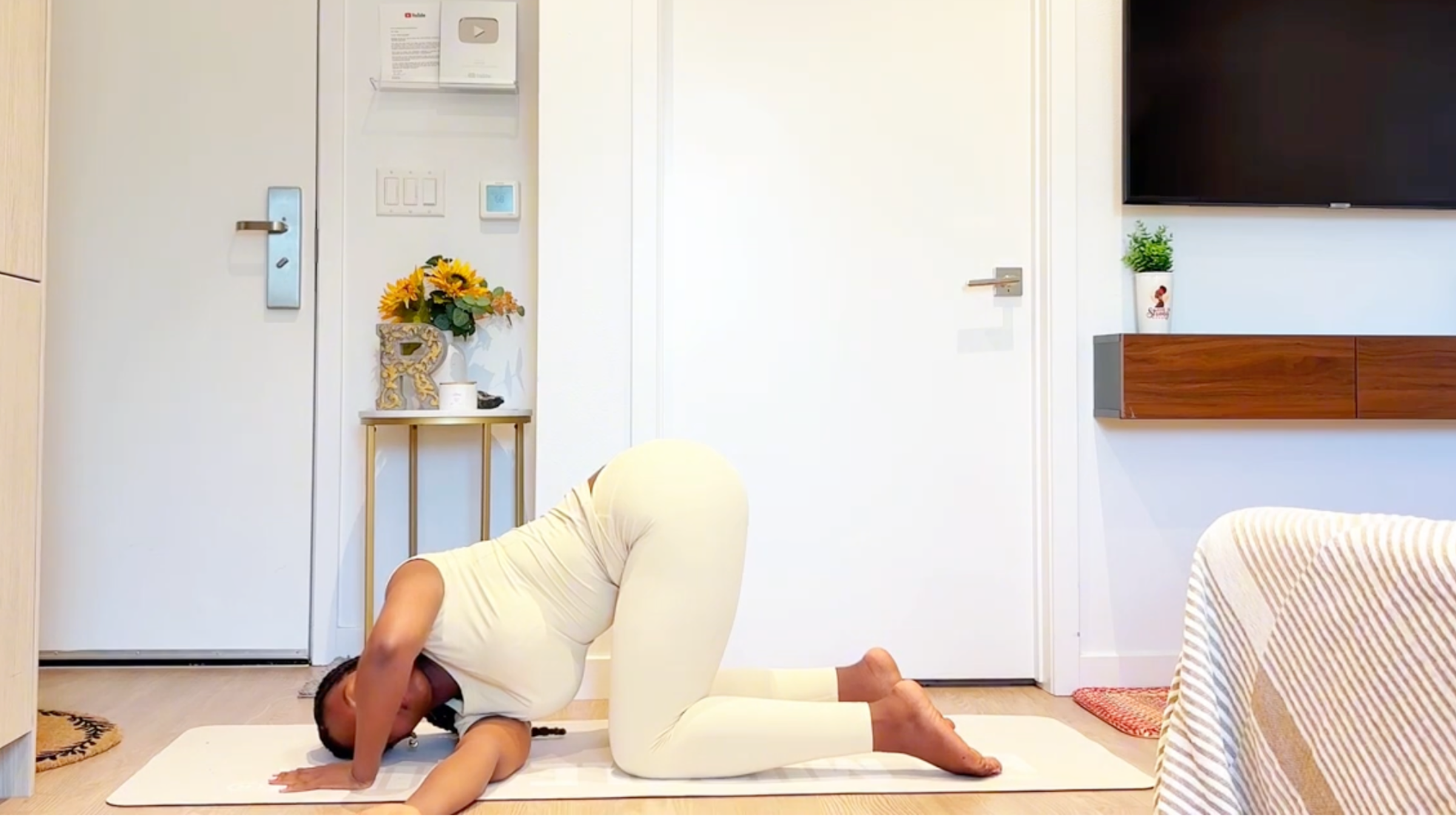
1. Child’s Pose (Balasana)
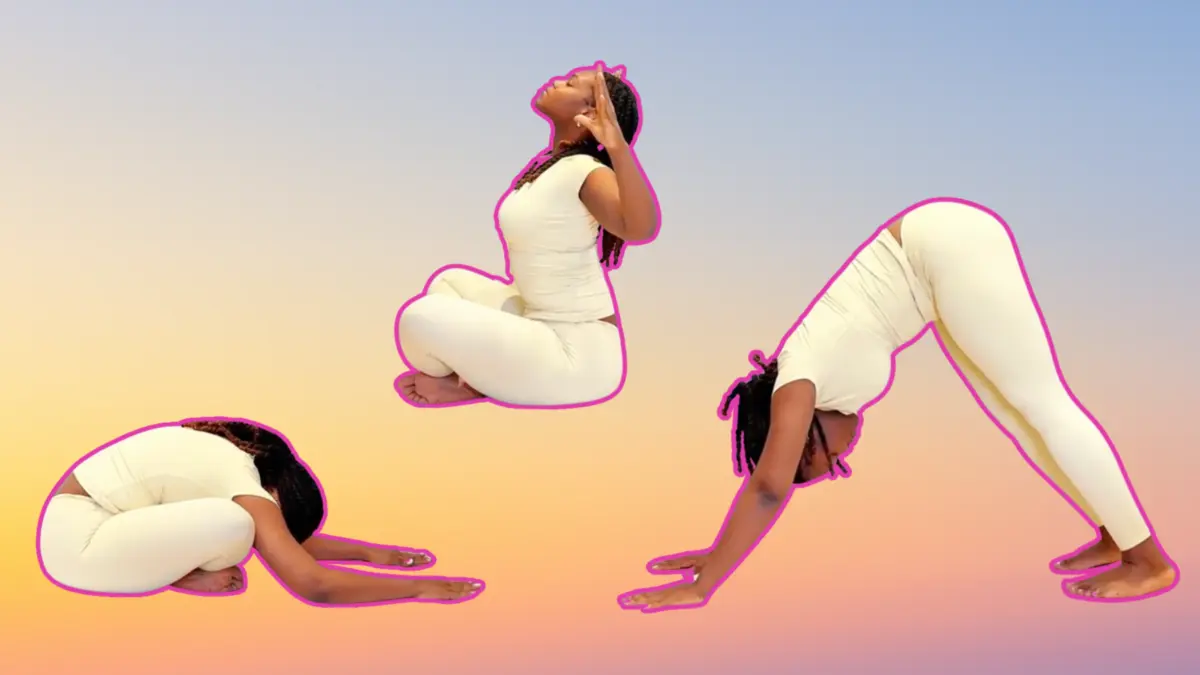
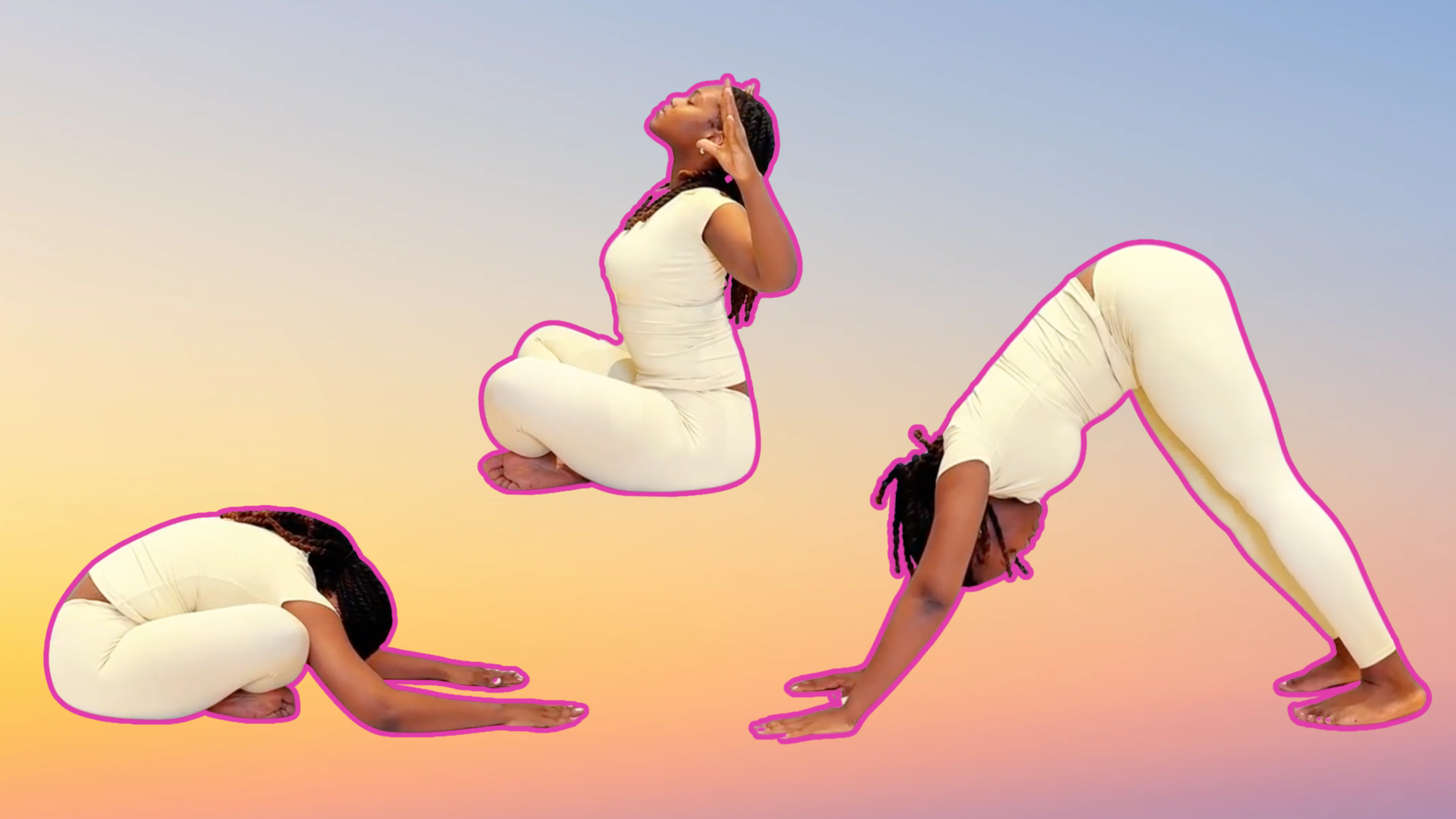
- The Movement: Begin on your hands and knees in a tabletop position. Gently draw your hips back toward your heels, lengthen your arms forward along the mat, and allow your forehead to rest either directly on the floor or upon a supportive block.
- The Purpose: This restorative shape signals safety to the nervous system, gently stretching the lower back and shoulders while inviting the practitioner to tune into their breathing pattern right out of bed. Stay here for a few slow breaths before returning to all fours.
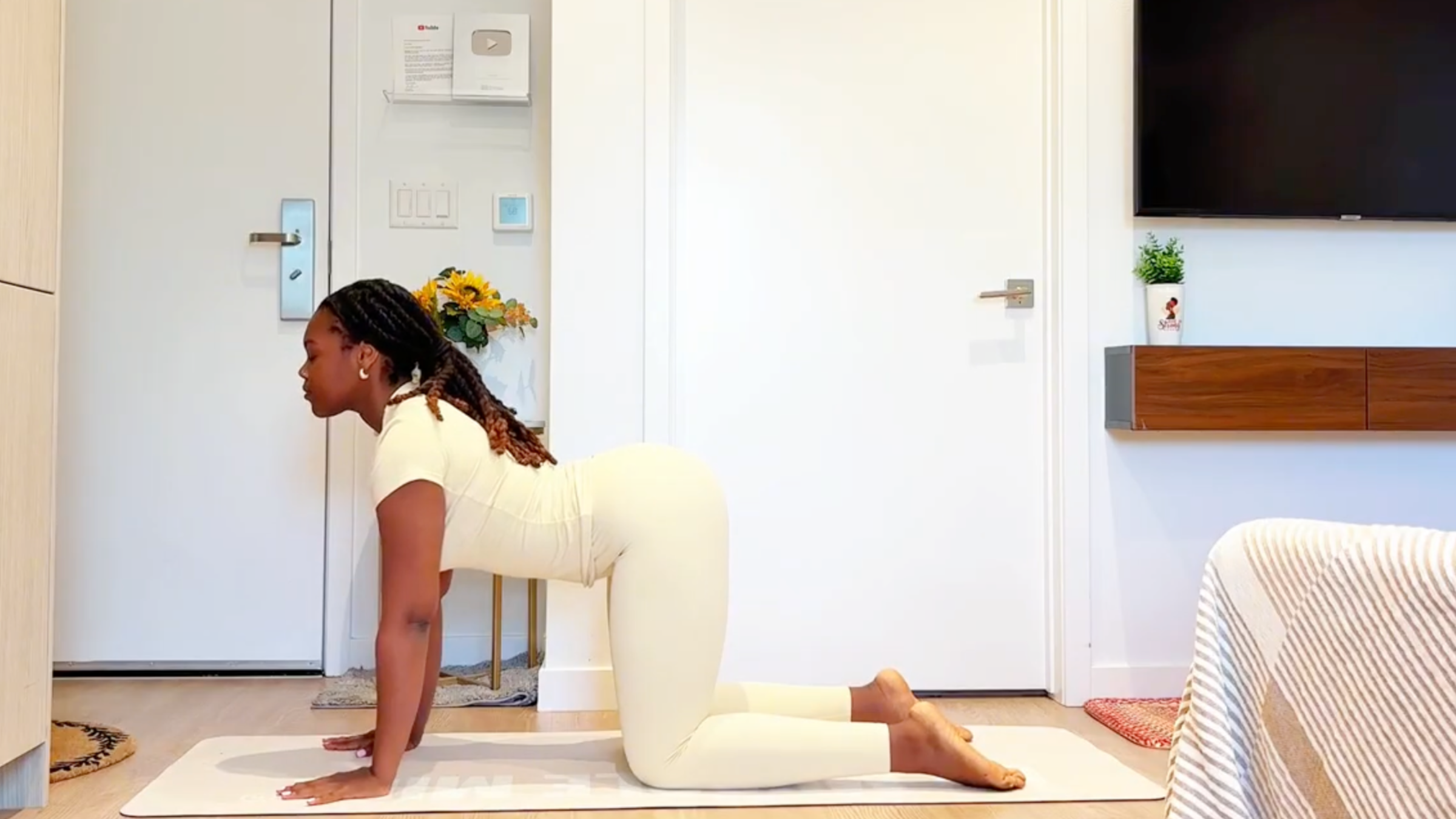
2. Cat-Cow (Marjaryasana-Bitilasana)
- The Movement: Transitioning from your hands and knees, inhale as you arch your spine and lift your chest and chin toward the ceiling (Cow Pose). Exhale as you reverse the movement, rounding your spine toward the sky and tucking your chin toward your chest (Cat Pose). Flow fluidly between these two shapes for several rounds.
- The Purpose: Cat-Cow lubricates the spinal vertebrae, alleviates overnight stiffness in the torso, and synchronizes breath with movement, establishing a meditative rhythm for the morning.
3. Thread the Needle (Parsva Balasana)
- The Movement: From a tabletop position, reach your right arm out to the side and elevate it toward the ceiling to open the chest. Next, thread your right arm underneath your torso, sliding it through the space between your left hand and left knee. Lower your right shoulder and the right side of your head gently onto the mat. Hold for a few breaths, unwind by reaching the arm back up, and repeat on the left side.
- The Purpose: This gentle spinal twist and shoulder opener targets tension accumulated in the upper back—a common side effect of side-sleeping and early-morning hunching over screens.
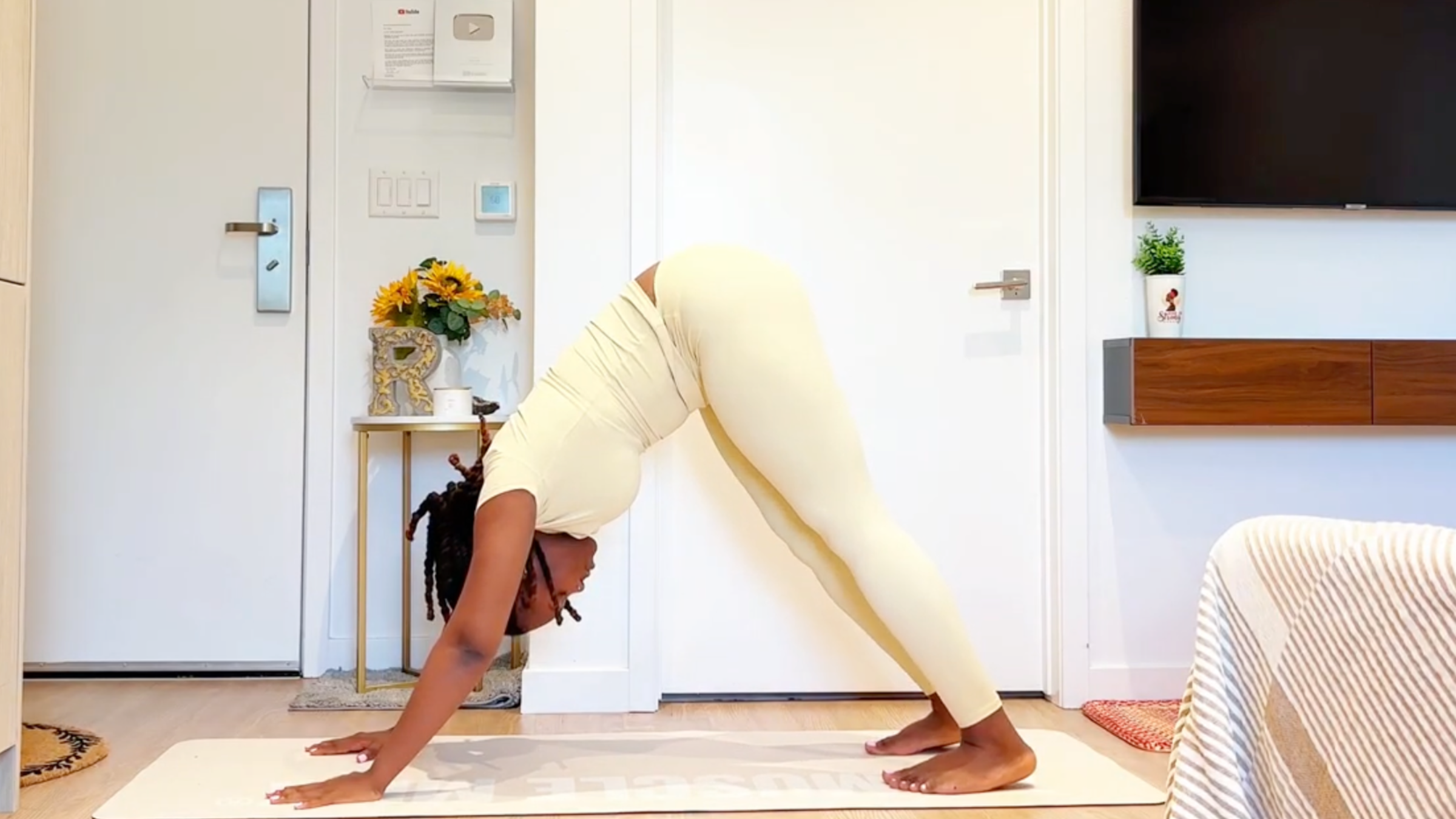
4. Downward-Facing Dog (Adho Mukha Svanasana)
- The Movement: Plant your palms firmly into the mat from your hands and knees, tuck your toes, and press your hips upward as you straighten your legs, forming an inverted "V" shape with your body.
- The Purpose: As one of yoga’s foundational inversions, Downward-Facing Dog gently energizes the body by bringing the heart above the head, stretching the hamstrings and calves, and building mild, grounded strength.
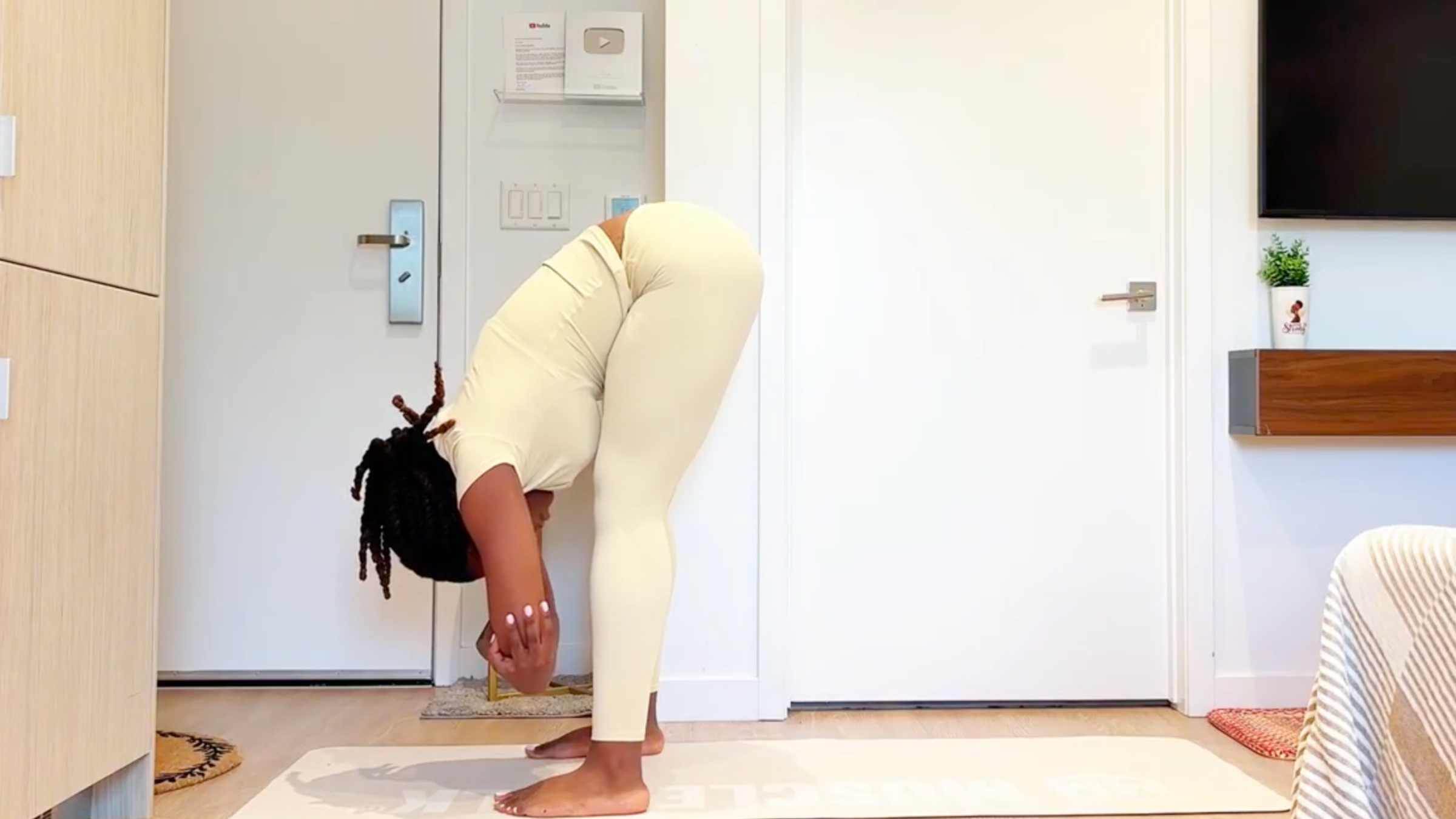
5. Rag Doll (Uttanasana Variation)
- The Movement: From Downward-Facing Dog, slowly walk your feet forward toward your hands. Keep your upper body entirely relaxed, letting your head hang heavy toward the floor. Loosely grasp opposite elbows with your hands and breathe deeply.
- The Purpose: Rag Doll utilizes gravity to release tension in the neck, shoulders, and spine. It offers an immediate sense of physical decompression, particularly beneficial for those who wake up feeling tight or heavy.
6. Squat / Garland Pose (Malasana)
- The Movement: From your forward fold, step your feet slightly wider than hip-width apart. Bend your knees deeply and lower your hips down between your heels into a low squat. Bring your hands together at your chest in a prayer position (anjali mudra), using your elbows to gently press your inner thighs outward. Hold for a few breaths before lowering down to a seated position on the mat.
- The Purpose: This deep hip opener combats the sedentary posture of sitting. It improves ankle mobility, opens the hips and groins, and grounds the practitioner’s energy downward.
7. Cross-Legged Forward Fold (Sukhasana Variation)
- The Movement: Sit comfortably on the mat with your legs crossed. Hinge forward from your hips, walking your hands out in front of you. Allow your head, neck, and chest to drape heavily over your crossed legs. Take several breaths, then slowly walk your hands back and roll your spine up to an upright seated position.
- The Purpose: Transitioning close to the floor allows for introspection. This fold calms the nervous system and encourages mental turning inward before facing the day’s external obligations.
8. Baby Backbend (Seated Anahata Awakening)
- The Movement: Remaining in your comfortable cross-legged seat, sweep your arms overhead. Lower them slightly and bend your elbows into a "cactus" or goalpost shape. Gently lift your chest forward, arch your upper back, and tilt your chin upward in a gentle seated backbend—reminiscent of the openness found in Cow Pose. To close the practice, bring your hands back to your chest in a prayer position, take one deep, cleansing breath, and release.
- The Purpose: The final shape opens the heart center and front body, instilling a sense of confidence, optimism, and emotional readiness as you officially step off the mat and into your day.
Supporting Data: The Morning Stress Paradox
Recent behavioral health studies highlight a growing crisis in modern morning habits:
- The Smartphone Habit: Over 65% of smartphone owners check their devices within five minutes of waking up. Research indicates that this immediate exposure to notifications, emails, and news spikes cortisol (the primary stress hormone) before the brain has fully transitioned out of delta and theta sleep waves.
- The Cost of Autopilot: Clinical psychologists note that starting the day in a state of cognitive reactivity reduces problem-solving capacity and emotional regulation for up to six hours following the initial trigger.
- Micro-Movements and Efficacy: Studies in somatic movement therapy demonstrate that even three to five minutes of intentional, breath-synchronized stretching can lower baseline muscle tension by up to 22%, significantly improving subjective feelings of calm and focus throughout the morning hours.
Official Responses and Expert Perspectives
Health and wellness professionals have increasingly vocalized concerns about the psychological toll of high-speed morning routines, advocating instead for sustainable micro-habits.
Dr. Elena Vance, a behavioral health researcher specializing in circadian rhythms and stress mitigation, emphasizes the neurological importance of reclaiming the first few minutes of the day:
"When you wake up and immediately grab your phone or sprint to a to-do list, you are essentially training your brain to treat your entire existence as an emergency. You are bypassing the parasympathetic nervous system entirely. Integrating a brief, five-minute movement practice like Ramoni Overton’s yoga flow acts as a physiological circuit breaker. It forces the body to communicate safety to the brain through breath and posture, fundamentally altering your neurological baseline for the hours ahead."
Yoga instructor and movement educator Ramoni Overton shares a similar philosophy regarding accessibility:
"People often fail to start a wellness routine because they think it has to look like an hour-long studio class or a grueling workout. But the most powerful wellness tool is often the smallest one. If you can dedicate five minutes to pouring back into yourself before you give your energy to the rest of the world, you reclaim your autonomy. You stop reacting to your morning and start authoring it."
Implications: Changing the Trajectory of Your Day
The implications of adopting a five-minute morning movement ritual extend far beyond physical flexibility. By deliberately choosing to interrupt the cultural norm of early-morning rushing, practitioners create a psychological buffer between themselves and their daily stressors.
When individuals substitute the frantic "swipe-and-stress" morning habit with intentional breath, spinal articulation, and mindful grounding, they cultivate a sense of agency that permeates professional performance, personal relationships, and overall emotional well-being. Ultimately, this short sequence demonstrates that mastering your morning does not require massive amounts of time or rigorous physical exertion—it simply requires a willingness to pause, breathe, and move with purpose.
