

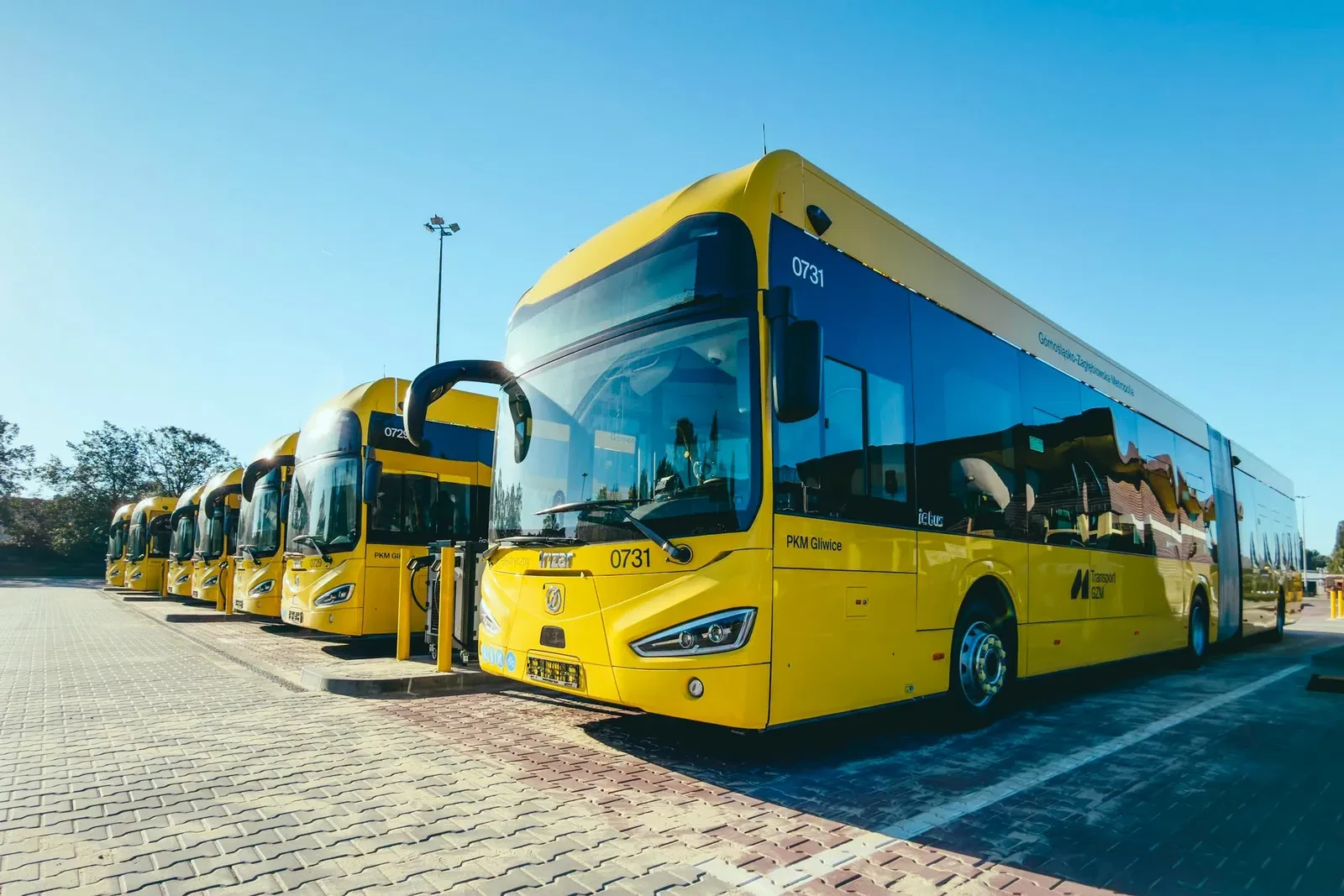
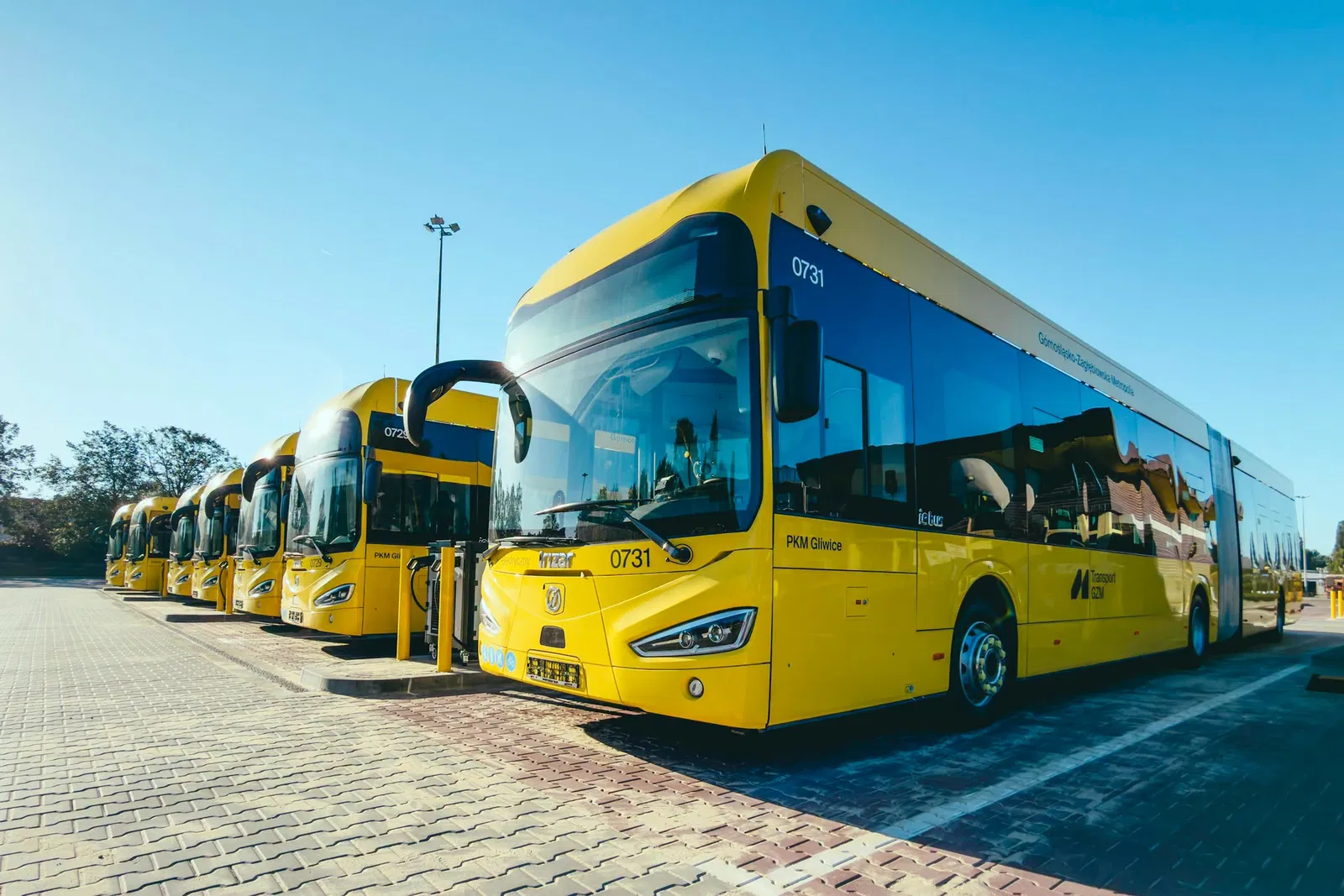
WARSAW, POLAND — In a major leap forward for European sustainable public transit, Spanish electric vehicle manufacturer Irizar e-mobility has successfully completed the delivery of 31 battery-electric buses to the Upper Silesian metropolitan area in Poland, known formally as Górnośląsko-Zagłębiowska Metropolia (GZM).
The roll-out, officially presented to the public following rigorous technical acceptances, forms the crown jewel of GZM’s expansive "Zielony Transport GZM" (Green Transport GZM) initiative. Backed by robust national funding and designed to displace legacy diesel fleets with state-of-the-art zero-emission alternatives, the project signals a structural shift in how Poland’s industrial heartland approaches urban mobility, air quality, and decarbonization.
Main Facts: The GZM and Irizar Deployment
The newly integrated fleet comprises 31 cutting-edge Irizar ie buses divided into two distinct configurations tailored to the precise operational demands of the region’s municipal transit networks. The deployment features:
- 16 Articulated 18-Meter Buses: Built for high-capacity trunk routes, predominantly absorbed by PKM Katowice (nine units) and PKM Gliwice (seven units).
- 15 Standard 12-Meter Buses: Deployed across medium-density corridors, distributed neatly between PKM Sosnowiec (eight units) and PKM Świerklaniec (seven units).
This strategic allocation empowers four distinct municipal operators within the GZM federation to gain hands-on, standardized operating experience with Irizar’s advanced electric platforms across diverse passenger loads and route topographies.
Beyond the vehicles themselves, the transaction represents a turnkey infrastructure project. Irizar supplied a comprehensive suite of 20 depot charging units along with all requisite electrical infrastructure for installation and commissioning. This hardware package includes:
- Eighteen dual 80-kW chargers
- One triple 120-kW charging unit
- One high-power 180-kW charger
Valued at PLN 133.7 million (approximately $36 million USD), the overarching endeavor is heavily subsidized by Poland’s National Recovery Plan, which accounts for over 91% of all eligible project costs. Furthermore, the contract embeds comprehensive warranty and post-warranty service frameworks, robust technical support provisions, and specialized operator training regimens to safeguard long-term fleet reliability.
Chronology of an Electric Transformation
The path to integrating these 31 buses into Poland’s complex transit web is the result of years of strategic planning, tender allocations, and multi-phased infrastructure rollouts.
The Foundation and Funding (2023–2025)
GZM’s ambitious path toward fleet decarbonization began taking concrete shape through the formulation of the Green Transport GZM program. Designed to drastically reduce particulate matter and greenhouse gas emissions across the Upper Silesian polycentric metropolitan area, the program secured substantial funding via Poland’s National Recovery Plan.
The Broad Polish Expansion (November 2025)
While GZM represents a cornerstone of Irizar’s recent successes, the milestone is part of a much broader commercial pivot by the Spanish manufacturer into the Polish market. In November 2025, Irizar announced a sweeping series of contracts encompassing a total of 80 electric buses destined for five separate Polish cities—including Warsaw, Kraków, Bielsko-Biała, and Nowy Sącz, alongside the GZM metropolitan order.
This announcement quickly translated into operational reality:
- Kraków: Adding 22 new 12-meter Irizar buses to complement a foundational fleet of four vehicles that have been in service since 2023.
- Bielsko-Biała: Commissioning 12 units of 12-meter electric buses.
- Nowy Sącz: Expanding its footprint with five compact 10-meter vehicles.
- Warsaw: Placing an initial order for 10 specialized 10-meter buses slated for late 2026 delivery, complete with an option for an additional 10 units. Notably, Warsaw’s vehicles will feature integrated rooftop solar panels generating over 1 kW of auxiliary power.
Technical Acceptance and Launch (Mid-2026)
Following the delivery phases, the 31 Irizar buses destined for GZM underwent rigorous technical inspection and certification during the early months of the year. By July, GZM officially unveiled the fleet to the public, marking the operational launch of the vehicles across Sosnowiec, Świerklaniec, Katowice, and Gliwice. This milestone was formally locked in by a contract amendment in April 2026, which consolidated the integration of the 19 depot charging units, the buses, and ongoing technical support services.
Supporting Data & Fleet Metrics
To fully contextualize the scope of GZM’s current transit evolution, one must examine the broader metrics governing the region’s green transition:
| Metric Category | Project Details / Statistics |
|---|---|
| Total Irizar Fleet Delivered to GZM | 31 battery-electric buses (16 articulated 18m, 15 standard 12m) |
| Financial Value (GZM-Irizar Contract) | PLN 133.7 million (~$36 million USD) |
| National Recovery Plan Subsidy | >91% of eligible costs covered |
| Charging Infrastructure | 20 depot chargers (18 x dual 80-kW, 1 x triple 120-kW, 1 x 180-kW) |
| Broader GZM NRP Electric Allocation | 73 total battery-electric buses (42 Solaris, 31 Irizar) + 45 chargers |
| Technological Diversification | 8 hydrogen fuel cell buses already operational (Hydrogen GZM project) |
| Upcoming Expansion Phases | 24 additional battery-electric buses + 16 chargers (Green Transport GZM next stage) |
The numbers illustrate a multi-pronged strategy. Rather than placing all its eggs in one basket, GZM is actively diversifying its zero-emission portfolio. Alongside battery-electric vehicles (BEVs) from both Irizar and domestic giant Solaris, the metropolitan area has already integrated eight hydrogen-powered fuel cell buses under its parallel Hydrogen GZM project. A subsequent phase of the Green Transport GZM program is already on the drawing board, targeting an additional 24 battery-electric buses and 16 new chargers.
Official Responses & Industry Perspectives
The convergence of European manufacturing prowess and Polish municipal ambition has drawn high praise from transit authorities, environmental analysts, and industry stakeholders alike.
Metropolitan leaders in Upper Silesia have repeatedly emphasized that the transition is not merely about swapping internal combustion engines for electric motors, but about redefining the quality of life for millions of urban residents. The industrial heritage of the region—historically defined by heavy coal mining, manufacturing, and the associated air quality challenges—makes the aggressive shift toward zero-emission public transport a powerful symbolic and practical milestone.
Industry observers note that Irizar’s success in securing these multi-city contracts signals a major shift in the European electric bus landscape. For years, domestic manufacturers like Solaris dominated the Polish market. By establishing a robust supply chain, competitive pricing backed by EU-aligned national recovery funds, and comprehensive after-sales support, Irizar has successfully cemented its status as a trusted Tier-1 supplier in one of the continent’s most competitive electric vehicle arenas.

Furthermore, the emphasis on turnkey solutions—bundling heavy electrical engineering, depot transformer setups, and intelligent charging infrastructure directly alongside vehicle delivery—has emerged as a best-practice blueprint for municipal transit authorities. Cities no longer wish to act as general contractors coordinating between independent bus builders and power grid operators; they demand integrated, ready-to-run ecosystems.
Broader Implications for Polish and European Mobility
The successful deployment of GZM’s 31 Irizar buses carries profound implications for the future of urban transport across Poland and the wider European Union.
1. Accelerating the Demise of Diesel in Central Europe
Poland has historically faced formidable hurdles in decarbonizing its transport sector due to a legacy dependence on fossil fuels and older municipal fleets. However, mechanisms like the National Recovery Plan, paired with stringent EU emissions targets, have triggered an unprecedented acceleration in fleet renewal. The transition of four distinct municipal operators in the Upper Silesian industrial basin proves that even complex, multi-operator regional networks can successfully execute large-scale electrification programs.
2. Standardization and Operational Synergy
By procuring vehicles from a single manufacturer across multiple depots and sizes (12-meter and 18-meter formats), GZM has optimized its maintenance, spare parts inventory, and driver training protocols. Mechanics across Sosnowiec, Świerklaniec, Katowice, and Gliwice can share troubleshooting data and operational insights, mitigating the steep learning curves typically associated with transitioning from diesel to high-voltage electric architectures.
3. A Blueprint for Multi-Technology Fleets
GZM’s simultaneous exploration of battery-electric vehicles (BEVs) and hydrogen fuel cell electric vehicles (FCEVs) provides valuable empirical data for the global transit sector. As cities grapple with the trade-offs between battery weight, range limitations, charging times, and hydrogen fuel infrastructure costs, GZM’s dual-track approach will serve as a valuable case study. While BEVs currently dominate high-frequency, depot-charged urban routes, the ongoing evaluation of hydrogen buses offers flexibility for longer or heavier duty cycles.
4. Economic and Industrial Spillover
For Irizar e-mobility, the consolidation of its Polish order book transforms the company from a sporadic exporter into a permanent fixture in Central and Eastern Europe. The deepening footprint—stretching from Kraków and Warsaw to Bielsko-Biała, Nowy Sącz, and GZM—guarantees long-term economic returns and establishes regional service hubs that can support future expansions.
Looking Ahead
As the dust settles on the launch of these 31 new electric buses, neither GZM nor its manufacturing partners are resting on their laurels. With the next wave of Green Transport GZM projects already slated to bring another 24 battery-electric buses to the region, and cities like Warsaw preparing to deploy solar-augmented fleets by late 2026, Poland’s public transit transformation is entering a mature phase. The focus has decisively shifted from experimental adoption to systemic normalization—paving the way for cleaner air, quieter streets, and a resilient, zero-emission future for millions of European commuters.
