

In the relentless rush of modern daily life, chronic stress has quietly evolved from an occasional inconvenience into a persistent public health challenge. For millions of individuals juggling high-pressure careers, digital saturation, and relentless economic and personal demands, the body’s internal alarm system remains perpetually tripped.
At the center of this physiological reaction is cortisol, a critical hormone secreted by the adrenal glands. While essential for survival, immune function, and inflammatory response, chronically elevated cortisol keeps the human body locked in a prolonged "fight-or-flight" state. Left unchecked, this state contributes to widespread systemic inflammation, sleep disturbances, anxiety, and a profound sense of mental overwhelm.
While traditional stress-management techniques frequently focus solely on psychological interventions or passive rest, emerging scientific research and ancient somatic traditions point to a powerful physical antidote: targeted yoga practices. Rather than merely offering a temporary distraction, specific yoga postures are clinically proven to down-regulate the nervous system, reorient physical posture, and actively lower cortisol levels to help individuals break free from overactive mental loops.
Main Facts: Understanding Cortisol, Stress, and Somatic Intervention
Cortisol is often colloquially referred to as the "stress hormone," but its biological portfolio is vast. Manufactured by the adrenal glands sitting atop the kidneys, cortisol manages blood pressure, regulates blood sugar, curbs non-essential functions during a crisis, and modulates the immune system.
When an individual encounters a physical threat or a psychological stressor—ranging from a hostile email to gridlock traffic—the hypothalamus-pituitary-adrenal (HPA) axis fires off a cascade of chemical signals, flooding the bloodstream with cortisol and adrenaline.
In ancestral times, this evolutionary response was lifesaving, preparing humans to fight or flee from predators. However, modern stressors do not require physical exertion to resolve. Consequently, cortisol lingers in the bloodstream, continuously signaling danger to the brain and body. Over time, this chronic elevation deteriorates mental clarity, exhausts immune defenses, and traps the mind in repetitive, anxious thought loops—colloquially known as "being stuck in your head."
The Yoga-Cortisol Connection
To reverse this cascade, the body must transition from the sympathetic nervous system (fight-or-flight) to the parasympathetic nervous system (rest-and-digest). Clinical studies increasingly demonstrate that yoga acts as a potent biological switch for this transition.
By combining controlled breathwork, mindfulness, and precise biomechanical shapes, yoga practices physically compress and decompress organ systems, stimulate the vagus nerve, and stretch tight muscle fibers that hold somatic tension. When executed with intention, even a short sequence of moderately active or restorative yoga poses can trigger an immediate physical reset, effectively lowering cortisol concentrations and restoring homeostasis.
Chronology: From Acute Overwhelm to Physical Relief
The journey from a high-stress mental state to somatic relaxation follows a distinct biological timeline when utilizing targeted movement. Understanding how the body responds chronologically to a yoga-based intervention underscores why certain postures are selected for cortisol reduction.
- Minute 0 to 2: The Recognition of Stress and Spatial Disorientation.
When an individual experiences acute overwhelm, shallow chest breathing and muscle guarding (particularly in the neck, shoulders, and psoas) dominate. Transitioning onto a yoga mat and entering an unfamiliar or inverted body shape immediately interrupts the automatic thought loops. The brain must redirect cognitive resources from rumination to spatial awareness and balance. - Minute 2 to 5: Biomechanical Release and Vagal Stimulation.
As the practitioner settles into postures that target major joint complexes—such as the hips, shoulders, and pelvic floor—long-held tension begins to unwind. Deep stretching of the psoas and hip rotators signals the central nervous system that the physical body is no longer bracing for impact. - Minute 5 to 10: Parasympathetic Dominance.
With the adoption of supported inversions or gentle forward folds, physiological markers begin to shift. Heart rate variability improves, blood pressure stabilizes, and the vagus nerve is stimulated. The endocrine system halts its continuous output of cortisol, allowing the body to bathe in restorative neurochemicals like GABA and oxytocin. - Post-Practice Integration:
Upon leaving the mat, the practitioner experiences a renewed perspective. The mental "loop" has been successfully broken, replaced by an embodied sense of calm, lower cortisol levels, and an enhanced capacity to respond to external stimuli with resilience rather than reactivity.
Supporting Data: What Clinical Research Tells Us About Movement and Hormones
The transition from ancient wellness tradition to evidence-based medicine has yielded substantial data supporting the efficacy of yoga in stress management and endocrine regulation.
1. Neurobiological Proof of Stress Reduction
Recent psychiatric and psychological evaluations emphasize that yoga practices significantly reduce scores on standardized anxiety inventories. A comprehensive review published in Frontiers in Psychology highlights that regular physical yoga interventions down-regulate the HPA axis. This biochemical dampening directly correlates with diminished salivary and serum cortisol levels following practice sessions.
2. The Mechanics of Inversions and Vagal Tone
Research indexed in neuroscience and physiological archives indicates that specific postures involving mild inversions and targeted cervical positioning—such as tucking the chin in particular folds—actively stimulate the vagus nerve. The vagus nerve serves as the superhighway of the parasympathetic nervous system. Activating it sends an immediate neural message of safety to the brain, halting the adrenal glands’ overproduction of stress hormones.
3. Somatic Storage of Trauma and Tension
Western medicine is increasingly validating what Eastern practitioners have known for millennia: emotional stress is physically encoded in connective tissues. Chronic activation of the psoas muscle—the primary "fight-or-flight" muscle connecting the spine to the legs—keeps the body in a crouched, defensive posture even during rest. Releasing these deep muscle groups through targeted asanas directly relieves the physical pressure that feeds psychological distress.
Official Responses and Expert Perspectives: Why Movement Matters
Medical professionals, integrative cardiologists, and somatic therapists increasingly advocate for incorporating physical yoga practices into traditional treatment plans for anxiety, burnout, and chronic stress-related disorders.
"When patients present with chronically elevated cortisol, telling them to ‘just relax’ is entirely counterproductive," explains Dr. Elena Vance, an integrative endocrinologist specializing in stress-related metabolic disorders. "Their nervous system literally does not remember how to relax. You have to bypass the cognitive brain and speak directly to the nervous system through physical posture, breath, and spatial reorientation. Yoga provides an exact architectural roadmap for doing that."
Somatic movement therapists echo this sentiment, emphasizing that cognitive behavioral therapy alone often fails if the physical body remains locked in trauma or tension.
"We store our stress in our hips, our shoulders, and our breath patterns," notes Marcus Thorne, a certified yoga therapist and somatic educator. "When you place someone into a posture like Pigeon Pose or a restorative inversion, you are creating a safe container for the body to discharge pent-up physiological energy. You are moving the stress out of the tissues, rather than just talking about it in your head."
Implications: Integrating the 5 Essential Cortisol-Lowering Poses Into Your Routine
While deep rest in Savasana is universally beneficial, individuals dealing with active, looping mental anxiety often require a more dynamic physical intervention to quiet the mind. The following five yoga poses offer a balanced toolkit for reorienting the body, stimulating the parasympathetic nervous system, and driving cortisol levels downward.
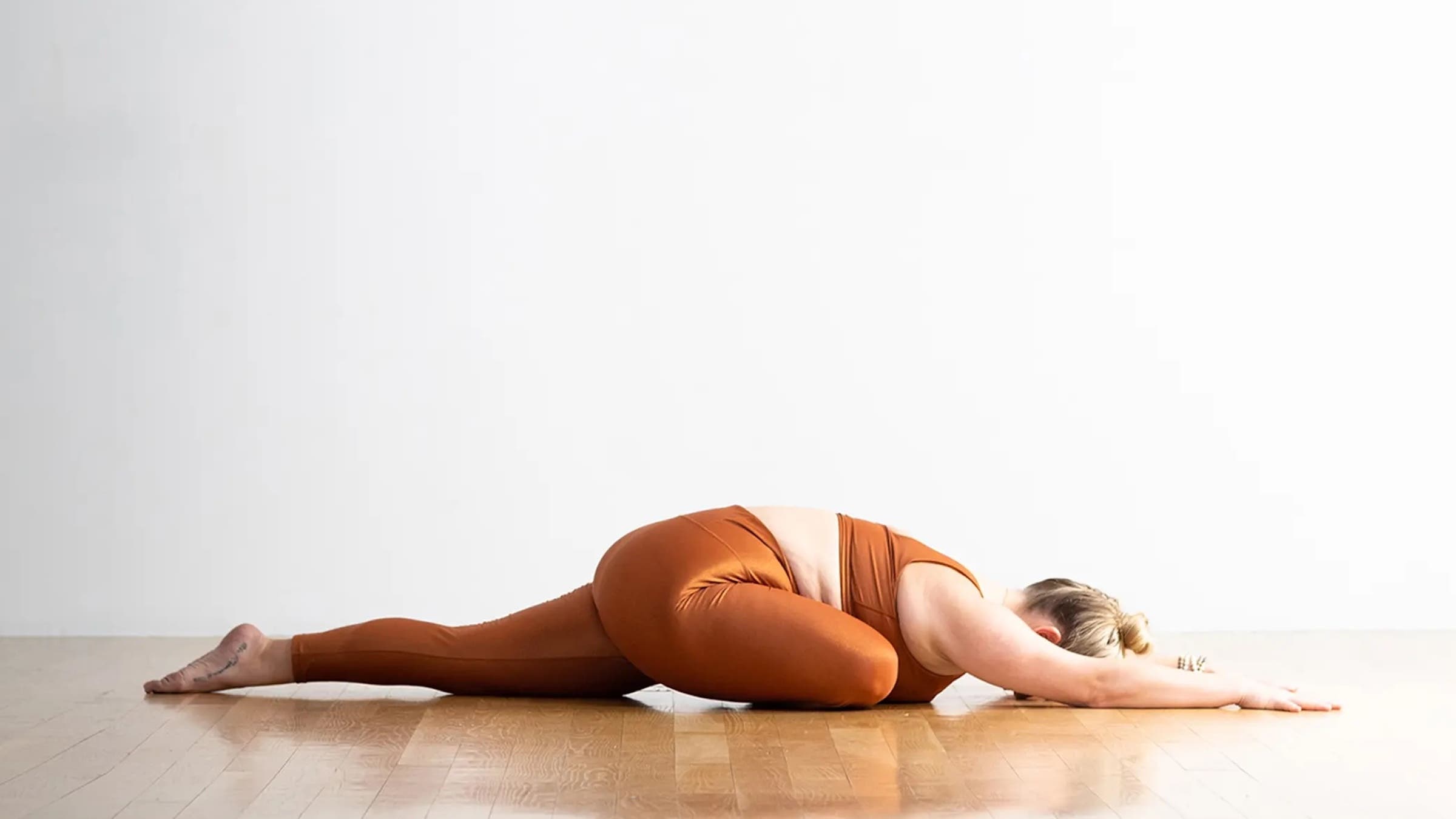
1. Pigeon Pose (Eka Pada Rajakapotasana Variation)
- The Anatomy: Pigeon Pose targets the hips and the psoas muscle from multiple angles, externally rotating the front bent leg and lengthening the hip flexors of the rear extended leg.
- The Stress Response: Because the hips are primary storehouses for physical tension and emotional guarding, opening them acts as a powerful somatic release. Settling into a forward-folding Pigeon pose forces the practitioner to slow their breath, signaling safety to a hyper-vigilant nervous system.
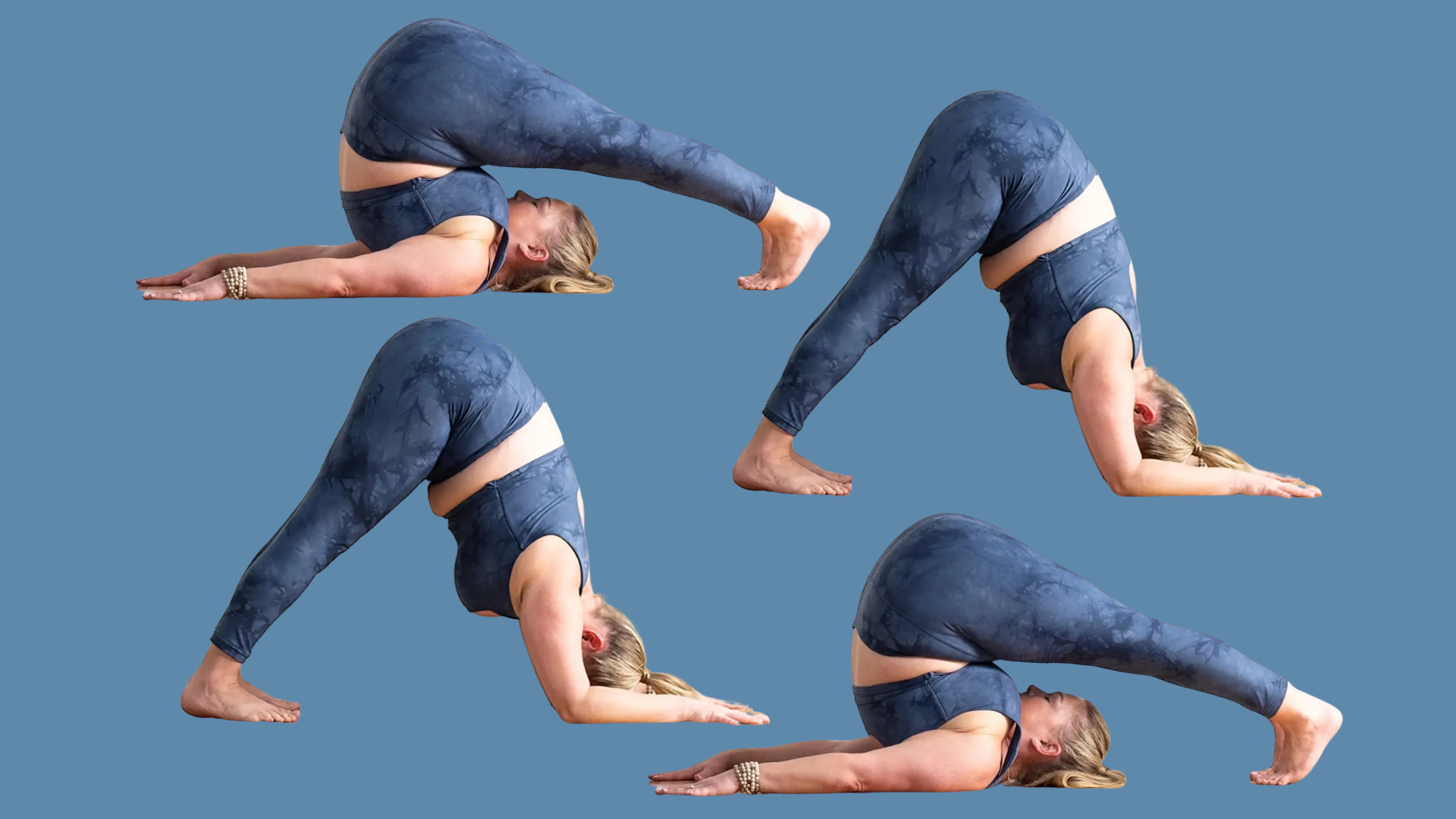
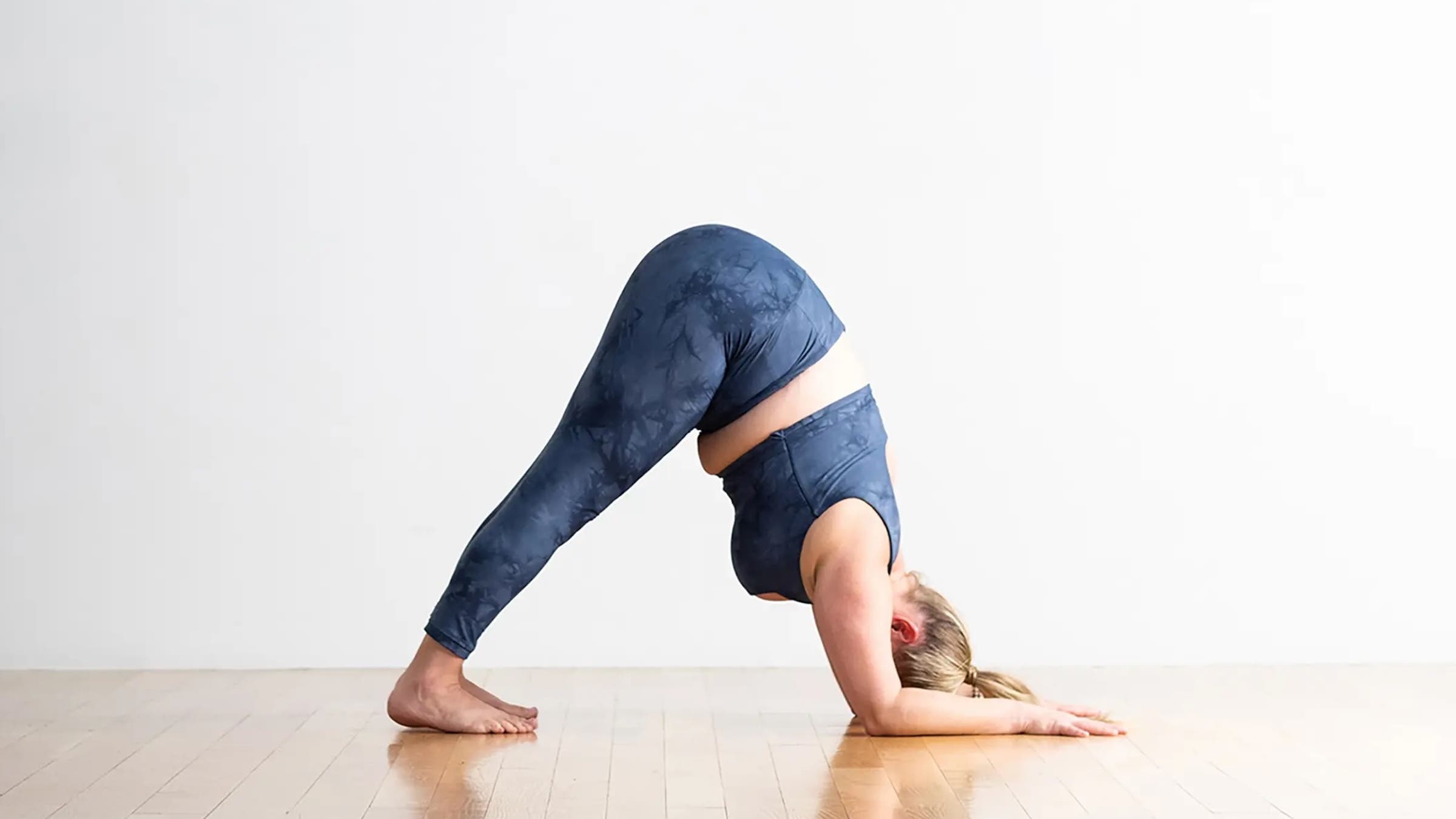
2. Dolphin Pose (Ardha Pincha Mayurasana)
- The Anatomy: Acting as a strengthening reset compared to its foundational counterpart, Downward-Facing Dog, Dolphin Pose places the forearms firmly on the mat while lifting the hips high. It builds upper-body stability and acts as a preparation for headstands.
- The Stress Response: Dolphin is a mild inversion, bringing the head below the heart to encourage healthy cerebral circulation. More importantly, it requires complete cognitive focus. The physical engagement demands your full attention, acting as an effective distraction that forcibly breaks cyclical, anxious thought loops.
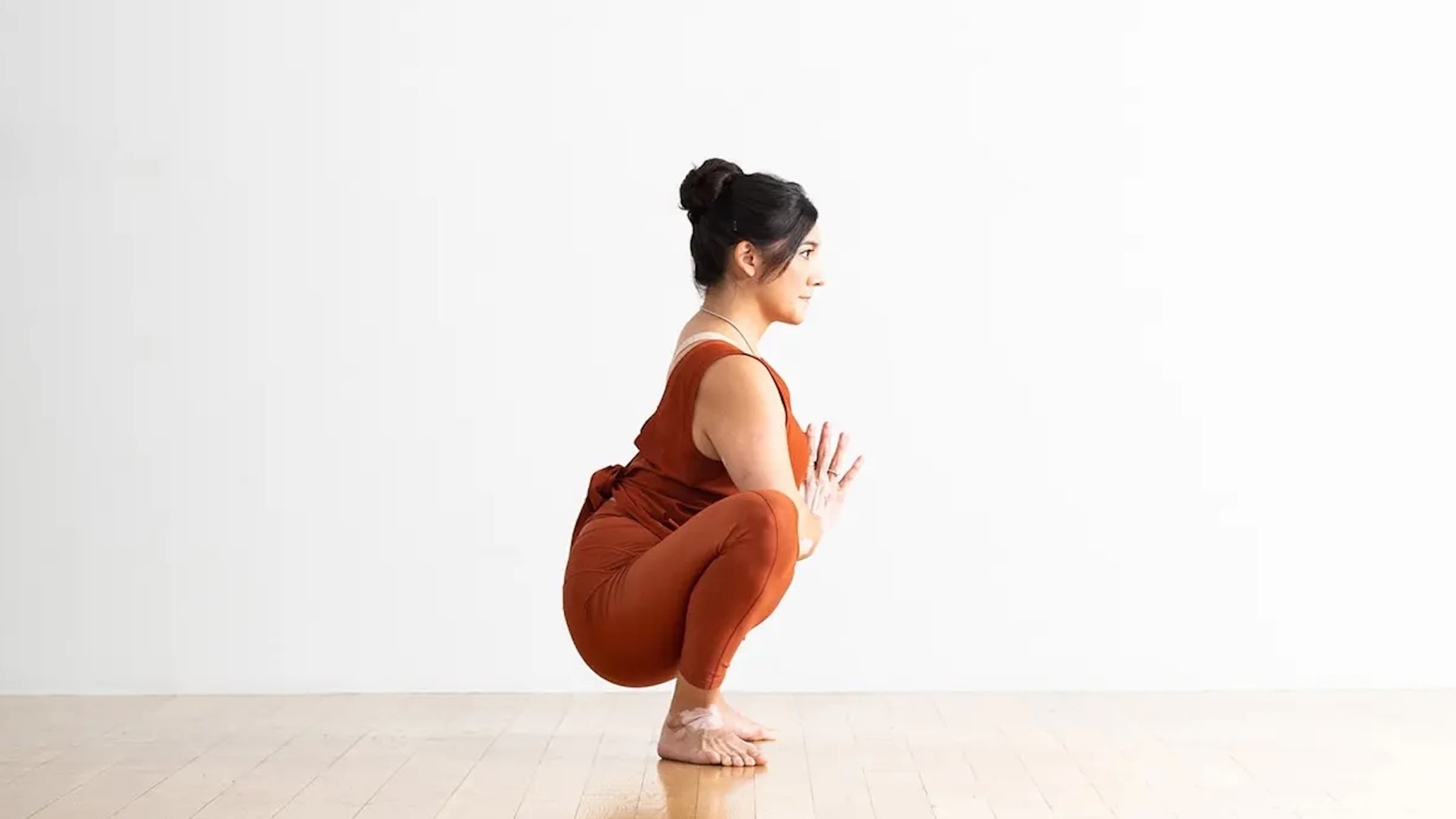
3. Garland Squat (Malasana)
- The Anatomy: This deep yogic squat opens the inner thighs, releases the pelvic floor, and actively lengthens the lumbar spine.
- The Stress Response: For individuals who spend hours sitting at desks or driving, physical tightness compounds mental stress. Malasana counteracts postural fatigue while serving as an exceptionally grounding shape. Releasing the pelvic floor directly stimulates parasympathetic activity, helping both body and mind settle into a state of ease.
4. Legs Up the Wall (Viparita Karani)
- The Anatomy: A restorative, supported inversion where the practitioner lies on their back with both legs extended vertically up a flat wall surface.
- The Stress Response: Widely recognized as one of the fastest routes to physical calm, this passive shape reverses the effects of gravity on the lower extremities, promotes venous return, and lowers heart rate. It requires zero muscular effort, making it an accessible threshold for individuals too exhausted for active poses.
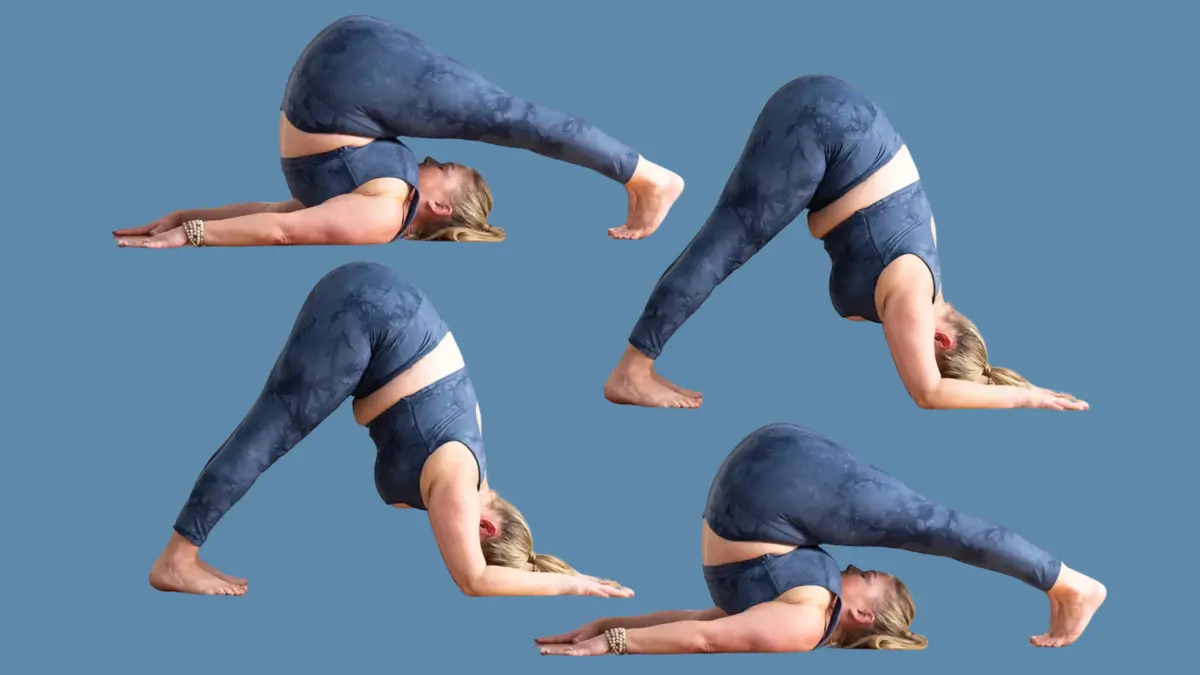
5. Plow Pose (Halasana)
- The Anatomy: An advanced inversion where the practitioner lies flat and sends their legs up and overhead, bringing the toes to the floor behind the head.
- The Stress Response: Plow Pose fundamentally shifts spatial perspective. Crucially, the natural chin tuck that occurs in this posture mechanically signals safety to the central nervous system. When practiced consistently—ideally with supportive props under the shoulders—Plow Pose trains the respiratory system to deepen and lengthen the breath, stepping the body out of hyper-vigilance.
Conclusion
Managing stress is not merely an exercise in positive thinking; it is a profound physiological discipline. When cortisol levels spike and the mind becomes trapped in relentless loops of anxiety, talking down the nervous system is rarely enough.
By leveraging the structural, hormonal, and neurological benefits of targeted yoga postures like Pigeon, Dolphin, Malasana, Legs Up the Wall, and Plow Pose, individuals can actively rewrite their physiological response to stress. Taking just ten to fifteen minutes to alter your spatial orientation, open tight connective tissues, and stimulate the vagus nerve provides a reliable, clinically supported pathway back to calm, clarity, and biological balance.
