

Long relegated to the bruised, squished bottom of school-day bagged lunches, the humble banana has experienced a meteoric cultural glow-up. Overnight, the world’s most portable yellow fruit has transformed into a bona fide social media darling and a powerhouse in the global food and beverage industry.
Fuelled in part by the massive global influence of K-pop culture—specifically the craze surrounding Korean banana milk—the flavor profile is suddenly everywhere. From Starbucks banana protein cold foam to limited-edition seasonal candies and viral TikTok banana-matcha recipes, consumers are going wild for the fruit.
Yet, as the internet floods with food trends, mixed nutritional messages have inevitably followed. Amid the hype, many health-conscious consumers are asking a fundamental question: Are bananas actually good for you?
According to registered dietitians and modern nutritional science, the answer is a resounding yes. Beyond their sweet taste and culinary versatility, bananas are packed with essential dietary fiber, heart-healthy potassium, and powerful antioxidants. Unlike refined sugars found in processed foods—which can wreak havoc on metabolic health—the natural sugars in bananas are bundled with vital micronutrients and protective plant compounds.
Main Facts: Nutritional Anatomy of the Modern Banana
To understand why the banana has endured as a dietary staple, one must look at what is actually packed inside the peel. A standard medium ripe or slightly ripe banana (roughly 100 grams) contains a dense matrix of vitamins and minerals:
- Calories: 98
- Protein: 0.74 g
- Fat: 0.29 g
- Carbohydrates: 23 g
- Dietary Fiber: 1.7 g
- Total Sugars: 15.8 g
- Potassium: 326 mg
- Magnesium: 28 mg
- Folate: 14 mcg
- Vitamin B6: 0.209 mg
- Vitamin C: 12.3 mg
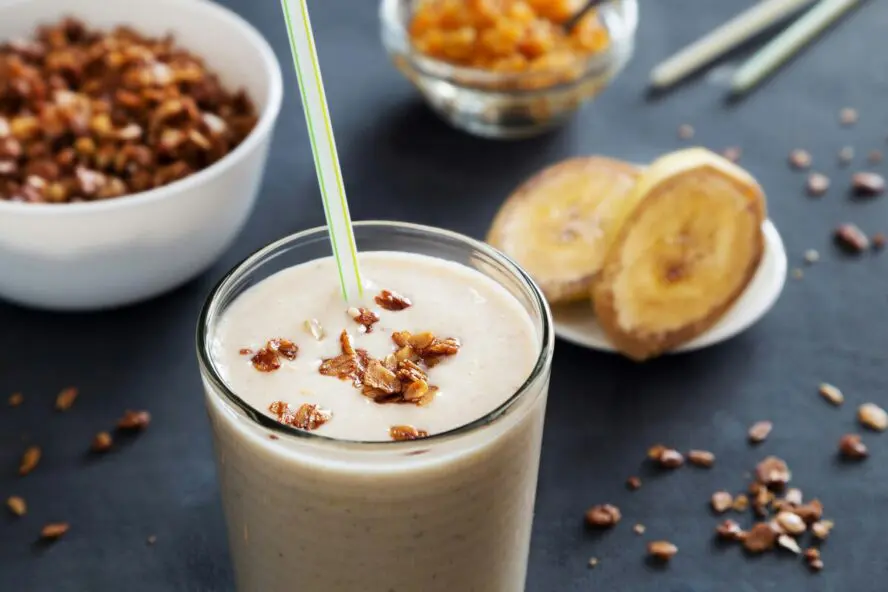
This nutrient-dense profile makes the fruit exceptionally easy on the digestive tract, a satisfying alternative to heavy, sugar-laden desserts like ice cream, and a seamless nutrient booster for morning smoothies. But what do these numbers actually mean for your day-to-day wellness?
Chronology of a Superfood: From Tropical Staple to Viral Sensation
The modern journey of the banana is a fascinating study in globalization, culinary evolution, and digital marketing.
- Pre-History to Trade Era: Originating in Southeast Asia and the South Pacific, bananas were domesticated thousands of years ago. They eventually became a cornerstone crop in tropical regions worldwide, before 19th-century shipping innovations turned them into one of the first globally traded perishable fruits.
- The Mid-to-Late 20th Century: Bananas cemented themselves in Western households as the ultimate convenience food—cheap, pre-packaged by nature, and universally accessible. However, they were often viewed strictly as basic fuel for athletes or bland components of the pediatric BRAT diet (Bananas, Rice, Applesauce, and Toast).
- The 2020s Social Media Boom: Driven by short-form video platforms like TikTok and Instagram, functional foods took center stage. Bananas shed their mundane reputation. Global culinary trends—such as the viral obsession with Korean banana milk and artisanal coffee shops offering banana-infused cold foams—propelled the fruit back into the spotlight.
- Present Day: Consumers are increasingly evaluating the fruit not just as a nostalgic comfort food, but as a functional wellness tool. Researchers and dietitians are spotlighting everything from its sleep-promoting properties to the hidden benefits of its oft-discarded peel.
Supporting Data: A Nutrient-by-Nutrient Health Breakdown
1. Potassium and Cardiovascular Health
Ask anyone what bananas are good for, and they will almost certainly mention potassium. This vital electrolyte is crucial for maintaining normal blood pressure, supporting smooth muscle contractions, and regulating fluid balance throughout the body.
Recent clinical investigations highlight the fruit’s protective capabilities. A 2024 study tracking fruit intake and health outcomes revealed that moderate consumption of apples and bananas (roughly three to six times per week) correlated with a reduced risk of all-cause mortality among individuals with hypertension. Furthermore, a comprehensive 2023 review confirmed that the antioxidant compounds found within bananas actively support long-term cardiovascular health.
Adequate potassium is also necessary to prevent hypokalemia (potassium deficiency), which manifests as uncomfortable muscle spasms, cramps, and persistent fatigue.
2. Fiber, Resistant Starch, and Gut Health
The dietary fiber in bananas does wonders for the gastrointestinal tract. Ripe bananas contain pectin—a soluble fiber that dissolves in water and forms a gel-like substance in the gut, helping to normalize bowel movements and ease the passage of waste.
Additionally, bananas act as powerful prebiotics. They contain fructooligosaccharides (FOS) and resistant starch (RS), which stimulate the growth of beneficial gut bacteria such as Bifidobacteria.
3. Magnesium, Tryptophan, and Sleep Quality
For those struggling with insomnia, a banana before bed might be the ultimate natural remedy. Bananas offer a moderate dose of magnesium—supplying roughly 10% of the recommended daily value—which helps relax skeletal muscles and calm the central nervous system.
They also contain tryptophan, an essential amino acid that the body converts into serotonin and melatonin. A landmark 2024 study examining the effects of a pre-sleep banana found that participants who consumed a ripened banana before bed demonstrated noticeably improved sleep quality index scores. Researchers hypothesize that the natural sugars prompt a mild insulin release, allowing tryptophan to successfully cross the blood-brain barrier for optimized melatonin synthesis.
4. Vitamin B6 and Cellular Energy
A single medium banana provides roughly 25% of your recommended daily intake of Vitamin B6. This water-soluble vitamin acts as an antioxidant and plays a critical catalytic role in breaking down carbohydrates, lipids, and proteins into usable cellular energy. Regular consumption ensures your metabolism efficiently unlocks fuel from your meals while helping to suppress systemic inflammation.
Green vs. Ripe: Does Ripeness Change the Benefits?
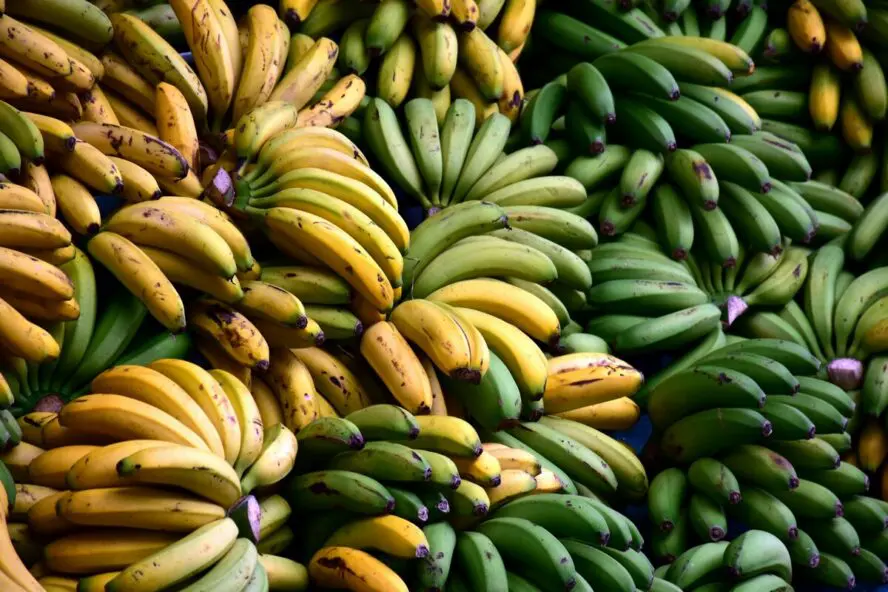
While the core nutritional profile remains largely stable as a banana matures, its physical and digestive properties shift significantly due to changes in resistant starch (RS) content.
- Unripe (Green) Bananas: These boast some of the highest concentrations of resistant starch found in whole foods. Because RS resists digestion in the small intestine and ferments in the colon, it feeds healthy gut microbes and produces short-chain fatty acids (SCFAs) like butyrate. Butyrate helps reduce colon inflammation and preserves intestinal integrity. Green bananas are thus exceptional for blood sugar control and preventing constipation.
- Ripe (Yellow/Speckled) Bananas: As a banana ripens, starches convert into simple sugars (fructose and glucose), making the fruit sweeter and easier to digest. However, individuals with fructose malabsorption or Irritable Bowel Syndrome (IBS) may find fully ripe bananas harder on the stomach, making firmer, less ripe varieties a safer choice.
Official Guidelines: Who Should Be Cautious, and How Many to Eat?
Despite their dense nutrient profile, moderation remains key. Registered dietitians generally recommend consuming three to six bananas per week to enjoy their benefits while leaving ample room for a diverse diet rich in other fruits and vegetables.
Medical Exceptions: Kidney Disease
Individuals diagnosed with chronic kidney disease must treat this range as a strict ceiling. Because damaged kidneys struggle to filter excess minerals, high-potassium foods like bananas can trigger hyperkalemia—a dangerous accumulation of potassium in the blood that can impact heart rhythm. Anyone managing renal issues should consult their healthcare provider to establish a personalized potassium threshold.
Diabetes Management
Concerns about sugar content often lead diabetics to avoid bananas. However, bananas possess a glycemic index (GI) score of roughly 55, placing them in the "medium" category. This indicates a moderate, controlled effect on blood glucose levels. Consequently, the American Diabetes Association recognizes bananas as an appropriate fruit to include within a balanced, diabetes-friendly meal plan.
Implications: The Ethics of Cultivation, Organic Choices, and the Peel Paradox
Beyond individual nutrition, broader ecological and ethical questions surround the banana industry.
Are Organic Bananas Worth It?
If you worry about pesticide exposure, you can breathe easy: conventionally grown bananas regularly land a spot on the Environmental Working Group’s (EWG) "Clean Fifteen" list. Because the thick, fibrous peel acts as an impenetrable barrier, chemical residues rarely reach the edible flesh inside.
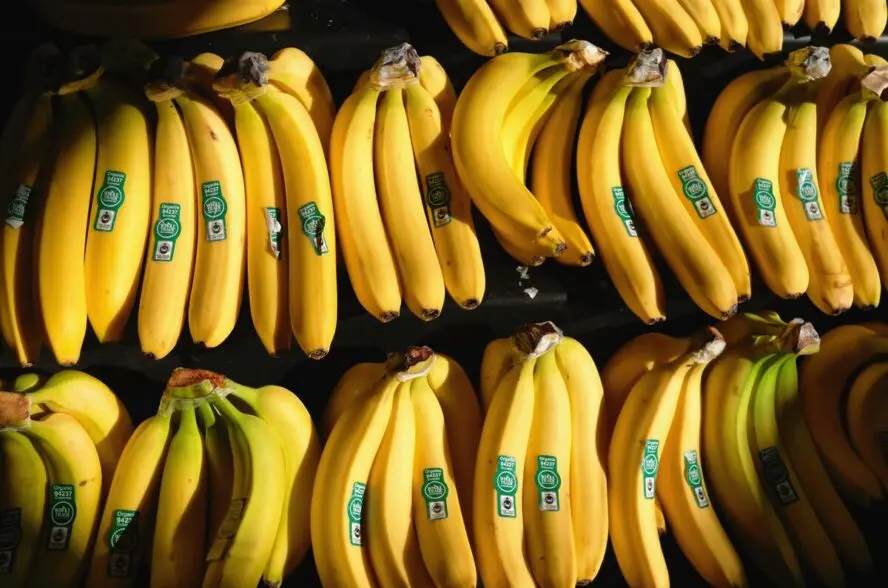
However, choosing organic or Fairtrade bananas carries profound ethical implications. Conventional industrial banana farming exposes agricultural workers to heavy pesticide loads, which can cause chronic skin irritation, respiratory issues, and long-term systemic health problems. Fairtrade certifications ensure that farmers receive a guaranteed minimum price, safeguard worker rights, and fund community health and education programs. Buying certified bananas directly supports improved labor and environmental standards across the supply chain.
The Rise of the Banana Peel
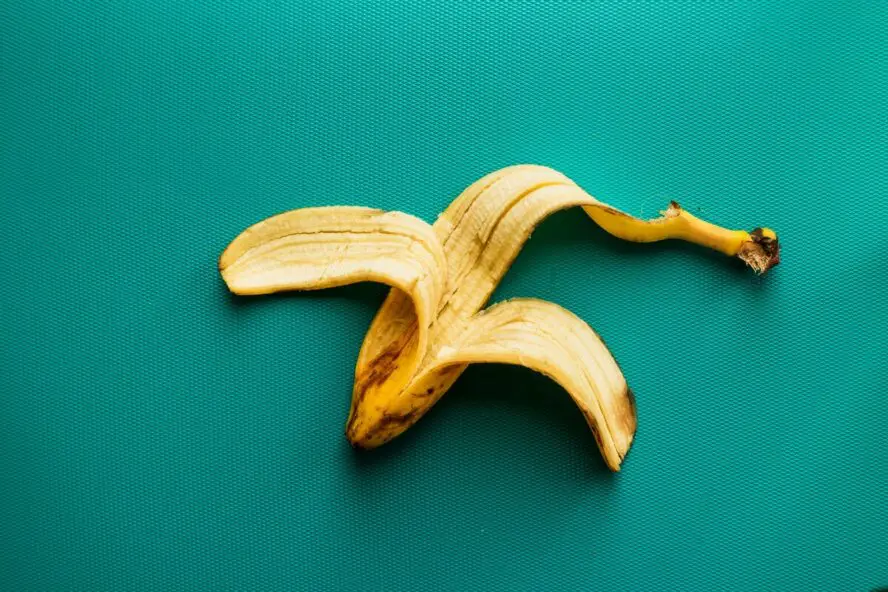
In an era focused on minimizing food waste, researchers have turned their attention to the banana peel. Surprisingly edible, the peel is packed with concentrated fiber and antioxidant compounds. While its grainy texture makes eating it raw a challenge, washing it thoroughly and blending ripe peels directly into smoothies offers an effortless nutrient boost. Scientific literature increasingly points to banana peel extracts as rich sources of anti-inflammatory, neuroprotective, and skin-rejuvenating compounds capable of managing everything from acne to hyperpigmentation.
Frequently Asked Questions
- How many bananas should I eat a day?
Most healthy adults can comfortably enjoy one to two bananas daily. Individuals with chronic kidney disease should limit this to half a banana or consult their nephrologist. - Do bananas cause constipation or prevent it?
Despite their historical role in the binding BRAT diet, bananas actually prevent constipation. Their generous supply of soluble fiber and resistant starch helps promote regular, healthy bowel movements. - Can you eat banana peels?
Yes. Ripe banana peels can be blended into smoothies for an extra kick of fiber and antioxidants. Always wash them thoroughly to remove surface residue. - Are bananas radioactive?
Technically, yes! Bananas contain natural potassium, a tiny fraction (0.01%) of which is the radioactive isotope potassium-40. This emits a negligible amount of radiation known as a "banana equivalent dose" (BED). It is entirely harmless and does not accumulate in human tissue.
The Bottom Line
Bananas have rightfully earned their place at the center of the modern wellness conversation. Nutrient-dense, highly portable, and remarkably versatile, they offer scientifically proven benefits ranging from enhanced cardiovascular health and improved digestion to better sleep quality. Whether sliced over morning yogurt, baked into grain-free bread, or blended into a post-workout smoothie, this vibrant yellow fruit proves that you don’t need expensive superfoods to dramatically upgrade your daily nutrition.
