

September 8, 2026
By the Editorial Staff
(Photos by Michael Burke | Design by Laura Harold)
Main Facts: The Overlooked Anatomy of the Lateral Body
Modern human movement is overwhelmingly linear. From the moment we wake up to the time we fall asleep, our daily routines—walking down sidewalks, sitting at office desks, driving automobiles, and staring at glowing screens—require forward-facing engagement. Rarely does modern life demand that we lean far to the left or right for sustained periods.
Consequently, the muscles framing the lateral torso—the obliques, intercostals, quadratus lumborum, and the myriad stabilizers surrounding the rib cage—frequently go underutilized and under-stretched. This chronic neglect manifests physically as tightness during deep breathing, sudden cramps when reaching awkwardly into the back seat of a vehicle, and a general constriction of posture.
To combat this widespread physical oversight, a growing segment of movement specialists and yoga instructors are advocating for targeted lateral mobility routines. By intentionally opening up the "side body," practitioners report not only enhanced physical flexibility and deeper respiratory capacity, but also a renewed somatic awareness. On the mat, tending to neglected muscle groups often serves as a metaphor for addressing the parts of life we have unconsciously pushed aside.
Chronology: The Evolution of Modern Sedentary Posture and Lateral Deconditioning
To understand why the side body requires specialized intervention today, one must examine the rapid evolution of human lifestyle over the past century:
- The Pre-Industrial Baseline: Historically, human labor and survival required dynamic, multi-planar movements. Harvesting crops, building shelters, and hauling goods involved twisting, bending, reaching, and heavy lateral stabilization. The side body was naturally and continuously conditioned through daily survival tasks.
- The Rise of the Industrial Desk Job (Mid-20th Century): As economies shifted from agrarian and manual labor to office-based environments, the human body was introduced to prolonged sitting. Ergonomic setups were designed primarily to support the spine in a vertical, forward-facing orientation, virtually eliminating lateral challenges to the musculoskeletal system.
- The Digital Age and Micro-Mobility (2000s–Present): The proliferation of smartphones, tablets, and remote work environments further concentrated human movement into a narrow, forward-hunched corridor. The physical workspace shrank to the dimensions of a laptop screen, locking the intercostal muscles—which expand and contract with every breath—into a state of chronic, low-grade compression.
- The Contemporary Corrective Movement (2026): Wellness platforms and physical therapists have begun emphasizing "multi-planar mobility." Rather than focusing solely on traditional strength training or forward folds, current wellness regimens increasingly target the lateral lines of the body to counteract the degenerative effects of prolonged sitting.
Supporting Data: The Impact of Lateral Restrictions on Health and Well-Being
While comprehensive epidemiological studies specifically tracking "oblique and intercostal neglect" are rare, sports medicine and respiratory data provide clear insights into the systemic effects of lateral torso restriction:
- Respiratory Efficiency: The intercostal muscles (located between the ribs) are responsible for expanding and contracting the chest cavity during breathing. Clinical observations show that when these muscles are tight or compressed due to poor posture, vital lung capacity can be reduced by up to 15–20%, leading to shallower breathing and increased physiological stress responses.
- Spinal Alignment and Low Back Pain: The quadratus lumborum (QL) and obliques act as crucial stabilizers for the lumbar spine. According to orthopedic physical therapy data, imbalances or tightness in these lateral stabilizers are implicated in nearly 35% of non-specific chronic lower back pain cases.
- The Cost of Immobility: Ergonomic studies indicate that the average office worker spends over 9 hours a day seated, predominantly in a forward-facing posture. Without intentional side-bending exercises, the fascial tissue surrounding the rib cage undergoes structural remodeling, becoming rigid and less pliable over time.
Official Responses and Expert Insights: The Movement Perspective
Kinesiologists, yoga therapists, and somatic educators have long argued that physical health cannot be achieved through linear movement alone.
"We tend to treat the body as if it only moves forward and backward," notes physical therapist and movement researcher Dr. Elena Vance. "When a patient comes in with unexplained rib soreness or difficulty taking a full breath, we often find that their lateral lines—from the outer hip up through the armpit—are completely locked up. They simply haven’t asked those tissues to lengthen in years."
Yoga instructors emphasize that side-body stretching is unique because it forces an encounter with the breath in compressed spaces. Unlike hamstring or hip flexor stretches, which are common staples in fitness routines, lateral stretches directly influence the rib cage.
"When you breathe into a side bend, you are quite literally massaging your lungs from the inside out," explains senior yoga educator Marcus Thorne. "People are so accustomed to ignoring the sides of their bodies that when they finally stretch them, the emotional and physical release can be profound. It wakes up the nervous system."
Implications: Integrating Lateral Mobility Into Daily Life
The implications of adopting a regular side-body stretching practice extend far beyond the yoga mat. Restoring flexibility to the obliques and intercostals triggers a cascading series of physical and mental benefits:
1. Enhanced Respiratory Function
By de-stiffening the rib cage, individuals naturally transition from shallow, upper-chest breathing to deeper, more expansive diaphragmatic breathing. This shift stimulates the vagus nerve, helping to lower heart rates and mitigate daily anxiety.
2. Injury Prevention in Daily Activities
The sharp, unexpected pain of a pulled muscle while reaching for an item in the backseat or twisting to turn off an alarm is often the result of sudden demands placed on unconditioned lateral tissue. Regular practice prepares these muscles to absorb unexpected loads safely.
3. Psychological and Somatic Awareness
As noted by mindfulness practitioners, physical tension is frequently mirrored by mental inflexibility. Deliberately turning attention to the "sides" of the physical form often serves as a meditative prompt to re-examine neglected aspects of one’s personal and professional life.
A Short Guided Yoga Sequence to Restore Your Side Body
To help bridge the gap between sedentary habits and optimal lateral mobility, practitioners can utilize a targeted, accessible yoga sequence. Each pose should be held for approximately one minute, or as long as feels comfortable. Practitioners are encouraged to breathe deeply into both the stretching and compressed sides of the torso. For those with sensitive joints, a folded blanket or doubled yoga mat can provide necessary padding.
1. Child’s Pose With a Side Bend
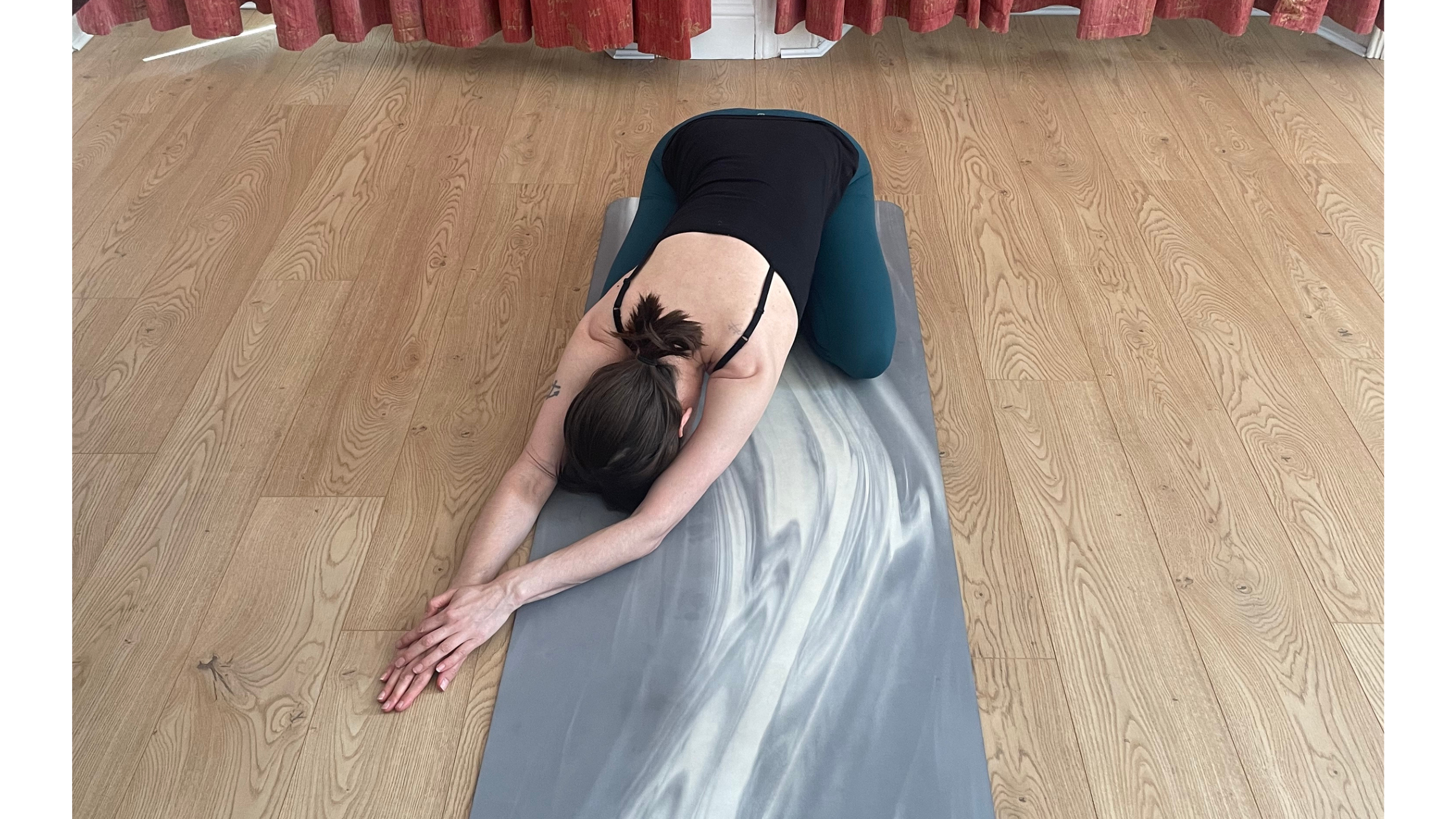
Begin on hands and knees with knees spaced slightly wider than the hips and big toes touching. Sink the hips back toward the heels and walk the hands forward, lowering the forehead to the mat or a supportive block. Take a few grounding breaths, then walk both hands over to the left side of the mat. For an intensified stretch, place the right hand directly on top of the left. Direct your breath into the right side of the rib cage. Hold for several breaths before reversing the movement to the right side.
2. Low Lunge With a Side Bend
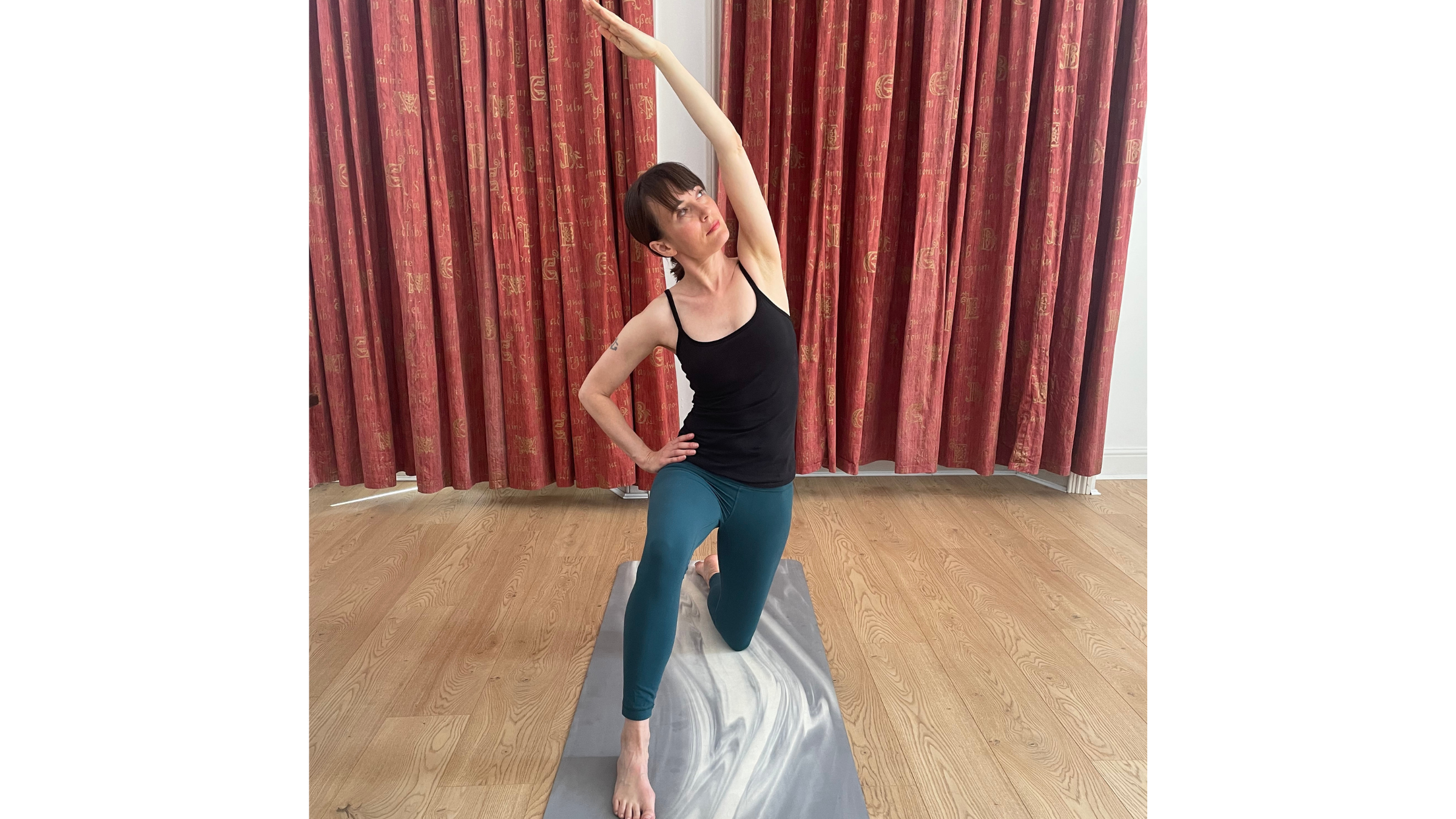
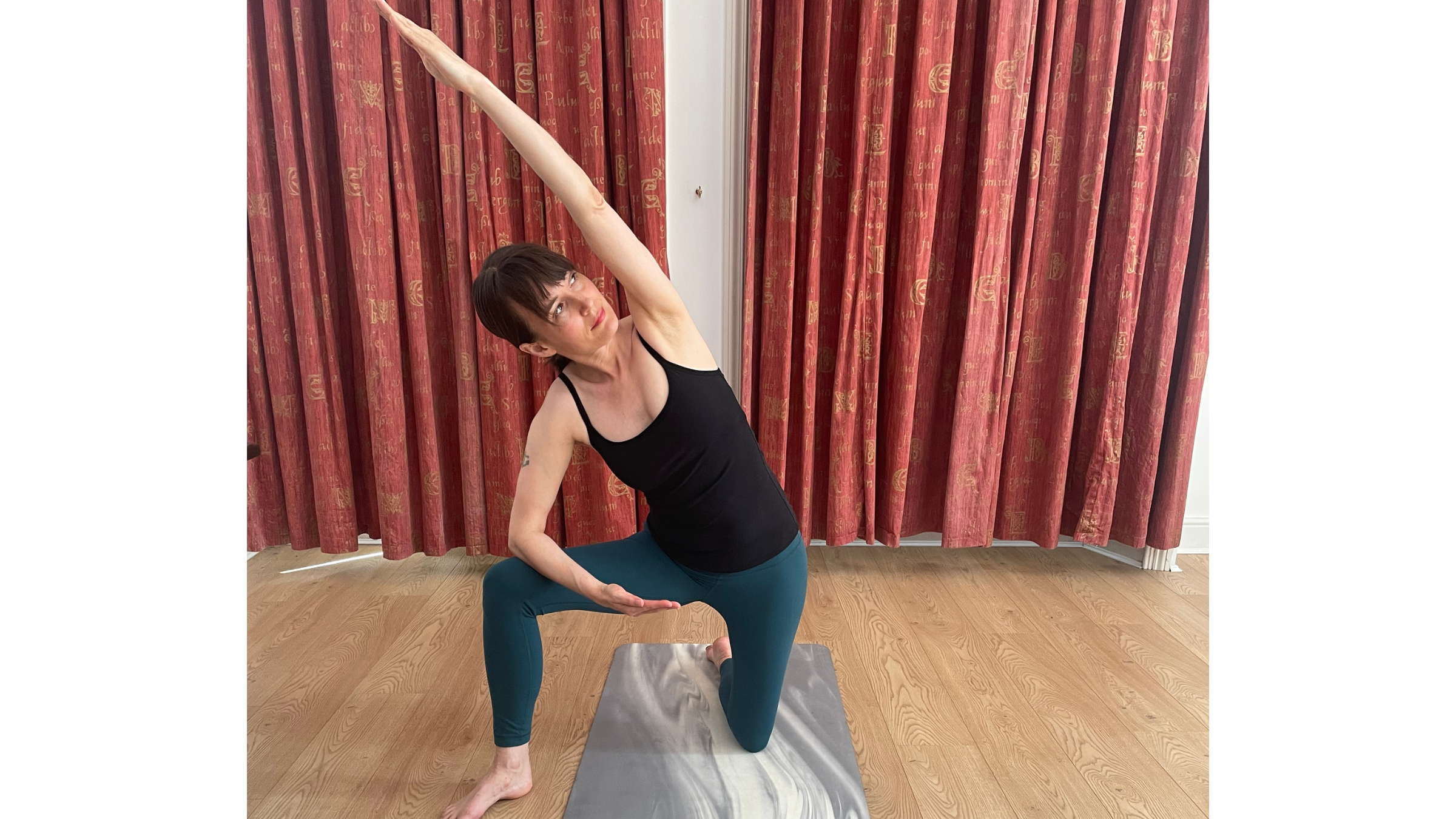
From a hands-and-positioned setup, step the left foot forward between the hands. Bring both hands to the front thigh, lifting the torso upright into a stable Low Lunge. Rest the left hand gently on the left hip while reaching the right arm overhead, palm facing left. Gently lean to the left, breathing expansive breaths into the right side of the rib cage. Return to center before switching sides.
3. Extended Side Angle Pose Variation
Transitioning from the Low Lunge, inch the left foot toward the outer edge of the mat and angle the toes slightly outward. Rest the left forearm lightly on the left thigh and extend the right arm overhead alongside the ear, palm facing down. Lengthen through the right fingertips while drawing the left shoulder back and down. Breathe deeply into the space between the ribs on the right side.
4. “Fallen” Extended Side Angle Pose
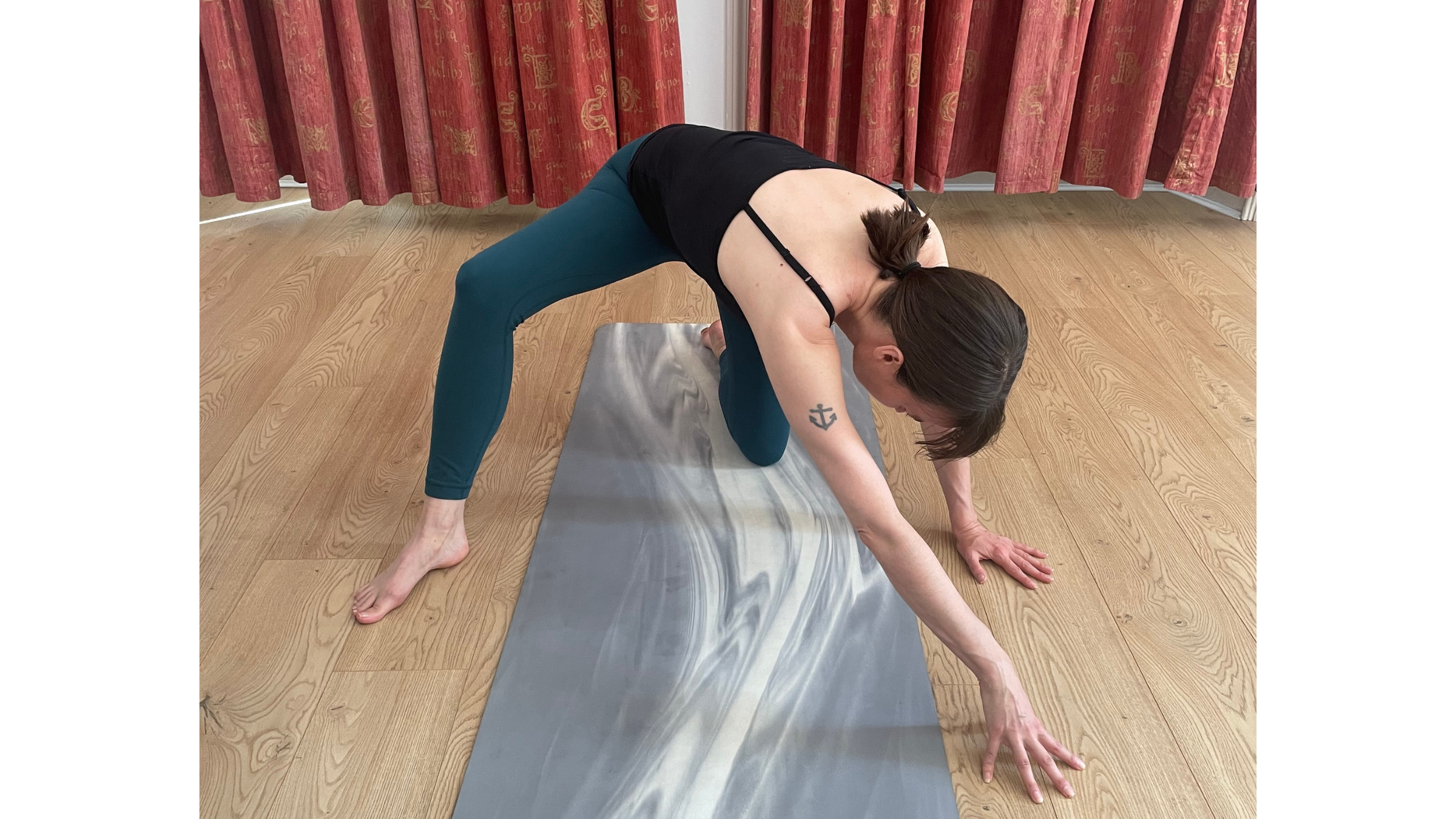
From the previous variation, lower both hands to the mat a few inches ahead of the front foot. Walk the hands toward the right side of the mat, allowing the left hand to extend slightly further than the right. Press the left knee actively toward the back of the room. Tent the left fingertips to deepen the lateral stretch across the left rib cage, hold for several breaths, and gently return to center.
5. Gate Pose
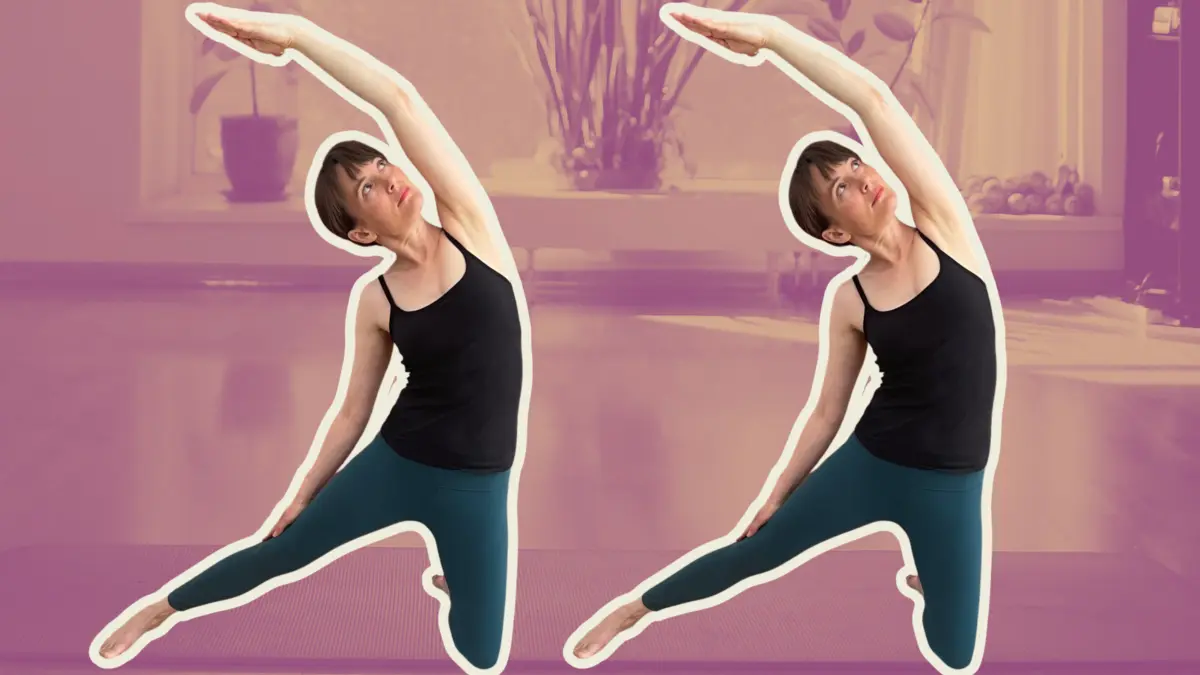
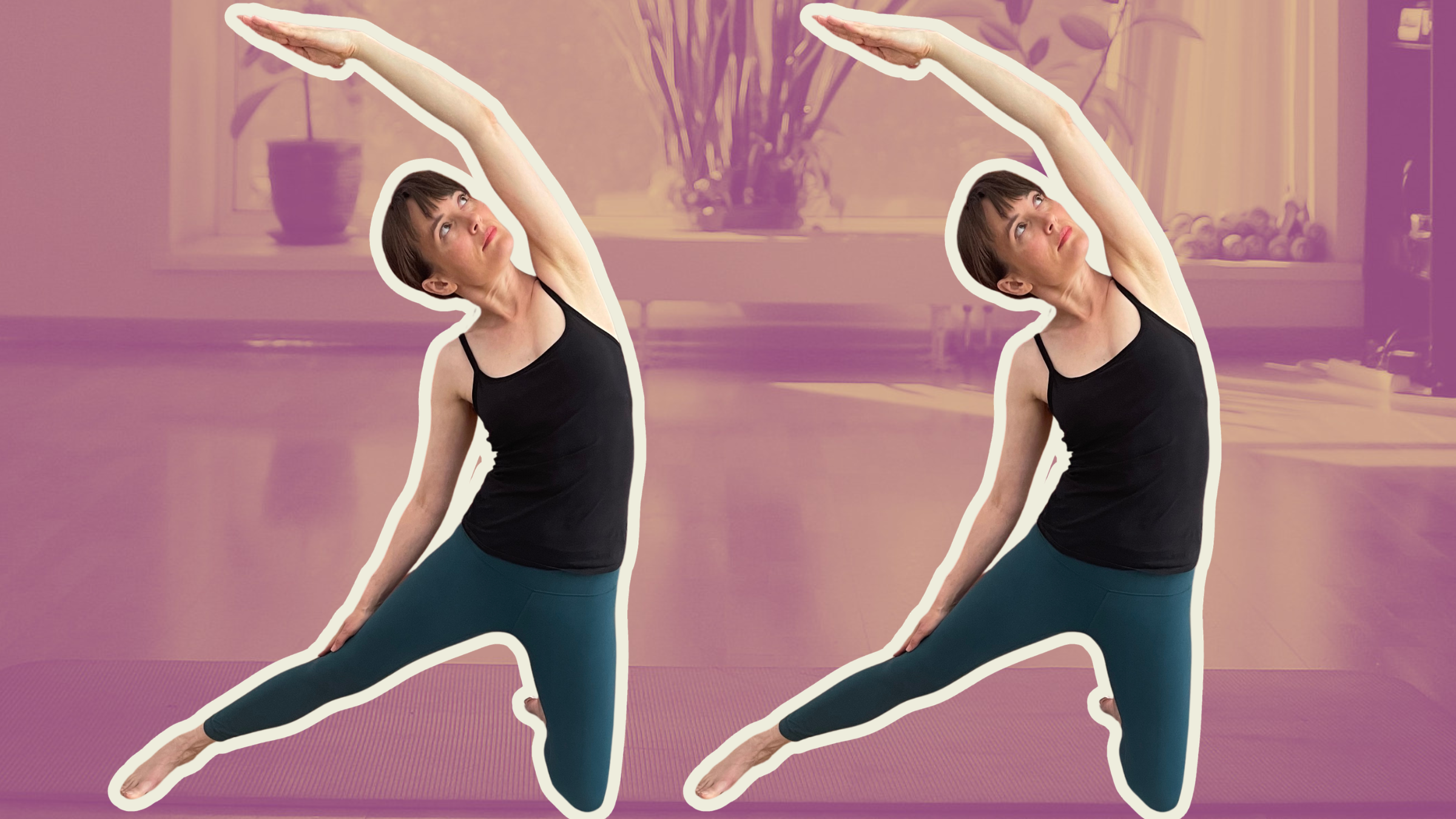
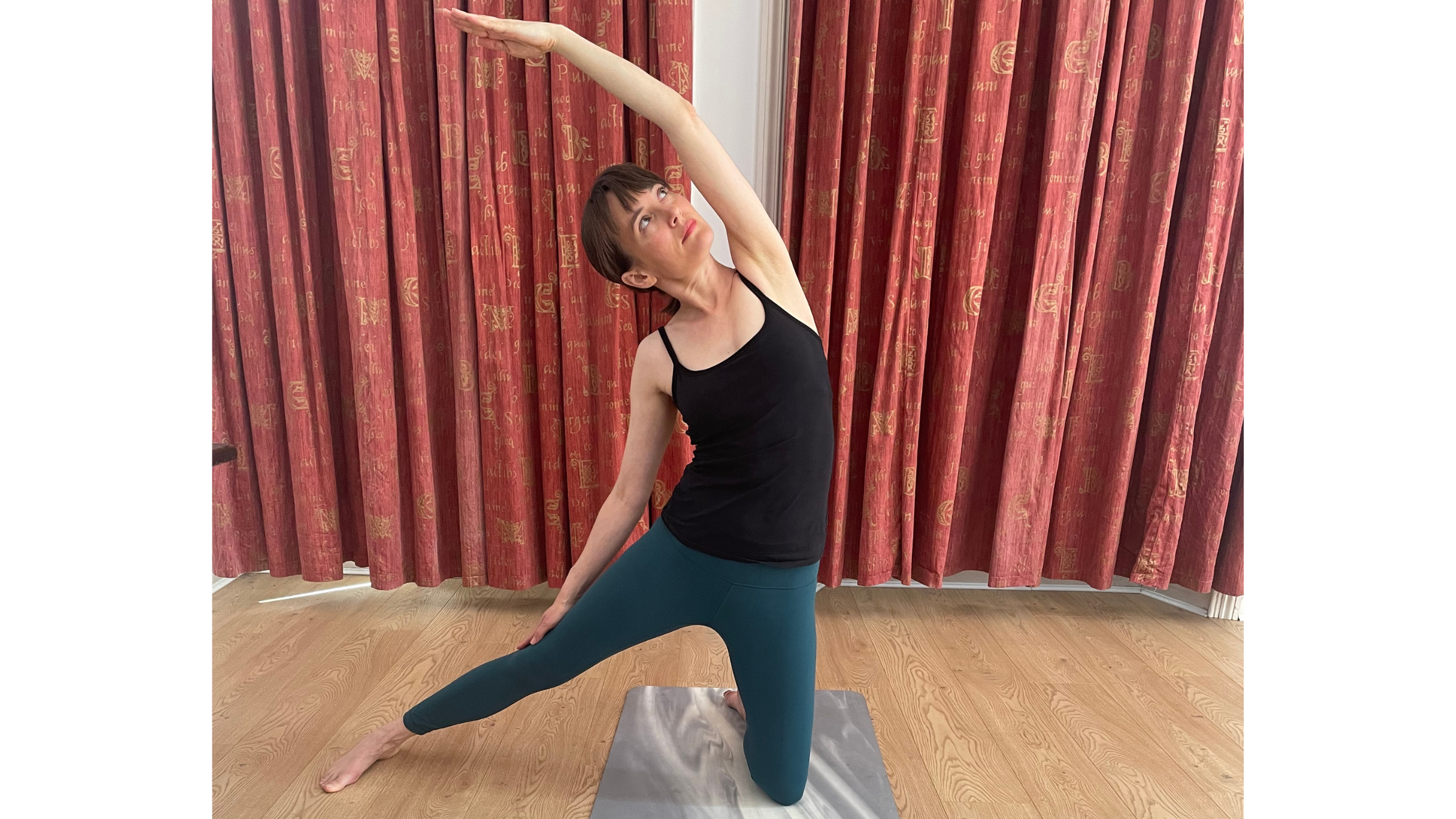
Kneeling tall on the right knee, extend the left leg straight out to the side. The left foot can rest flat on the floor with toes forward, or the heel can press down with toes pointing toward the ceiling, aligned with the right knee. Reach the right arm overhead and slowly slide the left hand down the left leg (thigh, knee, or shin) as you lean to the left. Hold for several breaths before returning to an upright posture.
6. “Fallen” Gate Pose
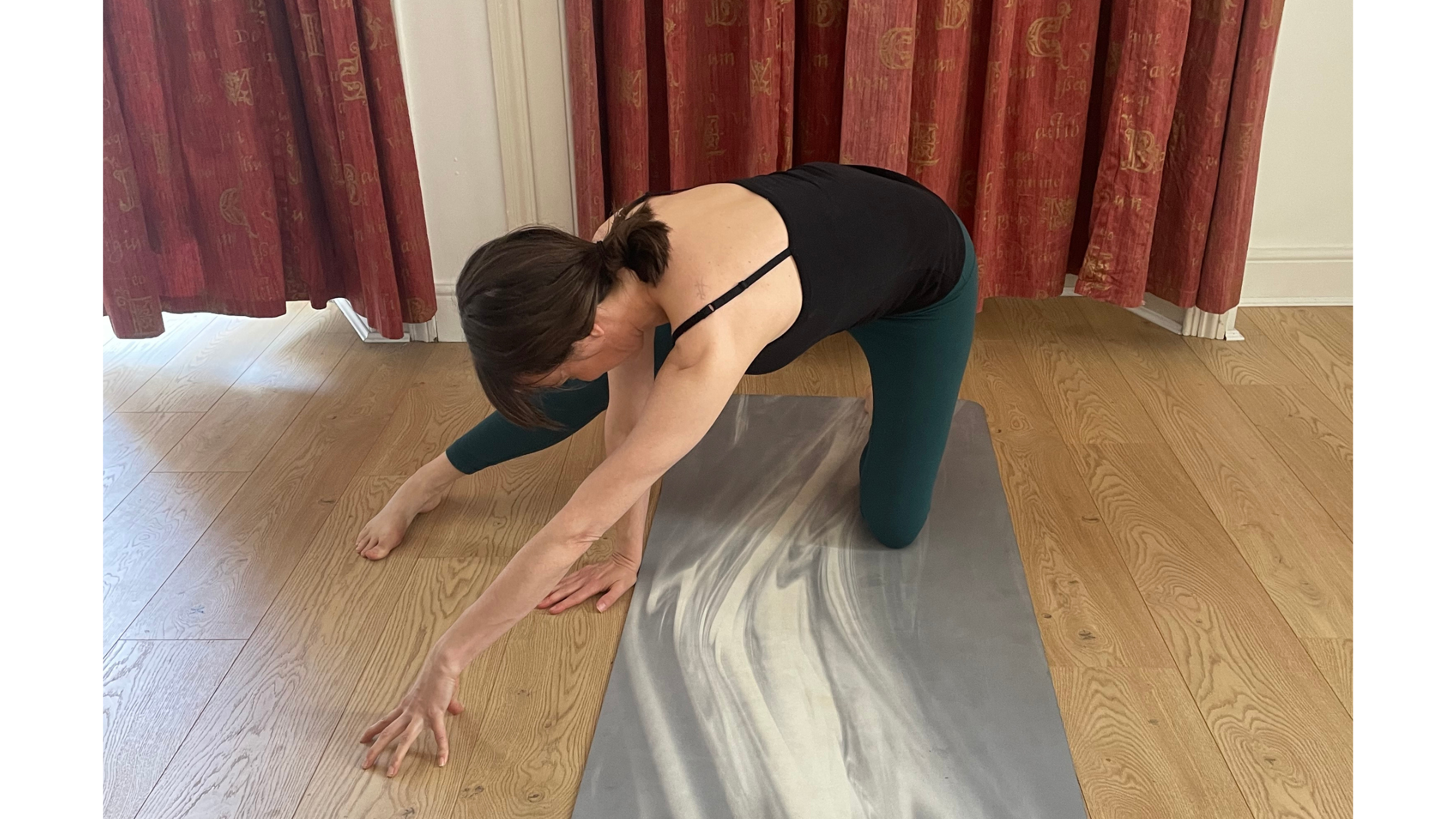
Maintaining the Gate Pose leg configuration, bring both hands down to the mat in front of you and walk them toward the front-left corner of the mat. Plant the left hand directly beneath the left shoulder and walk the right fingertips further away. Tent the right fingertips to maximize the stretch across the right side of the body, breathing steadily before returning to a neutral kneeling position.
7. Side Plank Variation
Return to the Gate Pose setup with the left leg extended. Plant the right hand firmly on the mat (or a supportive block) beneath the right shoulder. Reach the left arm overhead, palm facing the floor, creating a continuous line of energy and stretch from the left heel all the way through the left fingertips. Hold for several breaths, then rise.
(Note: Repeat poses 2 through 7 on the opposite side to ensure balanced mobility.)
8. Savasana (Corpse Pose)
Conclude the practice by lying flat on the back, allowing the arms and legs to rest comfortably. Rather than fighting incoming thoughts, visualize them as text on a page with margins that endlessly expand. Acknowledge that this inner quietude and space is always accessible, residing just off to the side of daily mental clutter. Remain here for as long as needed.
