

Main Facts
The global Buddhist community and supporters of Tibetan rights are mourning the loss of a towering figure known for his boundless energy, unwavering activism, and profound spiritual presence. Bob—whose larger-than-life persona left an indelible mark on everyone he encountered—was more than an academic, teacher, or supporter; to the Tibetan diaspora worldwide, he was an incomparable friend, a steadfast ally, and one of the strongest pillars of their community.
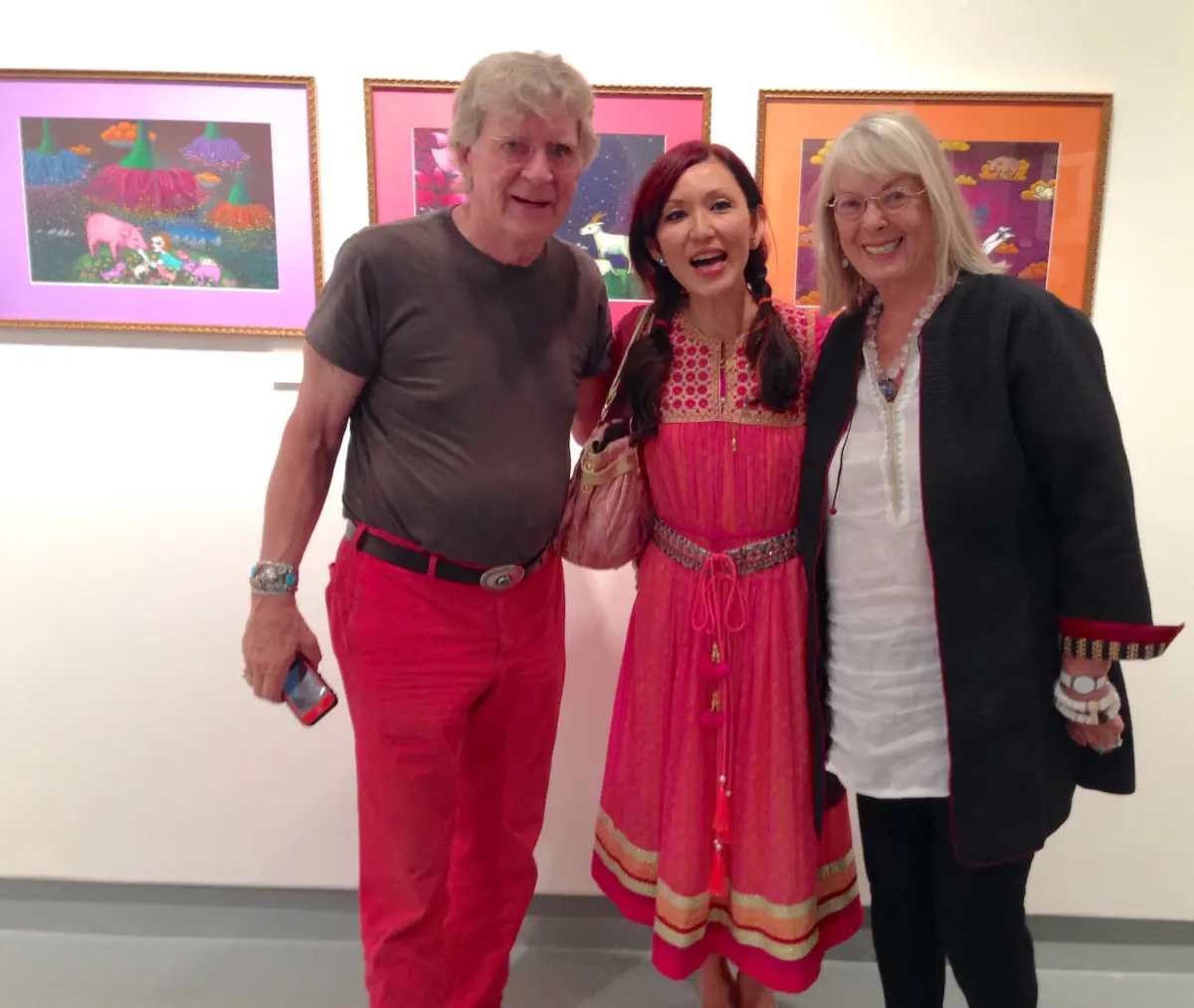
Spanning a friendship of thirty-three years, artist and author Rima Fujita recently shared poignant reflections on Bob’s legacy. Known for his charismatic presence, booming laugh, and radiant optimism, Bob embodied the very essence of compassion. His ability to make individuals feel completely seen and heard—a rare quality reminiscent of His Holiness the Dalai Lama—cemented his status as a cherished mentor and guide.
Bob’s passing, set against a backdrop of recent geopolitical and cultural stirs within the Tibetan movement—including the self-immolation of former Tibetan monk Lobga Ranzen in New York—has refocuses public attention on the enduring struggle for Tibet. Far from dampening the spirits of advocates, these events have reignited a passionate commitment to cultural and political advocacy, inspiring artists, monks, and activists alike to carry forward the torch of resilience.
Chronology of a Lifelong Dedication
To understand Bob’s impact, one must look at the timeline of a life dedicated to service, scholarship, and fierce advocacy:
- Decades of Connection: For over thirty-three years, Bob cultivated deep relationships within the Tibetan community, bridging cultural divides through mutual respect, shared spiritual practice, and active engagement.
- The Washington, D.C. March: During a scorching summer visit by His Holiness the Dalai Lama to Washington, D.C., temperatures neared 100 degrees with relentless humidity. While many prominent supporters opted out of the grueling conditions, Bob marched shoulder-to-shoulder with Tibetans and activists through the streets. Drenched in sweat, his golden hair plastered to his head, he walked the entire route, continuously shouting, "Free Tibet! Free Tibet!"
- Decades of Cultural Preservation: Alongside his political activism, Bob actively supported the preservation of authentic Tibetan culture. He commissioned numerous traditional thangkas from monasteries such as the Nechung Monastery in Dharamsala, providing vital financial and community support for monks and artisans.
- Final Communications and Legacy: Even while facing his own transitions, Bob maintained his characteristic warmth. In his final correspondence with longtime friends like Rima Fujita, he offered words of profound comfort and support during her battle with a rare illness, proving that his compassion extended right up to his final days.
Supporting Data and Impact
Bob’s influence was measurable not just in personal anecdotes, but in the institutional and cultural survival of Tibetan arts and advocacy networks:
- Global Solidarity: He maintained an active role across multiple facets of the movement, embracing the Middle Way Approach championed by His Holiness the Dalai Lama while robustly supporting grassroots organizations like Students for a Free Tibet.
- Monastic Support: Through the commissioning of sacred art, Bob injected critical monetary resources into Himalayan monasteries, ensuring that intricate skills like thangka painting could be passed down to younger generations despite the pressures of displacement.
- Enduring Personal Resonance: Bob’s life demonstrated that genuine humanitarian impact does not rely on formal political office, but on persistent physical presence, financial backing, and emotional availability. As noted by those who walked with him through both celebratory cultural events and grueling political protests, his attendance was never symbolic; it was total, embodied, and wholehearted.
Official Responses and Tributes
Tributes from prominent scholars, monastic leaders, and artists have poured in, highlighting Bob’s fearless dedication during times of immense geopolitical pressure.
Dr. Tenzin Dorjee, a close friend and prominent scholar, captured Bob’s unwavering commitment in a heartfelt statement:
"Bob stuck with us, the Tibetans, throughout the good times and the bad. While many supporters of Tibet became silent as China rose to global power, Bob remained outspoken and fearless. Although, as a disciple of His Holiness the Dalai Lama, he embraced the Middle Way Approach, he always supported Students for a Free Tibet. He was never afraid to raise his voice. He never took the easy way out. We have lost one of Tibet’s strongest friends."
A monk from the historic Nechung Monastery in Dharamsala echoed this sentiment, emphasizing Bob’s humanitarian footprint:
"Bob was such a kind man. We all loved him. He contributed so much to preserving Tibetan culture, and he commissioned us to create many thangkas, which supported our monastery and our community."
Reflecting on his departure, Rima Fujita offered a comforting spiritual perspective rooted in Buddhist philosophy:
"I like to imagine him in the bardo exactly as I remember him here — happy, curious, and wearing that warm, unmistakable smile. After all, as Bob often said, ‘We don’t die.’"
Implications for the Future
The loss of Bob arrives at a critical juncture for the global Tibet movement. With recent events—such as the tragic self-immolation of former Tibetan monk Lobga Ranzen in New York—bringing renewed urgency to the plight of Tibetans, the community faces both grief and a resurgence of purpose.
For advocates who felt paralyzed by political stagnation or personal challenges, remembering figures like Bob serves as a powerful catalyst. His life proves that individual actions, sustained over decades through both political rallies and quiet cultural preservation, build an unbreakable foundation of solidarity.
Ultimately, Bob’s legacy challenges a new generation of activists to look beyond temporary setbacks. By demonstrating that true solidarity requires showing up—literally and figuratively—through scorching heat, political shifts, and personal hardships, he leaves behind a blueprint for compassionate activism. As friends and allies continue his work through art, education, and political advocacy, Bob’s radiant energy, captured in the collective memory of the Tibetan community, ensures that his voice will continue to resonate for years to come.
