

September 7, 2026
By Adam Roy, Editor-in-Chief
For half a decade, Nate Pipenberg has served as the definitive voice on ultralight backpacking for Backpacker Magazine. Chronicling everything from radical shifts in backpack architecture to experimental fabrics like Tecnowool, Pipenberg has tested hundreds of pieces of gear across thousands of miles of trail. As he steps down from his post as the magazine’s resident gear guru, Pipenberg is leaving behind a legacy of pragmatic, field-tested wisdom.
In his final installment, Pipenberg bypassed the traditional route of waxing poetic about life on the trail. Instead, he returned to the fundamental obsession of every serious backpacker: the gear. In a comprehensive retrospective, he broke down what lightweight equipment is genuinely worth investing in—and what expensive, high-tech trends hikers should skip entirely.
Main Facts: The Ultimate Gear Verdicts
Pipenberg’s five-year tenure offered him unprecedented access to the vanguard of outdoor manufacturing. After countless hours of field-testing tents, sleeping bags, pads, and packs, his final verdict rests on a philosophy of durability, comfort, and multi-season utility over raw, bleeding-edge weight savings.
His core recommendations and rejections challenge several modern marketing trends in the ultralight community:
- Skip High-Tech Composite Fabrics: Despite their popularity, Pipenberg warns against spending money on Ultra, Dyneema, or graphite backpacks, tents, and accessories. While billed as exceptionally strong, these materials often suffer from delamination or are cut so thin that their durability is undermined.
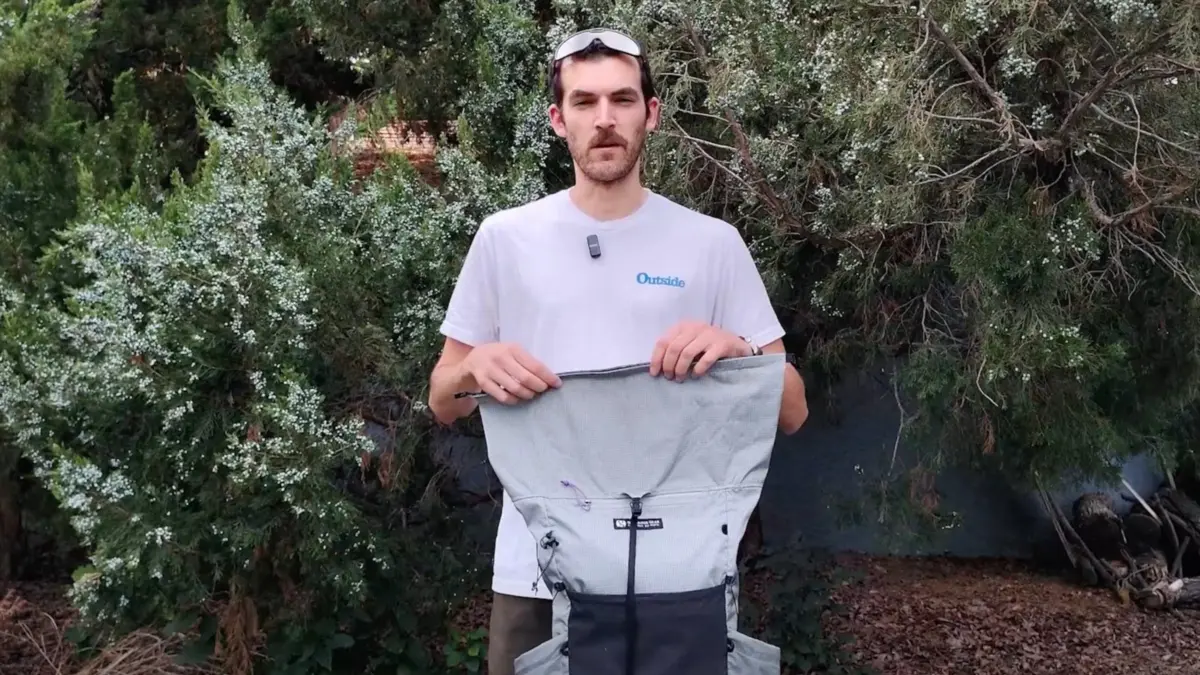
- Embrace Frameless Packs with Hybrid Straps: For lightweight loads, frameless packs featuring wider, vest-style hybrid straps distribute weight evenly across the shoulders, back, and chest without the constraints of a traditional hip belt.
- Invest in Active Insulation and Stretch Rain Gear: Ditching overpriced technical clothing in favor of gym wear is generally fine, but Pipenberg advocates for high-performance active insulation (like Alpha Direct or TecnoWool) paired with a stretchy, breathable, and quiet rain shell (such as the Showers Pass Cloudburst).
- Buy a Winter Pad for All Seasons: Rather than buying dedicated summer and winter sleeping pads, Pipenberg recommends splurging once on a rugged, high-R-value winter pad like the Therm-a-Rest NeoAir XTherm NXT. The minimal weight penalty is offset by superior durability and year-round versatility.
- Switch to Summer Quilts: For warm-weather trips, a dedicated summer-weight sleeping quilt drastically reduces pack volume and prevents the overheating common with traditional sleeping bags.
Chronology: Five Years of Evolution in Ultralight Gear
Pipenberg’s departure marks the close of an era defined by rapid material science advancements and changing consumer philosophies within the backpacking industry.
2021–2022: The High-Tech Honeymoon
When Pipenberg first took the reins as Backpacker’s ultralight columnist, the outdoor industry was deep into a revolution driven by space-age composite materials. Dyneema Composite Fabric (DCF) was king, dominating the shelter and pack markets. Thru-hikers and gear enthusiasts gravitated toward the waterproof, non-stretching, featherlight properties of these high-tech textiles, viewing them as the ultimate expression of minimalist efficiency.
2023–2024: The Real-World Reality Check
As testing extended over multiple seasons, cracks began to show in the armor of the ultralight status quo. Pipenberg and other gear reviewers noticed the limits of hyper-lightweight construction. While DCF shelters and Ultra-weave packs looked impressive on a digital scale, long-term trail use exposed issues with abrasion, puncture resistance, and delamination. Concurrently, comfort-driven innovations—such as vest-style pack straps and advanced active-insulation synthetics like Polartec Alpha Direct—began redefining what “ultralight comfort” actually meant.
2025–2026: The Shift Toward Pragmatism
Entering his final years on the beat, Pipenberg’s columns increasingly championed durability, hybrid design, and economic pragmatism. The focus shifted away from shaving single grams at all costs toward systems that could withstand thousands of miles of rugged abuse. His final review encapsulates this maturation of the ultralight movement: prioritizing real-world performance, comfort, and long-term value over superficial specs.
Supporting Data: Breaking Down the Gear Matrix
Pipenberg’s final gear roundup contrasts expensive industry trends against his preferred field-tested alternatives.
What to Skip: The High-Tech Trap
- Dyneema and Ultra Fabrics: Billed as virtually indestructible, these composite laminates dominate the premium backpack and tent market. However, Pipenberg notes that in real-world conditions, they are prone to pinhole punctures, seam wear, and delamination. Furthermore, ultralight Dyneema tents are often constructed with fabrics so thin that their inherent strength is negated by structural fragility.
- Hiking-Specific Apparel (Generally): Pipenberg points out that standard synthetic gym clothes, running shorts, and thrift-store wool sweaters perform adequately on the trail without the steep markup of specialized hiking apparel.
What to Buy: Pipenberg’s Gold Standards
- Packs: Gossamer Gear Skala 38 (utilizing simple, durable Robic ripstop nylon instead of composite weaves).
- Shelters & Sleep Systems: Cumulus Neo Quilt 150 (a dedicated summer quilt that slashes pack weight and bulk) paired with the Therm-a-Rest NeoAir XTherm NXT. The XTherm boasts a 7.3 R-value and a rugged 70-denier nylon floor, adding only 2 to 3 ounces over dedicated summer pads while eliminating the need to purchase two separate sleeping pads.
- Apparel: FarPointe Outdoor Gear TecnoWool crewneck (active insulation that balances warmth and breathability) and the Showers Pass Cloudburst jacket. At $260 and 10 ounces, the Cloudburst violates strict ultralight dogma on price and weight, but its quiet, stretchy, and highly breathable fabric makes it a standout piece for active weather protection.
Official Responses and Industry Reactions
Pipenberg’s candid retrospective has sparked significant conversation across the outdoor gear community, drawing responses from manufacturers, editors, and everyday backpackers alike.
Adam Roy, Editor-in-Chief of Backpacker, praised Pipenberg’s transparent approach to gear evaluation. "For half a decade, Nate has brought an unmatched level of rigor and curiosity to our ultralight coverage," Roy said. "His willingness to challenge sacred cows—like the absolute supremacy of composite fabrics—gives our readers permission to think critically about where they put their hard-earned money."
Independent gear makers have also weighed in. While brands specializing in Dyneema and Ultra-weave fabrics continue to defend the high strength-to-weight ratio of their products, many mainstream manufacturers have quietly shifted focus toward the hybrid nylon blends and durable ripstops that Pipenberg champions. The resurgence of interest in traditional woven fabrics like Robic and high-denier bottom fabrics reflects a broader industry pivot toward longevity.
Implications: The Future of Ultralight Backpacking
Pipenberg’s departure and final review signal a maturing philosophy within the ultralight community. For years, the movement was driven by a fundamental pursuit: lighter is always better, regardless of cost or durability.
However, as Pipenberg’s five-year tenure demonstrates, the pendulum is swinging back toward a more sustainable, pragmatic middle ground. Backpackers are increasingly asking whether saving two ounces on a fragile tent is worth a sleepless night in a storm, or if paying top dollar for a composite backpack that delaminates after two seasons is a wise investment.
By advocating for durable nylon packs, versatile four-season sleeping pads, and comfortable, breathable apparel over fragile high-tech novelties, Pipenberg’s final column sets a new benchmark for outdoor journalism. As he hangs up his press pass and steps off the trail, his legacy remains clear: true ultralight efficiency isn’t just about what looks best on a spreadsheet—it’s about what keeps you comfortable, safe, and moving forward in the wild.
