

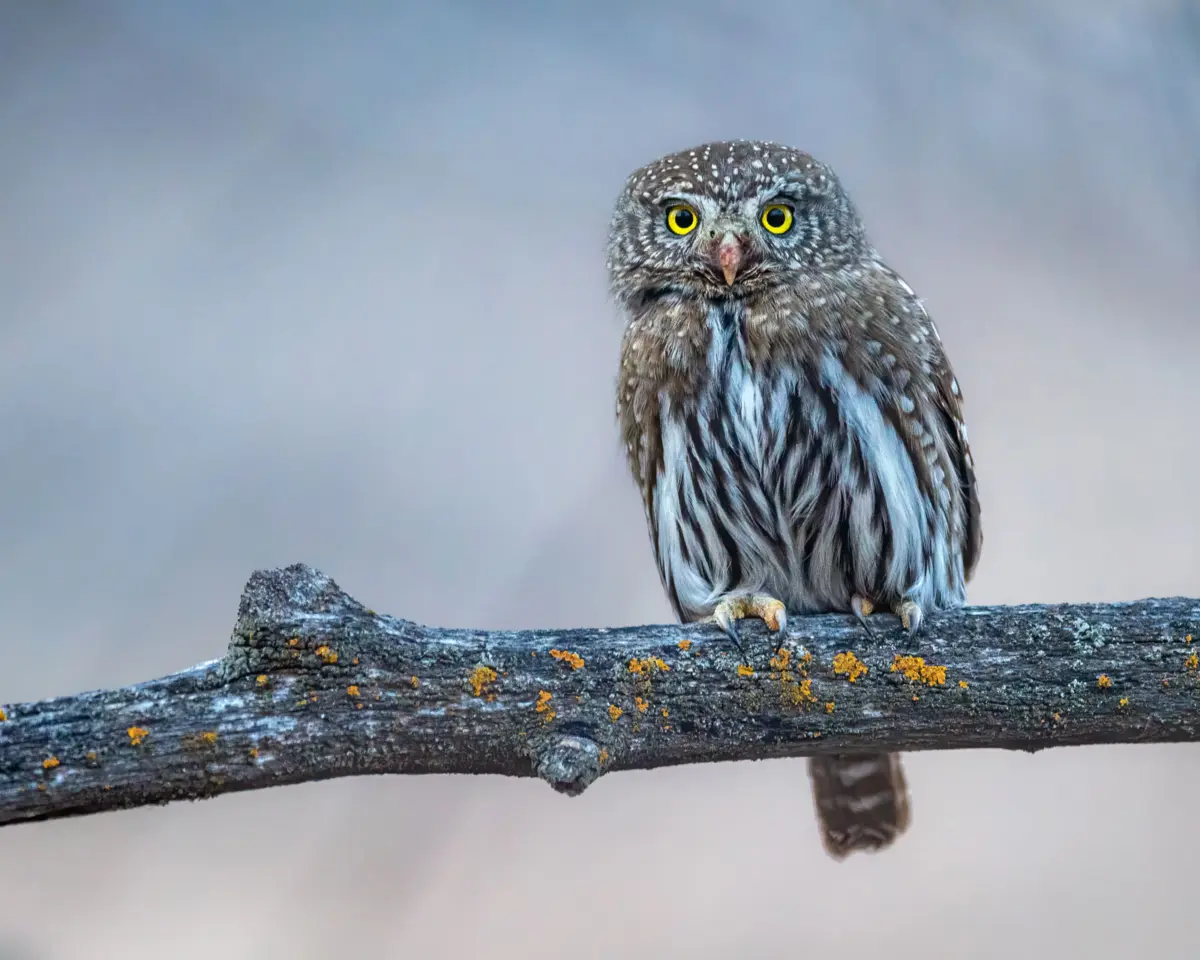
Introduction: The Undying Allure of the Nocturnal Hunter
Owls have captivated the human imagination for millennia. Shrouded in folklore, mythology, and an inherent air of mystery, these magnificent nocturnal predators command a unique fascination. Unlike daytime songbirds or soaring raptors, owls possess an elusive nature that turns the pursuit of their imagery into a true test of fieldcraft.
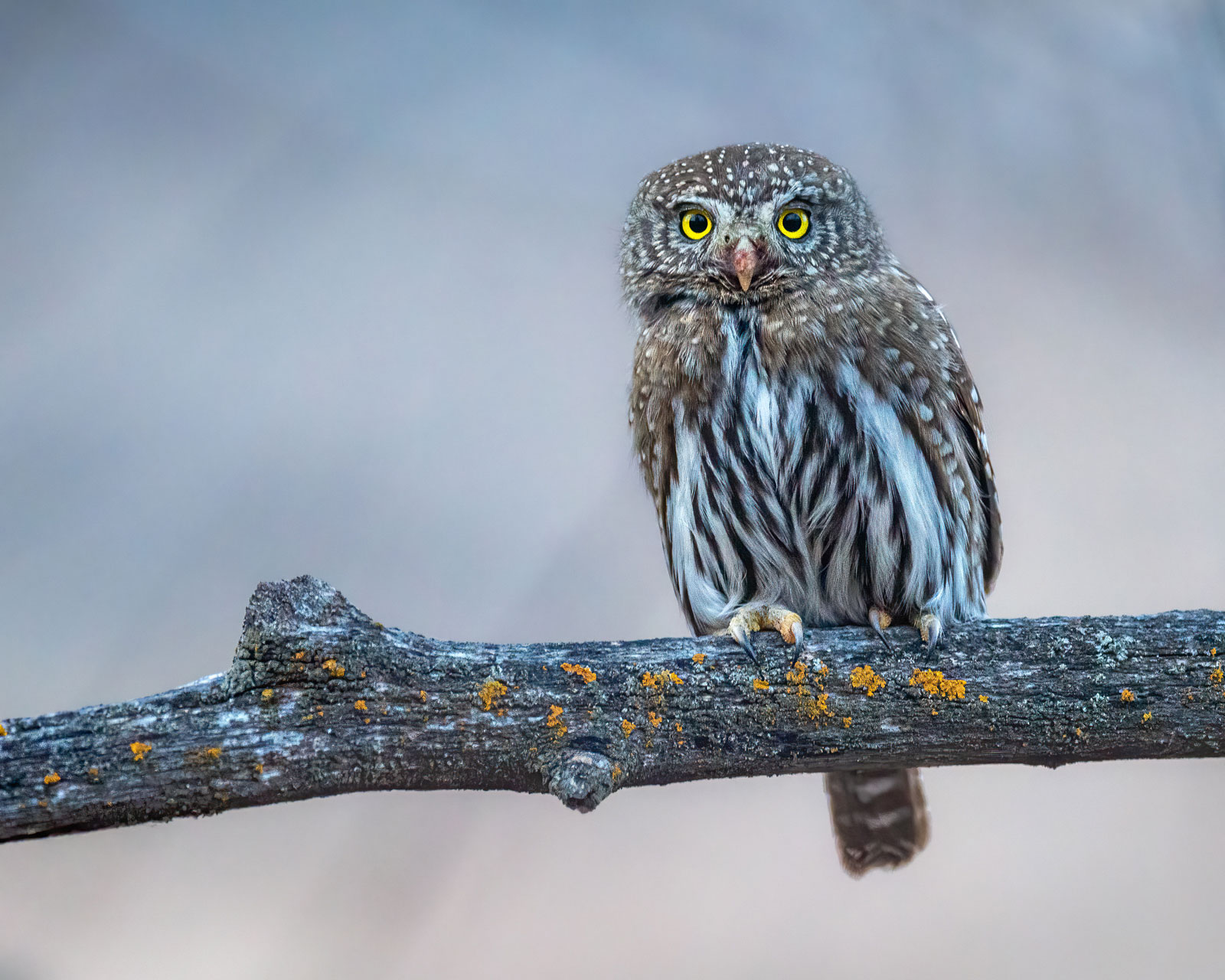
Owl photography allows naturalists and shutterbugs alike to showcase these birds in ways that exhibit their captivating characteristics, mesmerizing beauty, and surprising grace. However, transitioning from a casual observer to a proficient wildlife photographer requires more than just an expensive camera body and a telephoto lens; it demands a profound understanding of owl habitats, behaviors, ecology, and ethical field practices.

Main Facts: Decoding the World of Owl Photography
At its core, successful owl photography hinges on a blend of geographical awareness, specialized gear, and rigid ethical standards. Owls inhabit diverse ecosystems across the globe, spanning dense boreal forests, arid deserts, wide-open tundras, alpine canyons, sweeping wetlands, and even densely populated urban environments.

Because different species exhibit varying degrees of residency, migration, and diurnal activity, photographers must first master local ornithology. While legendary species like the Great Horned Owl are widespread across North and Central America, their sophisticated camouflage makes them virtually invisible against tree bark. Similarly, European Tawny Owls are notoriously secretive, relying on stealth rather than open visibility to survive.

Essential Equipment Matrix
To capture striking images of owls without compromising their welfare, photographers generally rely on specific hardware configurations:

- Lenses: A super-telephoto lens ranging from 300mm to 600mm is vital. This focal length allows photographers to maintain a respectful distance (typically 75 to 100 feet) while still isolating the subject within the frame.
- Aperture: Fast lenses with maximum apertures of f/2.8, f/4, or f/5.6 are necessary. Because peak owl activity occurs during the low-light hours of dawn and dusk, wide apertures maximize light-gathering capabilities, allowing for faster shutter speeds.
- Support Systems: Sturdy tripods or monopods prevent arm fatigue during long stakeouts and eliminate camera shake, though they must be managed carefully when transitioning to dynamic flight tracking.
Chronology: The Field Lifecycle of Finding and Photographing Owls
Finding an owl is rarely a matter of instant gratification. For many wildlife photographers, the journey spans months of patient scouting before a single frame is secured. Below is the typical chronology a photographer experiences when dedicating time to a local owl project.

Phase 1: Research and Reconnaissance (Weeks 1–4)
The process begins at a desk, not in the field. Photographers consult regional birding databases, field guides, and local conservation groups to map out which owl species reside in their area. Understanding seasonal dynamics is critical; many northern species migrate south only when food supplies dwindle or snow packs become too deep to hunt effectively.

Phase 2: Acoustic Scouting at Twilight (Weeks 5–8)
Because the vast majority of owls are strictly nocturnal or crepuscular (active at dawn and dusk), field scouting is best conducted just as the sun dips below the horizon.

- Listening for Calls: Photographers venture into likely habitats to listen for territorial hoots, barks, or screeches.
- Training the Eye: Consistent evening outings train the human eye to recognize unnatural silhouettes against the sky, specifically along major tree trunks and middle-to-high branches where roosting birds settle before moving toward the canopy edges.
Phase 3: Daytime Roosting Identification (Months 2–6)
Once an owl’s evening territory is established, daytime searches can pinpoint exact roosting locations. Key indicators on the forest floor include "whitewash" (accumulated droppings on branches and ground) and regurgitated owl pellets containing the undigested bones and fur of recent meals. If an owl secures a reliable food source, it may utilize the exact same branch for weeks.

Phase 4: Field Execution and Behavioral Anticipation (Months 6–12)
With the roost located, the photographer shifts to execution. Rather than approaching the tree directly—which forces the bird into a stressful flight and disrupts its sleep cycle—the photographer sets up at a distance. By learning the specific hunting styles of the target species (such as the quick ground drops of Great Grey Owls or the low, sweeping glides of Short-eared Owls), the photographer can anticipate movement, switch to handheld tracking when flight is imminent, and capture behaviors like wing-stretching and talon deployment.

Supporting Data: Understanding Owl Morphology and Composition
What sets owls apart from all other avian species is their specialized anatomical design, which offers photographers incredible opportunities for unique portraiture and action shots.

The Facial Disc and Eye Plane
Most owl species feature pronounced facial discs acting as acoustic parabolas to funnel sound directly to their asymmetrical ear openings. This disc frames the face and eyes, creating a natural focal point for portraits. Because an owl’s eyes sit on the same focal plane as its facial disc, getting the entire face sharp is remarkably straightforward with a properly aligned telephoto lens. Photographers can use this symmetry to balance harsh background elements.

The Surprise of Long Legs and Wingspans
Beneath dense plumage lie surprisingly long legs and powerful talons, which are rarely seen until an owl stretches during preening or drops down to strike prey. Furthermore, owl wingspans are exceptionally wide relative to their body mass. When tracking birds in flight, photographers must account for this expansive wingspan to avoid clipping the wingtips out of the frame. A shutter speed of at least 1/1600 of a second is generally required to freeze motion, though utilizing backlighting through outstretched wing feathers can create ethereal, high-contrast silhouettes.

Official Responses and Conservation Ethics: Protecting the Subject
As wildlife photography surges in popularity, conservationists, ornithologists, and ethical photography organizations have issued strict guidelines regarding human interaction with sensitive raptors. The welfare of the animal must always supersede the acquisition of an image.

The Dangers of Harassment and Baiting
Ethical bodies strongly condemn the practice of "baiting"—throwing live or dead mice to force an owl into a specific posture or unnatural flight path. Baiting habituates owls to humans, associates people with food, and can lead the birds to dangerous roadsides.

Similarly, flushing an owl from its daytime roosting tree is considered a severe ethical violation. When owls are forced to expend precious energy fleeing a photographer, their immune systems can weaken, and they risk abandoning prime territories. Professional wildlife guides advise backing away immediately if an owl exhibits nervous body language, head-bobbing, or bill-snapping.

Implications: The Broader Impact of Mindful Wildlife Documentation
The implications of dedicated owl photography extend far beyond personal artistic fulfillment. When practiced responsibly, wildlife photography serves as a powerful tool for environmental conservation.

Bridging Art and Advocacy
Images shared globally through publications, exhibitions, and digital platforms help demystify these secretive creatures, fostering public appreciation for fragile ecosystems, old-growth forests, and urban green spaces. When local communities realize they share neighborhoods with rare or migratory owls, grassroots conservation efforts to protect wetlands, limit pesticide use, and preserve nesting trees gain momentum.

Furthermore, patience-driven photography cultivates a deeper respect for the natural world. As noted by veteran field practitioners, the actual act of searching and waiting quietly in a forest often surpasses the final photograph. By approaching owls with profound respect for their space and silence, photographers not only secure breathtaking, memorable images but also ensure that these mysterious sentinels of the night continue to thrive for generations to come.
