

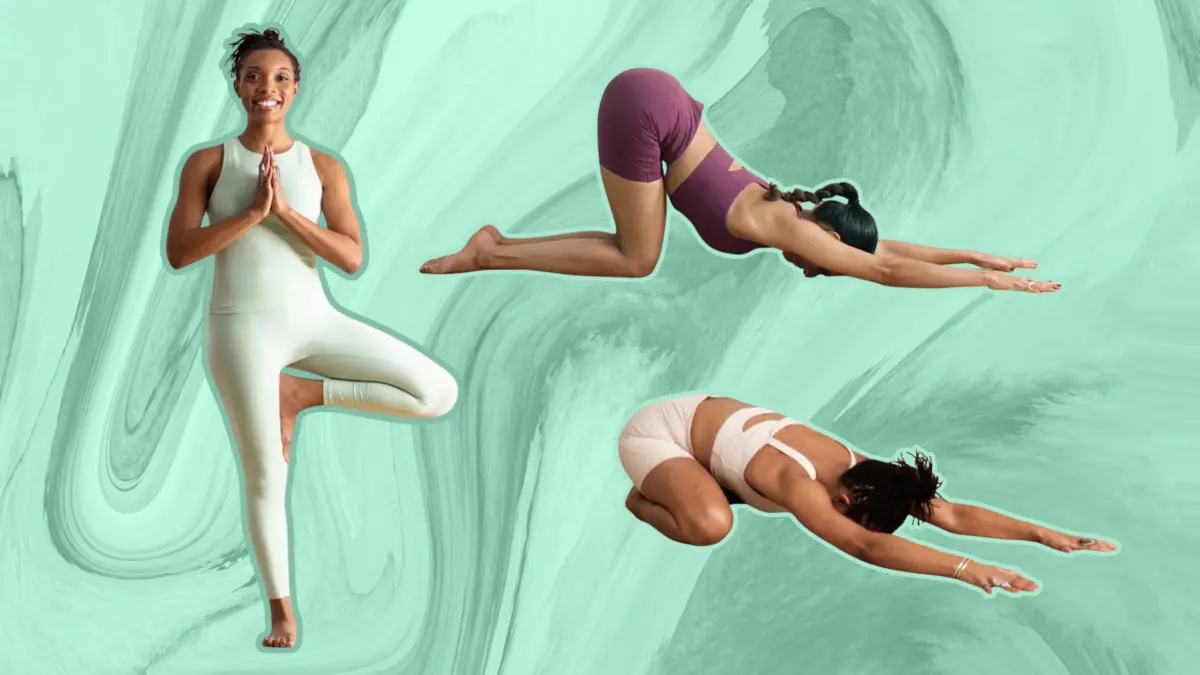
September 3, 2026 — Navigating the complexities of mental health is an inherently personal pursuit. For millions of individuals, experiencing the debilitating symptoms of anxiety—ranging from a racing heart and catastrophic thoughts to physical tension, shortness of breath, and unexpected panic attacks—can feel all-consuming. Modern life demands resilience, but it can be profoundly frustrating when one’s own neurochemistry turns inward, making even routine daily tasks feel like monumental hurdles.
While clinical research confirms that yoga is not an instant, silver-bullet cure for anxiety disorders, an expanding body of medical literature indicates that a consistent physical practice, paired with intentional breathwork, can render anxious episodes significantly more manageable. By utilizing specific postural geometries, steady breathing, and meditative focus, practitioners can actively downregulate the nervous system. Furthermore, when time precludes a full 60-minute practice, a few mindful breaths held within a targeted yoga pose can provide an immediate sanctuary of soothing stillness.
Main Facts: The Intersection of Yoga, Physiology, and Anxiety
Anxiety disorders are among the most prevalent mental health challenges globally, frequently manifesting through both psychological distress and visceral physical reactions. When anxiety peaks, the body typically enters a hyper-aroused state governed by the sympathetic nervous system—commonly known as the "fight-or-flight" response. This triggers accelerated heart rates, shallow breathing, and muscle contraction.
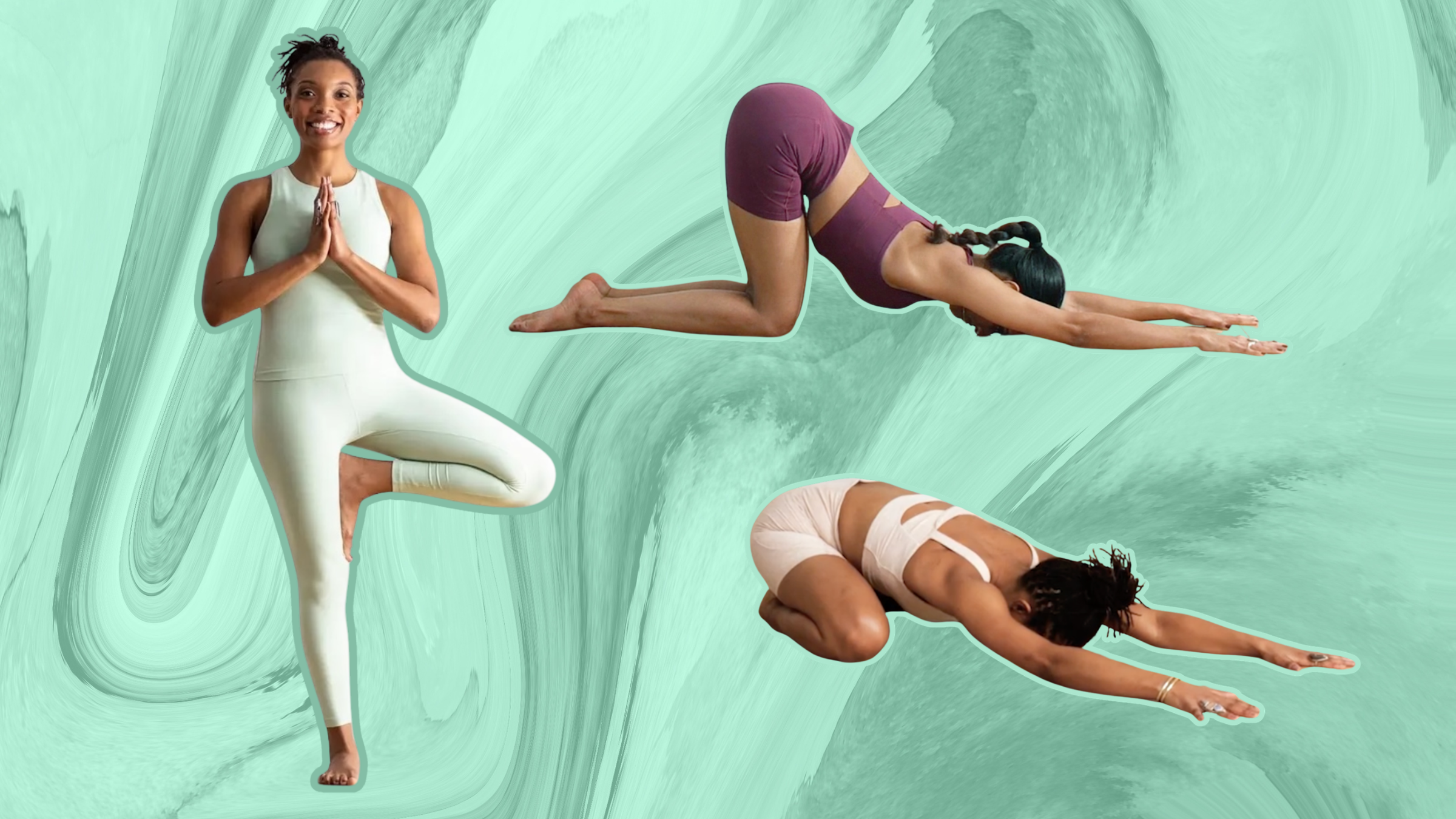
Yoga acts as a somatic intervention. Research published in prominent sports medicine and psychiatric journals demonstrates that regular yoga practice measurably reduces clinical symptoms of anxiety. The mechanisms are dual-fold:
- Physical Posture (Asana): Specific structural shapes either challenge balance, invert the body, or open the chest cavity, directly influencing physical tension and posture associated with stress.
- Nervous System Regulation: Poses that incorporate mild inversions or forward folds stimulate the vagus nerve, effectively activating the parasympathetic nervous system (the "rest-and-digest" response) to slow the heart rate and clear racing thoughts.
Chronology: The Evolution of Somatic Therapies for Mental Health
To understand the current integration of yoga into modern psychological wellness, it is helpful to look at how physical movement has transitioned from a purely fitness-oriented pursuit to an accepted therapeutic modality.
- Ancient Roots (Pre-20th Century): For millennia, Eastern traditions utilized yoga as a holistic framework uniting physical postures (asanas), breath control (pranayama), and meditation (dhyana) to quiet the fluctuations of the mind.
- Late 20th Century (The Western Shift): As yoga gained popularity in North America and Europe during the 1970s and 1980s, practitioners reported subjective improvements in stress levels, though empirical validation remained limited.
- The 2000s (Emergence of Neurobiological Research): Neuroscientists and medical researchers began mapping the physical effects of mindfulness and movement on the brain, specifically observing reductions in amygdala reactivity among regular practitioners.
- The 2010s to Present (Clinical Integration): Comprehensive studies—such as those published in the British Journal of Sports Medicine—cemented physical activity and yoga as viable adjunctive treatments for mild-to-moderate anxiety and depression. Today, clinicians routinely recommend movement-based therapies alongside traditional cognitive behavioral therapy (CBT) and pharmacotherapy.
Supporting Data: What the Science Says
The clinical backing for yoga as an anxiolytic (anti-anxiety) tool continues to strengthen. A landmark meta-analysis published in the British Journal of Sports Medicine evaluated multiple trials assessing the impact of physical activity and meditative movement on psychological distress. The findings revealed that structured movement programs could reduce anxiety symptoms by up to 1.5 times more effectively than standard medications or routine care alone, depending on the demographic.
Physiologically, researchers point to heart rate variability (HRV) as a primary metric of success. Higher HRV indicates a resilient nervous system capable of shifting fluidly between stress and relaxation. Poses that encourage deep diaphragmatic breathing and gentle spinal extension have been shown to optimize HRV, offering immediate relief during acute spikes of anxiety.
Official Responses and Expert Perspectives
Mental health professionals, somatic therapists, and movement educators increasingly advocate for an integrative approach to anxiety management.
Dr. Elena Vance, a clinical psychologist specializing in somatic practices, notes: "When a patient is caught in an anxiety loop, talking therapy alone isn’t always enough because the trauma or panic is stored physically in the body. Modalities like yoga provide a non-verbal language to communicate safety back to the nervous system. You aren’t just telling your brain to calm down; you are demonstrating it through your physical stance."
Yoga educators emphasize that the efficacy of these practices lies in their accessibility. One does not need to master advanced acrobatics to find relief; rather, simple, foundational shapes can serve as immediate psychological anchors.
Implications: 5 Yoga Poses for a Quick Calm-Down
When anxiety strikes, balancing poses, heart openers, and shapes of surrender offer practical, accessible ways to support both mind and body. Below are five foundational yoga poses designed to help interrupt an anxious spiral and restore tranquility.
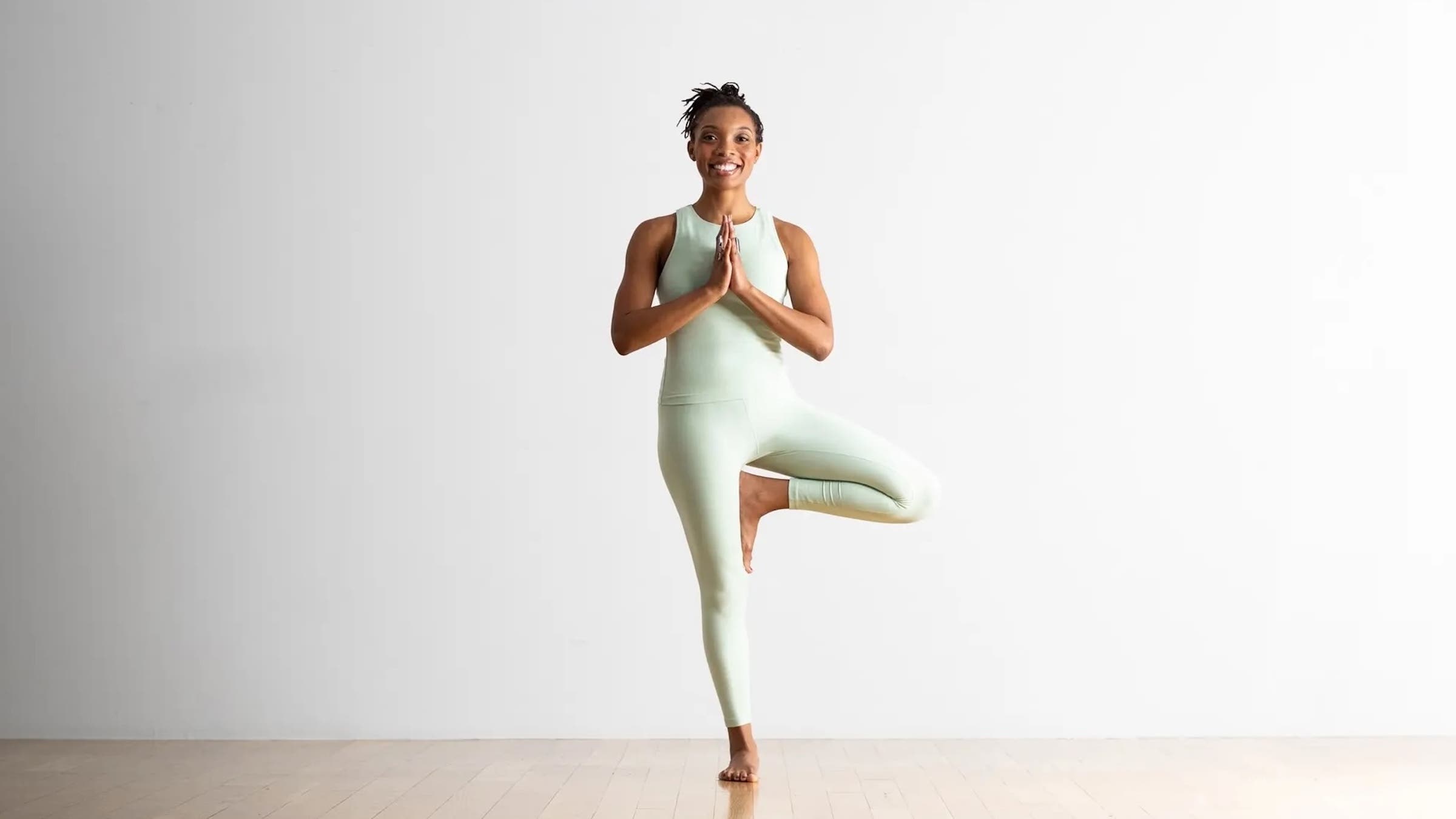
1. Tree Pose (Vrksasana)
Interrupting a mental storm requires breaking the autopilot loop of stress. A balancing posture such as Tree Pose challenges you to physically shift your narrative by standing on one foot instead of two.
- How to practice: Fix your gaze steadily on a non-moving point straight ahead of you (your drishti). Ground firmly through the four corners of your standing foot, drawing energy up through your leg while rooting down into the earth. Allow your spine to grow tall.
- Why it helps: Balance demands total presence. It is mathematically and neurologically difficult to ruminate on past regrets or future anxieties when your brain and cerebellum are actively engaged in maintaining equilibrium. And remember: wobbling is part of the process. Imperfection is entirely welcome.
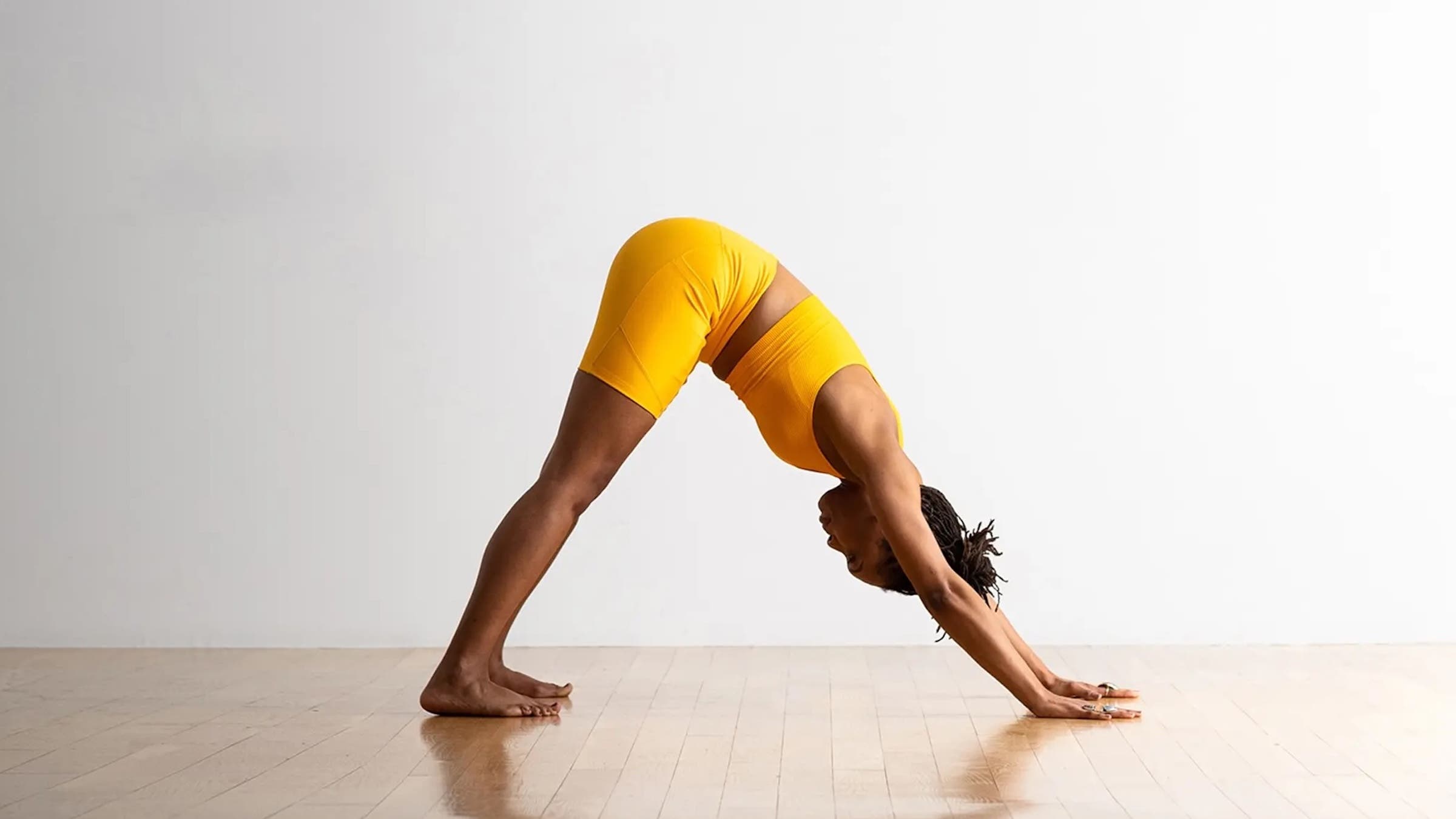
2. Downward-Facing Dog (Adho Mukha Svanasana)
Widely considered the ultimate baseline or "pause button" in a yoga sequence, Downward-Facing Dog offers an inverted perspective that can instantly reset an overwhelmed system.
- How to practice: Form an inverted "V" shape with your body, hands shoulder-width apart and feet hip-width apart. Spread your fingers wide, press firmly through your palms, and let your head hang completely heavy between your upper arms.
- Why it helps: Going even slightly upside down activates the parasympathetic nervous system, helping to slow a racing pulse. Returning to this foundational shape throughout a sequence provides a reliable anchor, offering stability and clearing out the mental clutter associated with acute anxiety.
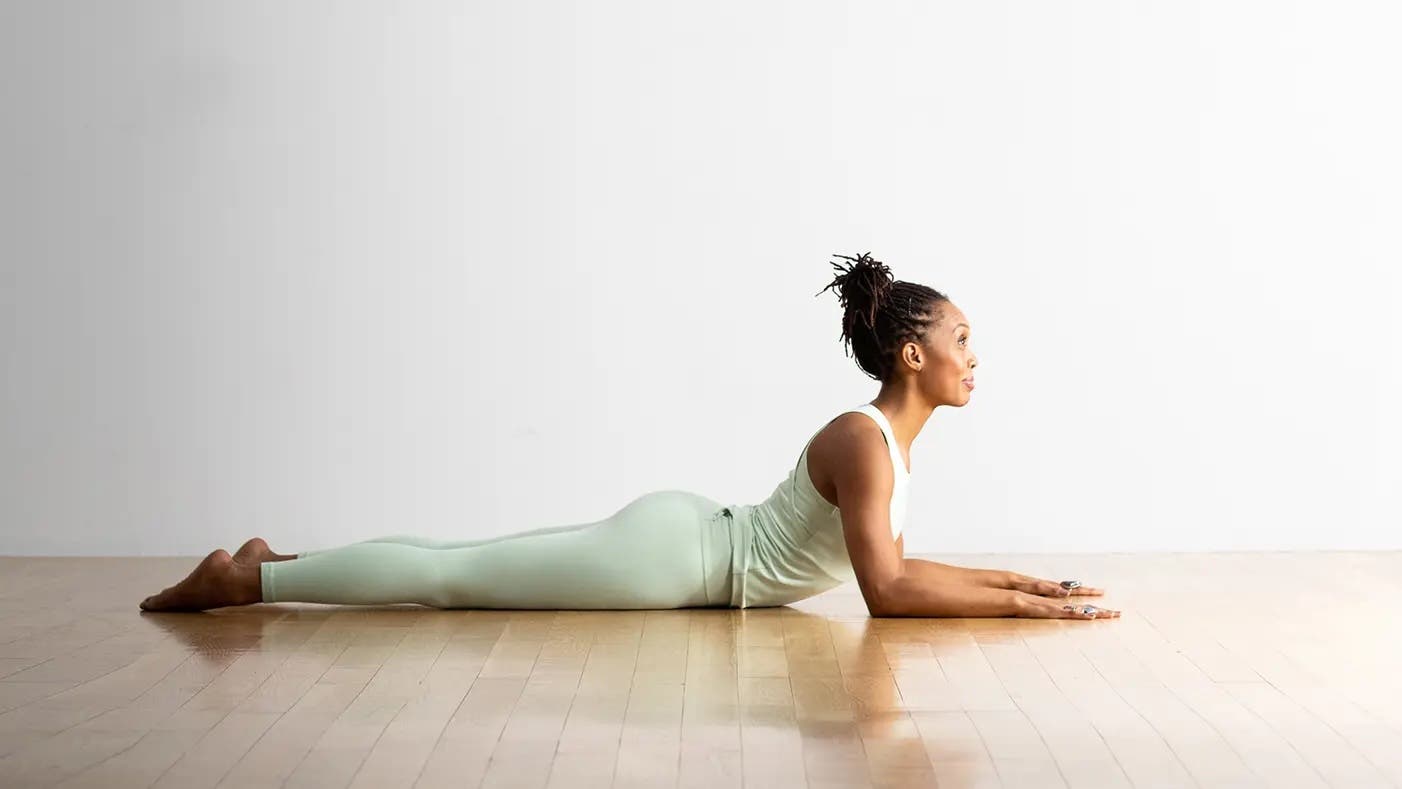
3. Sphinx Pose (Salamba Bhujangasana)
Anxiety often causes the body to physically contract—shoulders hunching forward, chest collapsing, and breathing becoming shallow. Sphinx Pose counters this physical manifestation by gently opening the front body.
- How to practice: Lie on your stomach with your elbows positioned directly beneath your shoulders, forearms parallel on the mat. Gently press your forearms down and draw your chest forward, lengthening through your spine while keeping your lower body relaxed against the floor.
- Why it helps: This supported, gentle backbend stretches the chest and abdomen without placing undue stress on the lower back. By physically broadening the torso, it encourages deeper, more expansive breaths, signaling safety to the nervous system.
4. Bridge Pose (Setu Bandhasana)
Similar to Sphinx Pose, Bridge Pose works to expand the physical space around the lungs, making deep, restorative breathing much more attainable.
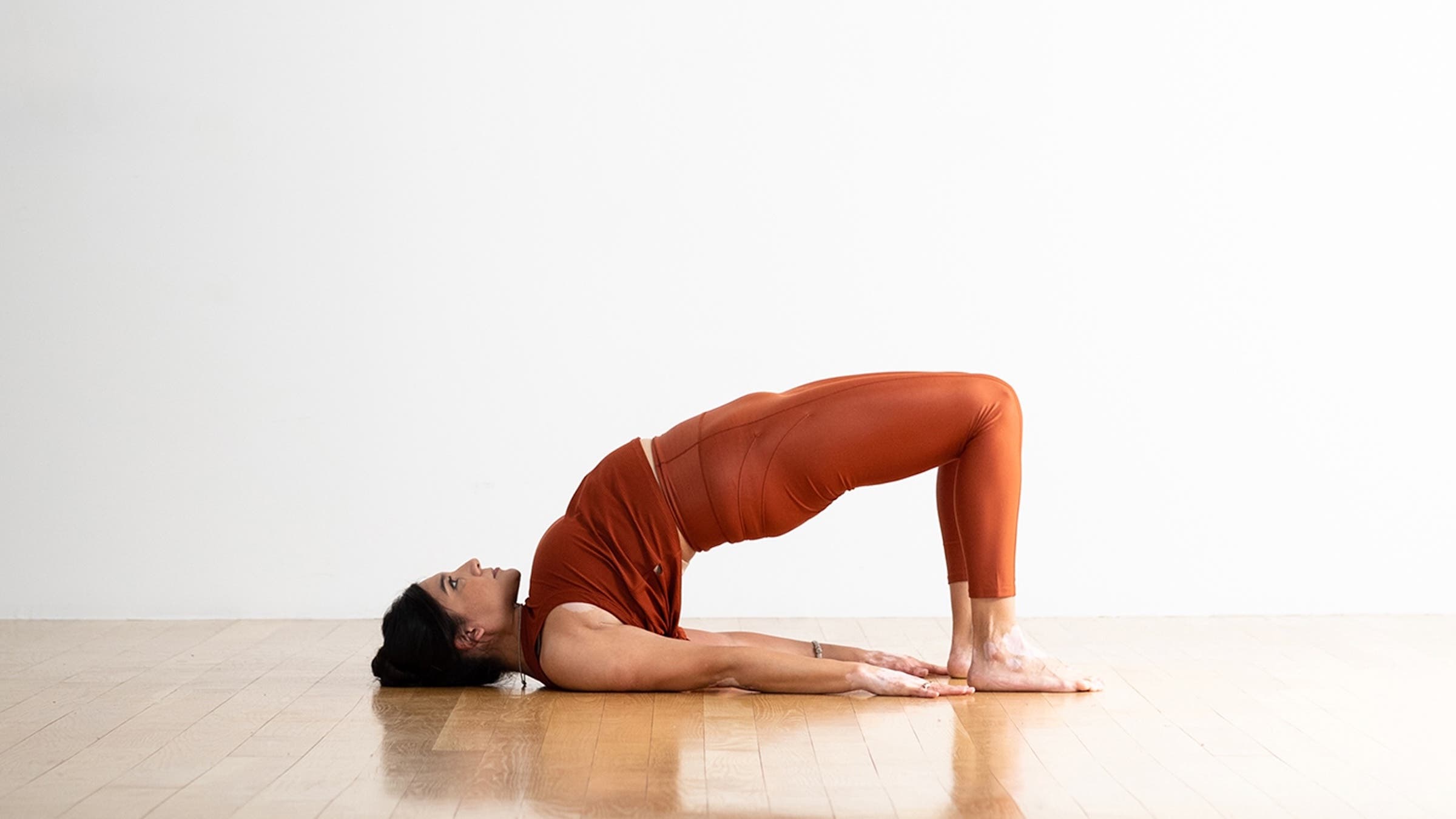
- How to practice: Lie on your back with your knees bent and your feet flat on the floor, hip-width apart. Press into your feet and arms to lift your hips toward the ceiling. You may clasp your hands underneath you to roll your shoulders further onto your back.
- Why it helps: As an accessible inversion that lifts the heart above the head, Bridge Pose triggers the calming effects of the parasympathetic nervous system. It directly combats the postural habits of chronic stress, opening the front body and inviting a profound sense of physical release.
5. Child’s Pose (Balasana)
When moments of extreme overwhelm occur and even complex poses feel out of reach, Child’s Pose remains the ultimate sanctuary.
- How to practice: Kneel on the floor, bring your big toes together, and widen your knees to the edges of your mat. Sit your hips back toward your heels and walk your hands forward, resting your forehead gently on the mat.
- Why it helps: Child’s Pose embodies absolute stillness, yet offers a slightly more active and comforting alternative to Corpse Pose (Savasana), which can occasionally feel too vulnerable or still during an anxious spin. The fetal, bow-like shape—combined with the physical pressure of the forehead making contact with the earth—stimulates the vagus nerve, immediately signaling the body’s relaxation response while deactivating the stress cycle.
