

Published September 1, 2026
For millions of runners, walkers, and active individuals, the introduction to the iliotibial (IT) band is rarely a gentle one. It usually arrives uninvited, announced by a sharp, nagging "ouch" with every step taken walking down the street or navigating a flight of stairs during a morning routine.
In that moment of sudden discomfort, a vow is swiftly made: I will stretch, I will strengthen, and I will never neglect my IT band again.
Yet, life has a way of derailing the best of intentions. The relentless demands of modern, sedentary routines—characterized by hours of uninterrupted sitting at desks, on commutes, and on couches—throw a wrench into lower-body biomechanics. This chronic immobility tightens the hips, strains connective tissue, and leaves the lower extremities vulnerable to pain.
However, relieving and preventing IT band discomfort does not have to remain an unkept promise. By integrating specific yoga postures into a regular routine, practitioners can systematically lengthen tight surrounding muscles, alleviate tension, and restore mobility.
Main Facts: Understanding the IT Band and the Modern Sedentary Lifestyle
To effectively treat IT band discomfort, it helps to understand what the structure actually is and why it rebels against daily habits.
The iliotibial band is a thick, robust band of fascia (connective tissue) that runs down the outside of the thigh, stretching from the hip (specifically the tensor fasciae latae and gluteus maximus muscles) all the way down past the knee to the shin bone (tibia). Its primary biological function is to stabilize the knee during movement, particularly during repetitive actions like running, walking, and cycling.
However, the IT band does not act in a vacuum. It is heavily influenced by the muscles attached to it and surrounding it, particularly the outer hips and glutes.
- The Sitting Epidemic: Prolonged sitting keeps the hip flexors in a chronically shortened state while rendering the glutes largely inactive. Over time, this muscular imbalance places excessive mechanical stress on the outer hips and the IT band.
- The Myth of Direct Stretching: Because the IT band is dense, fibrous fascia rather than elastic muscle tissue, it cannot technically be "stretched" in the traditional sense. Instead, effective IT band relief relies on releasing the surrounding musculature—the glutes, outer hips, and tensor fasciae latae—that tug on the band and cause friction and pain.
- The Yoga Solution: Specialized yoga sequences leverage gentle traction, targeted twists, and deep hip openers to relieve this connective tissue tightness safely and holistically.
Chronology: The Lifecycle of IT Band Discomfort
Understanding how IT band issues develop and how a consistent yoga practice can reverse the cycle provides a roadmap for long-term physical health.
Phase 1: The Onset (The Sedentary Trap)
Weeks or months of heavy sitting go by unchecked. Hip flexors tighten, glutes fall asleep, and pelvic alignment begins to subtly shift. The runner or walker maintains their routine without adjusting for cross-training or mobility work, setting the stage for mechanical friction.
Phase 2: The Wake-Up Call
The first sharp pain strikes on a morning jog or while descending a flight of stairs. The runner stops, diagnoses the outer knee or hip pain as an "IT band issue," and promises to prioritize recovery.
Phase 3: The Reactive Phase (Inconsistent Care)
The individual attempts erratic stretches—often pulling haphazardly at their legs or using foam rollers aggressively—which can sometimes irritate inflamed tissue further if done incorrectly. Discomfort flares up intermittently, interrupting fitness goals and daily routines.
Phase 4: The Proactive Phase (Consistent Yoga Integration)
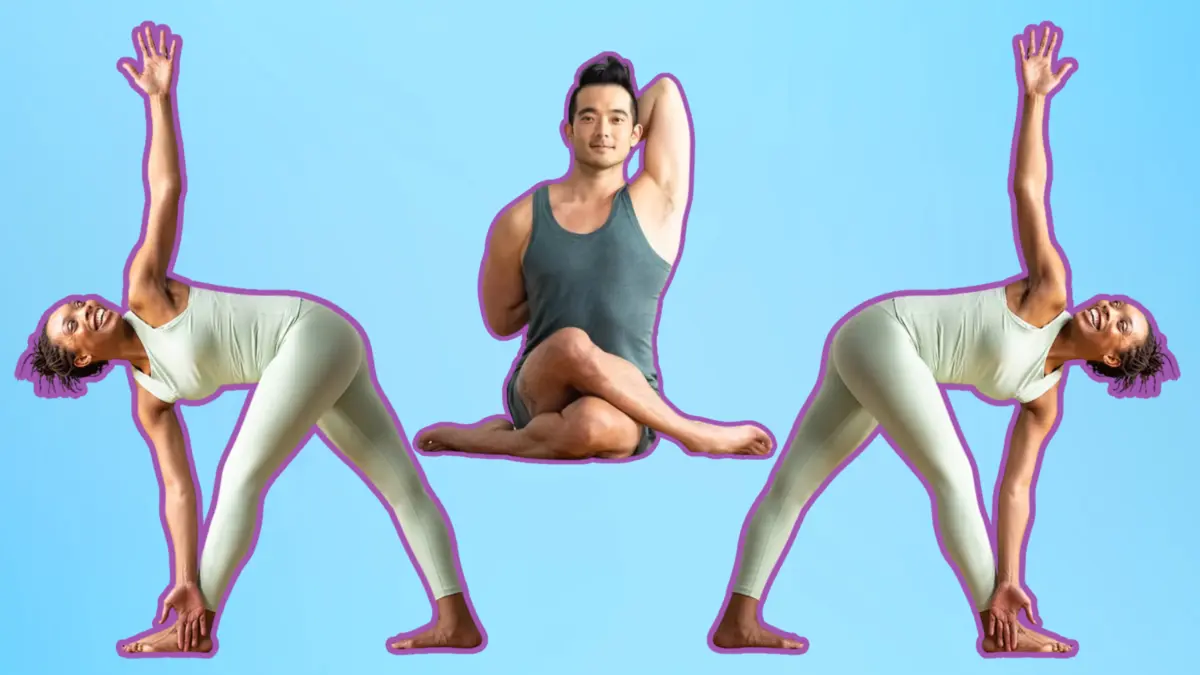
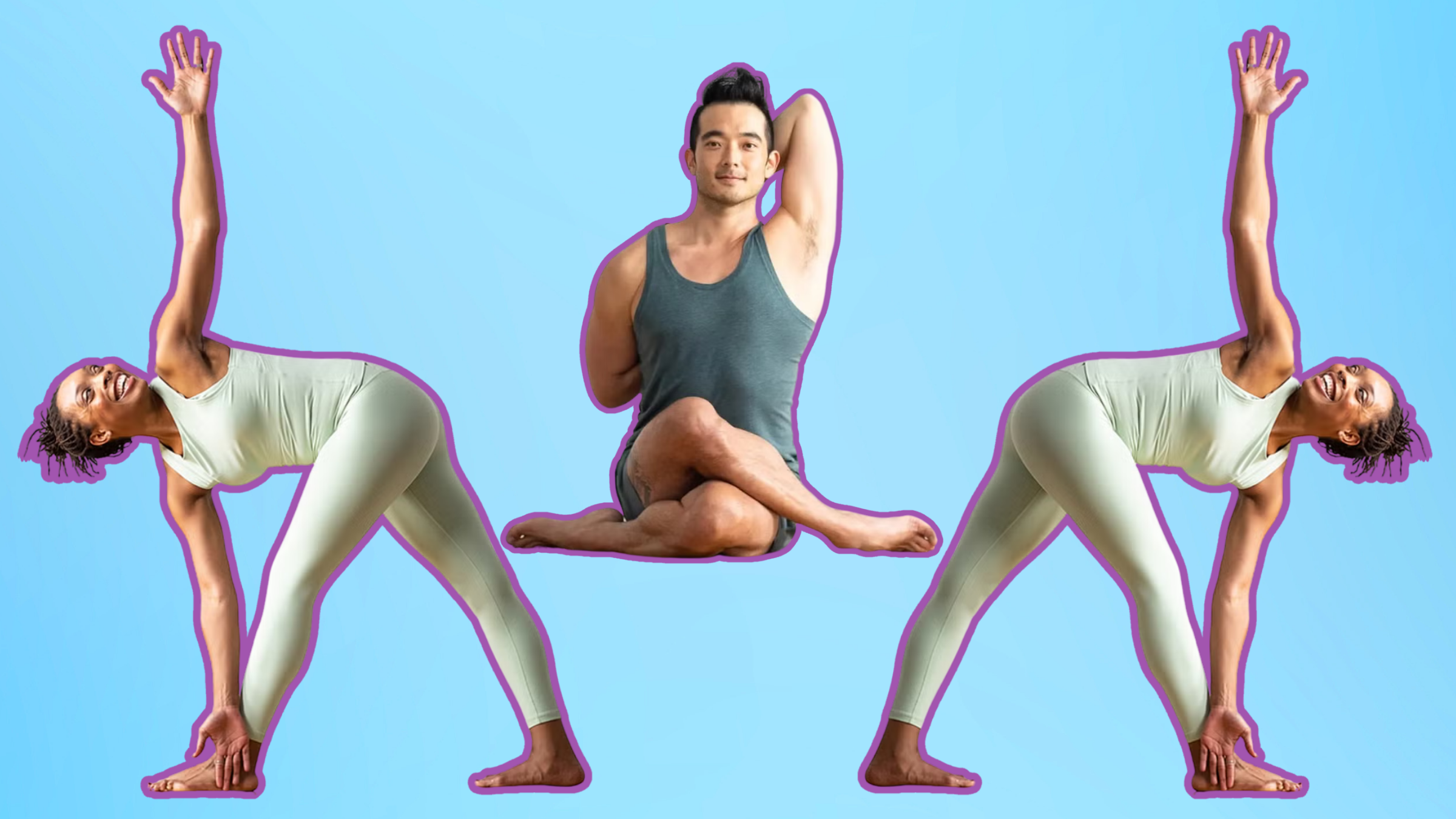
By introducing a structured, thoughtful yoga practice featuring specific restorative shapes (such as Reclining Figure 4 or Cow Face Pose), the practitioner addresses the root cause: chronic hip and glute tightness.
Phase 5: Long-Term Maintenance and Resilience
With time, breath, and consistent practice, the lower body regains its natural range of motion. Discomfort diminishes exponentially, allowing the individual to return to their morning walks and runs unhindered.
Supporting Data: The Mechanics of Relief and Injury Prevention
Sports science and physical therapy consistently underscore the importance of hip mobility in managing lower-extremity pain.
- Load Distribution: Studies on running mechanics indicate that up to 80% of running-related injuries are overuse injuries, with IT band syndrome (ITBS) accounting for a significant percentage among endurance athletes.
- The Role of Hip Abductors: Research highlights that weakness and tightness in the hip abductors and external rotators heavily correlate with increased strain on the lateral knee. Poses that safely target these areas can help redistribute mechanical loads away from the sensitive knee joint.
- Prop Variation Efficacy: When outer hips and knees are extremely tight, a "less is more" approach yields better long-term results. Utilizing yoga props (such as blocks, blankets, and bolsters) allows practitioners to access deep fascial releases without triggering a protective muscle-guarding response, which can otherwise exacerbate tension.
Expert Recommendations: 5 IT Band Stretches to Relieve Discomfort
When your IT bands demand attention, these five yoga postures can help. Note: If you are experiencing sharp, shooting pain rather than general tightness, approach these stretches with extreme caution and consult a healthcare professional before practicing.
1. Reclining Figure 4
Often practiced as a variation of Pigeon Pose, Reclining Figure 4 is performed on the back, making it accessible and gentle on the lower spine. It actively releases the hip and glute muscles and connective tissues that surround and pull on the IT bands.
- How to practice: Lie on your back with both knees bent and feet flat on the floor. Cross your right ankle over your left thigh, just below the knee, flexing your right foot to protect the knee joint.
- Intensity adjustments: For a milder stretch, keep your left foot resting on the mat. For a deeper, more intense stretch, lift your left foot off the floor, thread your hands through to grasp the back of your left thigh, and gently draw it toward your chest. Direct your lifted right knee slightly away from you toward the top of the mat. Switch sides.
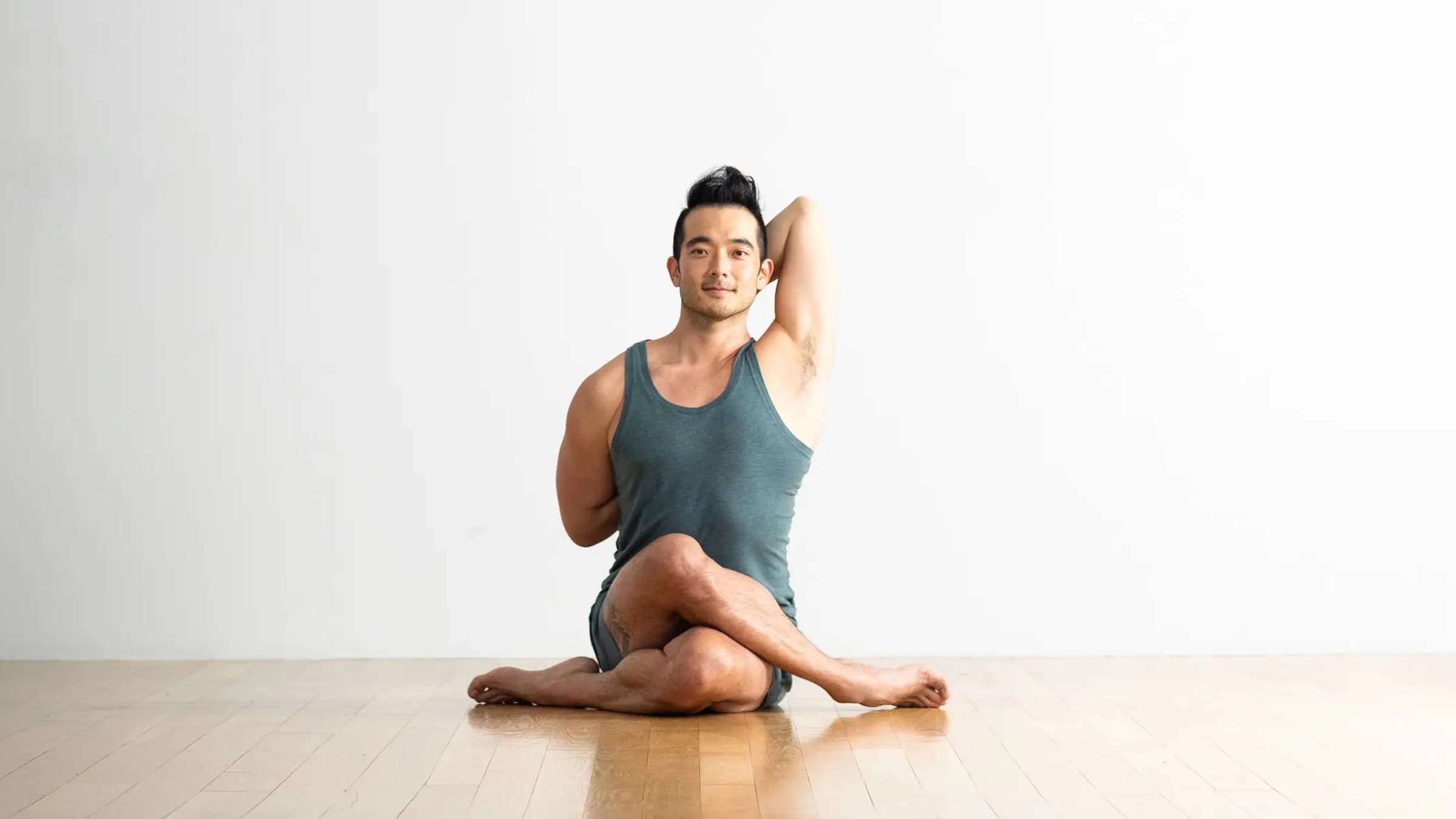
2. Cow Face Pose (Gomukhasana)
Though it appears to be a simple, unassuming seated posture, stacking one knee directly over the other in Cow Face Pose delivers a profound stretch to the outer hips and glutes.
- How to practice: Sit on the floor and cross your right knee directly on top of your left knee, bringing your feet out to the sides of your hips.
- Accessibility tips: If you find it difficult to cross your legs without your sit bones lifting off the floor, elevate your hips by sitting on a folded blanket or block. Keep your spine tall, breathe deeply into the outer hips, and switch sides after several breaths.
3. Cross-Legged Standing Forward Bend
A minor modification to a classic yoga staple transforms this forward fold into one of the most effective dynamic IT band and outer hip stretches available.
- How to practice: Stand tall, then step your right foot behind and slightly to the left of your left foot. Inhale your arms up, and as you exhale, hinge forward from your hips into a forward fold.
- Supportive props: Bend your knees as generously as needed to ease tension in the lower back and hamstrings. To bring the floor closer to you and maintain a long spine, place your hands on yoga blocks or a stack of books. Switch the cross of your legs and repeat.
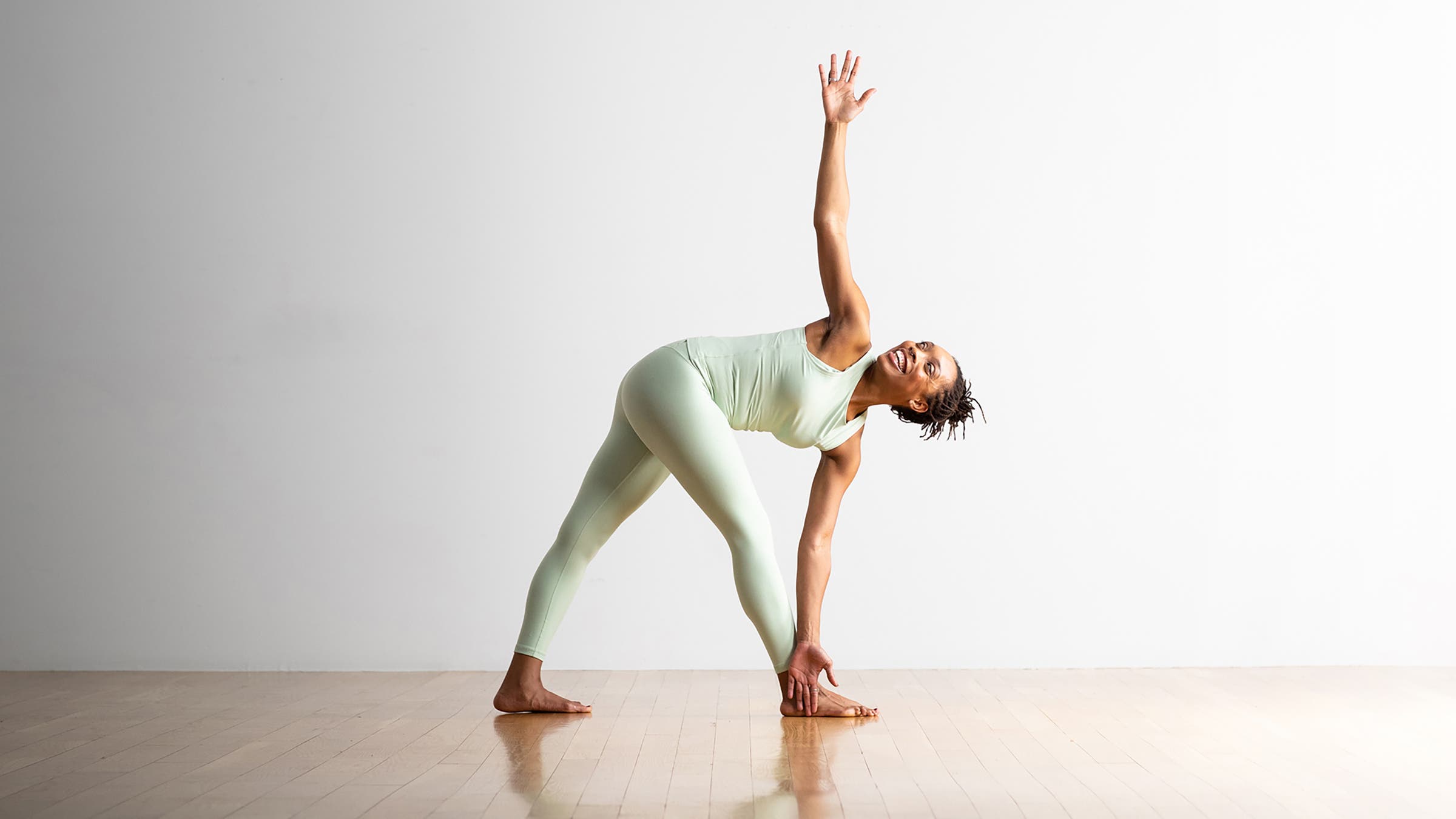
4. Revolved Triangle Pose (Parivrtta Trikonasana)
The "revolved" nature of this standing posture introduces a deep spinal twist that shifts the stretch directly into the outer hip and IT band of the front leg.
- How to practice: Step your feet wide apart, turn your front foot forward and your back foot slightly inward, and hinge forward halfway before twisting your torso toward the front leg, placing your opposite hand down and extending the other arm toward the sky.
- Modifications: Keep a micro-bend in both knees to prevent hyperextension, and place a yoga block underneath your bottom hand to reduce intensity and maintain structural integrity throughout the torso.
5. Supine Spinal Twist (Supta Matsyendrasana)
Supine twists offer a restorative closing to any movement session. By adjusting the alignment of the legs, this twist can be customized to target the outer thigh and hip.
- How to practice: Lie on your back, draw your knees into your chest, and drop them over to one side while extending your arms outward in a "T" shape.
- Maximum IT band relief: To target the IT band specifically, straighten your top leg as much as is comfortable, resting your foot on the mat, a block, or a pillow. To decrease intensity, keep both knees bent or place a bolster or pillow underneath your bottom knee for extra support.
Implications: Building a Sustainable Wellness Routine
Integrating these five yoga postures into a weekly routine carries profound implications for long-term physical autonomy. By treating movement as medicine and addressing the root causes of muscular imbalance—rather than merely reacting to pain after it flares up—individuals can reclaim their mobility.
Ultimately, the battle against the modern sedentary lifestyle requires intentional intervention. Whether you are an avid marathon runner logging high weekly mileage or a desk worker navigating the physical tolls of prolonged sitting, dedicating just a few minutes a day to mindful IT band care can mean the difference between wincing on the stairs and moving with effortless grace.
