

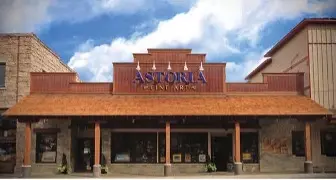
SPECIAL REPORT — Across the sprawling, rugged landscapes of the Rocky Mountain West, the neighboring states of Montana and Wyoming are internationally celebrated for more than just their dramatic national parks, alpine peaks, and pristine waterways. Beyond their geographic grandeur, these states form the cultural epicenter of the American Western art market. Home to two of the most significant fine art gatherings in the nation—Great Falls’ famed Western Art Week and the enduring Jackson Hole Fall Arts Festival—Montana and Wyoming serve as living testaments to a frontier heritage that continues to inspire contemporary painters, sculptors, and collectors alike.
For connoisseurs, historians, and casual art enthusiasts, these states offer a dynamic convergence of high-market commerce and cultural preservation. Through a robust network of world-class museums, historic galleries, and community-wide celebrations, the region bridges the gap between historical romanticism and cutting-edge contemporary expression.
Main Facts: The Pillars of the Western Art Economy
The cultural landscape of Montana and Wyoming is anchored by institutions and events that drive millions of dollars into the regional economy while defining the aesthetic parameters of Western art on a global scale.
At the center of this ecosystem are two premier annual events:
- Western Art Week (Great Falls, Montana): Held annually every March, this multi-day phenomenon transforms Great Falls into a bustling metropolis of canvas, bronze, and charcoal. Dozens of concurrent shows, major auctions, and gallery exhibitions showcase the work of hundreds of artists, drawing collectors from across the globe.
- The Jackson Hole Fall Arts Festival (Jackson, Wyoming): Now celebrating its milestone 42nd year, this premier autumn gathering showcases Jackson’s vibrant cultural scene against the backdrop of the Teton Range. The festival features premier auctions, outdoor quick-draw painting events, gallery walks, and culinary showcases.
Complementing these festivals are premier anchor institutions—most notably the C.M. Russell Museum in Great Falls and the National Museum of Wildlife Art in Jackson. These institutions do not merely exhibit historical artifacts; they act as active catalysts for contemporary artistic production, hosting major annual fundraisers, educational symposiums, and prestigious sales that dictate market trends.
Chronology: From Frontier Canvas to Modern Market Powerhouse
To understand the current prominence of Montana and Wyoming in the art world, one must trace a rich historical trajectory that spans more than a century.
The Late 19th and Early 20th Centuries: Documenting the Frontier
As the American frontier drew to a close, pioneering artists sought to capture the untamed spirit of the West before it vanished.
- Charles Marion Russell (C.M. Russell): Based in Great Falls, Montana, Russell became one of the defining visual historians of the American West. His authentic, deeply lived depictions of cowboys, Native Americans, and sweeping landscapes laid the foundational aesthetic for generations of Montana artists.
- The Formation of Visual Traditions: Simultaneously, artists and illustrators flocked to Wyoming’s Jackson Hole valley and Yellowstone regions, drawn by the dramatic topography and unique wildlife. Their works served as vital visual records that eventually stimulated early conservation movements and established the region as a muse for fine artists.
The Mid-20th Century: Institutionalization and Preservation
As the market for Western art matured, communities recognized the need for permanent repositories to safeguard this cultural heritage.
- 1950s–1960s: The founding of dedicated regional museums transformed transient artistic interest into permanent cultural infrastructure. The C.M. Russell Museum opened its doors in Great Falls, establishing a permanent home for Russell’s studio and extensive collection.
- Establishment of Guilds and Co-ops: Local galleries began to formalize cooperative networks, laying the groundwork for organized multi-venue events.
The Late 20th Century to Present: The Birth of Modern Festivals
- The Inception of Jackson Hole Fall Arts Festival: Recognizing the need to extend the tourism season while celebrating the valley’s rich creative community, local leaders and gallery owners launched what would become the Jackson Hole Fall Arts Festival. Over four decades, it has evolved into one of the country’s most prestigious cultural events.
- Evolution of Western Art Week: What began as localized gatherings around a single museum auction in Great Falls organically expanded into a city-wide celebration encompassing multiple hotel shows, independent dealer exhibitions, and contemporary showcases, cementing March as a mandatory pilgrimage month for Western art collectors.
Supporting Data: Economic Impact and Market Vitality
The fine art market in Montana and Wyoming represents a multi-million-dollar economic engine that defies rural stereotypes. According to regional tourism boards, arts and culture generate substantial economic activity annually, supporting hundreds of local jobs ranging from master framers and gallery directors to hospitality workers and logistical coordinators.
- Auction Performance: Major sales events—such as those hosted during Western Art Week and the Jackson Hole Fall Arts Festival—frequently yield millions of dollars in single-weekend transactions. Pieces by both deceased masters (like Russell, Frederic Remington, and O.E. Berninghaus) and premier living masters routinely command prices ranging from tens of thousands to upwards of six figures.
- Tourism Multipliers: During peak festival weeks, lodging occupancies in Great Falls and Jackson approach maximum capacity. Cultural tourists spend significantly more per day than traditional leisure travelers, injecting vital capital into local dining, retail, and hospitality sectors.
- Institutional Endowment and Philanthropy: Annual museum fundraisers in both states raise crucial operating revenue, enabling institutions to acquire rare historical works, fund educational outreach programs, and support artist-in-residence initiatives.
Official Responses and Perspectives
Industry leaders, museum directors, and gallery curators emphasize that the vitality of the Montana-Wyoming art axis lies in its ability to balance deep-rooted tradition with contemporary relevance.
Dr. Elizabeth Vance, a regional art historian and cultural strategist, notes:
"The Western art market is often mischaracterized as purely nostalgic. In reality, Montana and Wyoming serve as laboratories where contemporary creators wrestle with pressing ecological, social, and historical questions. The collectors who travel to Great Falls and Jackson are looking for authenticity—work that speaks to the complex realities of the modern American landscape through the timeless vocabulary of fine art."
Gallery directors in both states report a notable generational shift in the collector base. While traditional bronze sculptures and classical oil paintings of cowboys and wildlife remain perennial favorites, there is an escalating demand for contemporary interpretations, abstract landscapes, and diverse artistic narratives that challenge and expand the traditional Western canon.
A spokesperson for the Jackson Hole Fall Arts Festival committee shared:
"Reaching our 42nd year is a testament to the community’s unwavering commitment to creative excellence. We’ve watched generations of families return to Jackson not just for the autumn foliage, but to participate in a living tradition where artists and collectors engage in a continuous, vibrant dialogue."
Implications: The Future of Western Fine Art
As we look toward the upcoming exhibition schedules and plan cultural itineraries for the months and years ahead, the prominence of Montana and Wyoming carries profound implications for the broader American art market.
1. Decentralization of the Fine Art Market
For decades, major metropolitan centers like New York and Los Angeles dominated the high-end art conversation. The enduring success of Montana and Wyoming demonstrates a powerful decentralization. Collectors, critics, and curators increasingly recognize that vital, market-driving fine art movements can thrive in non-traditional geographic hubs anchored by strong regional identity and community engagement.
2. Environmental and Cultural Stewardship
Because much of the art produced and exhibited in these states centers on the natural world, the regional art market is inextricably linked to conservation. Galleries and museums frequently partner with environmental organizations, using high-profile art sales to fund land preservation and wildlife protection initiatives. Thus, every canvas sold contributes directly to preserving the physical landscapes that inspired it.
3. A Roadmap for Cultural Tourism
The collaborative model perfected by Great Falls and Jackson offers a masterclass in cultural tourism. By aligning independent commercial galleries, major public museums, municipal governments, and hospitality providers into unified annual celebrations, these communities have created resilient economic models that weather broader economic fluctuations.
Planning Your Journey: A Glimpse Ahead
For art lovers looking to immerse themselves in this vibrant cultural landscape, the upcoming months offer an extraordinary array of exhibitions. Whether you choose to navigate the bustling hotel ballrooms and historic venues of Great Falls during March’s Western Art Week, or experience the crisp autumn air and world-class gallery walks of the Jackson Hole Fall Arts Festival, the Rocky Mountain West promises an unforgettable aesthetic journey.
As local galleries finalize their upcoming exhibition schedules, collectors are encouraged to secure accommodations well in advance. From masterworks of the American frontier to daring contemporary visions of the modern West, Montana and Wyoming continue to extend an open invitation to experience the very best of fine art in the American landscape.
