

Published August 31, 2026
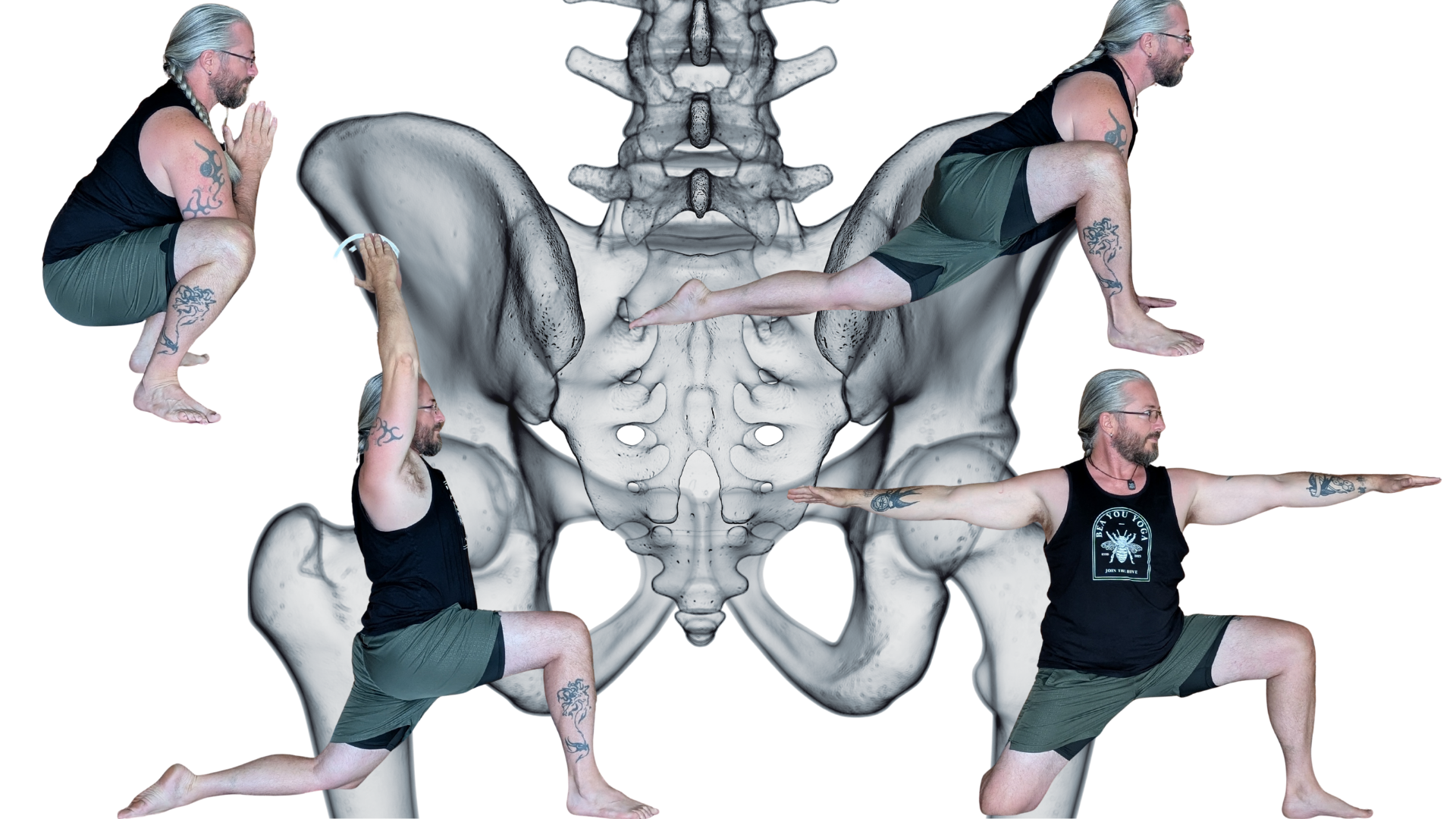
Main Facts: The Power of Targeted Mobility
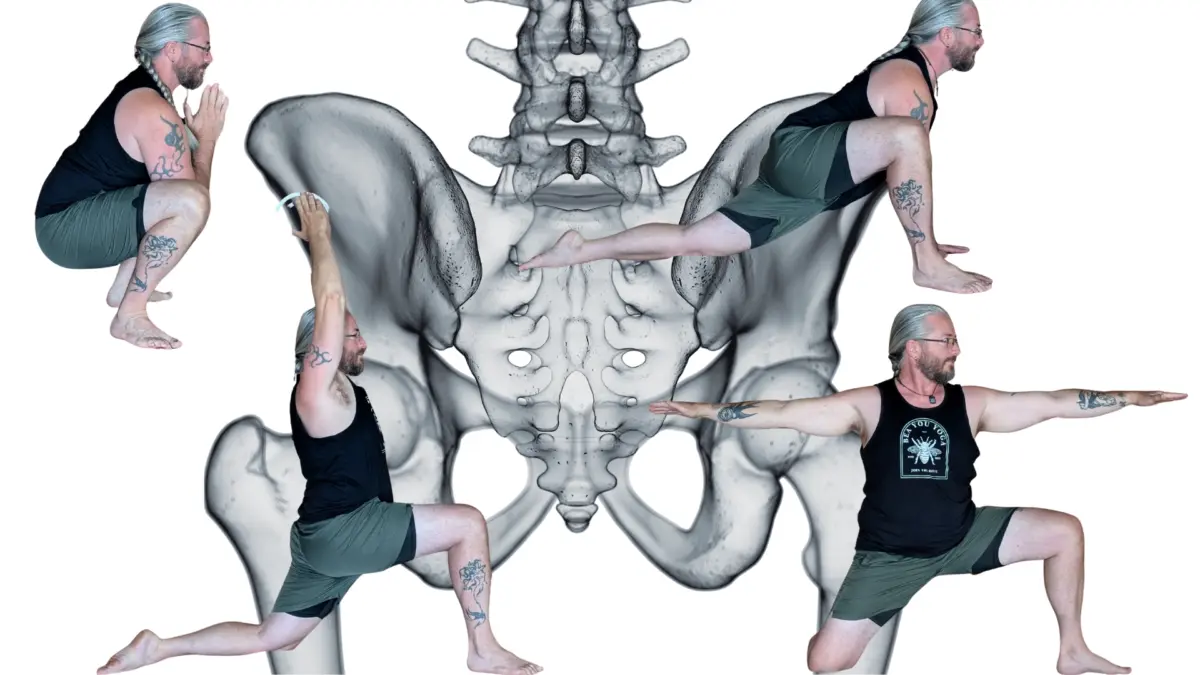
For millions of adults navigating modern sedentary lifestyles—whether chained to a corporate desk or recovering from intensive careers—physical stiffness is often accepted as an inevitable byproduct of aging. However, fitness and wellness experts increasingly point to a single, localized source for widespread physical discomfort: tight hips.
Jared McKenzie, a military veteran who began his yoga journey at age 50 after a decade-plus of desk work compounded by post-traumatic stress disorder (PTSD) and depression, discovered firsthand how liberating hip mobility can be. Plagued by weak muscles, limited range of motion, and persistent knee and lower back pain, McKenzie realized that his physical limitations were tethered directly to chronic tension locked within his hip flexors and rotators.
By committing to a targeted, 10-minute daily hip-opening yoga sequence, McKenzie transformed not only his physical posture and balance on the mat, but also his overall quality of life. The sequence—requiring nothing more than a yoga mat and an optional folded blanket for knee support—blends dynamic movement with breath awareness. Rather than static stretching, this routine mobilizes the hip joints through flexion, extension, internal and external rotation, and lateral movement, proving that short, consistent routines can yield profound physical breakthroughs.
Chronology: From Sedentary Struggle to Mat-Bound Mastery
To understand the efficacy of McKenzie’s routine, it is essential to trace the timeline of how the human body deteriorates under chronic stress and inactivity, and how intentional movement reverses that trajectory.
- The Military Career and Desk-Bound Years: McKenzie spent the final 12 years of his military service behind a desk. Prolonged sitting forces the hip flexors (such as the psoas and iliacus) into a chronically shortened state, while gluteal muscles become inhibited and weak.
- The Onset of Secondary Complications: Following retirement, sedentary habits collided with struggles against PTSD and depression. The physical manifestations included muscular atrophy, restricted range of motion, and compensatory pain manifesting in the knees and lower back as the body attempted to offset immobile hips.
- Discovery at Age 50: Entering a yoga practice for the first time at age 50, McKenzie faced immediate hurdles with balance and movement. The rigid kinetic chain made basic transitions clumsy and uncomfortable.
- The Epiphany and Routine Formulation: Through consistent practice, McKenzie identified that his muscular tension was centrally pooled in his hips. He curated a specialized, 10-minute daily sequence designed to hit the hips from every functional angle.
- Sustainable Daily Integration: Today, the sequence serves as a non-negotiable anchor in McKenzie’s routine, bridging the gap between restorative physical therapy and mindful movement.
Supporting Data: The Anatomy of Hip Tightness and Modern Sedentism
The correlation between tight hips, back pain, and mental health struggles is heavily supported by modern kinesiology and clinical research.
The Cost of the "Sitting Disease"
According to occupational health data, the average adult spends between 9 to 11 hours a day sitting. This postural habit keeps the hip flexors contracted. When these muscles remain tight, they pull on the pelvis, creating an anterior pelvic tilt. This tilt places excessive shear stress on the lumbar spine (lower back) and disrupts the biomechanics of the knees during walking and standing.
The Mind-Body Connection
McKenzie’s experience with PTSD and depression running parallel to physical immobility is far from anecdotal. Somatic psychology and trauma research indicate that the body holds emotional and physiological stress within the autonomic nervous system and myofascial tissues, particularly the psoas muscle—often referred to as the "muscle of the soul." Because the psoas is intimately connected to the body’s fight-or-flight response, individuals dealing with trauma often experience chronic psoas hypertonicity (tightness). Activating these areas through mindful, breath-led movement facilitates both physical release and nervous system regulation.
Official Responses and Expert Perspectives: Why Dynamic Mobility Trumps Static Stretching
Physical therapists and yoga educators have long debated the most effective ways to treat lower body stiffness. The consensus among movement specialists strongly favors dynamic, multi-planar routines over passive holding.
“When we look at traditional stretching, people often isolate a muscle and hold it for 30 seconds,” notes a prominent physical therapist specializing in orthopedic rehabilitation. “However, the hip joint is a ball-and-socket structure designed for multi-directional freedom. A routine that cycles through flexion, extension, rotation, and lateral deviation—while tying those movements to the breath—re-educates the central nervous system on how to safely inhabit that range of motion.”
Yoga instructors emphasize that the inclusion of breath awareness elevates the practice from mechanical calisthenics to somatic therapy. By focusing the mind on the inhalation and exhalation during transitions like the Scorpion Twist or Lizard Lunge, practitioners down-regulate the sympathetic nervous system (fight-or-flight), allowing muscles to organically soften rather than bracing against a deep stretch.
Implications: Building a Sustainable 10-Minute Home Practice
The broader implication of McKenzie’s journey is that physical rehabilitation and mobility enhancement do not require hours in a gym or expensive equipment. For aging populations, busy professionals, and individuals managing mental health conditions, micro-interventions can yield macro-results.
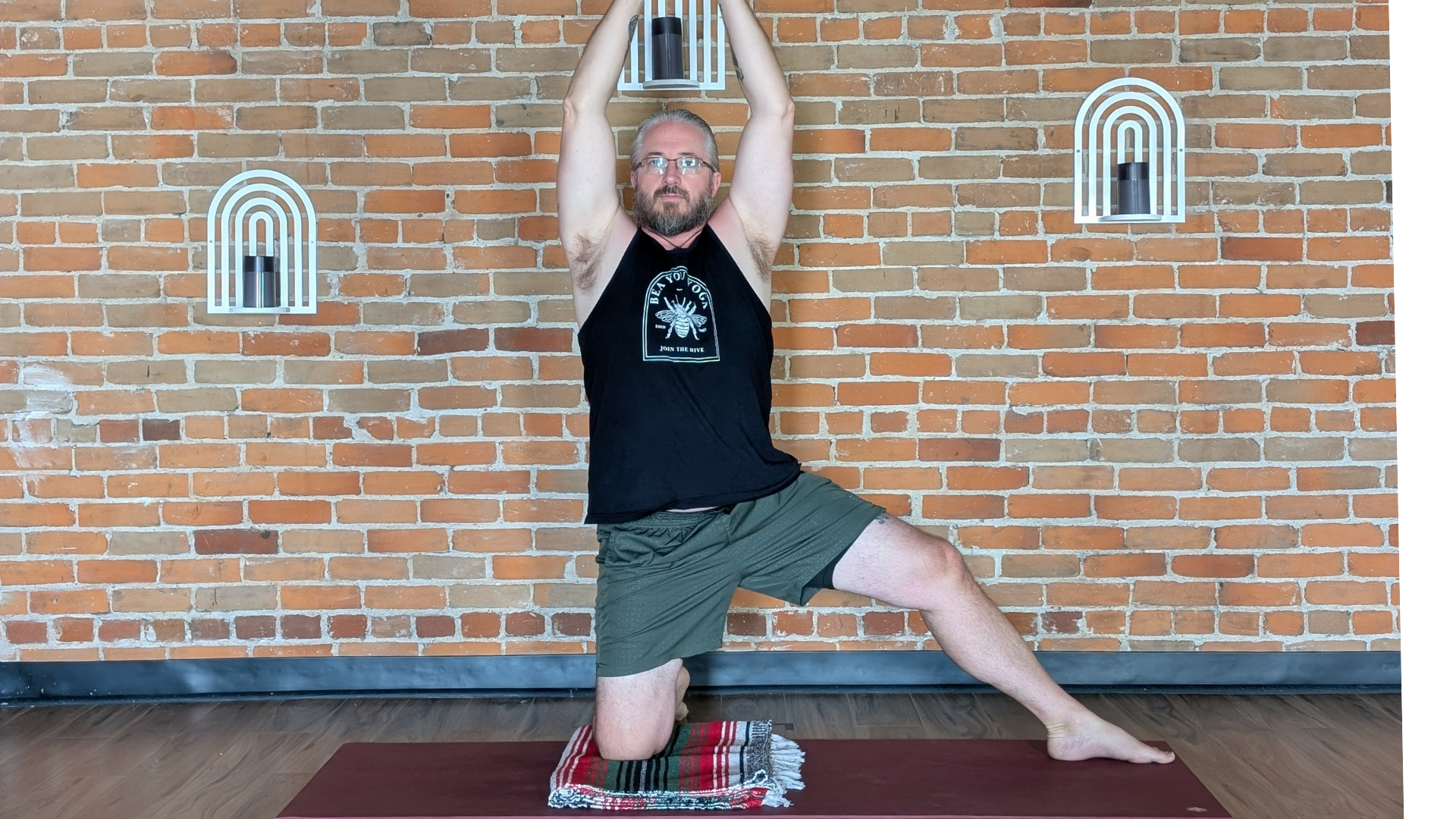
The 10-Minute Stretches for Tight Hips Routine
For those looking to replicate McKenzie’s success, the sequence can be integrated into any morning or evening schedule. Note: Always consult a physician before beginning a new exercise program.
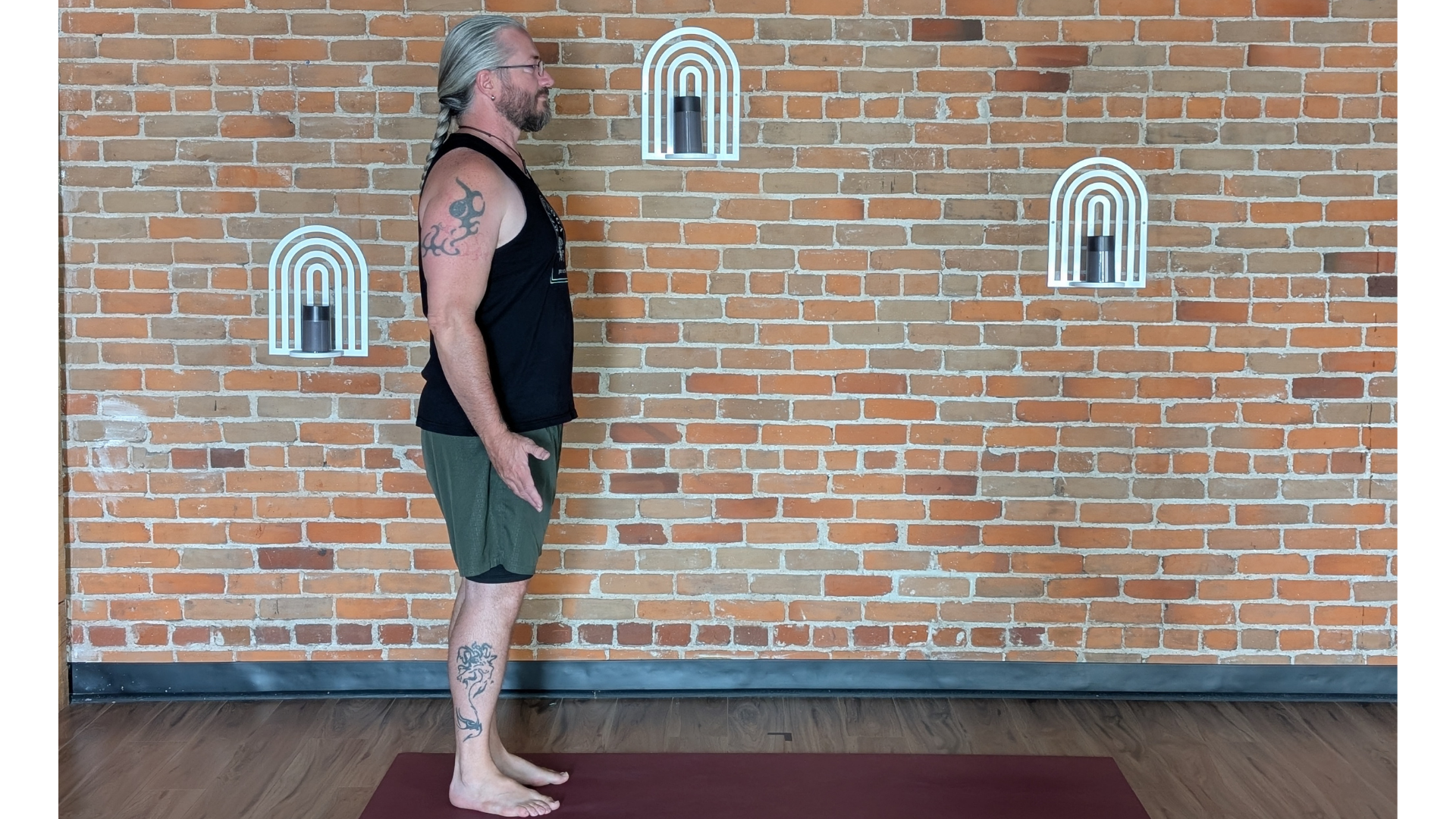
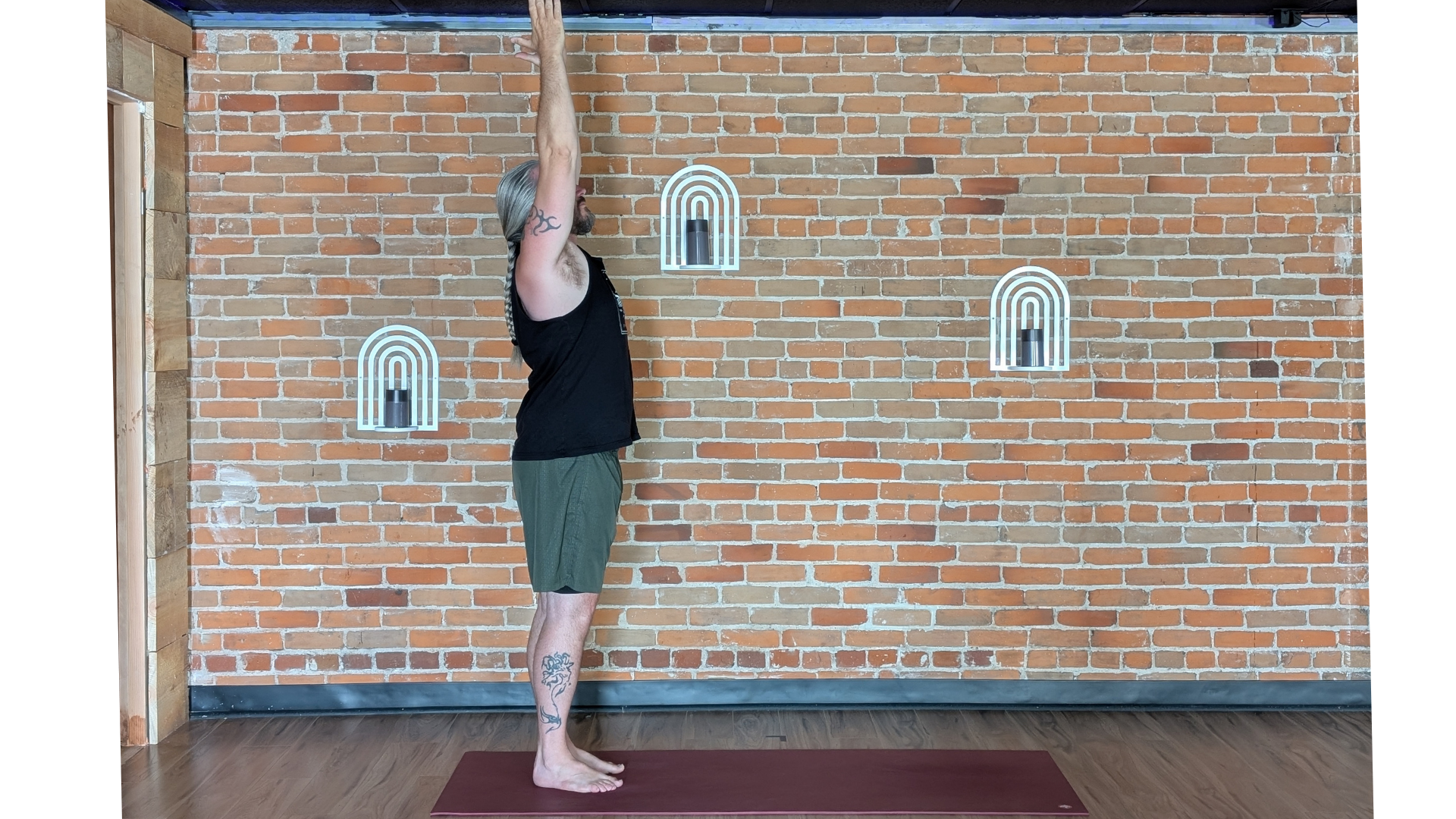
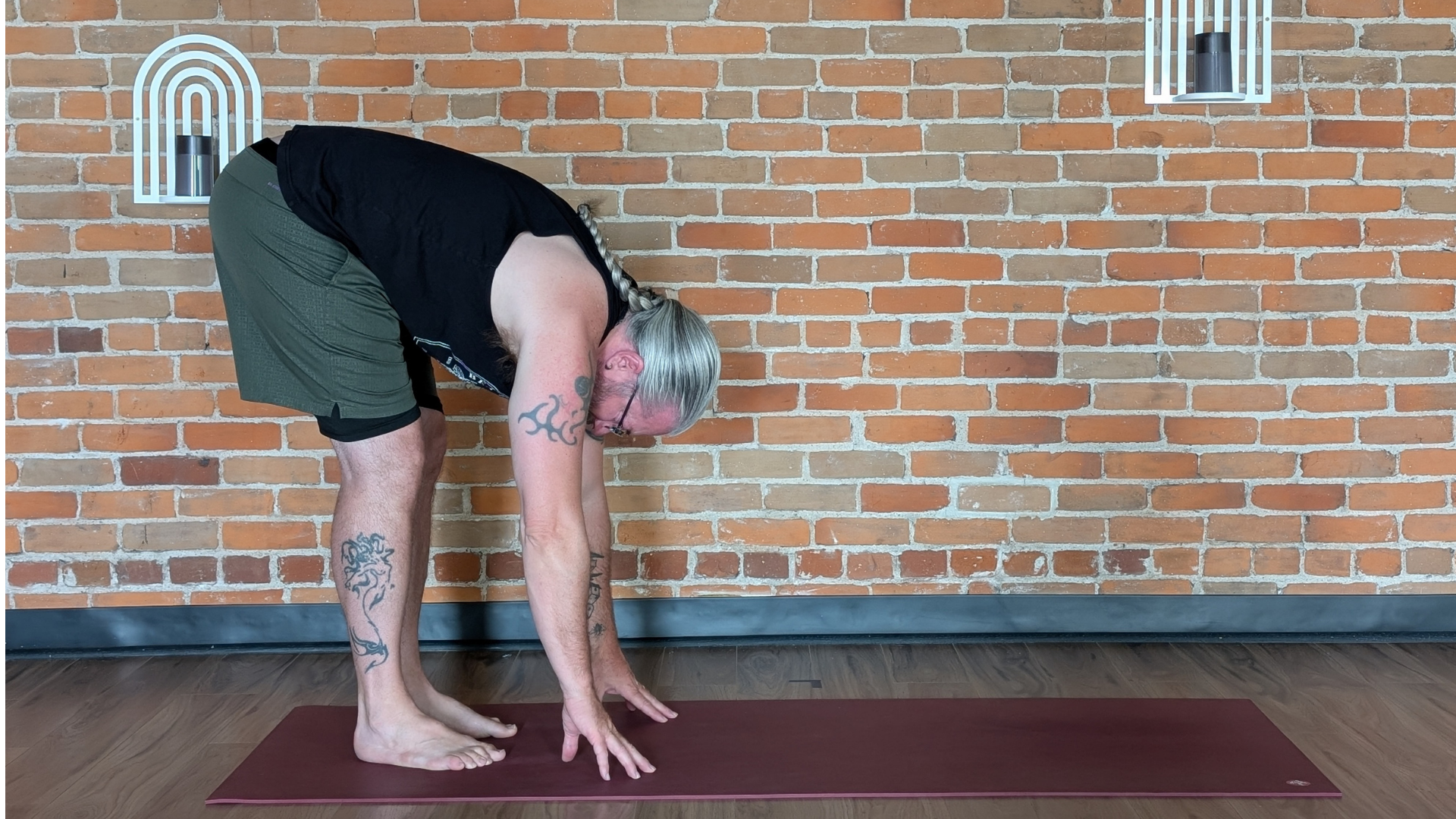
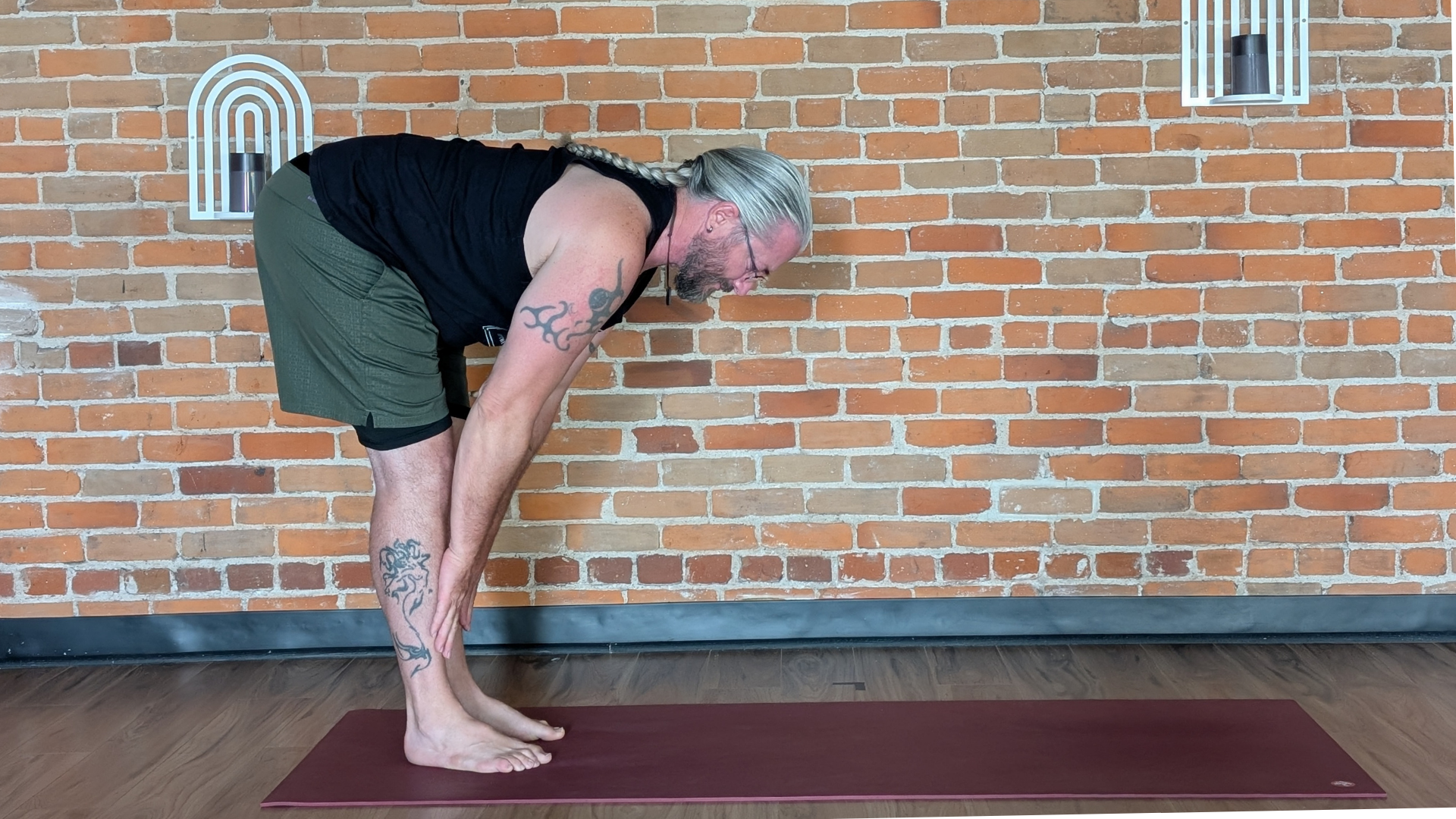
- Sun Breaths (Half Sun Salutation A) – 5 Rounds: Begin in Mountain Pose (Tadasana). Inhale arms overhead into Upward Salute, exhale hinge at the hips into a Standing Forward Bend, inhale to a halfway lift with a flat back, exhale fold, and inhale rise to standing with hands at heart center. This warms the spine and hamstrings.
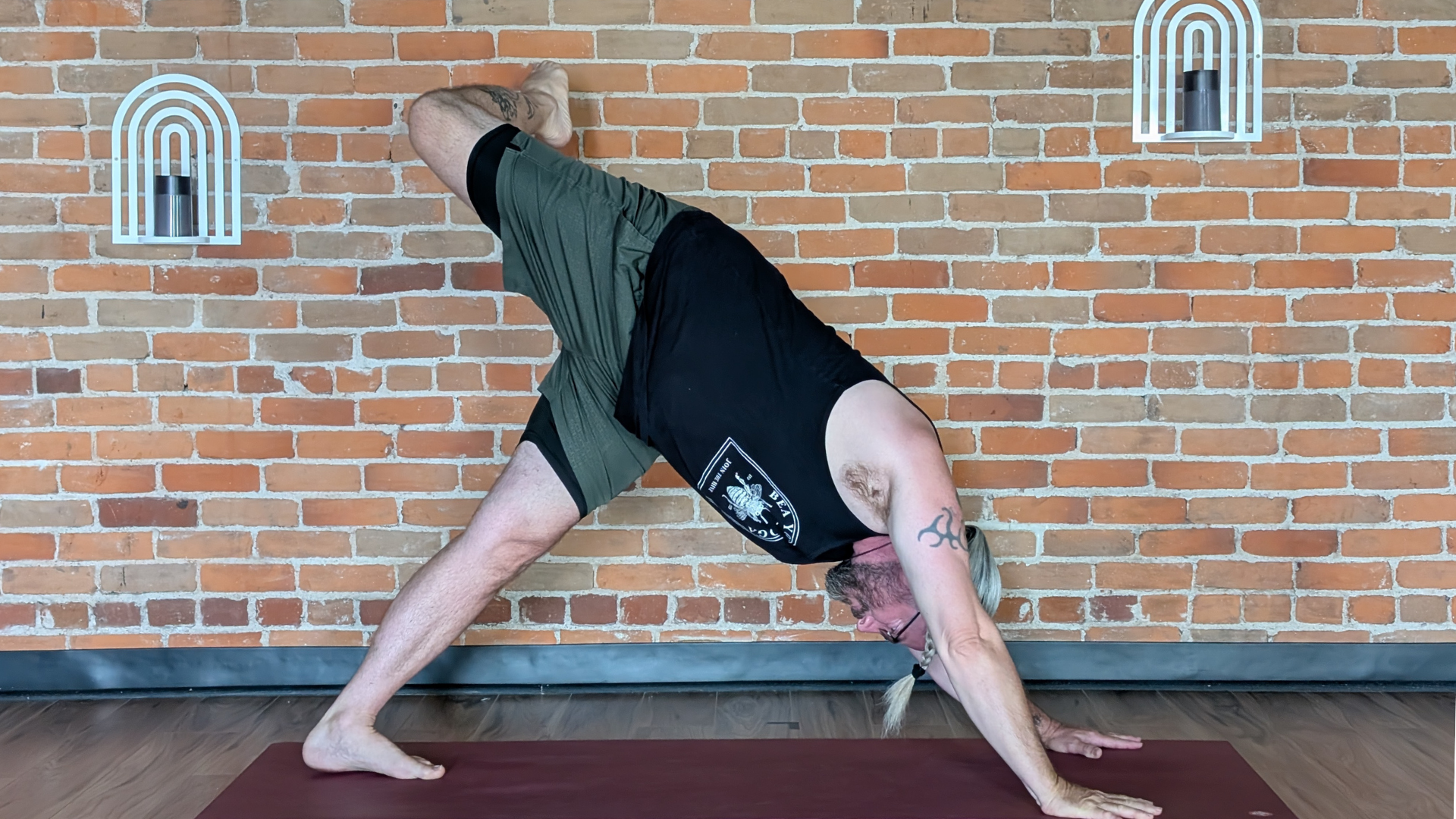
- Scorpion Twist (Downward-Facing Dog Variation) – 3 Breaths per side: From Downward Dog, lift the right leg into Three-Legged Dog, bend the right knee, and stack the right hip over the left to open the joint.
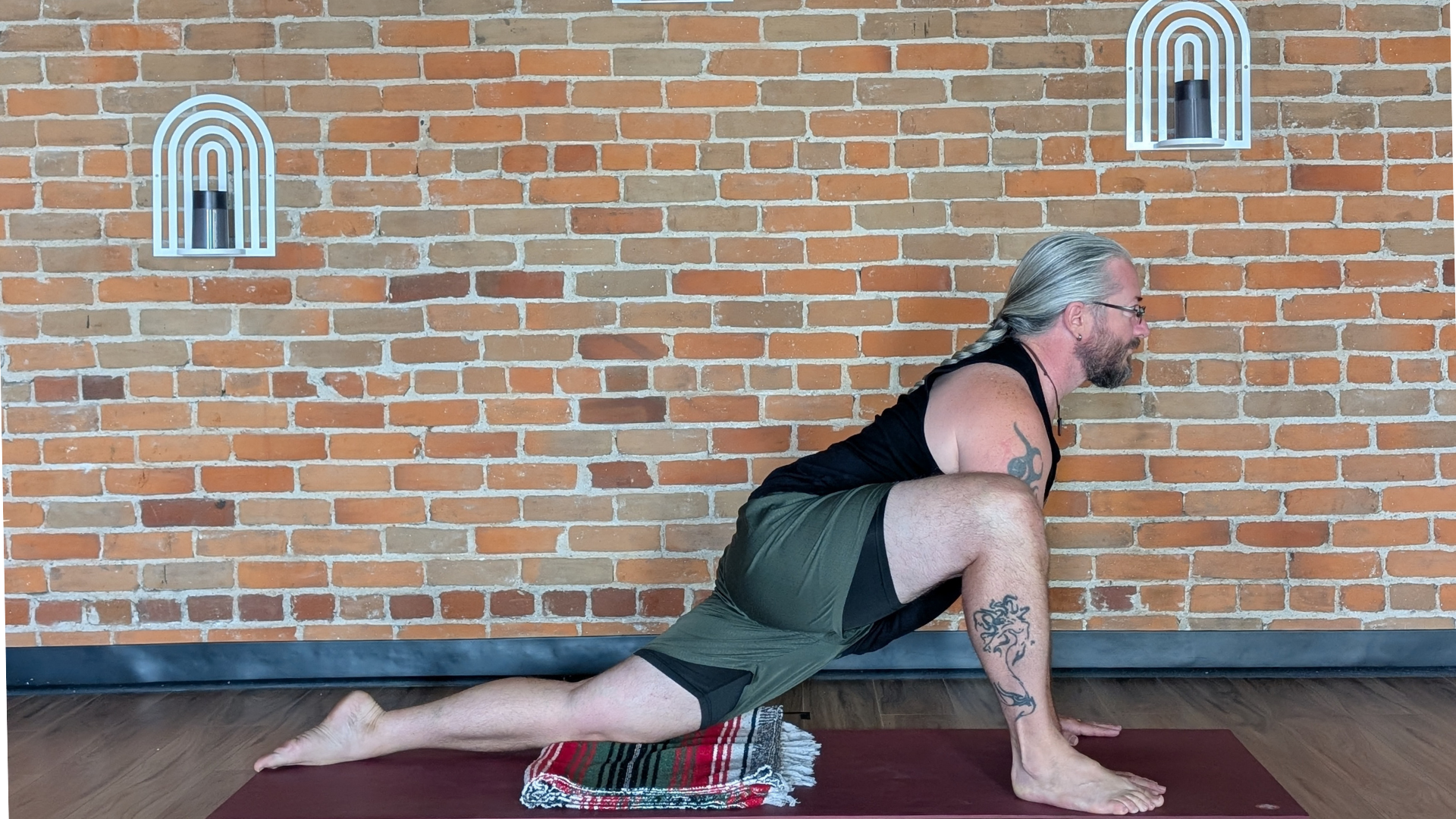
- Lizard Lunge – 3 Breaths per side: Step the right foot to the top right corner of the mat, drop the back left knee (using a blanket for padding if needed), engage the glutes, and lift the chest.
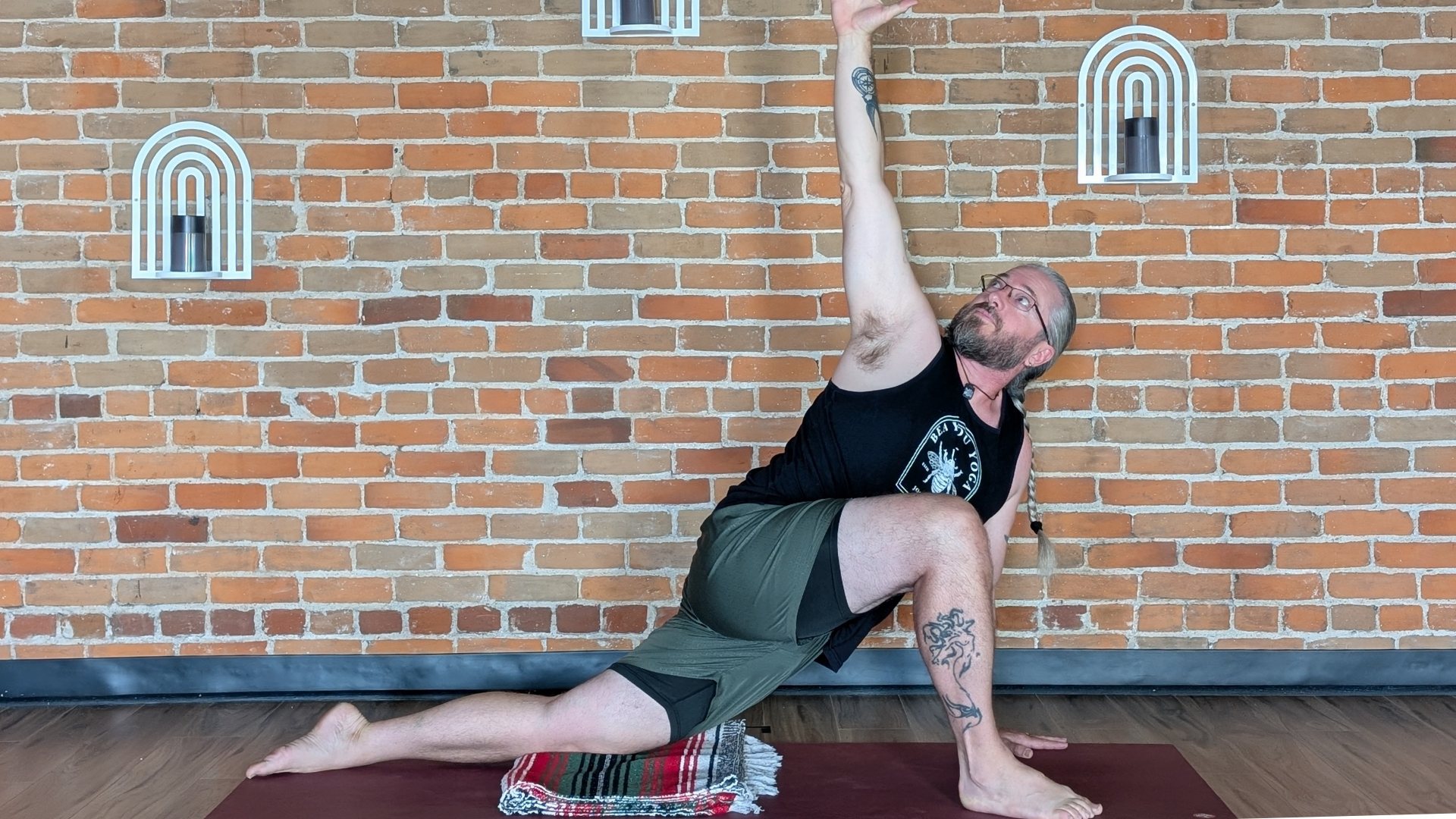
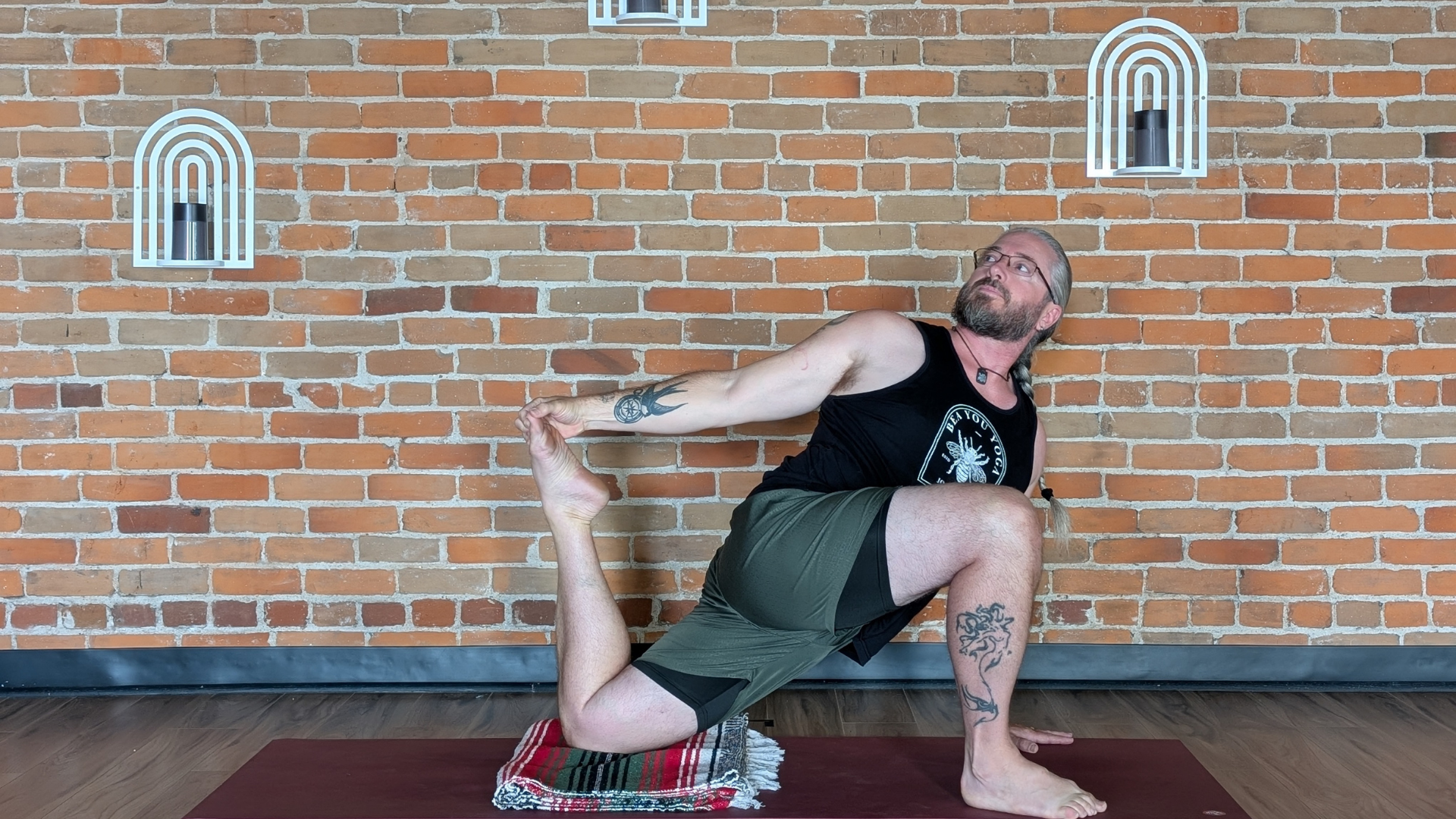
- Monkey Twist – 3 to 4 Breaths per side: From Lizard Lunge, reach the right arm to the ceiling into a twist. Optionally, bend the back left knee and catch the left foot with the right hand for a quad and hip flexor stretch.
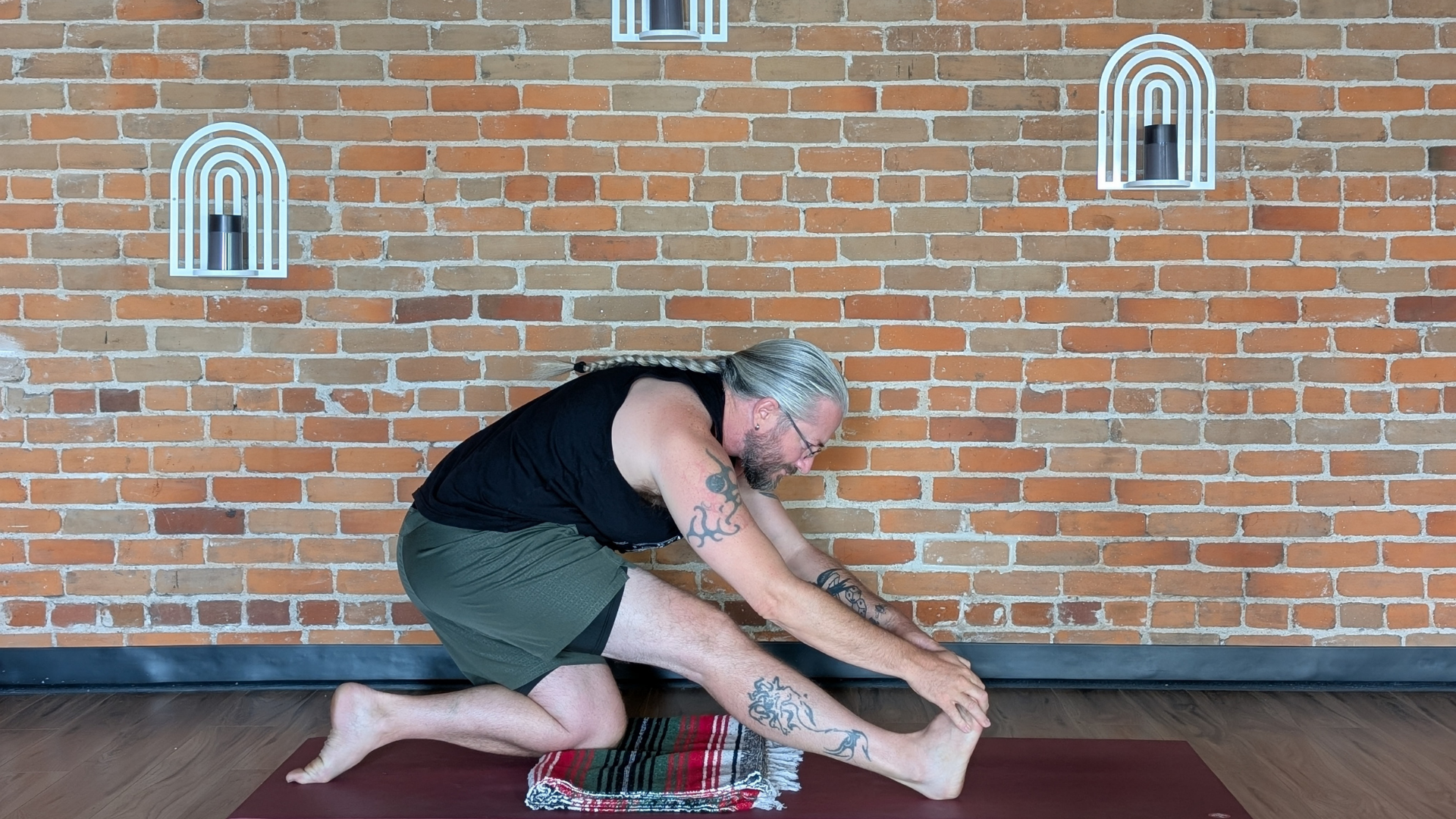
- Low Lunge to Half Splits – 4 Cycles per side: Flow dynamically between an elevated Low Lunge (arms overhead) and Half Splits (shifting hips back and straightening the front leg).
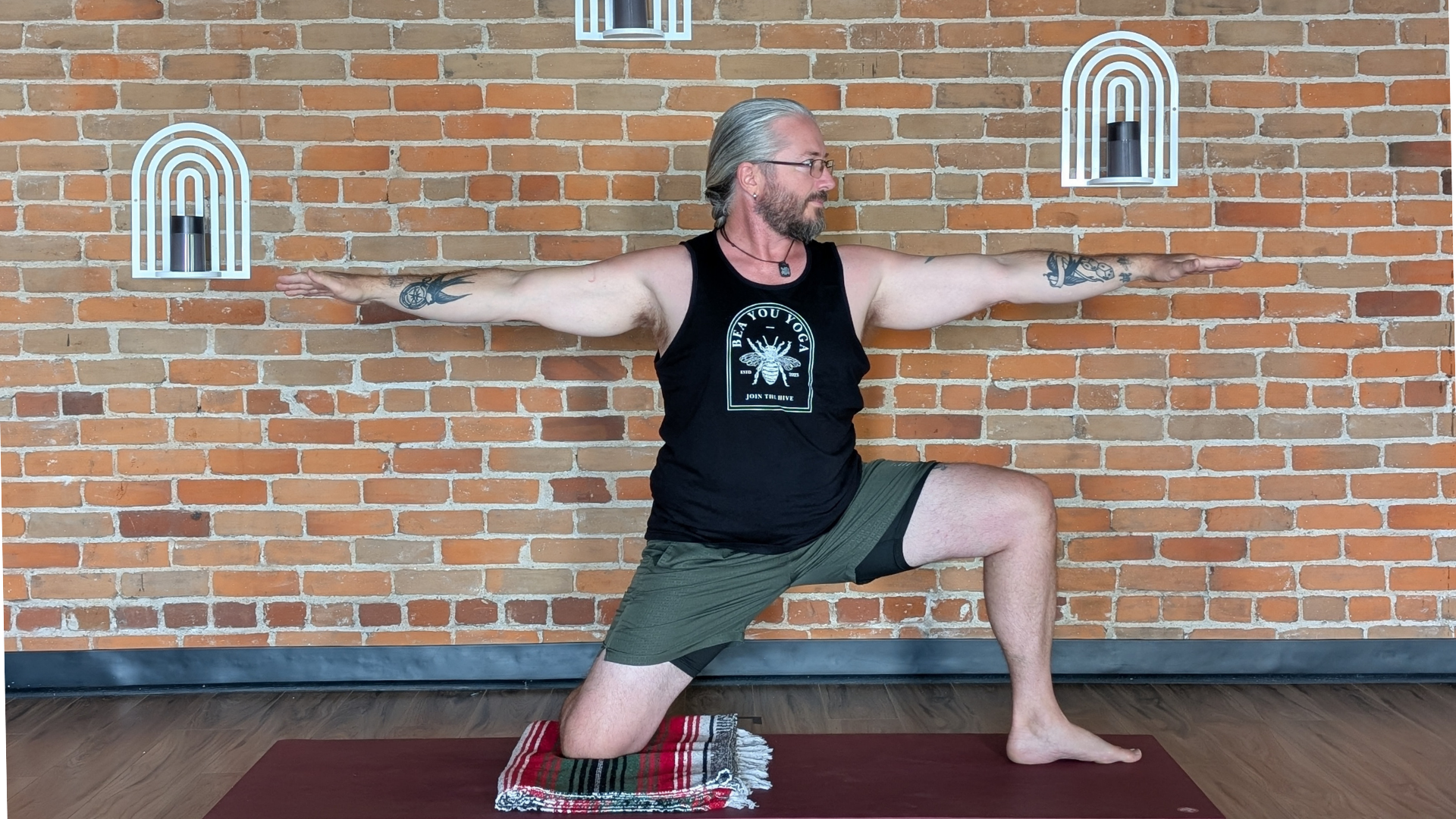
- Kneeling Warrior 2 Lunge – 4 Cycles per side: Pivot on the back knee to open the hips toward the long edge of the mat, lower arms to shoulder height, then transition back to Low Lunge.
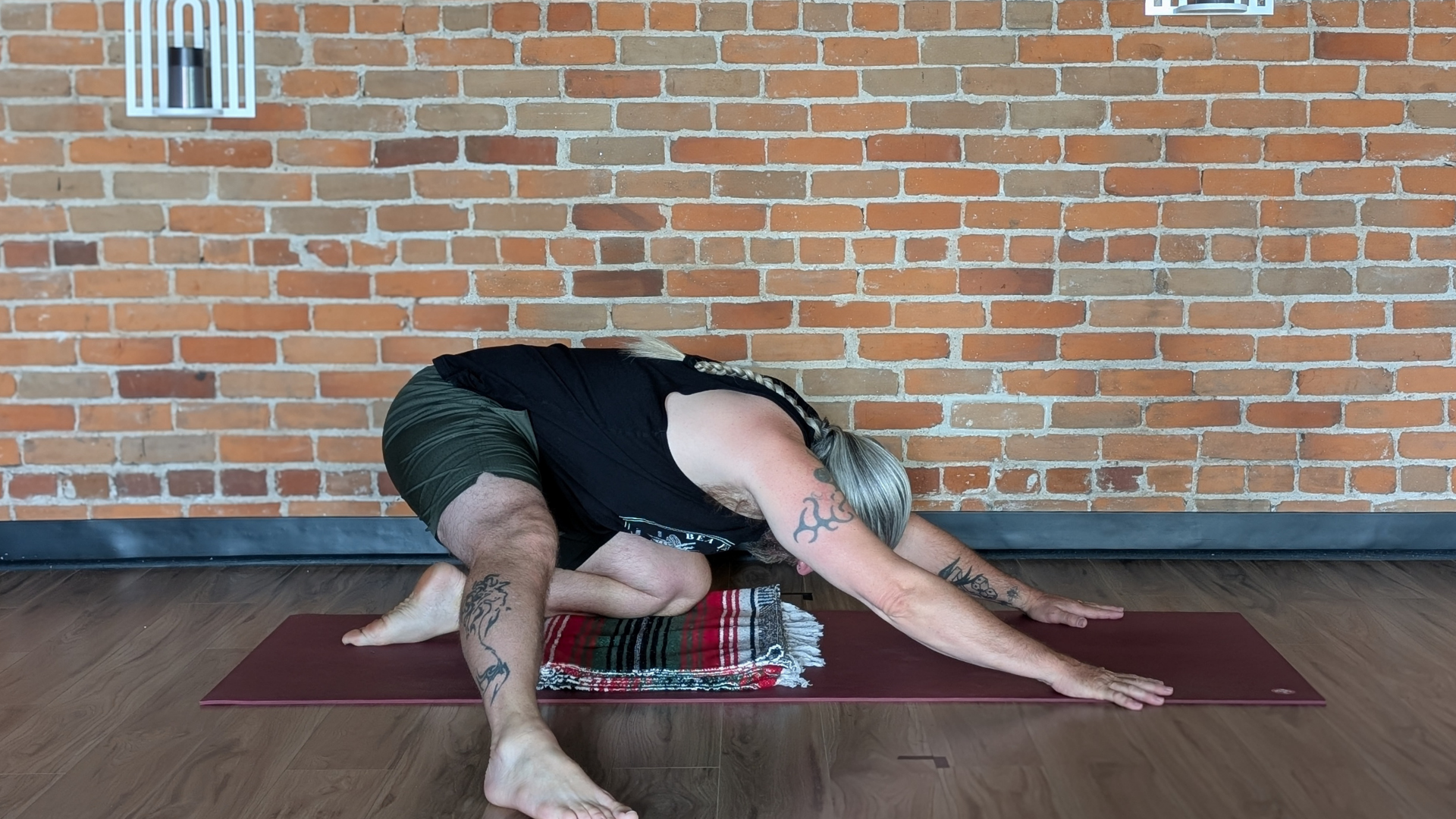
- Gate Forward Fold – 4 Cycles per side: Extend the right leg out to the side in Gate Pose, then exhale and fold the chest forward toward the mat in a cross between Gate and Child’s Pose, shifting hips forward and back with the breath.
- Pigeon Pose – 3 Breaths upright, 3 Breaths folded per side: From Downward Dog, bring the right shin forward across the mat. Keep the core active, lift the chest, and eventually fold forward over the front shin.
- Yogi Squat (Malasana) – 5 Breaths: Step feet to the outer edges of the mat, drop hips deep between the heels, and bring hands to heart center to decompress the lower back and open the inner thighs.
- Child’s Pose (Balasana) – Extended Hold: Conclude with knees wide or together, sinking the hips back to the heels, surrendering body weight to the earth, and anchoring awareness entirely in the breath.
Conclusion
Jared McKenzie’s transformation at age 50 serves as a powerful reminder that physical vitality is never entirely out of reach. By addressing the root cause of systemic tension—the tightly wound, neglected muscles of the hips—and coupling physical movement with mindful breathwork, individuals can reclaim their mobility, alleviate chronic joint pain, and step off the mat—and back into life—with renewed strength and peace of mind.
