

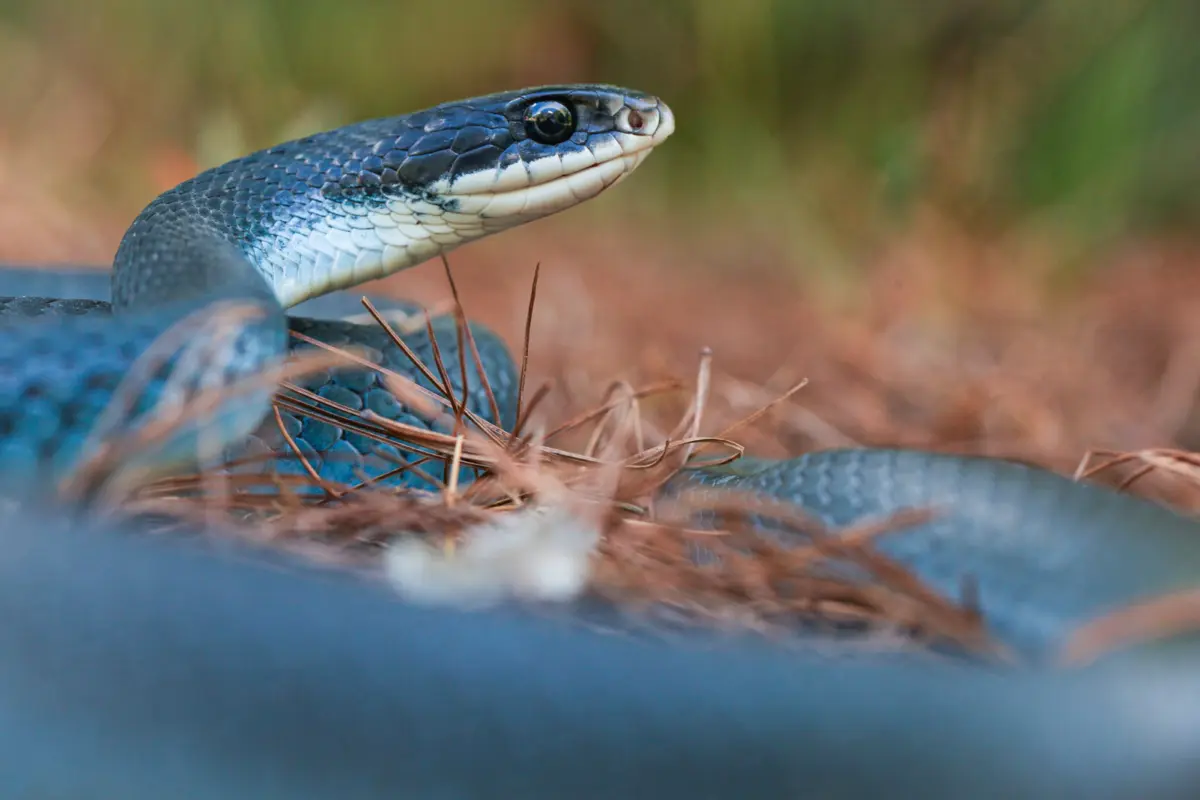
The world of macro wildlife photography has long been dominated by familiar subjects—vibrantly colored beetles perched on dew-kissed leaves, delicate butterfly wings, and intricately detailed flower petals. While these classic subjects continue to yield breathtaking results, a growing movement within the photographic community is encouraging enthusiasts to cast a wider net.
By turning macro lenses toward neglected, overlooked, and unconventional subjects—ranging from reptilian scales and avian feathers to complex fungal networks and marine invertebrates—photographers are discovering an entirely hidden dimension of the natural world. This comprehensive guide explores the gear, techniques, ethical considerations, and broader artistic implications of venturing beyond the standard macro playbook.
Main Facts: Redefining the Boundaries of Close-Up Imagery
At its core, macro photography involves capturing subjects at a 1:1 magnification ratio (or greater), rendering them life-size or larger on the camera sensor. Traditionally, hobbyists gravitate toward insects and botany due to their abundance and visual appeal. However, expanding the discipline to include a broader spectrum of wildlife opens up unprecedented artistic avenues.
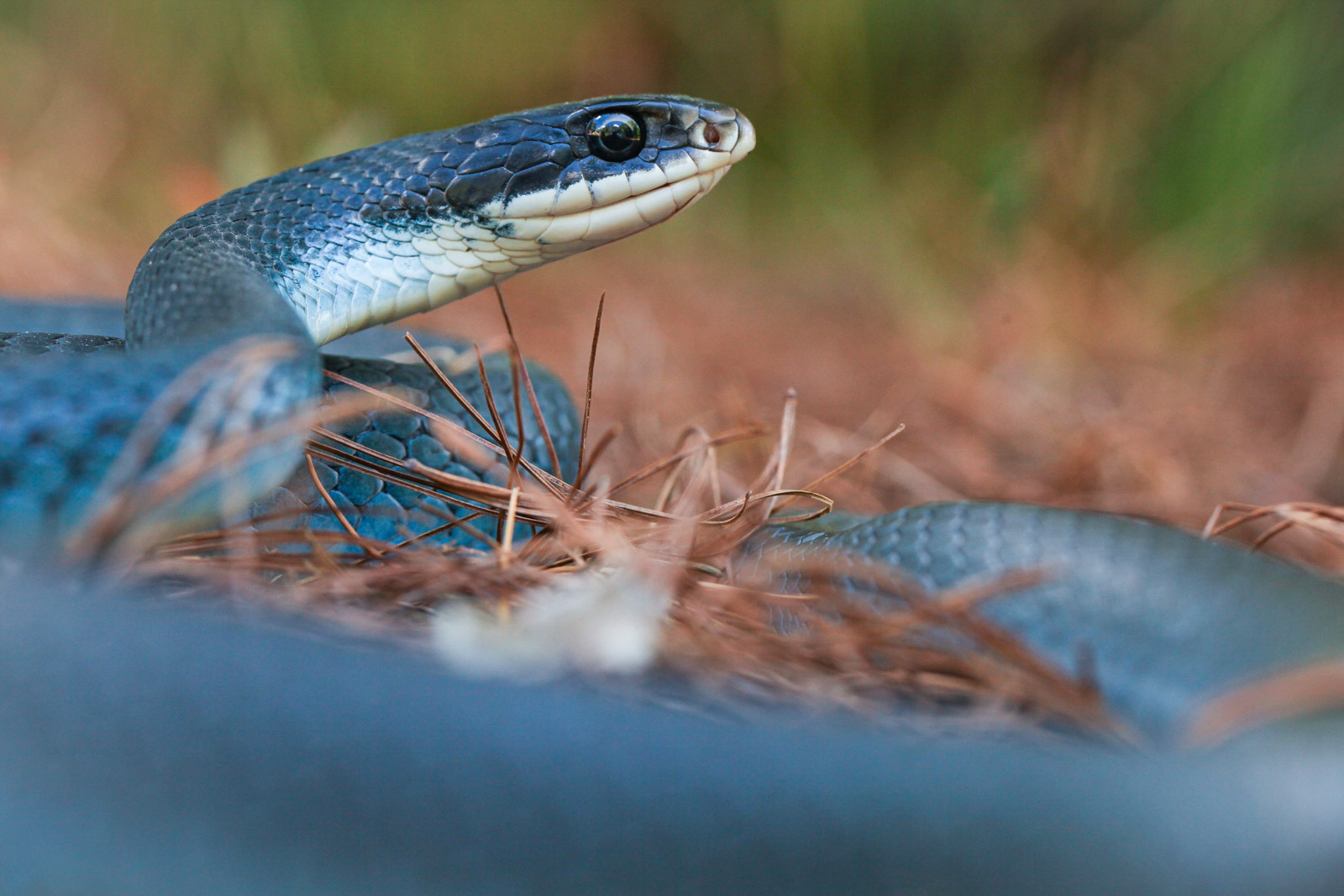
- Diversifying the Subject Pool: Unconventional macro subjects include reptiles (snakes, geckos), amphibians (frogs, salamanders), avian anatomical details (feathers, beaks, talons), mammalian micro-textures (whiskers, fur, eyes), marine life (nudibranchs, crustaceans), and stationary organisms like fungi.
- Essential Technical Requirements: Achieving sharp, compelling macro images of small-to-mid-sized wildlife requires specialized gear, including a true macro lens (or budget alternatives like extension tubes and close-up filters), a reliable flash unit, and specialized diffusers to manage harsh light.
- Field Techniques: Unlike static botanical subjects, active wildlife demands high mobility, handheld stabilization strategies, deliberate aperture selection (typically starting around $f/11$), and an unwavering commitment to shooting in RAW format to preserve dynamic range and detail.
- The Ethical Imperative: Because macro photography often places the lens inches away from living creatures, adhering to strict wildlife ethics—minimizing stress, avoiding manipulation, and understanding species behavior—is paramount.
Chronology: The Evolution of Modern Macro Field Practice
The approach to macro wildlife photography has undergone a significant transformation over the past decade, shifting from controlled, studio-style setups to dynamic, mobile field techniques.

Phase 1: The Stationary Era
Historically, macro photography was heavily reliant on tripods, static setups, and studio environments. Photographers would frequently clip, move, or mount botanical specimens, while insect photography required early morning shoots when cold temperatures rendered bugs sluggish and motionless.
Phase 2: The Mobility Revolution
As camera sensors improved their high-ISO performance and autofocus systems became more sophisticated, photographers demanded greater mobility. The rise of portable, off-camera macro lighting allowed shooters to abandon heavy tripods in favor of handheld setups. This shift enabled wildlife photographers to track elusive, ground-dwelling subjects such as amphibians and reptiles in their natural, unrestrained habitats.

Phase 3: The Shift Toward Overlooked Ecosystems
Today, the discipline is experiencing a philosophical expansion. With macro gear becoming more accessible—thanks to affordable third-party lenses, extension tubes, and LED/flash modifiers—photographers are moving away from heavily photographed garden insects. Instead, modern practitioners are dedicating entire field sessions to abstract fungal textures, the intricate iridescence of reptile scales, and the complex geometry of avian feathers.
Supporting Data and Gear Essentials
Investing in the right equipment is critical for success in macro wildlife photography. Because small-to-mid-sized subjects often inhabit low-light environments (such as under forest canopies or beneath damp logs), mastering optics and artificial lighting is non-negotiable.

1. Macro-Capable Lenses
While dedicated macro lenses offering a 1:1 reproduction ratio are the gold standard, beginners can utilize budget-friendly alternatives:
- Extension Tubes: Placed between the camera body and a standard lens, these hollow tubes decrease the minimum focusing distance, magnifying the subject.
- Close-Up Filters: Screw-on diopters that act like a magnifying glass for your lens, offering an economical entry point into the discipline.
2. Lighting and Diffusion
Natural light is rarely sufficient for high-magnification macro work due to the narrow apertures (such as $f/11$ or $f/16$) required to achieve an acceptable depth of field.

- External Flash: While built-in camera flashes can work in a pinch, off-camera or ring flashes provide directional control.
- Diffusers: Direct flash creates harsh highlights and unnatural shadows. Utilizing foldable diffusers for body-mounted flashes or softboxes for off-camera units softens the light, enveloping the subject in flattering, even illumination.
Official Responses and Expert Perspectives: Ethics in Macro Wildlife Photography
As macro photography grows in popularity across social media platforms, conservationists and professional wildlife photographers have voiced growing concerns regarding animal welfare. Leading nature photography organizations emphasize that no image justifies harming, stressing, or altering the natural state of a wild subject.
Minimizing Disturbance
"The mark of a truly skilled macro photographer is not just the sharpness of the image, but the undisturbed state of the animal afterward," notes field conservation literature. Photographers are urged to practice their technical settings at home using inanimate models or plants before entering the field. This preparation ensures that when a fleeting wildlife encounter occurs, the photographer can work quickly, quietly, and efficiently, reducing the duration of human-induced stress.

Knowing Your Subject
Entering the field equipped with robust knowledge of local species is another critical recommendation from wildlife authorities. Understanding whether an amphibian’s skin secretes toxins, whether a reptile is venomous, or how a mammal reacts to human proximity protects both the photographer and the animal. Respecting seasonal closures, breeding grounds, and protected habitats ensures that these fragile micro-ecosystems remain viable for future generations.
Implications: Changing How the World Sees Nature
The broader implications of embracing overlooked macro subjects extend far beyond artistic satisfaction. By introducing audiences to the hyper-detailed textures of a toad’s eye, the prismatic sheen of a snake’s scales, or the labyrinthine gills of forest fungi, macro photography acts as a powerful educational tool.

Fostering Micro-Conservation
Human empathy is often tied to scale; people naturally protect large mammals like elephants or pandas. However, macro photography bridges the gap between humans and the microscopic web of life that sustains entire ecosystems. When viewers witness the intricate beauty of a overlooked forest floor dweller, their appreciation for biodiversity deepens.
Shifting Artistic Paradigms
From an artistic standpoint, macro photography challenges creators to break away from conventional landscape and portrait compositions. Concepts like negative space, abstract geometry, and low-key lighting take on new meaning when applied to a millimeter-wide subject.

Ultimately, stepping off the beaten path to explore unconventional macro subjects transforms the photographer’s perspective. Whether exploring a remote rainforest, an arid desert, or simply turning over a rotting log in a backyard garden, the macro world offers an endless frontier of discovery. Armed with the right gear, technical discipline, and an ethical foundation, photographers are well-equipped to reveal the breathtaking, hidden wonders living right beneath our feet.
