

Main Facts
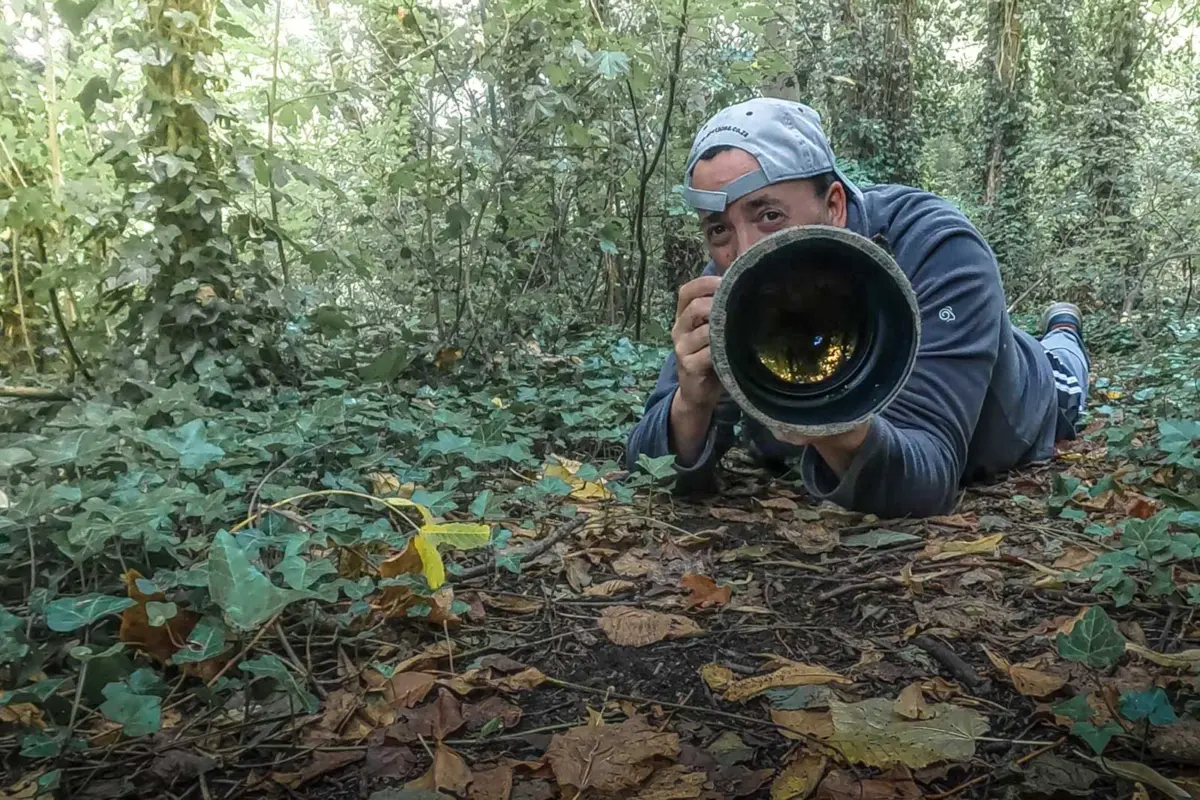
In the competitive world of wildlife photography, transitioning from an enthusiastic amateur to an internationally recognized professional is a journey defined by patience, technical mastery, and unwavering resilience. South African-born and UK-based wildlife photographer Victor Soares embodies this trajectory. With nearly two decades behind the lens, Soares has evolved from capturing blurry holiday snapshots into an acclaimed professional who leads bespoke photography tours across Europe and Africa.
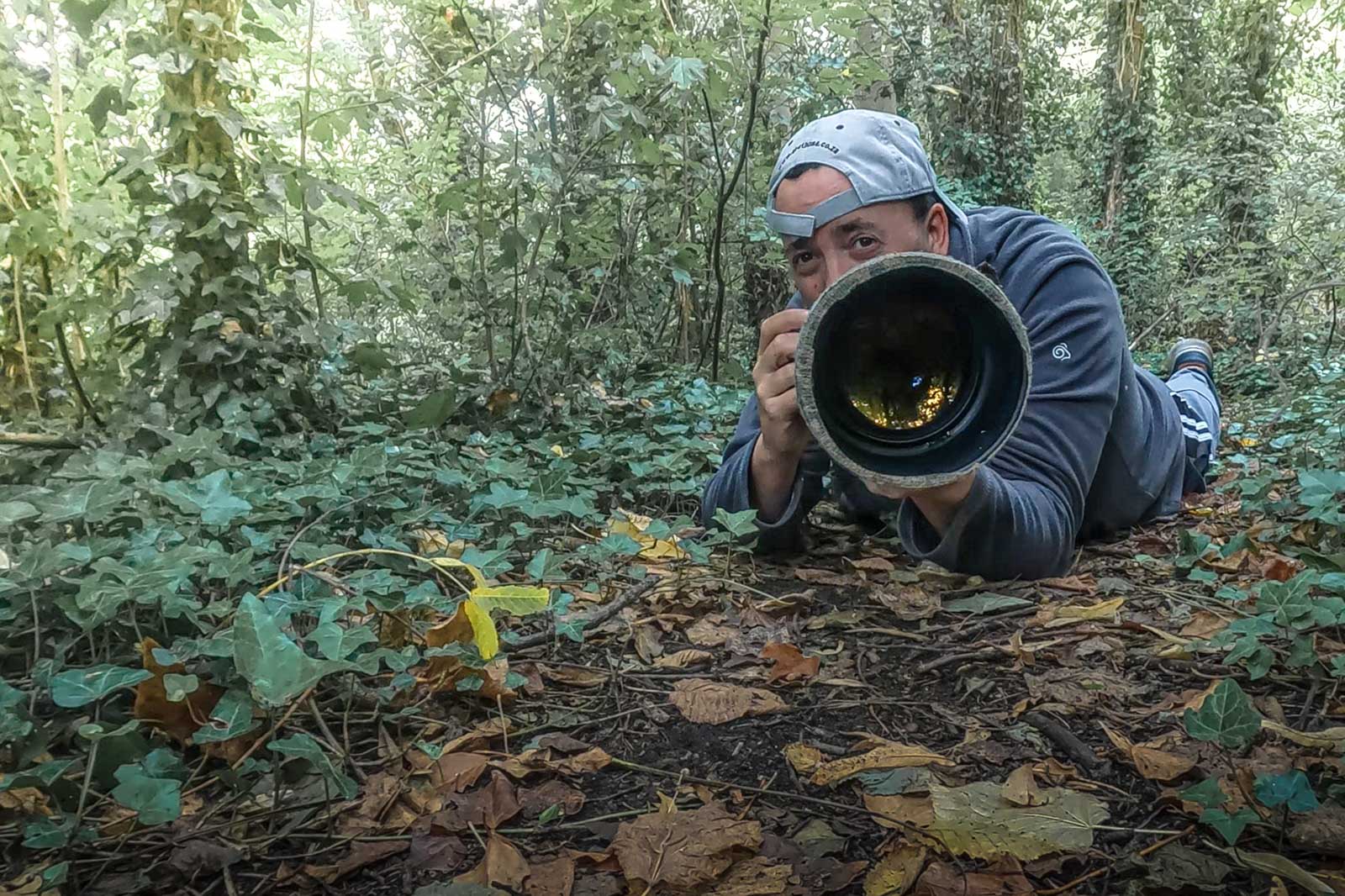
His striking imagery—characterized by intimate, low-angle perspectives, shallow depths of field, and a profound focus on animal emotion—has earned him international acclaim, including finalist status in the prestigious Natural History Museum’s Photography Awards. Following a career pivot prompted by corporate restructuring in early 2024, Soares officially turned his lifelong passion into his full-time profession. Today, he splits his time between guiding aspiring photographers through the wild landscapes of two continents and continuing to refine his own distinct visual style.

Chronology: The Evolution of a Wildlife Photographer
The Spark: South Africa and the Digital Dawn (2004)
Growing up in South Africa, Soares was perpetually surrounded by untamed wilderness, finding solace in nature and a particular fascination with the region’s diverse bird species. However, his entry into photography was accidental. In 2004, coinciding with the rapid ascent of consumer digital photography, Soares purchased his first DSLR—a Canon 300D—primarily to document family holidays.

A routine trip to a local photo lab in Kruger National Park fundamentally altered his path. While collecting prints, Soares admired a striking image of a Cattle Egret captured by the lab’s owner, Johan Combrink. When Soares remarked that he wished he could take photos like that, Combrink offered a life-changing invitation: bring the camera back tomorrow, and the mentoring would begin. This partnership provided Soares with foundational technical training in camera mechanics and post-processing, instilling a standard of excellence that guided his early years.

The Learning Curve: Refining Technique in the Field (2007–2012)
By 2007, equipped with a Canon Rebel XT gifted by a friend, Soares embarked on a fresh start in Kruger Park, capturing an evocative portrait of a Steenbok. While he recognized the image’s flaws—such as cropped feet, non-optimal aperture settings, and the strict ISO limitations of early digital sensors—the experience proved pivotal. It demonstrated his improving focus and fueled his creative momentum.

A major milestone arrived in 2012 when one of Soares’ wildlife images reached the final round of the Natural History Museum’s Photography Awards (then known as the Veolia Environmental Awards). Selected from a staggering pool of over 48,000 entries, the validation transformed his self-perception. For the first time, he recognized that his technical skill and artistic vision could compete on a global stage.

Relocation and the European Wilderness (2016–2023)
Relocating to the United Kingdom in 2016 introduced Soares to an entirely new ecology. Moving through Sheffield, St. Albans, and eventually settling in London, he expanded his portfolio beyond African savannahs to capture the nuanced behaviors of British wildlife.

A transformative moment occurred in a small park in Sutton, London, where he photographed a local red fox during autumn. The resulting image—featuring the fox mid-yawn, exhaling visible cold breath against a backdrop of autumnal hues—became one of his signature pieces. During these years, Soares also immersed himself in photographing the annual UK deer rut, continuously refining his ability to capture seasonal atmosphere, animal behavior, and subtle emotional cues.

The Professional Leap (2024)
For years, Soares maintained a successful career as an engineer, viewing photography as an intense, highly developed avocation. In 2023, he began testing the waters of professional instruction by leading small groups and teaching workshops in his spare time.

The definitive turning point arrived in early 2024 when corporate restructuring resulted in his redundancy from his engineering firm. Backed by the unwavering support of his wife, Soares seized the moment to transition into full-time professional wildlife photography, finally aligning his daily livelihood with his true vocation.

Supporting Data & Technical Progression
Soares’ evolution as a photographer is mirrored by the technical shifts in his workflow, gear choices, and artistic philosophy:

- Gear and Optical Preferences: Soares began his journey on entry-level crop-sensor bodies constrained by noise at ISO ratings above 400. Today, he relies on high-end glass to achieve his signature look, singling out the legendary 300mm f/2.8 lens as his favorite tool for rendering phenomenal sharpness and background separation.
- Camera Settings: Early shoots relied heavily on Aperture Priority (Av) modes and conservative settings to combat sensor noise. Modern workflows rely on Manual mode and advanced autofocus tracking, allowing him to concentrate entirely on compositional elements and behavioral anticipation.
- Compositional Philosophy: Soares prioritizes emotional storytelling over technical perfectionism. Rather than demanding front-to-back sharpness, he favors shallow depths of field, shooting from a low-to-the-ground perspective to isolate the point of interest and convey distinct animal emotions—ranging from calm and cunning to eagerness and desperation.
Official Insights & Reflections from Victor Soares
Throughout his retrospective interview series, Soares frequently emphasizes the psychological and philosophical dimensions of creative growth:

- On Mentorship: Reflecting on his early days under Johan Combrink, Soares notes: "Johan showed me so much, both with camera techniques and in post-processing, and even served as a motivational coach, helping me through the ‘dark times’ in my photography. He spent so much time with me but never asked for a dime."
- On Imposter Syndrome and Perseverance: Addressing the universal challenge of creative self-doubt, Soares advises practitioners to accept that role models will always appear superior: "What I have learnt is that you place these photographers on that pedestal yourself… Even if you feel you haven’t made it, the important thing is to keep going. Persevere."
- On the Value of Patience: Warning against the modern obsession with immediate results and high-end gear specifications, Soares stresses foundational mastery: "We always want to be one step ahead and seldom reflect on what we are doing right now and how far we’ve already come… Be patient. Take time to learn the art and basics of photography—they will endure much more than any feature ever will."
- On Community and Feedback: Encouraging creators to embrace vulnerability, Soares concludes: "Don’t be afraid to ‘put yourself out there’. Showcase your photography, and don’t shy away from receiving criticism… Listen to those comments and use them to grow and learn."
Implications for Aspiring Wildlife Photographers
The trajectory of Victor Soares offers profound takeaways for the broader photographic community:
- De-emphasizing Equipment: Soares’ early reliance on basic consumer DSLRs underscores the reality that compelling storytelling and compositional awareness supersede expensive gear. Mastery of light, animal behavior, and patience will always outweigh the benefits of higher frames-per-second rates or advanced autofocus points.
- Embracing Career Resilience: The transition from a secure engineering career to a volatile creative industry highlights the importance of adaptability. Economic disruptions, when met with a well-developed secondary skill set—such as leading workshops and tours—can serve as the catalyst for long-deferred dreams.
- Redefining Success: By moving away from hyper-technical clinical sharpness in favor of emotional resonance, Soares illustrates that art in wildlife photography lies in empathy. Capturing the transient mood of a red fox or the steamy breath of a rutting stag transforms documentary nature capture into emotive, enduring art.
