

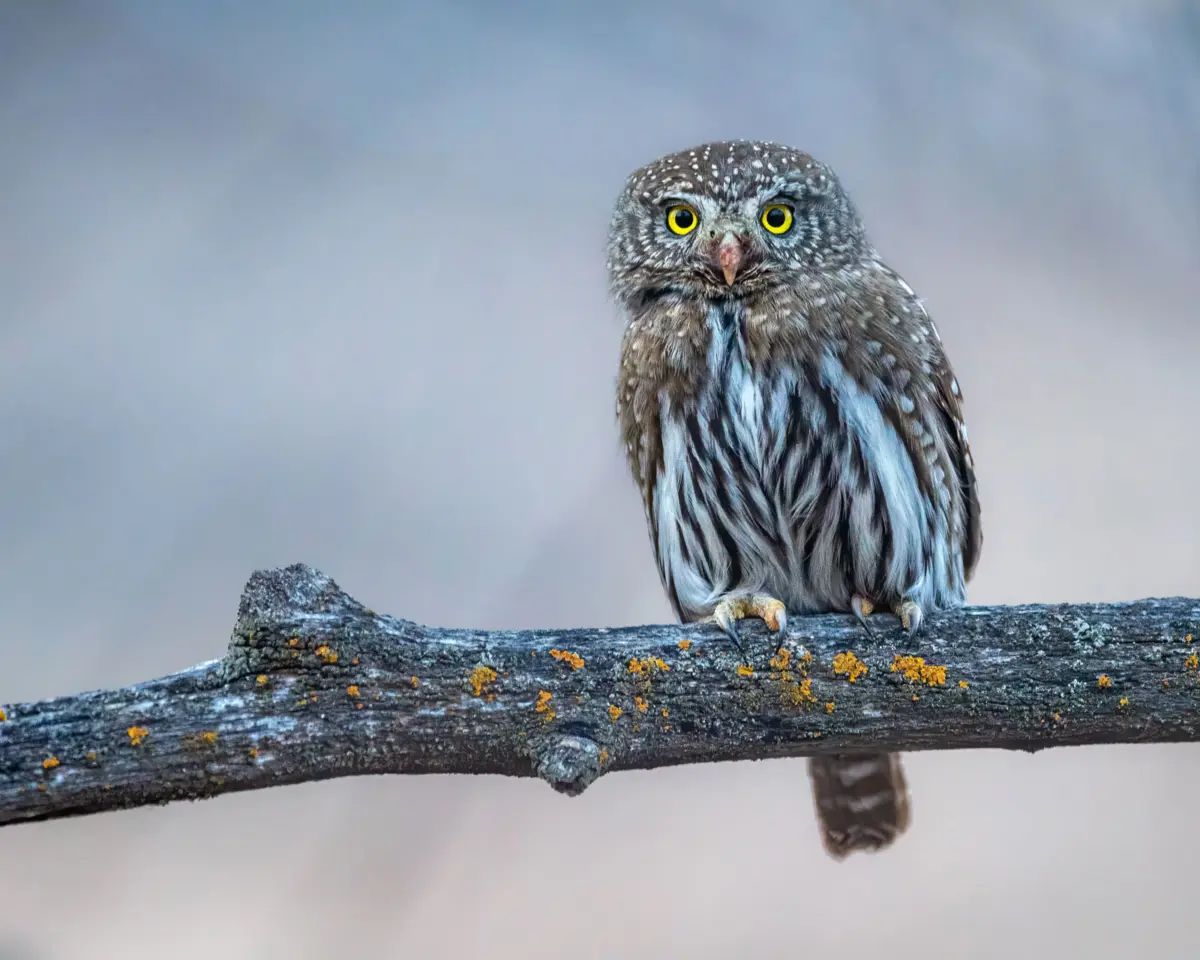
Few creatures in the natural world command the quiet reverence and enduring fascination of the owl. With their silent flight, piercing gaze, and nocturnal habits, these raptors have long been wrapped in an aura of mystery. For wildlife photographers, capturing an owl on camera is both a supreme test of patience and a deeply rewarding artistic pursuit.
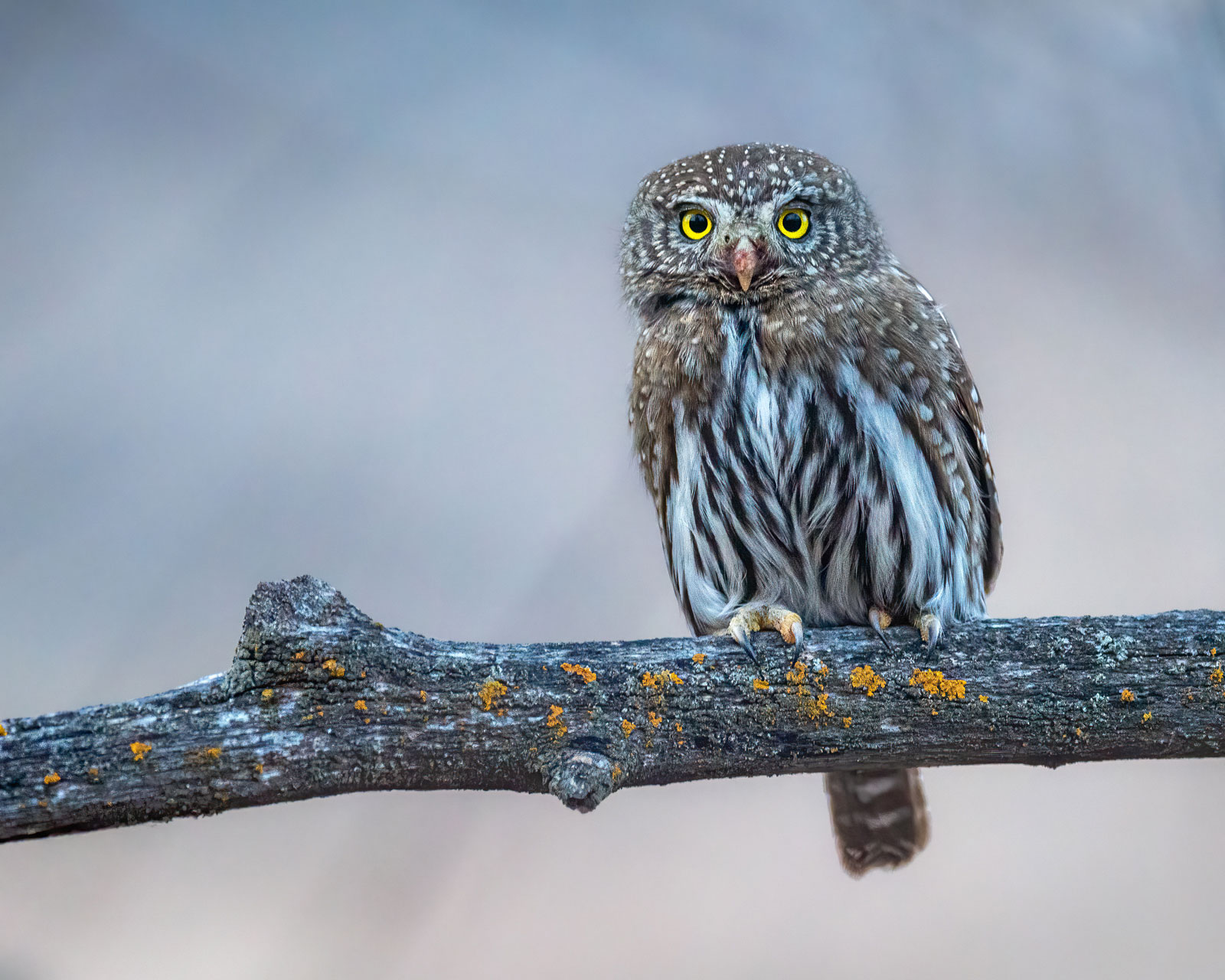
Yet, mastering owl photography requires far more than simply pointing a long lens into the forest canopy. It demands a sophisticated understanding of avian behavior, rigorous fieldcraft, specialized equipment, and, above all, an unwavering commitment to ethical wildlife practices.

H2: Main Facts: The Intersection of Biology and Photography
At its core, successful owl photography is built upon ecological knowledge. Owls inhabit nearly every corner of the globe, thriving in ecosystems as diverse as dense boreal forests, arid deserts, open tundra, sweeping wetlands, and even densely populated urban centers. Their adaptability makes them accessible to photographers worldwide, though their distribution varies dramatically by species.

While some species, such as the ubiquitous Great Horned Owl, tolerate a wide range of habitats, others are highly specialized or migratory, shifting their ranges based on seasonal changes, snow depth, and prey availability.

However, geographic proximity does not guarantee a sighting. Due to their exceptional camouflage, secretive roosting habits, and predominantly nocturnal lifestyles, finding an owl can be an exercise in extreme perseverance. Photographers must study local species, analyze their feeding and resting behaviors, and train their eyes to recognize subtle anomalies in tree architecture—such as an uncharacteristic silhouette or a splash of white whitewash on a lower branch.

H2: Chronology: From Scouting to the Golden Hour
Embarking on an owl photography project follows a distinct chronological rhythm, transitioning from meticulous preparation in the off-hours to dynamic action in the field.

Phase 1: Research and Identification (Pre-Season)
The journey begins months before a single shutter is clicked. Photographers must research local owl species using field guides, online databases, and library resources to understand population densities, seasonal migrations, and local breeding behaviors.

Phase 2: Acoustic Scouting (Dusk and Twilight)
Because most owls are nocturnal or crepuscular (most active at dawn and dusk), field sessions often begin just as the sun dips below the horizon. Photographers use this transition period to listen for territorial hoots and calls. Regular evening visits to potential habitats help map out localized populations, as owls frequently return to the same daytime roosts if food is abundant.

Phase 3: Observation and Rest (Midday)
During daylight hours, owls typically retreat to dense cover to rest and digest. This is a critical period for fieldcraft. Photographers must observe from a respectful distance using long telephoto lenses, avoiding any actions that might stress the bird or force it to abandon its roost.

Phase 4: The Hunt (Dusk to Nightfall)
As twilight approaches, resting owls become active, shifting from deep forest cover toward the edges of fields and open landscapes to begin hunting. This transitional window offers the finest photographic opportunities, combining dramatic low-light atmospheres with dynamic behaviors like stretching, preening, and flight.

H2: Supporting Data: Technical Gear and Camera Settings
Capturing high-quality images of subjects that are naturally camouflaged and active primarily in low-light environments requires specialized photographic hardware and precise technical execution.

Optical Equipment
- Telephoto Lenses: Because approaching an owl too closely will cause distress, photographers typically rely on super-telephoto lenses ranging from 300mm to 600mm. These focal lengths ensure the owl dominates the frame while maintaining a comfortable distance (75 to 100 feet). Furthermore, long lenses compress perspective, allowing photographers positioned on the ground to capture images that appear to be at eye level with an owl perched high in a tree.
- Aperture and Light Gathering: Fast lenses with maximum apertures of f/2.8, f/4, or f/5.6 are essential for low-light conditions. Photographers generally start at their lens’s widest aperture to maximize light intake and achieve the fastest possible shutter speeds, stopping down only when ambient light permits to increase depth of field.
- Support Systems: While tripods and monopods are invaluable for stabilizing heavy glass during extended periods of waiting, they can hinder fast-moving flight shots. Many professionals utilize a tripod while an owl is stationary, detaching the camera only when hunting behavior indicates an imminent takeoff. Remote shutter releases are also recommended to eliminate camera shake during long exposures in deep twilight.
Recommended Camera Settings for Flight
- Shutter Speed: To freeze the erratic movements of a hunting owl, a minimum shutter speed of 1/1600 of a second is generally recommended.
- Exposure: When dealing with light-toned owls against dark, forested backgrounds, photographers must protect highlights to prevent them from blowing out, relying on spot-metering or careful histogram monitoring.
H2: Official Responses and Conservation Ethics
As wildlife photography surges in popularity, conservationists, ornithologists, and ethical wildlife organizations have issued strict guidelines regarding human interaction with raptors.

The Perils of Baiting and Harassment
One of the most contentious issues in modern wildlife photography is baiting—the practice of using live or dead mice to lure owls into the open for a clean shot. Wildlife experts universally condemn this practice, noting that it conditions wild raptors to associate humans with food, disrupts natural foraging behaviors, and exposes birds to vehicular hazards near roadways.

Furthermore, pressuring an owl to elicit a reaction—such as flushing a roosting bird to capture a flight shot—is considered a severe ethical violation. Stress caused by human intrusion during the day can drain an owl’s vital energy reserves, particularly during harsh winter months or the demanding breeding season. Ethical organizations emphasize that the welfare of the subject must always supersede the acquisition of an image. If an owl displays nervous behaviors, such as head-bobbing, eye-dilating, or wing-mantling, the photographer is too close and must retreat immediately.

H2: Implications: The Artistic and Personal Rewards of Patience
The implications of ethical, patient owl photography extend far beyond technical proficiency. For many practitioners, the true value of the craft lies in the immersive experience of the natural world rather than the final photograph.

Because owls are notoriously difficult to locate, the pursuit often takes a full year or more of dedicated fieldwork before yielding exceptional results. This extended timeline fosters a profound appreciation for local ecosystems, sharpening observational skills that benefit all areas of wildlife photography.

Ultimately, those who invest the necessary time—respecting the silence of the forest and maintaining a respectful distance—are rewarded with rare, intimate glimpses into the secret lives of nature’s most enigmatic hunters. These encounters yield more than just captivating portraits; they cultivate a deeper stewardship for the preservation of fragile wildlife habitats worldwide.
