GLOBAL PHOTOGRAPHY DESK — In the realm of visual arts, light is not merely a tool used to illuminate a subject; it is the fundamental medium of the craft itself. Whether it is a fleeting golden sunrise casting long, dramatic shadows across a pristine landscape, or the subtle, iridescent gleam on the carapace of an insect in a macro shot, the mastery of light separates a simple snapshot from a breathtaking, award-winning photograph.
For nature photographers, whose subjects refuse to take direction or pose on command, understanding how to read, predict, and manipulate light is the ultimate prerequisite. Across wildlife, landscape, underwater, and macro photography, light behaves in drastically different ways. Navigating these nuances requires a rigorous blend of technical proficiency, artistic vision, and environmental intuition.
Main Facts: The Anatomy of Photographic Light
At its core, photography relies entirely on light captured by a camera sensor. However, the qualitative characteristics of that light—its direction, intensity, color temperature, and quality (hard versus soft)—determine the emotional resonance and visual narrative of an image.
The Quality of Light: Direct, unobstructed sunlight yields hard light, characterized by stark contrasts, deep shadows, and intense highlights. Conversely, diffused light—filtered through clouds, mist, or a forest canopy—creates soft transitions, lower contrast, and a more forgiving tonal range.
The Direction of Light: Front lighting flattens a subject, often draining it of depth and texture. Side lighting emphasizes texture and three-dimensionality by casting shadows across contours. Backlighting, or rim lighting, creates a luminous halo effect, separating the subject from the background and introducing high dramatic impact.
Color Temperature: Measured in Kelvin, natural light shifts dramatically throughout the day. The cool, blue hues of pre-dawn twilight give way to the warm, amber tones of the golden hour, eventually transitioning back to cool, diffused light as the sun sets.
Mastering these elements is no longer just about getting a correct exposure. It is about anticipating how light interacts with environmental variables to tell a compelling story.
Chronology: The Evolution of Light Mastery in Photography
The journey of understanding light in nature photography has evolved in tandem with both optical technology and digital workflows.
The Analog Era and Natural Dependence
For decades, nature and wildlife photography were bound strictly to the availability of natural light. Because early photographic emulsions possessed low ISO ratings (slow speeds), photographers were entirely at the mercy of bright daylight, sturdy tripods, and fast lenses. The discipline was built around waking up long before dawn to capture the "golden hour"—a brief window dictated entirely by the Earth’s rotation.
The Strobe and Flash Revolution
As portable electronic flashes and artificial strobes developed in the mid-to-late 20th century, macro and wildlife photographers gained unprecedented control over their environments. No longer solely dependent on the sun, practitioners began experimenting with fill-flash techniques in the field, bridging the gap between harsh ambient sunlight and deep, shadowed subjects.
The Digital Age: High ISOs and Dynamic Range
The advent of digital sensors revolutionized how photographers handle low-light and high-contrast scenarios. Modern mirrorless and DSLR cameras allow for exceptional performance in low-light environments, such as deep forests or twilight hours, without catastrophic losses in image quality. Furthermore, post-processing capabilities—including high dynamic range (HDR) merging and advanced shadow recovery—have transformed how photographers balance extreme lighting conditions in the field.
Supporting Data: The Physics and Environment of Illumination
Different genres of photography present unique lighting challenges governed by physics and geography. Understanding the data and environmental factors at play is essential for technical execution.
Wildlife photography demands acute awareness of animal behavior combined with rapid tactical adaptation. To create images of wildlife that truly stand out, photographers must understand how light falls on fur, feathers, and skin. Side-lighting and backlighting are particularly prized in this discipline. A lion’s mane or an egret’s feathers illuminated from behind by a low-slung sun instantly elevates an ordinary animal portrait into a work of art.
2. Lighting in Landscape Photography
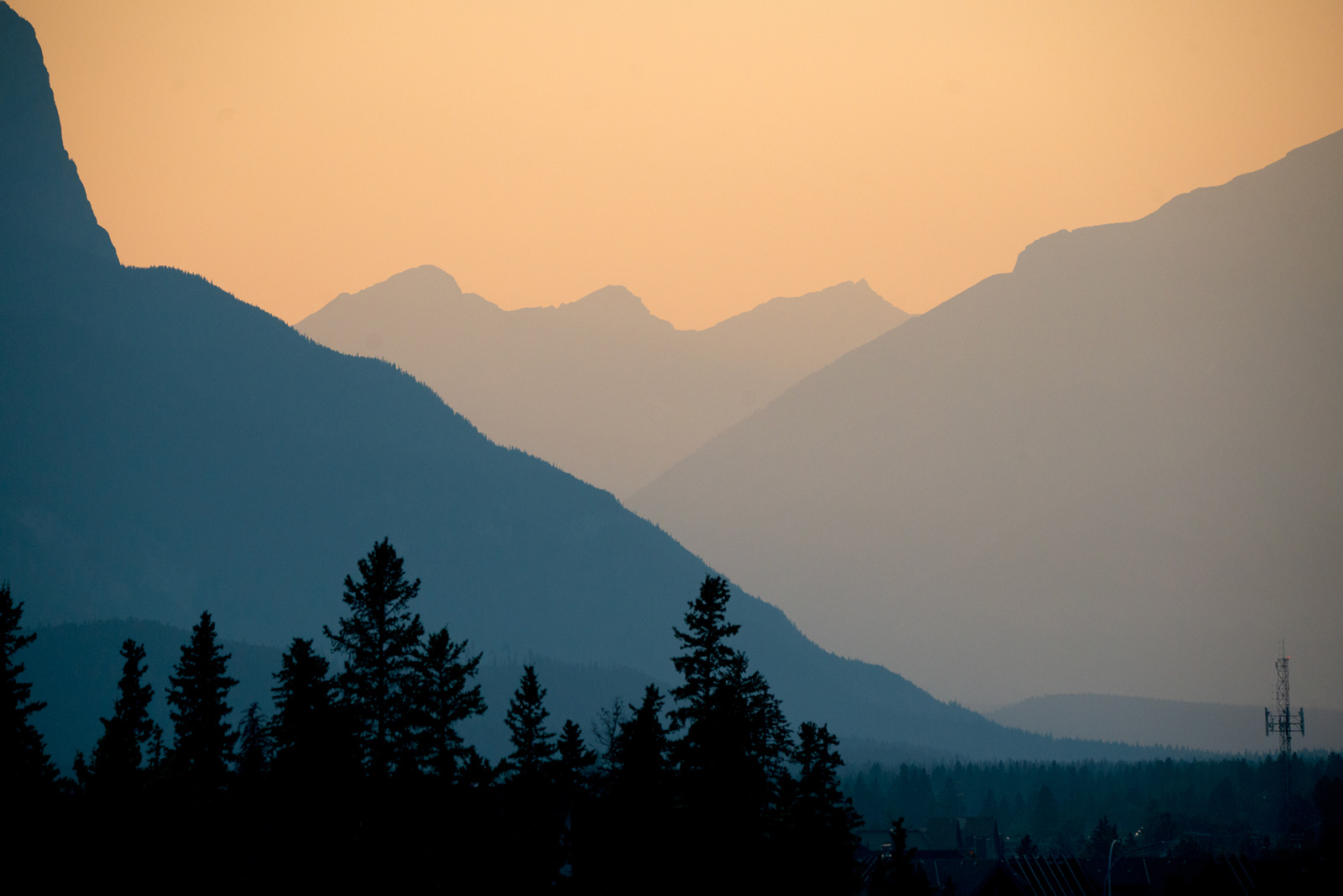
Landscape photography goes far beyond basic exposure calculations. The ability to identify, plan, and adapt to ever-changing meteorological conditions is arguably the most powerful skill set a landscape photographer can possess. Whether capturing the misty, diffused light of an ancient woodland or the fiery blaze of an alpine sunset hitting a jagged peak, success relies on meteorological foresight and patience. Photographers often use tools like sun-tracking apps and weather radar to predict precisely when and where dramatic light will strike.
3. Lighting in Underwater Photography
Water is an unforgiving medium for light. As light penetrates water, it is rapidly absorbed and scattered. Red wavelengths are filtered out within the first few meters, leaving environments looking monochromatic and blue-green. Learning how to find, create, and use light underwater—often utilizing dual strobes and artificial lighting rigs—is essential. Whether photographing gentle ocean giants near the sunlit surface or diving deep into blackwater environments, managing artificial illumination while avoiding backscatter (suspended particles reflecting light into the lens) is a masterclass in physics.
4. Lighting for Macro Photography
In the miniature world of macro photography, physical constraints complicate lighting setups. When shooting close-ups of insects, amphibians, or botanical details, working distances are often measured in millimeters. Furthermore, achieving a deep enough depth of field requires narrow apertures (high f-numbers), which drastically reduce the amount of light entering the camera. To compensate, macro photographers rely heavily on specialized twin-flash systems, ring lights, and portable diffusers to soften the intense artificial output, ensuring a natural yet brilliantly illuminated subject.
Official Perspectives: Industry Insights from Master Photographers
Leading voices in the global photography community emphasize that technical gear is secondary to an educated eye.
"The best camera in the world is useless if you don’t know how to read the light," notes renowned nature educator and conservation photographer Elena Rostova. "Light is a language. Once you stop fighting harsh conditions and start learning how to use shadow, diffusion, and angle to your advantage, your entire portfolio transforms."
According to marine conservation specialists, underwater illumination requires a fundamental shift in mindset.
"Above water, we subtract or modify light. Underwater, we must manufacture it," explains veteran underwater photojournalist Marcus Vance. "You are essentially bringing your own sun down into the abyss. Understanding color loss at depth and how to mix ambient blue light with strobe output is the single most important hurdle for new underwater shooters to clear."
Implications: Elevating Your Photography Workflow
The broader implications of mastering photographic illumination extend far beyond technical proficiency; they fundamentally alter how a creator interacts with the natural world.
1. Shift from Reactive to Proactive Shooting
Amateur photographers often react to light as it happens, frequently missing prime opportunities. By deeply studying how light interacts with specific environments—whether tracking the golden hour across a valley, positioning oneself for a backlit wildlife portrait, or setting up a macro diffuser—photographers transition into proactive creators. They anticipate the shot minutes or hours before the shutter clicks.
2. Enhanced Artistic Voice and Mood
Light dictates mood. Harsh, direct overhead light communicates stark reality, heat, or tension; soft, golden light evokes warmth, nostalgia, and tranquility; deep, moody shadows suggest mystery and drama. By consciously choosing how to harness light, photographers gain granular control over the psychological impact their images have on the viewer.
3. Continuous Learning and Field Craft
Ultimately, mastering light requires spending time in the field under diverse conditions. It encourages a deeper respect for nature, weather patterns, and animal behaviors. Photographers are urged to take the foundational principles outlined across specialized tutorials—spanning landscapes, wildlife, macro, and aquatic environments—and apply them rigorously to their everyday workflows.
Whatever your subject, lighting remains the ultimate differentiator between an ordinary capture and an unforgettable masterpiece. Harness the power of light, observe its subtle shifts, and elevate your imagery to unprecedented heights.