

Introduction: The New Vanguard of Southwestern Art
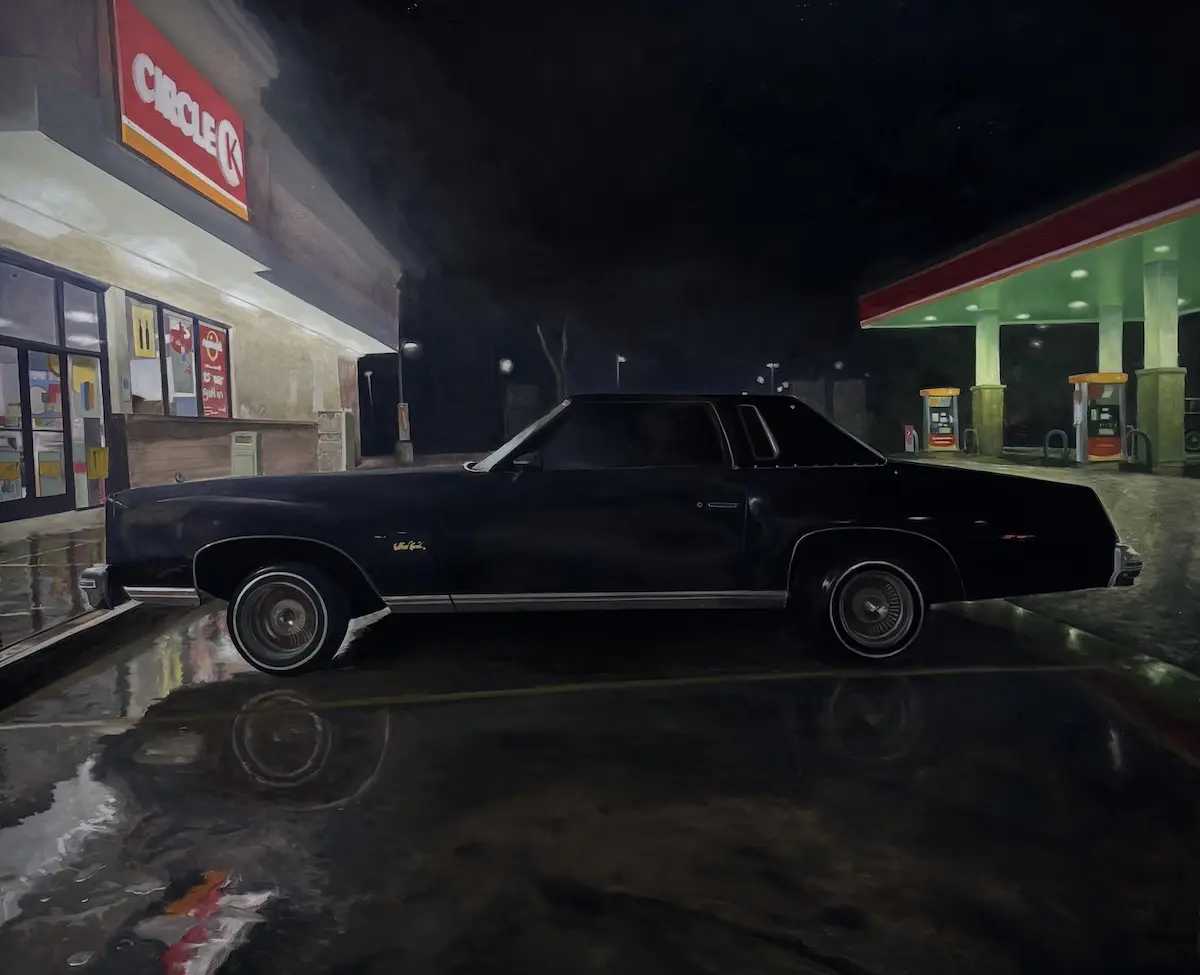
In the contemporary art landscape, capturing the spirit of the American West requires a delicate balance between honoring deeply ingrained historical traditions and introducing a fresh, contemporary psychological depth. Enter Clarissa Kear, a 28-year-old Arizona-based painter whose evocative nocturnes and masterful handling of light have positioned her as one of the most compelling young talents in the region. Featured in the prestigious “21 Under 31 | Young Artists to Watch, 2026” issue of Southwest Art, Kear is rapidly carving out a distinct niche for herself.
Her work merges the atmospheric moodiness of turn-of-the-century masters with the liminal, quiet spaces of modern realism. Through a meticulous yet intuitive painting process, Kear invites viewers into a world where time seems suspended. Whether she is rendering the inky blues and deep purples of a desert night or exploring the subtle interplay of interior light, Kear’s paintings resonate with a profound emotional gravity. This comprehensive profile explores her artistic journey, her rigorous academic foundation, her musical and visual influences, and the trajectory that is quickly making her a name to watch in the national fine art market.
Chronology: From Pennsylvania Studios to the Arizona Desert
Kear’s path as a professional visual artist has been shaped by a dedicated, multi-stage educational journey across the United States, marked by rigorous classical training and an ongoing pursuit of higher learning.
The Formative Years and PAFA Training (2018–2022)
Clarissa Kear’s formal artistic education began in earnest when she enrolled at the historic Pennsylvania Academy of the Fine Arts (PAFA), America’s oldest art school and museum. Studying at PAFA provided Kear with a rigorous, foundational grounding in traditional techniques, anatomical drawing, and observational painting. It was during these undergraduate years (2018–2022) that her technical skill set was forged.
Working under the guidance of seasoned realist painters, Kear learned to look past the surface of her subjects, grappling with value, tone, and edge control. Among the most enduring lessons from this period came from her painting instructor, Scott Noel. Noel imparted a philosophy that would become Kear’s artistic mantra: "No matter what happens, paint through it." This advice has since served as her guiding light through moments of creative doubt, complex compositions, and the inevitable technical challenges of oil painting.
The Transition to the Southwest and MFA Studies (Present–2028)
Following the completion of her Bachelor of Fine Arts degree in 2022, Kear relocated to Arizona, a geographic shift that fundamentally transformed her visual vocabulary. The vast, sun-bleached expanses, dramatic monsoon skies, and quiet nocturnal landscapes of the Sonoran Desert provided an endless well of inspiration.
Eager to deepen her intellectual and technical engagement with her craft, Kear enrolled in the Master of Fine Arts program at The University of Arizona. Set to culminate in a major thesis exhibition in 2028, her graduate studies have allowed her to push the conceptual boundaries of her work. Rather than merely recording the external appearance of the Southwestern landscape, Kear uses her graduate tenure to interrogate notions of place, memory, and liminality.
Supporting Data: Artistic Profile, Influences, and Market Reach
To understand Kear’s work, one must examine the diverse array of influences, technical parameters, and daily routines that sustain her practice.
Style, Technique, and Visual Inspirations
Kear’s artistic output sits at the intersection of historical reverence and contemporary introspection. Her recent bodies of work draw heavily upon:
- Frederic Remington: Best known for his dynamic sculptures and illustrations of the Old West, Remington’s later career focused on atmospheric, moody nocturnes. Kear channels this same preoccupation with twilight and darkness, transforming familiar landscapes into stages for quiet contemplation.
- Daniel Sprick: Known for his hyper-realistic yet deeply poetic still lifes and interiors, Sprick’s influence is visible in Kear’s exploration of liminality—those transitional, threshold spaces where reality blurs into abstraction.
A prime example of this synthesis is her oil-on-panel painting, Night Call (30 x 36 inches). The piece exemplifies her mastery of nocturnal lighting, where artificial or ambient light cuts through the darkness, establishing a narrative tension that feels both intimate and universal.

The Artist’s Toolkit and Studio Soundtrack
Every artist maintains a unique ecosystem that fuels their creativity. For Kear, sound plays a critical role in her studio sessions:
- Immersive Indie Folk: When working through complex passages, Kear turns to contemporary indie folk acts such as Wednesday, Friendship, and Greg Freeman. The lyrical nuance and textured instrumentation of these bands provide a complementary emotional backdrop to her canvas work.
- High-Focus Electronic Music: When maximum concentration is required, Kear pivots dramatically to the pioneering electronic sounds of Kraftwerk or rhythmic techno beats. The steady, hypnotic pulse of electronic music helps her maintain a steady rhythm during long painting hours.
Admiration for Contemporary Peers
When asked to name a favorite work by a contemporary artist, Kear points immediately to Apartment in Rome by Zoey Frank. For Kear, Frank’s canvas serves as a masterclass in modern painting. She admires how the piece achieves a delicate, precarious balance between decorative pattern and solid form, navigates complex spatial perspectives, and captures subtle, luminous reflections sliding effortlessly across flat planes of color. These are precisely the formal qualities that Kear strives to incorporate into her own compositions.
Market Overview and Accessibility
For collectors and enthusiasts looking to acquire her work, Kear’s pricing reflects an emerging artist whose demand is steadily climbing alongside her academic credentials:
- Price Range: $300 – $8,000 (spanning smaller studies, plein air works, and large-scale studio panels like Night Call).
- Official Portfolio: Available for viewing and direct inquiries at clarissakearart.com.
Official Perspectives: Goals, Philosophy, and Life Beyond the Studio
Clarissa Kear’s artistic vision extends far beyond the four walls of her university studio. Her philosophy bridges academic rigor with an outdoor-oriented lifestyle deeply rooted in the American Southwest.
The 2028 Thesis Vision
Kear’s primary professional focus is the successful completion of her MFA at the University of Arizona. She is meticulously building toward her 2028 thesis exhibition—a milestone project intended to showcase an ambitious, mature body of work. Rather than relying on romanticized or clichéd tropes of the West, Kear’s upcoming thesis aims to root itself authentically in her personal, contemporary experience as a painter living and working in the Sonoran Desert. Alongside her academic commitments, she is actively seeking out new gallery representation and national exhibition opportunities.
Beyond the Easel: Plein Air, Music, and the Sonoran Desert
When she is not working on large-scale canvases in the studio, Kear is rarely found sitting still. Her passion for the visual arts spills over into the natural world:
- Plein Air Painting: Direct observation from nature remains a cornerstone of her daily discipline, keeping her color sense sharp and her brushwork agile.
- Musical Pursuits: True to her creative spirit, Kear is also a musician who plays the guitar, finding a parallel creative release in chord progressions and acoustic melodies.
- Desert Exploration: Hiking through the rugged terrain of the Sonoran Desert feeds her soul and informs her artistic vision, providing direct encounters with the unique lighting, flora, and atmospheric conditions that eventually make their way onto her panels.
Implications: The Future of Southwestern Realism
The inclusion of Clarissa Kear in Southwest Art’s “21 Under 31” cohort is indicative of a broader generational shift within regional and realist art. For decades, the market for Southwestern art was dominated by traditional cowboy motifs, sun-baked canyons, and literal interpretations of western heritage. While these genres retain dedicated audiences, a new wave of young, academy-trained artists is redefining what the region can represent on canvas.
By injecting psychological complexity, contemporary color theory, and a moody, cinematic sensibility into her depiction of the landscape, Kear bridges the gap between historical regionalism and contemporary fine art. Her work appeals not only to traditional collectors of Western art, but also to contemporary art enthusiasts who value spatial ambiguity, atmospheric lighting, and emotional resonance.
As Kear progresses toward her 2028 MFA thesis exhibition, the art world will undoubtedly be watching. With a rock-solid foundation from PAFA, an expanding academic framework at the University of Arizona, and an unyielding commitment to painting through every creative hurdle, Clarissa Kear is proving to be a defining voice for a new era of American art.
