

August 19, 2026 — When fitness enthusiasts and yoga practitioners discuss stability, the conversation almost invariably circles back to the core. Abdominal walls, oblique strength, and pelvic floor engagement are routinely hailed as the holy trinity of physical balance. Yet, a crucial anatomical player is frequently left out of the narrative: the ankle.
Composed of a complex network of bones, ligaments, tendons, and muscles, the ankle joint acts as the ultimate bridge between the human body and the earth. In a physical discipline like yoga, where precision of alignment dictates the safety and efficacy of a posture, the health of the lower extremities is paramount. Far from being mere shock absorbers, ankles are active contributors to proprioception—the body’s innate awareness of its position in space.
As physical therapists and movement educators increasingly emphasize joint-specific conditioning, the focus is shifting downward. Strengthening the ankles does more than just prevent common mishaps like rolls and sprains on and off the mat; it fundamentally transforms how a practitioner experiences foundational poses, translating to better balance, heightened spatial awareness, and lifelong mobility.
Main Facts: The Anatomy of Balance
To understand why ankles deserve a primary role in structural conditioning, one must examine their workload. Every time a person stands, walks, transitions, or holds a yoga posture, the ankle joint complex must rapidly negotiate micro-adjustments in weight distribution.
When ankle mobility is restricted or joint stability is compromised, the body experiences a kinetic chain reaction. Weak ankles force neighboring joints—such as the knees, hips, and lower back—to compensate for a lack of a stable base. This overcompensation can lead to chronic structural strain, altered gait patterns, and an increased susceptibility to injury.
Conversely, resilient ankles provide a reliable platform. By integrating targeted ankle-strengthening movements into a regular yoga sequence, practitioners can cultivate a grounded foundation that supports both dynamic transitions and static holds.
Chronology: The Evolution of Joint-Centric Yoga
The realization that peripheral joints require as much intentional focus as central muscle groups has evolved significantly over the past two decades within the modern wellness landscape.
- Early 2000s: The "core craze" dominates fitness culture. Yoga instruction heavily prioritizes abdominal engagement, arm balances, and spinal alignment, often treating peripheral joints like wrists and ankles as secondary load-bearing structures.
- 2010s: Physical therapists and movement scientists begin publishing extensive research on kinetic chains, highlighting how distal joint weakness directly impacts proximal stability. Yoga studios start seeing a rise in repetitive stress injuries in wrists and ankles.
- 2020–2024: Holistic functional movement models gain mainstream traction. Yoga methodology shifts toward longevity, injury prevention, and cross-training principles that respect joint integrity.
- Present Day (2026): Joint health is recognized as an essential component of somatic longevity. Practitioners and teachers actively design sequences that deliberately address ankle mobility, plantar flexion, and dorsiflexion, moving past the misconception that stability stems solely from the abdomen.
Supporting Data and Biomechanical Implications
Biomechanically, the ankle operates in multiple planes of movement, requiring a delicate balance of strength and flexibility.
- Dorsiflexion vs. Plantar Flexion: Poses like Malasana (Garland Pose) require deep dorsiflexion (drawing the shins toward the feet), which stretches the calf complex while challenging the joint to bear load in an acute angle. Conversely, shapes like Hero Pose demand plantar flexion (pointing the toes away from the shins), opening the front of the ankle and foot.
- Proprioceptive Feedback: Research in sports medicine indicates that ankle-strengthening exercises improve neuromuscular control, reducing lateral ankle sprains by up to 50% in active populations.
- Kinetic Efficiency: Proper weight distribution across the three points of the foot (the heel, the base of the big toe, and the base of the little toe) decreases aberrant joint loading by optimizing ground-reaction forces.
Official Responses and Expert Insights
Kinesiology experts and senior yoga educators emphasize that the integration of foot and ankle work changes the internal dialogue of a practice.
"When people feel shaky in a standing balance, they immediately think they need to squeeze their abs harder," explains structural integration specialist Dr. Elena Vance. "While core strength is vital, if your foundation—your feet and ankles—is wobbling like a table with an uneven leg, no amount of core bracing will save the pose. You have to secure the base first."
Yoga instructors note that students who systematically focus on ankle stability report profound shifts in poses they previously found frustrating. "The moment students learn how to root through their ankles rather than just collapsing into their arches, poses like Warrior III or Tree Pose suddenly unlock," says veteran alignment-based yoga teacher Marcus Sterling. "It changes their relationship with gravity entirely."
5 Essential Yoga Poses for Ultimate Ankle Stability
If you find yourself feeling unstable during standing postures, your ankles likely require targeted engagement. The following five yoga poses serve as both a diagnostic tool to assess your current joint stability and an effective method for building long-term strength.
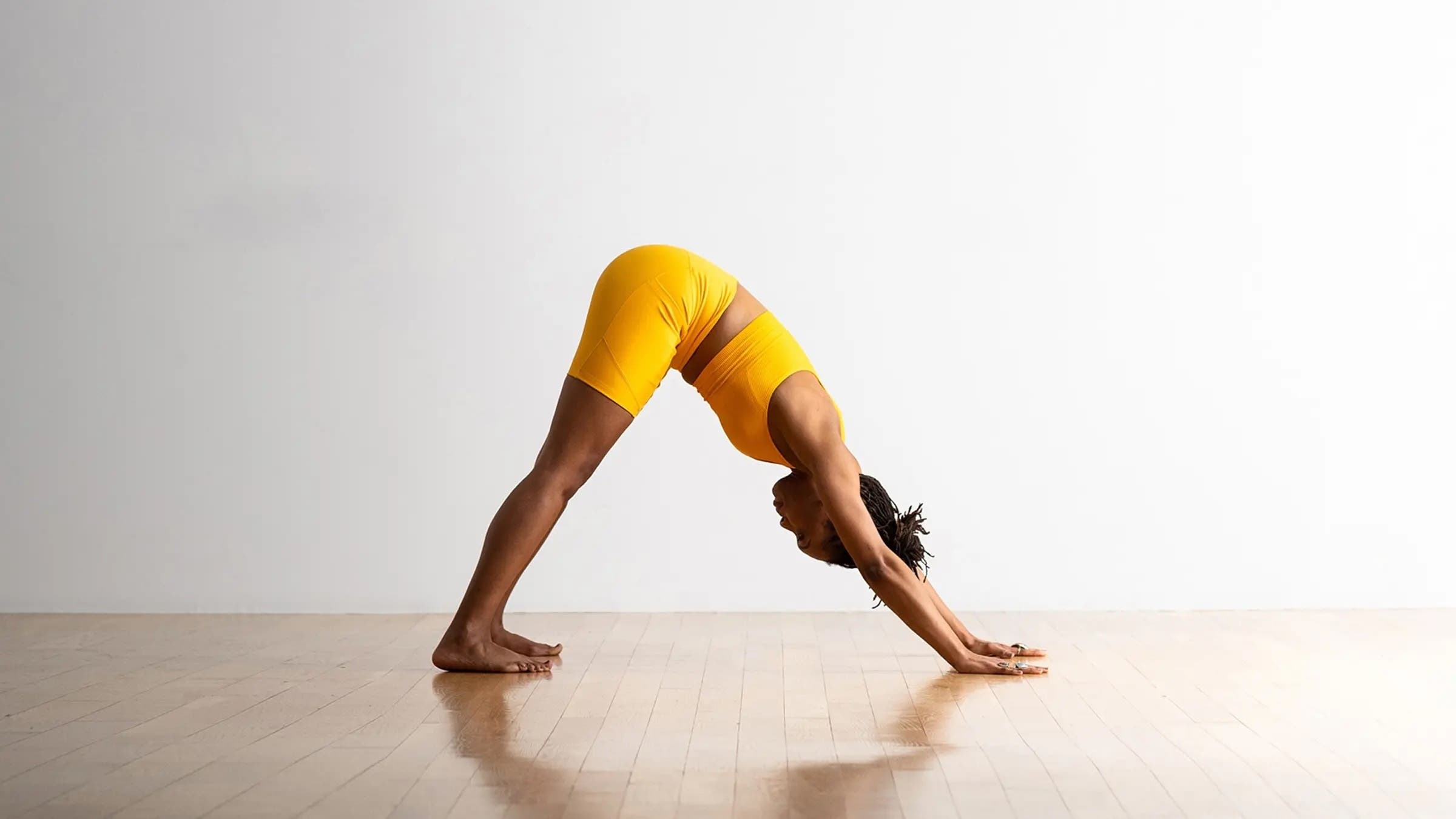
1. Downward-Facing Dog (Adho Mukha Svanasana)
Often treated merely as a transitional shape, Downward-Facing Dog is a masterclass in full-body integration.
- The Mechanics: You cannot relax into Down Dog without engaging your upper body, core, legs, and ankles. Your ankles actively bear your body weight in both static holds and dynamic variations (such as pedaling out the heels).
- The Benefit: As joint strength increases, practitioners often experience a surprising shift, finding that Down Dog transforms from an intense muscular effort into a remarkably restful resting pose.
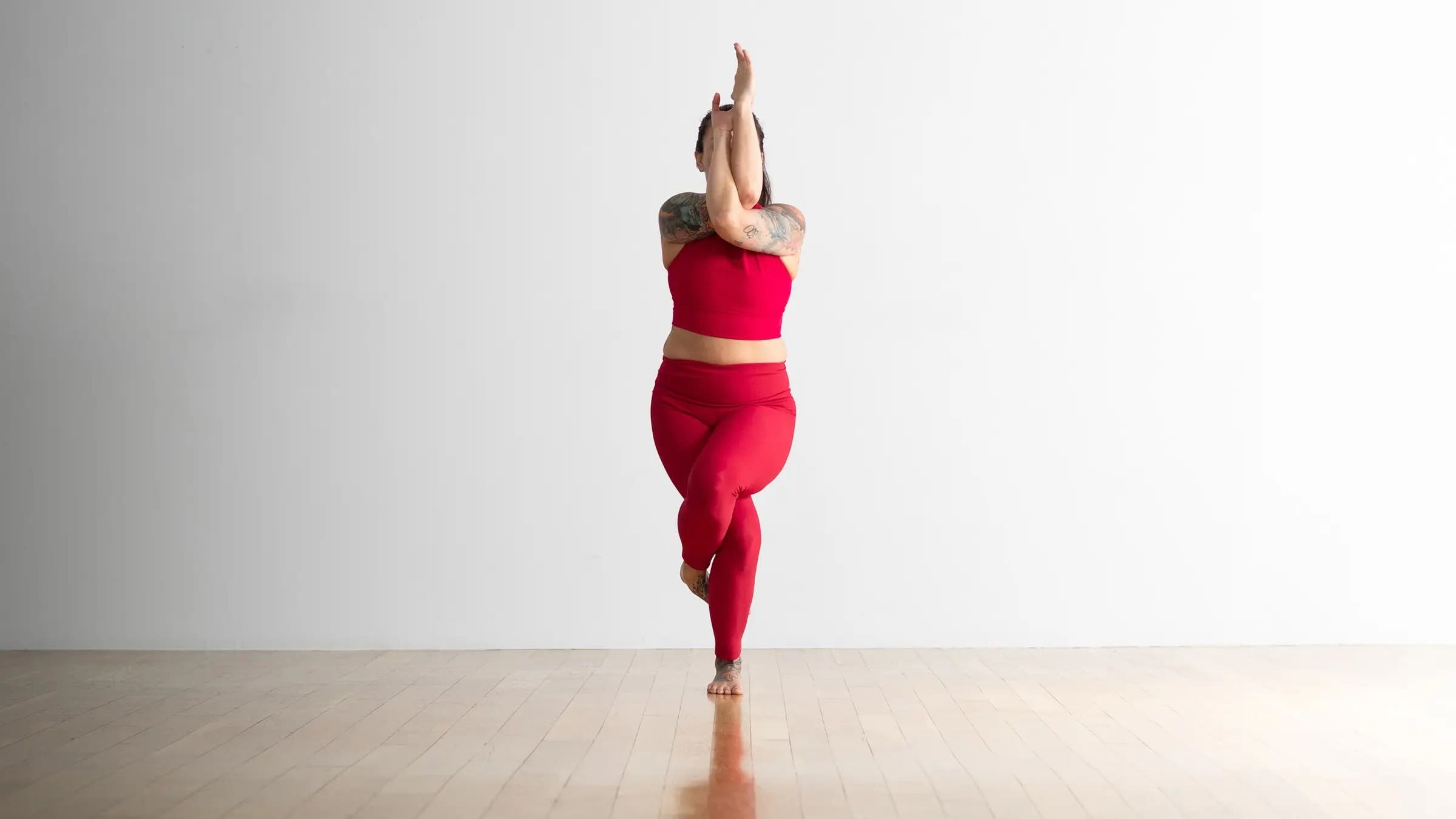
2. Eagle Pose (Garudasana)
Eagle Pose is an exercise in recalibrating your center of gravity.
- The Mechanics: This posture requires you to balance entirely on one foot, placing the full load of your body weight onto a single ankle while wrapping or hovering the opposite leg.
- The Benefit: Because the shape shifts your typical alignment context, your ankles are forced to renegotiate stability. With consistent practice, this pose cultivates deep neuromuscular awareness, teaching the ankle to stabilize rather than strain under an off-center load.
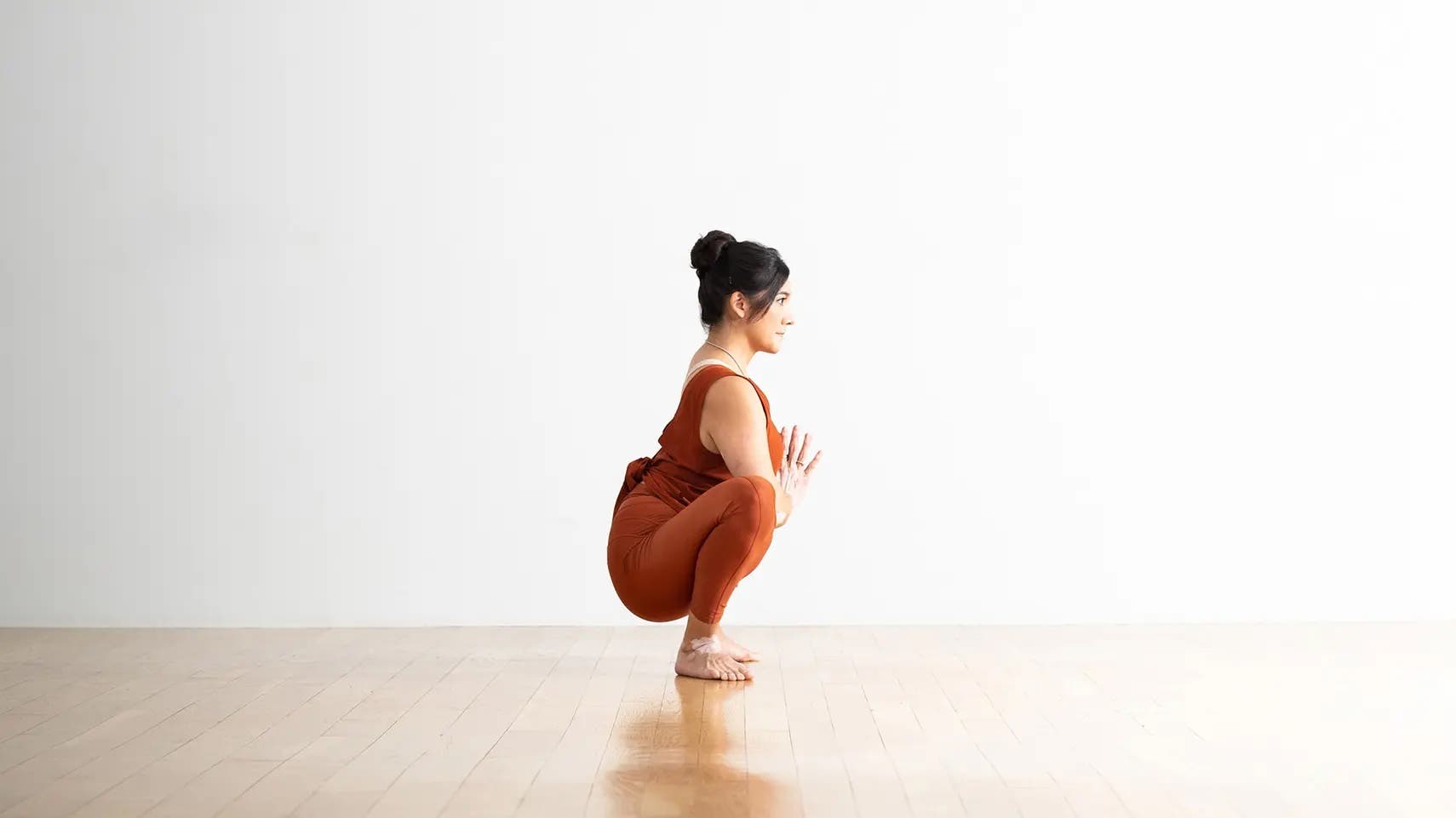
3. Yogic Squat (Malasana)
Malasana places the lower body in a position of maximum functional utility.
- The Mechanics: This deep squat puts the ankles into a state of dorsiflexion, bringing the shins closer to the feet and providing a profound stretch to the lower leg complex while supporting the body’s entire upper mass.
- The Benefit: By asking the ankles to bear weight while simultaneously experiencing a deep stretch, Malasana improves both joint mobility and overall physical functionality.
4. High Lunge (Utthita Ashwa Sanchalanasana)
A powerful test of symmetrical versus asymmetrical stability, High Lunge demands dual participation from both lower extremities.
- The Mechanics: Your front foot and ankle work to absorb and stabilize the weight of a deeply bent front leg, while your back foot and ankle act as a dynamic kickstand to maintain balance.
- The Benefit: Sustaining this posture for several breaths builds resilient joint strength. Wobbling is normal and expected; it is the physical manifestation of the ankle micro-adjusting to find equilibrium.
5. Hero Pose (Virasana)
Hero Pose proves that strengthening and stretching are often two sides of the same coin.
- The Mechanics: Seated between the heels with the tops of the feet flat on the floor, this shape places the ankles and feet into plantar flexion.
- The Benefit: While it functions primarily as an intricate stretch for the fronts of the ankles and feet, it builds passive endurance and structural tolerance over time. Because alignment nuances vary widely from body to body, utilizing props like blocks can help practitioners safely access their ideal version of the shape.
Implications for Lifelong Mobility
The deliberate cultivation of ankle strength bridges the gap between mat-based practice and functional longevity. In a broader health context, ankle stability is one of the single most reliable indicators of fall prevention in aging populations.
By treating the ankles not as passive hinges, but as intelligent, adaptable structures worthy of targeted conditioning, practitioners safeguard their physical autonomy. Whether navigating an uneven hiking trail, sprinting to catch a flight, or holding a challenging balance sequence in a yoga studio, a strong and stable pair of ankles ensures that you can move through the world with grace, resilience, and unshakeable confidence.
