

SPECIAL EDITORIAL FEATURE
Main Facts: The Landscape of Women in Modern Fine Art
The contemporary fine art landscape is undergoing a profound and long-overdue structural transformation. For centuries, the institutional art world—spanning prestigious galleries, high-end auction houses, major museums, and elite collections—systematically marginalized the contributions of women creators. While masterworks by men commanded record-breaking sums and secured permanent spots in art history curricula, women artists frequently navigated systemic barriers that limited their visibility, exhibition opportunities, and market valuations.
Today, that narrative is actively being rewritten. Across the United States and internationally, women artists are driving a powerful renaissance. They are commanding elite gallery representation, headlining solo exhibitions at world-class museums, and setting new benchmarks at major auction houses.
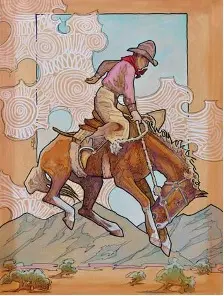
A prime illustration of this modern creative force is captured in works like Maia Chavez Larkin’s striking oil-and-ink canvas, Heartbreaker. Showcasing an evocative fusion of delicate line work and rich, textured medium, pieces like this underscore the technical mastery and emotional depth defining today’s leading female creatives.
This special editorial spotlight explores a diverse cross-section of women artists who are making an indelible impact on the modern art market. Hailing from every corner of the country, these creators are not merely participating in the art world; they are aggressively expanding its boundaries, redefining aesthetic paradigms, and building lasting legacies that will inspire generations to come.
Chronology: A Historical Trajectory from Margins to the Mainstream
To fully understand the weight of the modern movement led by women artists, it is essential to trace the historical timeline that has shaped—and often hindered—their progression.
The Pre-20th Century Eras: Exclusion and Anonymity
For generations, formal art academies routinely barred women from studying the human form through life-drawing classes, which were considered foundational for serious painters and sculptors. Despite these severe institutional hurdles, historical trailblazers such as Artemisia Gentileschi, Élisabeth Vigée Le Brun, and Mary Cassatt achieved remarkable success. However, their accomplishments were frequently framed as exceptions to the rule rather than part of a broader, systemic movement. Many women were forced to exhibit under male pseudonyms or found their works misattributed to male contemporaries to secure sales and recognition.
The Mid-20th Century: The Abstract Expressionist and Feminist Shifts
The mid-20th century witnessed the emergence of powerhouse creators such as Lee Krasner, Joan Mitchell, and Georgia O’Keeffe. While O’Keeffe achieved unprecedented commercial independence, many of her female peers labored in the shadows of their male counterparts, particularly within the male-dominated Abstract Expressionist movement in New York.
It was not until the Feminist Art Movement of the 1960s and 1970s—sparked by cultural shifts and trailblazing collectives—that institutions began to face sustained pressure. Artists, art historians, and critics began actively unearthing overlooked historical works and demanding equal platforming for living women artists.
The Turn of the Millennium: Digital Access and Gallery Democratization
As the art market entered the 21st century, the rise of the internet and digital portfolios began to democratize access. For the first time, artists could bypass traditional brick-and-mortar gatekeepers to build direct audiences. Galleries began to notice shifting consumer demographics; collectors increasingly sought out authentic, diverse perspectives that resonated with modern socio-cultural realities.
The Present Day: Institutional Inclusion and Market Dominance
Today, we are witnessing the culmination of these decades of advocacy. Major institutions are no longer treating retrospectives of women artists as niche or experimental offerings; instead, they are premier blockbusters. Galleries are deliberately shifting their rosters to achieve gender parity, recognizing that contemporary collectors demand a diverse, representative portfolio of talent.
Supporting Data: The Numbers Behind the Movement
While cultural appreciation for women artists has grown exponentially, the quantitative data tells a compelling story of both incredible progress and the work that remains.
Gallery Representation and Solo Exhibitions
According to recent art market analyses compiled by organizations tracking gender equity in the arts, the gap in gallery representation has narrowed significantly over the past decade.
- The Shift: In the early 2010s, major commercial galleries in metropolitan hubs like New York, Los Angeles, and London routinely represented rosters where women accounted for less than 30% of artists. Recent data indicates that top-tier galleries have accelerated parity efforts, with many reporting modern rosters consisting of 45% to 50% women artists.
- Museum Shows: Major metropolitan museums have increased their solo exhibitions dedicated to women artists by an estimated 35% compared to figures from twenty years ago. Institutions are actively acquiring works by contemporary women to balance permanent collections historically dominated by male creators.
Auction Market Valuations
The secondary art market has historically served as a lagging indicator of an artist’s cultural value, heavily favoring historical male artists. However, the appetite for works by women—both historical and contemporary—has reached unprecedented heights.
- Record Sales: Art market reports show that works by modern and contemporary women artists have experienced explosive valuation growth. While a significant pricing gap still exists at the absolute highest tier of the global auction market (where ultra-rare works by blue-chip male artists command nine figures), the mid-to-high tiers are seeing fierce bidding wars for contemporary female creators.
- Collector Demographics: A younger, more diverse generation of art collectors—including tech entrepreneurs, millennial wealth inheritors, and corporate buyers—is actively investing in female-led art. These buyers view supporting women artists not only as a sound financial investment, but as a direct way to shape cultural history.
Official Responses: Perspectives from Curators, Gallerists, and Artists
To capture the true pulse of this artistic renaissance, we turn to the voices shaping the industry on a daily basis—the curators who curate the spaces, the gallerists who broker the careers, and the artists themselves.
The Gallerist Perspective
“We are experiencing a fundamental shift in what collectors value,” explains Sarah Jenkins, director of a prominent contemporary gallery specializing in American figurative and abstract works. “For a long time, the market was driven by a very narrow definition of what ‘mastery’ looked like. Today, collectors are looking for emotional resonance, narrative authenticity, and technical brilliance—qualities that our female artists possess in abundance. When we introduce a solo exhibition featuring women creatives, the response from both seasoned collectors and first-time buyers is overwhelmingly enthusiastic.”
The Curator’s Viewpoint
Dr. Elena Rostova, a contemporary art historian and museum curator, emphasizes the institutional responsibility to correct historical oversights. “Curating exhibitions today requires a deliberate effort to dismantle the biases of the past. We are no longer asking whether women’s art belongs on museum walls; we are asking why it took us so long to give these stories center stage. The technical innovation and conceptual rigor we are seeing from contemporary women artists match—and often exceed—anything found in the historical canon.”
The Artist’s Voice: Maia Chavez Larkin on Inspiration and Medium
Artists like Maia Chavez Larkin, whose captivating piece Heartbreaker (oil and ink on canvas, 24 x 18 inches) graces the forefront of this movement, offer deep insight into the internal drive fueling today’s creative landscape.
Discussing her unique synthesis of fluid ink and rich oil paint, Larkin notes:
“My work is an exploration of duality—the tension between control and surrender. Ink moves with a fierce independence, demanding immediate intuition, while oil allows for patient layering, depth, and introspection. As a woman navigating the modern art world, I find my greatest inspiration in the resilience of human emotion and the shared stories of identity and vulnerability. Being part of this generation of artists is deeply empowering because we are not just carving out space for ourselves; we are building a supportive community that uplifts one another’s legacies.”
Implications: What This Renaissance Means for the Future of Art
The elevation of women artists is not merely a temporary cultural trend; it represents a permanent, structural evolution of the global art market. The ramifications of this shift extend far beyond individual gallery sales and museum attendance records.
1. Redefining Aesthetic Standards
As more diverse voices enter the mainstream, the very definition of fine art is expanding. Themes traditionally relegated to the periphery—such as domestic narratives, identity politics, the intricacies of emotional labor, bodily autonomy, and complex generational dynamics—are now recognized as central to the human experience. The artistic vocabulary is richer, more nuanced, and infinitely more reflective of global society.
2. Economic Empowerment and Wealth Generation
Art is an asset class. By securing elite gallery representation, participating in high-profile museum events, and achieving strong secondary market valuations, women artists are building generational wealth and financial independence. This economic autonomy allows creators to invest more deeply in their craft, experiment with larger formats, hire studio assistants, and take bold artistic risks without compromise.
3. Mentorship and the Next Generation
Perhaps the most enduring implication of this movement is its impact on future generations. Aspiring young artists—regardless of gender—growing up today witness a world where women routinely command major galleries, win prestigious prizes, and dominate art historical discourse. Representation breeds possibility. The artists featured in this special section are not only leaving behind stunning bodies of work; they are acting as mentors and beacons for the next wave of creative visionaries.
Conclusion
The resurgence of women in the fine art market is a testament to unyielding talent, visionary perseverance, and an evolving cultural consciousness. As art enthusiasts, collectors, and historians continue to explore the dynamic works showcased in annual special presentations and galleries nationwide, one truth remains abundantly clear: the future of fine art is inclusive, diverse, and profoundly powerful.
Take the time to immerse yourself in these portfolios, learn the stories behind the canvases, and witness firsthand the artists who are actively shaping the artistic legacy of our time.
