

If beef tallow has suddenly appeared on your radar, it is likely due to shifting federal health conversations and viral social media trends labeling the rendered animal fat a “healthy alternative.” However, a closer look reveals mixed signals within the very guidelines promoting it. While federal frameworks continue to cap daily saturated fat intake, recent recommendations encourage incorporating high-fat animal products, creating a complex arithmetic puzzle for consumers.
Navigating this culinary trend requires a close examination of beef tallow nutrition, the math behind saturated fat limits, the science of cooking oils, and the underlying influences shaping modern dietary advice.
Main Facts: What Is Beef Tallow and Why Is It Trending?
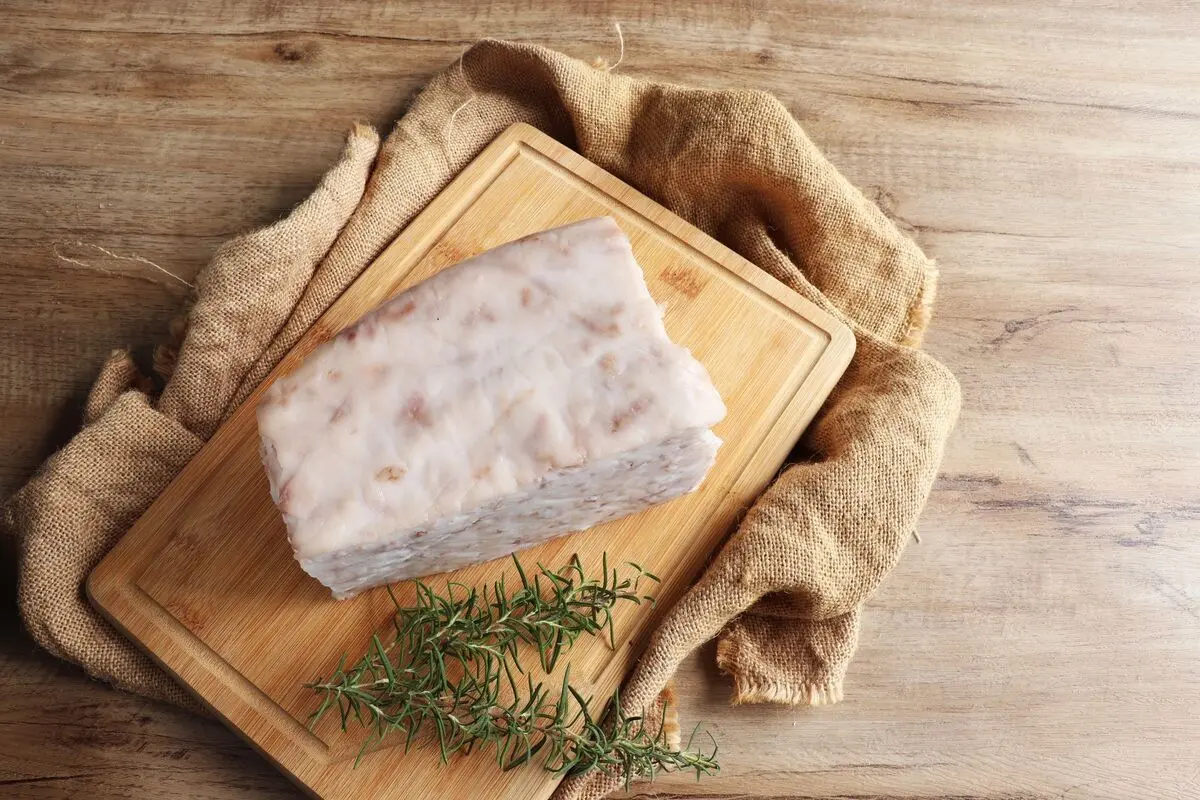
Beef tallow is simply rendered beef fat that remains solid at room temperature. Historically, it was a staple in American kitchens and fast-food chains; notably, McDonald’s used beef tallow to fry its potatoes until public pressure prompted a shift to vegetable oils around 1990.
Decades later, the landscape has inverted. Propelled by social media scrutiny of seed oils and influenced by movements advocating for whole-fat dairy and red meat consumption, beef tallow has taken center stage in wellness circles. Brands ranging from snack food manufacturers to fast-food chains have begun substituting plant-based oils with tallow for frying chips and french fries.
Yet, this renaissance has triggered a fierce debate among nutrition scientists. While proponents praise tallow for its minimal processing and high smoke point, public health experts warn that trading seed oils for an animal fat high in saturated fat ignores decades of cardiovascular research.
Chronology: From Fast-Food Staple to Wellness Phenomenon
To understand how beef tallow reclaimed its place in modern food culture, it is helpful to look at the timeline of dietary shifts:
- Pre-1990s: Beef tallow and lard are standard cooking and frying fats across commercial kitchens and households in the United States.
- 1990: Public health advocacy regarding saturated fats and heart disease prompts major fast-food chains, including McDonald’s, to transition from animal fats to vegetable and seed oils.
- 2010s–Early 2020s: Plant-based and seed oils (such as soybean, canola, and corn oil) dominate commercial and home cooking, backed by nutritional guidelines emphasizing the reduction of saturated fats to protect cardiovascular health.
- January 2026: Updated federal dietary framework discussions and wellness movements (such as the "Make America Healthy Again" initiative) elevate whole-fat foods and traditional animal fats, framing them as less processed alternatives to industrial seed oils.
- Present Day: Major snack brands and restaurants proudly market products cooked in beef tallow, while dietitians and researchers grapple with the conflicting mathematical realities of the updated dietary recommendations.
Supporting Data: The Saturated Fat Math
The primary tension surrounding beef tallow lies in the numbers. Current federal dietary guidelines recommend that saturated fat intake should not exceed 10% of total daily calories. For a standard 2,000-calorie diet, this translates to roughly 200 calories, or about 22 grams of saturated fat per day.
When comparing common cooking fats per tablespoon, the nutritional divergence becomes clear:
| Nutrition Facts (Per Tablespoon) | Beef Tallow | Butter | Vegetable Oil | Olive Oil | Canola Oil |
|---|---|---|---|---|---|
| Calories | 115 | 102 | 120 | 119 | 124 |
| Total Fat (g) | 12.8 | 11.5 | 13.6 | 13.5 | 14.0 |
| Saturated Fat (g) | 6.37 | 7.30 | 2.08 | 1.86 | 0.91 |
| Daily Value % Saturated Fat* | ~32% | ~36.5% | ~10% | ~9% | ~5% |
| Smoke Point | 400–420°F | 350°F | 450°F | 410°F | 435°F |
*Based on a daily limit of ~20g of saturated fat for a 2,000-calorie diet.

As the data demonstrates, a single tablespoon of beef tallow delivers nearly one-third of an individual’s recommended daily saturated fat limit. When paired with recommendations to consume multiple servings of full-fat dairy daily—such as whole milk, full-fat yogurt, and cheddar cheese, which easily contribute 15 to 16 grams of saturated fat on their own—the daily limit is rapidly exceeded before accounting for other meals or snacks.
Official Responses and Perspectives
The debate over beef tallow is characterized by sharp divisions between traditional agricultural advocates, modern wellness influencers, and mainstream cardiology researchers.
The Pro-Tallow Perspective
Advocates for beef tallow point to its fatty acid profile, noting that it contains stearic acid—a long-chain saturated fatty acid considered more LDL-neutral than palmitic acid found in certain plant and dairy sources. Additionally, grass-fed tallow contains trace amounts of conjugated linoleic acid (CLA) and fat-soluble vitamins. From a culinary standpoint, its high smoke point makes it exceptionally stable for high-heat cooking without breaking down as rapidly as delicate unsaturated fats.

The Public Health and Cardiology Perspective
Mainstream medical organizations, including major cardiology associations, emphasize that replacing saturated fats with unsaturated plant oils (such as olive, avocado, and canola oil) consistently correlates with lower rates of cardiovascular disease. A landmark 2025 study published in JAMA Internal Medicine tracking over 220,000 adults found that replacing just one tablespoon of butter daily with plant-based oils was associated with a 17% lower risk of premature mortality.
Furthermore, public health experts caution that framing a fat as "healthy" does not automatically render an ultra-processed food—such as deep-fried potato chips or fast-food french fries—nutritionally beneficial.
Implications: Conflicts of Interest and Practical Takeaways
As consumers attempt to reconcile viral food trends with clinical science, experts urge vigilance regarding the sources of nutrition research.
Sourcing and Funding Biases
A critical review of recent literature highlighting the benefits of red meat and animal fats often reveals financial backing or programmatic support from agricultural checkoff programs, cattlemen’s associations, and meat research foundations. While observational studies funded by these groups frequently report neutral or inverse associations between animal protein/fat intake and inflammatory biomarkers, independent studies unassociated with agricultural lobbying groups often reach contrasting conclusions, advising moderation or substitution with plant- and poultry-based proteins.
How to Approach Beef Tallow Responsibly
For those who choose to incorporate beef tallow into their culinary routine, experts offer several guiding principles:
- Prioritize Sourcing: If purchasing beef tallow, look for transparently sourced, grass-fed options, which contain higher profiles of omega-3 fatty acids and fat-soluble vitamins compared to grain-fed counterparts. Avoid products containing hydrogenated additives.
- Practice Moderation: Recognize that tallow is dense in saturated fat. Treating it as an occasional culinary fat for specific high-heat applications—rather than a daily dietary staple—helps maintain alignment with heart-healthy parameters.
- Look Beyond the Fat: Understand that cooking ultra-processed foods in beef tallow does not negate the nutritional drawbacks of the food itself. Whole foods prepared with unsaturated plant oils remain the bedrock of evidence-based dietary patterns, such as the Mediterranean diet.
Ultimately, beef tallow does not deserve absolute villainization, nor does it merit uncritical elevation to superfood status. The trend has temporarily outpaced the science, leaving consumers with a reminder that sustainable nutrition relies on balance, transparency, and a critical eye toward food marketing.
