

By Organic Authority News Desk
Published August 2026
Main Facts: The Post-Supreme Court Reality for Agrochemicals
In the wake of a landmark Supreme Court decision that fundamentally reshaped the landscape of public health litigation, a legislative attempt to restore consumer rights has collapsed on Capitol Hill. In early August, lawmakers voted strictly along party lines to defeat a proposed amendment to the federal Farm Bill. Spearheaded by Senator Cory Booker (D-N.J.), the amendment aimed to explicitly grant consumers, farmers, and agricultural workers the legal right to sue pesticide manufacturers for failing to warn them about the proven, severe health risks associated with their products.
The legislative push was a direct response to a controversial Supreme Court ruling earlier this summer. That ruling established that federal pesticide labeling requirements—overseen by the Environmental Protection Agency (EPA)—preempt state-level labeling laws. In practice, the judicial decision stripped states of their autonomy to mandate stricter health warnings on hazardous chemicals, insulating major agrochemical corporations from accountability when their products cause illness.
Had Senator Booker’s amendment passed, it would have closed the loophole created by the high court, ensuring that cancer victims and occupationally exposed workers retained what Booker termed "the fundamental right… to have their day in court." Instead, the defeat of the amendment leaves a vulnerable population of farmers, rural residents, and pesticide applicators with virtually no legal recourse against corporate negligence, even as non-profit organizations mobilize emergency petitions to force federal intervention.
Chronology: From Courtrooms to Capitol Hill
To understand how public health advocates and agricultural workers arrived at this legislative precipice, it is necessary to examine the rapid sequence of legal and political events that unfolded through the summer of 2026.
- June 2026: The United States Supreme Court issues a sweeping decision that upends decades of state-level consumer protection. The ruling reverses a Missouri Court of Appeals judgment which had previously awarded $1 million to John Durnell. Durnell had developed non-Hodgkin’s lymphoma after two decades of using Roundup—a glyphosate-based herbicide manufactured by Bayer (which acquired Monsanto in a historic multi-billion-dollar buyout). The Supreme Court’s rationale hinged on the Federal Insecticide, Fungicide, and Rodenticide Act (FIFRA), determining that federal law prohibits states from imposing labeling or packaging requirements "in addition to or different from" federal standards.
- Early July 2026: Recognizing the immediate threat the Supreme Court ruling poses to public health transparency, environmental and public health non-profits mobilize. The Center for Biological Diversity files an emergency petition with the EPA. The legal action demands that the federal agency mandate explicit cancer-warning labels on the packaging of high-risk pesticide products, focusing on chemicals with established links to malignancies.
- Early August 2026: Capitalizing on the legislative vehicle of the Farm Bill, Senator Cory Booker introduces an amendment designed to neutralize the Supreme Court’s preemption ruling. The amendment seeks to clarify and restore liability, allowing state-level failure-to-warn lawsuits to proceed against pesticide producers.
- August 2026 (Vote): The Farm Bill amendment is brought to the floor. Despite impassioned arguments regarding corporate accountability and public safety, the measure is defeated entirely along partisan lines, leaving federal preemption intact and shutting down a vital avenue of justice for chemically injured Americans.
- Mid-to-Late August 2026: The EPA acknowledges receipt of the Center for Biological Diversity’s emergency petition, offering a standard bureaucratic response while agricultural communities and advocacy groups weigh their next legal and legislative strategies.
Supporting Data: The Hidden Dangers in American Fields
The debate over pesticide labeling is not merely a legal abstraction; it is grounded in decades of toxicological data and epidemiological studies highlighting the severe toll of agricultural chemicals on human health.
According to data cited in the Center for Biological Diversity’s emergency petition, internal EPA reviews and independent scientific literature have established that 199 pesticide active ingredients possess proven links to cancer. Despite these alarming findings, 124 of those cancer-linked chemicals remain actively registered for use across the United States, often utilized without any mandatory disclosure or explicit health warning on their commercial packaging.
The petition highlights several specific chemicals currently in widespread use:
- Mancozeb: A widely utilized fungicide that scientific reviews published in peer-reviewed journals (such as Science of the Total Environment) have linked to a significantly increased risk of ovarian cancer among exposed populations.
- Carbaryl: An organophosphate insecticide whose exposure pathways have been associated with heightened risks of developing stomach and esophageal cancers.
The Disproportionate Burden on Rural Communities
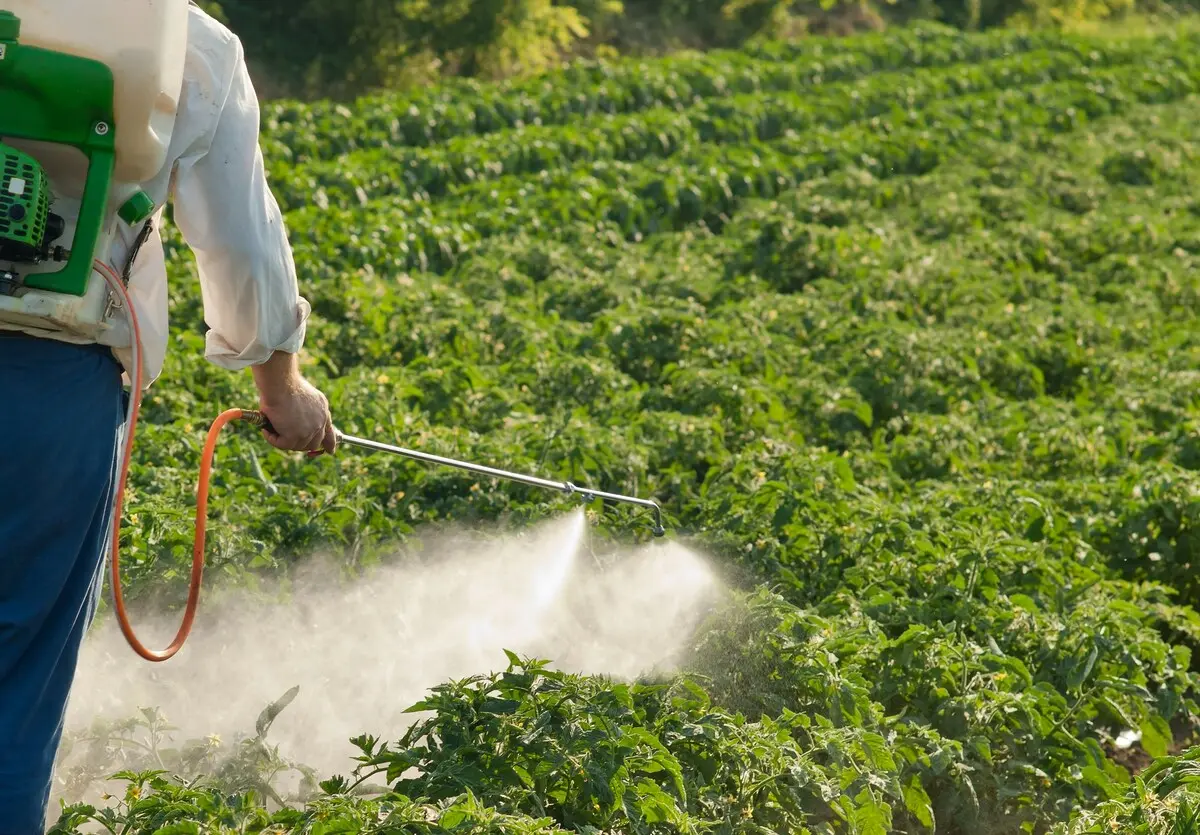
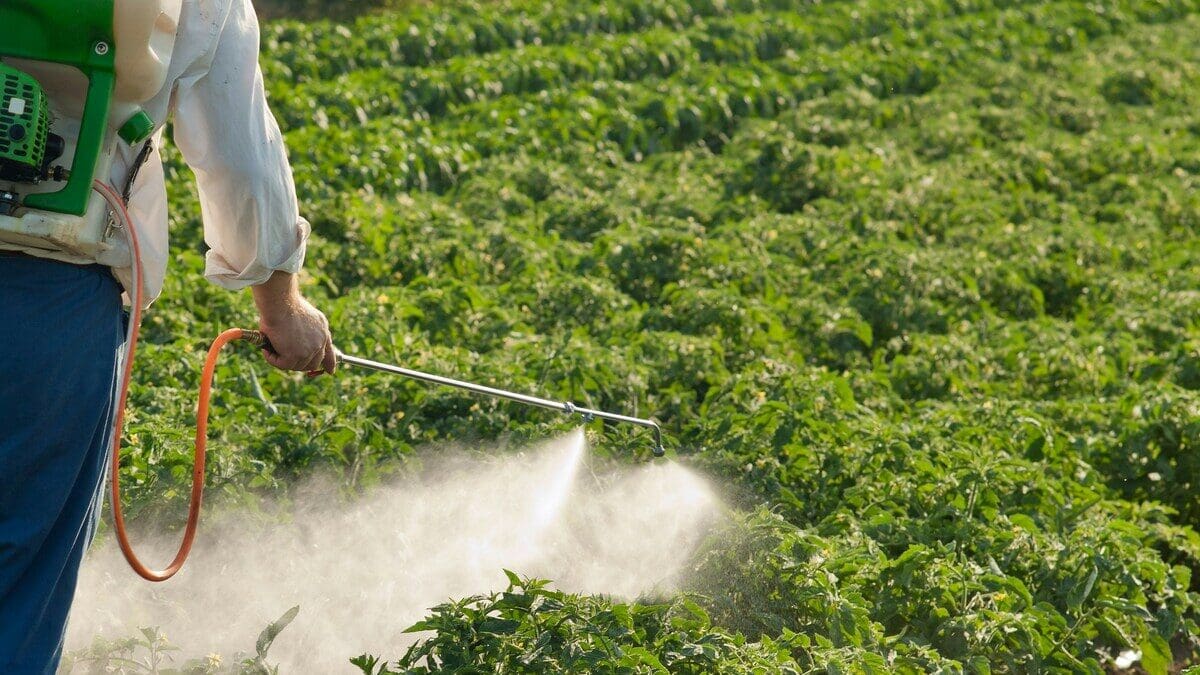
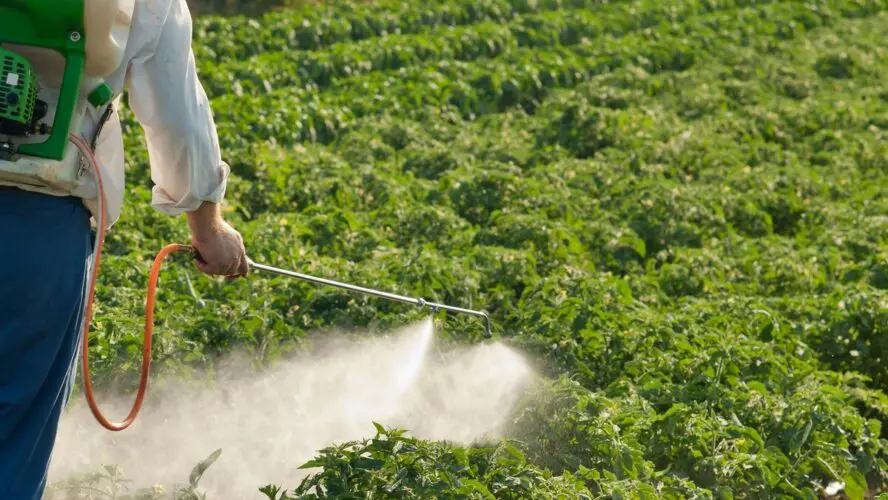
The impact of these unlabelled, hazardous chemicals falls heaviest on specific demographic groups. Pesticide applicators, career farmers, and families residing in rural agricultural belts experience statistically elevated cancer rates compared to the general American population. Because these individuals handle, spray, or live adjacent to fields treated with complex chemical cocktails, the absence of clear, front-facing warning labels deprives them of informed consent regarding their occupational and residential environments.
Nathan Donley, environmental health science director at the Center for Biological Diversity, underscored the simplicity and urgency of the scientific demand. "It’s more important than ever for the EPA to finally start requiring pesticide companies to put cancer warnings on products the agency itself has linked to cancer," Donley stated. "We’re asking for something ridiculously easy. Just warn the public of the serious health risks the EPA already knows about. In other words, do your job."
Official Responses and Bureaucratic Standoffs
The friction between legislative inaction, judicial overreach, and administrative hesitation has created an intense standoff among federal agencies, lawmakers, and advocacy organizations.
Congressional Debate and Corporate Immunity
During the floor debates surrounding the Farm Bill, proponents of Senator Booker’s amendment argued that the Supreme Court had inadvertently constructed an impenetrable shield for multinational agrochemical conglomerates. Booker sharply criticized the judicial outcome, stating that it handed giant chemical corporations a "free pass when their toxic products make people sick" and granted them "permanent immunity from lawsuits about their failure to warn people about the known health risks of their products."
Opponents of the amendment, largely voting to block the measure, aligned with agricultural industry lobbies who argued that a patchwork of state-level labeling requirements would create insurmountable compliance burdens for interstate commerce and introduce conflicting warning standards that could confuse rather than educate consumers.
The EPA’s Stance
With Congress refusing to alter the statutory landscape and the judiciary locking down state-level legal pathways, all immediate pressure has shifted back to the EPA. The agency holds the administrative authority under FIFRA to mandate hazard warnings on pesticide labeling without requiring new acts of Congress.
However, the federal response to mounting public pressure has been characteristically cautious. When formally approached for comment regarding the Center for Biological Diversity’s emergency petition to mandate cancer warnings for 124 active ingredients, the EPA press office issued a brief, non-committal statement:

"As with all petitions, EPA will evaluate the incoming petition."
This measured response leaves public health advocates skeptical that swift administrative action will be taken to bridge the regulatory gap left by the Supreme Court’s decision.
Implications: What This Means for Farmers, Consumers, and the Future of Agrochemicals
The convergence of the Supreme Court’s preemption ruling, the defeat of the Farm Bill amendment, and the EPA’s glacial administrative pace carries profound implications for the future of American agriculture, public health, and corporate accountability.
1. The Erosion of the Right to Seek Justice
For individual victims of chronic pesticide exposure—such as non-Hodgkin’s lymphoma patients, agricultural workers battling rare cancers, and families in rural farming towns—the legal architecture has shifted dramatically against them. Without the threat of "failure-to-warn" lawsuits, manufacturers face diminished financial incentives to transparently research, disclose, or phase out hazardous formulations. The burden of illness is effectively shifted entirely onto the shoulders of the consumer and the worker, who must navigate chronic health conditions without access to judicial compensation or accountability.
2. The Battleground Shifts Entirely to Federal Administrative Law
Because state courts are now barred by federal preemption from enforcing independent warning standards, non-profits and public health advocates are forced to pivot entirely toward federal lobbying and administrative petitions. The EPA is now the ultimate arbiter of whether American citizens receive explicit warnings about the chemicals applied to their food and environment. If the agency fails to act on petitions demanding cancer labels for active ingredients like mancozeb and carbaryl, advocates will have few traditional avenues left to force transparency.

3. Increased Scrutiny on the Agrochemical Industry
Despite legislative setbacks, public awareness regarding the health risks of glyphosate, organophosphates, and other chemical inputs is at an all-time high. High-profile litigation, even when hampered by federal preemption rulings, continues to cast a harsh spotlight on the practices of agrochemical giants like Bayer and Monsanto. As scientific literature solidifies the causal links between agricultural chemicals and systemic diseases, consumer demand for organic alternatives and stricter regulatory oversight is expected to intensify, setting the stage for ongoing cultural and political battles over how food is grown in the United States.
