

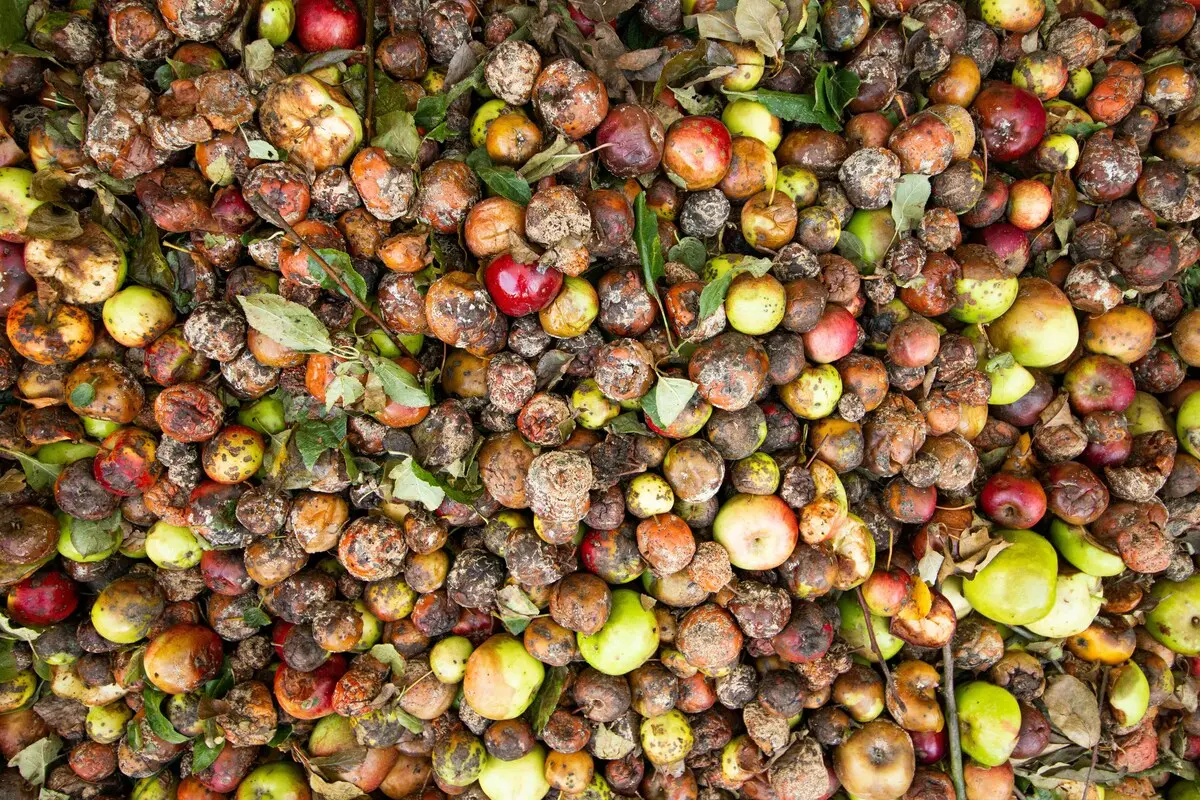
More than one-third of all food cultivated, harvested, and prepared globally never reaches a human plate. This staggering metric represents a profound humanitarian and ecological failure, particularly given that a massive portion of discarded food consists of the most nutritionally potent items in the human diet: tender leafy greens past their prime, aromatic herbs that have wilted in crisper drawers, and soft berries overlooked before their expiration.
For decades, modern nutritional advice and sustainability advocacy have operated in distinct silos. Nutritionists focus on dietary guidelines, vitamins, and antioxidants, while environmental scientists focus on methane emissions, landfill capacity, and agricultural runoff. However, a growing body of agricultural science suggests that nutrient density and waste reduction are fundamentally two sides of the same coin.
By restructuring how we store perishables, adopting whole-ingredient culinary habits, and synchronizing our consumption with natural growing seasons, households can simultaneously capture more essential vitamins and slash unnecessary waste. This comprehensive guide explores the intersection of food waste and nutrient preservation, offering actionable strategies to transform kitchen management from a source of guilt into a powerful tool for wellness and ecological stewardship.
Main Facts: The Hidden Intersection of Waste and Nutrition
To understand why reducing waste directly correlates with superior health, one must examine the lifecycle of produce. Vitamins and antioxidants do not remain static once a fruit or vegetable is harvested. The moment a plant is plucked from the earth or pruned from a branch, a relentless countdown begins.

Light, heat, oxygen, and time act as catalysts for the degradation of micronutrients. Water-soluble vitamins—such as Vitamin C and various B-complex vitamins—are exceptionally fragile. For instance, fresh spinach harvested at peak ripeness can lose up to half of its folate content within a single week if it is subjected to improper storage temperatures.
When consumers allow produce to rot in the back of a refrigerator or toss slightly bruised vegetables into the trash bin, they are discarding not only caloric energy and financial capital, but also maximum biological value. Conversely, produce consumed at its biochemical peak delivers a higher concentration of micronutrients per bite.
Furthermore, modern freezing technology often preserves nutrients better than fresh produce that has traveled thousands of miles across a ten-day supply chain. Flash-frozen vegetables are typically processed within hours of harvest, locking in their vitamin profiles at their absolute zenith. By recognizing that spoilage prevention is synonymous with nutritional optimization, consumers can fundamentally reframe their relationship with food.
Chronology: From Farm Gate to Landfill—The Decaying Timeline of Perishables
The journey of food from agricultural production to household consumption is fraught with opportunities for nutrient loss and premature waste. Tracing this timeline reveals critical intervention points where modern habits can be altered for better outcomes.

Phase 1: Harvest and Transit
Agriculture begins with the maximization of yield, but post-harvest handling dictates shelf life. As soon as a crop is cut from its nutrient source, cellular respiration accelerates. Fruits and vegetables continue to consume their own internal sugars and starches, breaking down structural integrity. If produce sits unchilled in a shipping container or under harsh warehouse lights, enzymatic degradation rapidly strips away delicate phytonutrients.
Phase 2: The Retail Floor
Supermarkets present a mixed environment. While large grocers attempt to manage humidity and temperature, high customer turnover and aesthetic standards mean that thousands of pounds of edible, nutrient-dense fruits and vegetables are culled daily simply because they do not meet visual perfection criteria. Foods purchased here often arrive home already compromised by days of transit.
Phase 3: Domestic Storage and Neglect
The final and most controllable stage of the timeline occurs within residential kitchens. This is where most household waste is won or lost. Without a clear understanding of temperature zones, humidity requirements, and ethylene gas management, consumers frequently accelerate the decay of their groceries. A head of lettuce placed in a low-humidity drawer will wilt in days; berries stored in airtight, unventilated plastic will mold overnight.
Phase 4: Disposal and Methane Generation
When unconsumed food finally reaches the municipal waste stream, it is buried in anaerobic landfill environments. Deprived of oxygen, this massive volume of organic matter decomposes to produce methane—a greenhouse gas with a warming potential significantly more potent than carbon dioxide over a 20-year timeline.
Supporting Data: The Scale of the Crisis
Statistical evaluations from environmental and agricultural regulatory bodies paint a stark picture of modern consumption habits.
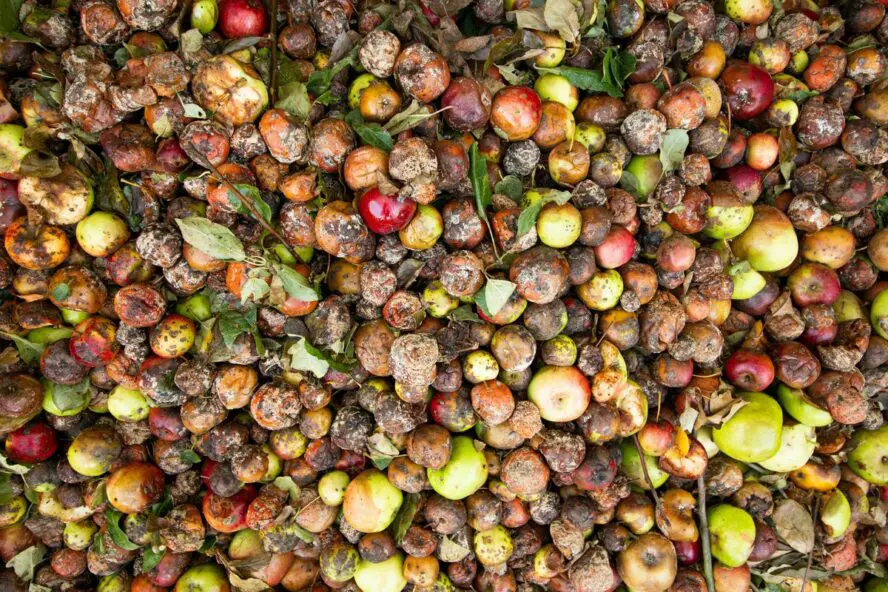
According to estimates from the United States Department of Agriculture (USDA) and the Environmental Protection Agency (EPA), approximately 30 to 40 percent of the entire U.S. food supply is lost or wasted annually. In absolute terms, this translates to roughly 25 to 28 million tons of food discarded by households every single year.
- Household Dominance: Residential households account for the single largest share of this waste stream, outstripping farms, restaurants, and grocery stores combined.
- Per Capita Impact: This equates to hundreds of pounds of edible food wasted per person annually, representing billions of dollars in squandered capital.
- Nutritional Loss: Millions of pounds of this discarded inventory consist of untouched leftovers, trimmings rich in dietary fiber, and produce containing high concentrations of antioxidants, polyphenols, and essential minerals.
Data from nutritional biochemistry studies further indicate that the degradation rate of fragile micronutrients accelerates exponentially when temperature fluctuations occur during storage. For example, unstable refrigeration temperatures can cause produce respiration rates to spike, destroying up to 40% of localized antioxidant compounds within 72 hours.
Official Responses: Global Perspectives and Institutional Interventions
Governments, non-governmental organizations, and international food agencies are increasingly mobilizing to address the dual crises of food waste and nutritional insecurity.
Public Policy and Urban Innovation
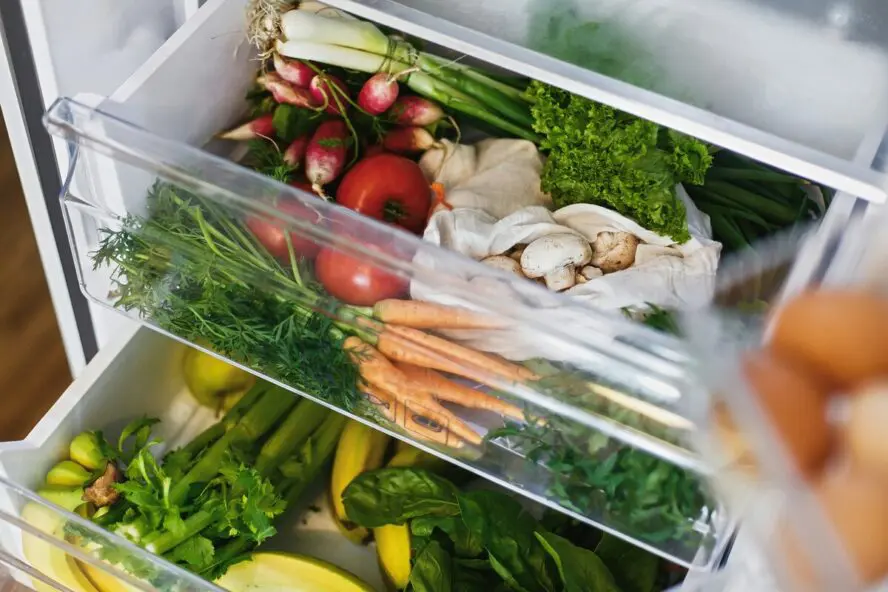
Different cultures have pioneered distinct models for waste mitigation. In high-density urban environments like Singapore, where real estate constraints dictate smaller residential footprints, refrigerators are traditionally compact. This forces consumers to purchase smaller quantities of food on a frequent basis. While this model requires a shift in shopping habits, it naturally limits spoilage and ensures that urban populations consume fresher, higher-nutrient produce. Many European households operate under similar micro-purchasing paradigms.
Food Rescue Networks
At an institutional level, large-scale rescue organizations bridge the gap between agricultural surplus and community need. Organizations such as Feeding America operate expansive food rescue networks, redistributing billions of pounds of edible surplus food annually to regional food banks and community pantries. State and federal legislative bodies are increasingly introducing tax incentives for commercial growers and supermarkets to donate surplus inventory rather than paying landfill tipping fees, scaling up the recovery of nutrient-dense assets.
Implications: Practical Strategies for the Modern Kitchen
Translating the waste-nutrition nexus into daily life requires neither a complete culinary overhaul nor obsessive tracking. Rather, it demands the consistent implementation of foundational kitchen habits.
1. Smarter Storage Architecture
Refrigerators are sophisticated thermal machines, yet many users treat them as undifferentiated cold boxes.
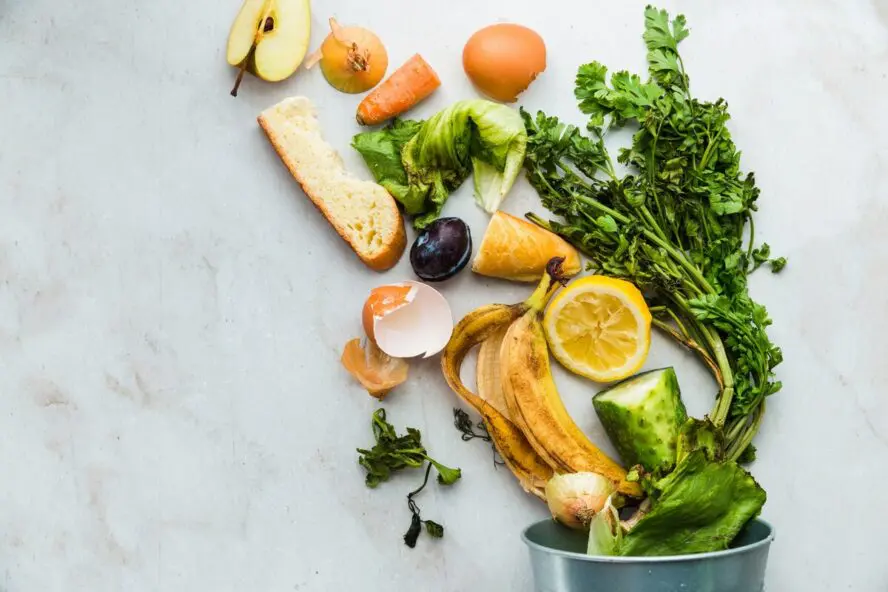
- Temperature Stability: Opening the refrigerator door repeatedly introduces warm air, stressing delicate items like leafy greens and soft fruits. Modern appliances featuring multi-zone cooling help stabilize internal microclimates.
- Humidity Zones: Crisper drawers are functional tools, not decorative features. High-humidity drawers slow moisture loss from leafy greens and herbs, while low-humidity environments prevent excess moisture buildup around items sensitive to rot.
- Ethylene Management: Fruits like bananas, avocados, tomatoes, and peaches emit ethylene gas, which accelerates the ripening and subsequent decay of nearby produce. These items are best kept on the counter until peak ripeness is achieved, after which they can be transferred to the refrigerator to extend their usable window.
2. The Freezer as a Bio-Vault
Rather than serving as a graveyard for forgotten leftovers, the freezer should be utilized as an active preservation tool.
- Blanching and Freezing: Vegetables blanched briefly and frozen retain their vitamin structures remarkably well.
- Portioned Preservation: Herbs chopped and suspended in olive oil, ripe bananas peeled and bagged for smoothies, and homemade bone broths rich in minerals can all be stored indefinitely.
- The Labeling Rule: Maintaining a roll of tape and a marker on the refrigerator ensures that every frozen item is dated, preventing it from devolving into unidentifiable waste.
3. Flexible Meal Planning and Scrap Cooking
Rigid meal plans often fail when real life intervenes, leading to forgotten vegetables and spoiled ingredients. A more resilient approach involves a loose weekly framework anchored to the contents of the existing pantry and refrigerator.
- Whole-Ingredient Utilization: Embracing scrap cooking transforms kitchen byproducts into nutritional assets. Vegetable trimmings, herb stems, parmesan rinds, and poultry bones yield mineral-dense broths. Beet greens can be sautéed as a nutrient-rich side dish, and stale bread can be repurposed into croutons or fiber-rich breadcrumbs.
- Culinary Adaptability: Integrating traditional fermentation and pickling practices—such as making kimchi, sauerkraut, or quick pickles—extends the shelf life of surplus produce while introducing gut-healthy probiotics.
Conclusion
Maximizing nutrient density and minimizing food waste are not competing objectives; they are mutually reinforcing goals rooted in the exact same set of mindful kitchen practices.
When consumers store food correctly, shop with intention, cook with whole ingredients, and respect seasonal growing cycles, they achieve a trifecta of benefits: lower household grocery expenditures, a dramatic reduction in environmentally damaging landfill waste, and a superior intake of vital micronutrients. Ultimately, closing the loop between what we purchase and what we consume is one of the most direct, impactful actions an individual can take for personal health and planetary preservation.
