

August 14, 2026
By the Fitness & Wellness Desk
Main Facts
The pursuit of arm strength has long been typecast in the cultural imagination: the clank of heavy iron plates, isolated dumbbell curls, and a singular focus on aesthetic hypertrophy. However, a growing paradigm shift in physical culture underscores that true, sustainable upper-body power is as much about structural alignment, mobility, and nervous system integration as it is about brute muscle mass.
Enter yoga. Far from being a purely restorative practice reserved for flexibility and stress relief, intentional yoga disciplines offer a sophisticated ecosystem for upper-body conditioning. When approached with anatomical precision, specific yoga asanas bridge the gap between stretching and strengthening. They recruit not only the obvious show muscles—the biceps and triceps—but also the intricate stabilizing networks of the rotator cuff, the scapular retractors, the chest, and the core.
Recent physical culture analyses and biomechanical insights reveal that integrating yoga into a traditional fitness regimen yields multi-faceted benefits:
- Enhanced Joint Stability: By treating stretching and strengthening as simultaneous, complementary processes, practitioners build resilient joints capable of bearing unpredictable loads.
- Whole-Body Synergy: Unlike isolated machine exercises, yoga postures demand systemic recruitment, teaching the arms, torso, and lower body to communicate efficiently under pressure.
- Injury Mitigation: Developing balanced strength across the shoulders, chest, and upper back guards the vulnerable upper body from chronic strain, postural imbalances, and acute injury.
Chronology
The integration of bodyweight calisthenics and static-dynamic holds into modern strength routines has evolved significantly over the past several decades.
- The Mid-to-Late 20th Century: Modern postural yoga gained mainstream traction in Western societies primarily as a tool for stress reduction, flexibility, and spiritual alignment. Strength conditioning remained strictly within the domain of traditional weightlifting and gymnastics.
- The Early 2000s: As functional fitness began to challenge conventional bodybuilding paradigms, trainers started recognizing the limits of isolated muscle training. Movement specialists began cross-pollinating disciplines, incorporating bodyweight balances and transitions from vinyasa yoga into athletic conditioning.
- The 2010s to Present: Scientific literature began validating what movement practitioners had long suspected. Research into body-mass-resistant training highlighted improvements in muscular endurance and structural integrity. Today, in 2026, the artificial divide between "lifting weights" and "practicing yoga" has largely dissolved, with elite athletes, physical therapists, and everyday fitness enthusiasts routinely blending both to optimize upper-body performance and long-term musculoskeletal health.
Supporting Data
The shift toward combining flexibility and load-bearing capacity is heavily backed by contemporary kinesiology and exercise science. Physical conditioning that targets the upper body is no longer viewed strictly through the lens of cosmetic muscle building, but as a critical component of metabolic health and functional longevity.
- Endurance and Performance: According to data published in the journal Biology, targeted upper-body conditioning significantly improves overall physiological endurance performance, demonstrating that arm and shoulder stamina plays a vital role in total-body oxygen utilization and fatigue resistance (MDPI, 2023).
- Preserving Muscle Mass: Research highlighted in the Journal of Cachexia, Sarcopenia and Muscle emphasizes that maintaining and building upper-body musculature through progressive resistance—whether via external weights or sophisticated bodyweight loads—is critical for preserving overall muscle mass and metabolic health as individuals age (Wiley Online Library, 2022).
- The Synergy of Stretch and Strength: Biomechanical studies consistently show that muscles operating through a full range of motion while under tension develop superior neuromuscular coordination compared to muscles trained exclusively in shortened ranges. Yoga postures place joints at extreme angles of flexion and extension while demanding active engagement, thereby conditioning connective tissues to tolerate higher stress thresholds.
Official Responses
Physical therapists, sports medicine physicians, and senior yoga educators have increasingly aligned their philosophies regarding how the upper body should be conditioned.
Dr. Elena Vance, a specialist in orthopedic physical therapy and sports conditioning, notes the limitations of conventional, single-plane arm exercises. "When people focus solely on mirror muscles like the biceps, they often neglect the posterior shoulder girdle and the deep stabilizers of the thoracic spine," Dr. Vance explains. "What we see in clinical settings is a high incidence of impingement syndromes due to muscular imbalance. Practices that require integrated weight-bearing—such as dynamic transitions and isometric holds found in advanced yoga asanas—force the entire shoulder complex to fire synchronously. It creates an armored, balanced joint."
Meanwhile, master yoga instructor Marcus Thorne emphasizes the internal mechanics of safe load-bearing. "True strength in yoga is never about brute force or ego-driven performance," Thorne states. "When a student tries to muscle their way into an arm balance or a deep backbend, they invariably leak energy and strain their joints. When you understand how to harness core engagement, breath, and structural alignment, the body stops fighting gravity and begins to cooperate with it. The strength follows naturally as a byproduct of awareness."
Implications
The integration of yoga-based strength mechanics into broader physical fitness paradigms carries profound implications for athletes, aging populations, and daily lifestyle health.
1. Longevity and Injury Prevention
As populations age, maintaining upper-body functionality is essential for independent living—from lifting groceries and managing luggage to breaking a fall safely. By cultivating strength through ranges of motion that challenge both flexibility and muscular endurance, practitioners safeguard their shoulders, wrists, and elbows against degenerative wear-and-tear.
2. Redefining "Workouts"
The modern fitness consumer is moving away from compartmentalized routines (e.g., "leg day," "chest day") toward holistic, movement-based paradigms. Recognizing that poses like Puppy, Chaturanga, Crow, Upward Salute, and Wheel offer legitimate, scalable resistance training challenges encourages a more sustainable, enjoyable relationship with physical fitness.
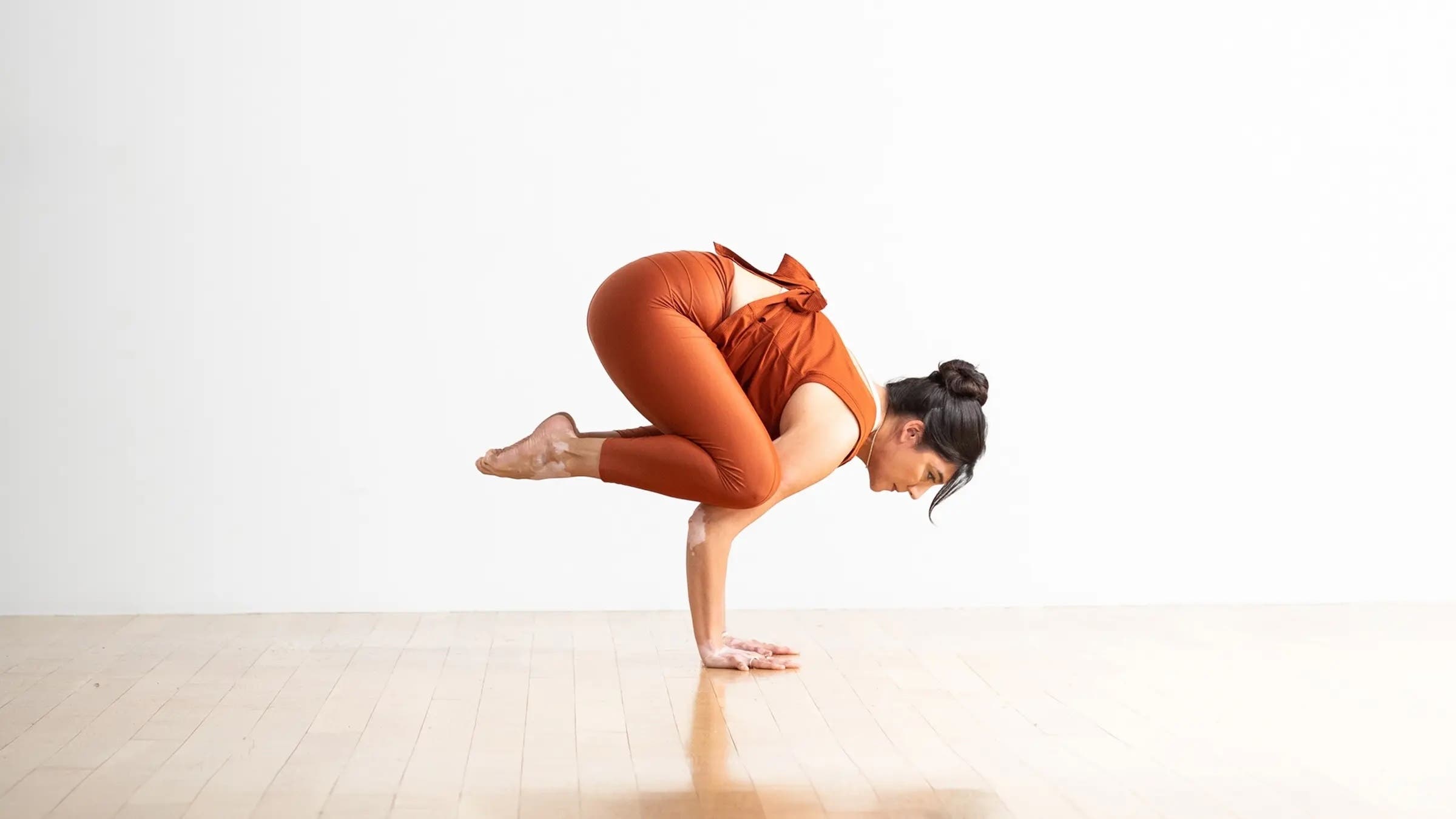
5 Essential Yoga Poses for Building Functional Arm Strength
Incorporating a few breaths into any or all of the following foundational and advanced postures on a regular basis serves as an exceptional complement or standalone supplement to a robust strength-training regimen.
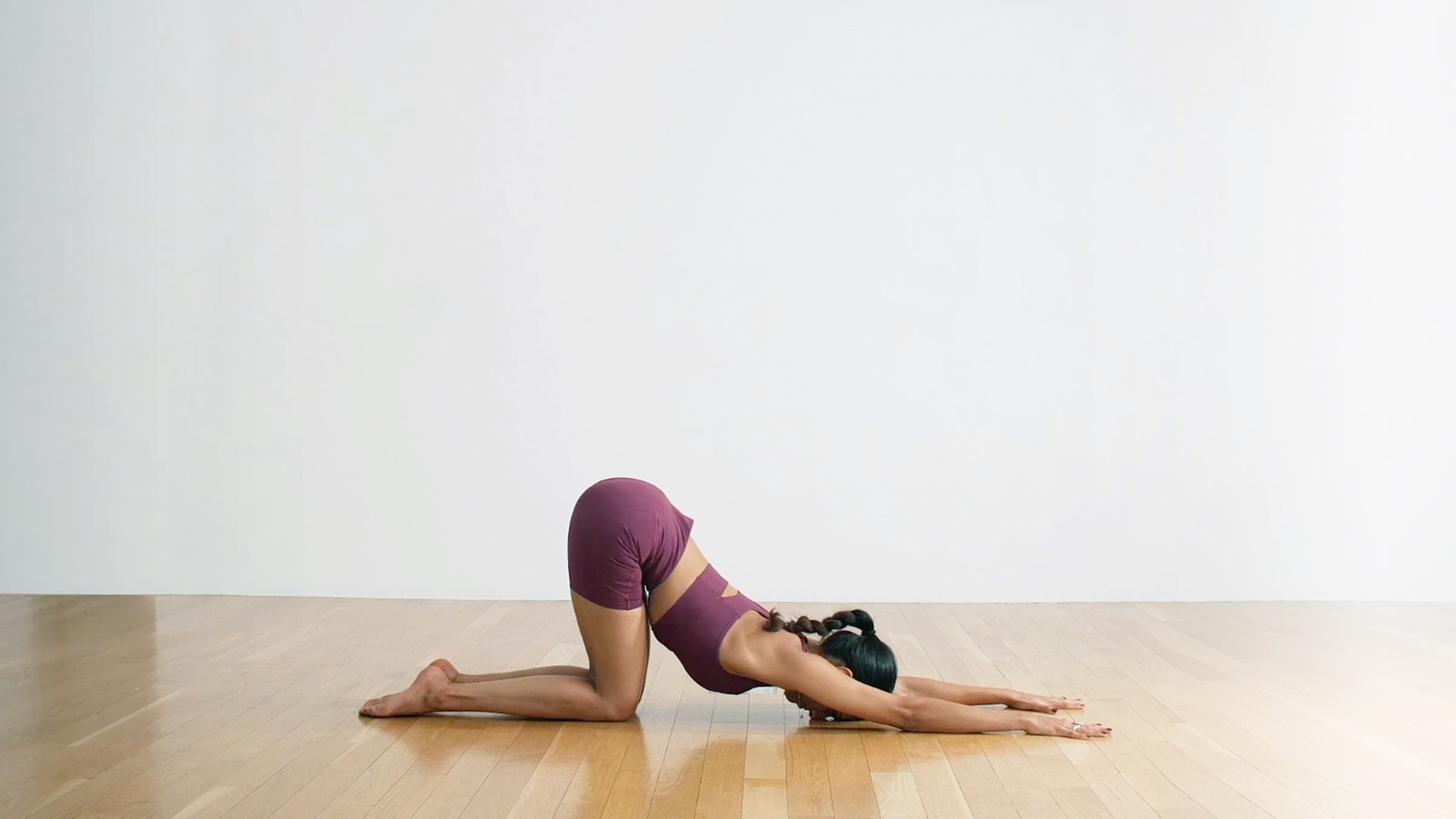
1. Puppy Pose (Uttana Shishosana)
- The Mechanics: Stretching and strengthening must go hand in hand. Spending time in Puppy Pose opens the upper back, shoulders, and front body, prepping your arms for more challenging, load-bearing moments. The pose actively strengthens the shoulder girdle and, to a lesser degree, the triceps.
- Functional Benefit: Consider Puppy an essential thermal and structural warm-up for any arm-strengthening routine, releasing tension in the chest while activating scapular stability.
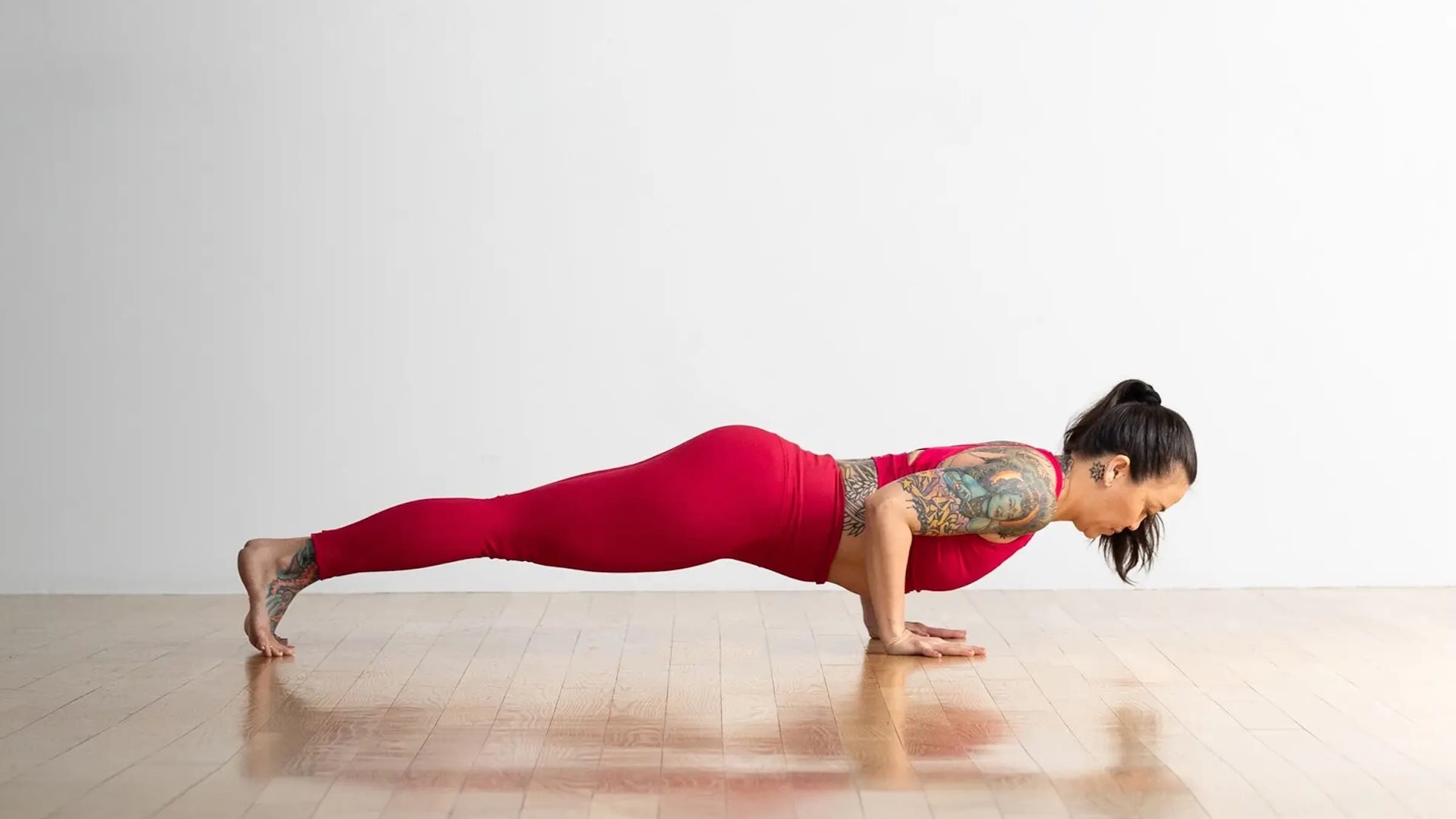
2. Chaturanga Dandasana (Four-Limbed Staff Pose)
- The Mechanics: When practiced dynamically—whether woven into a classic Sun Salutation or held as an isometric challenge—Chaturanga is rightfully known as the "yogi push-up." It demands immense effort from the arms while recruiting the entire body: core, glutes, quads, and feet.
- Functional Benefit: The arms take on the lion’s share of stability as transitional shock absorbers, making this one of the most efficient upper-body conditioning movements in modern movement culture.
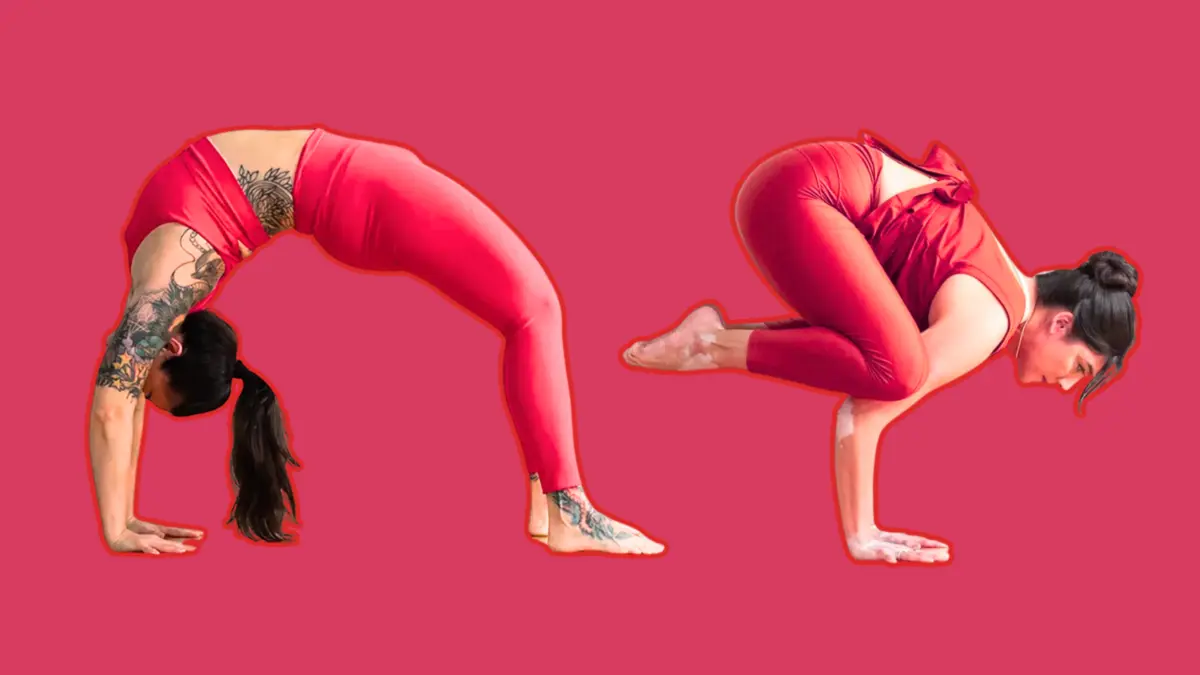
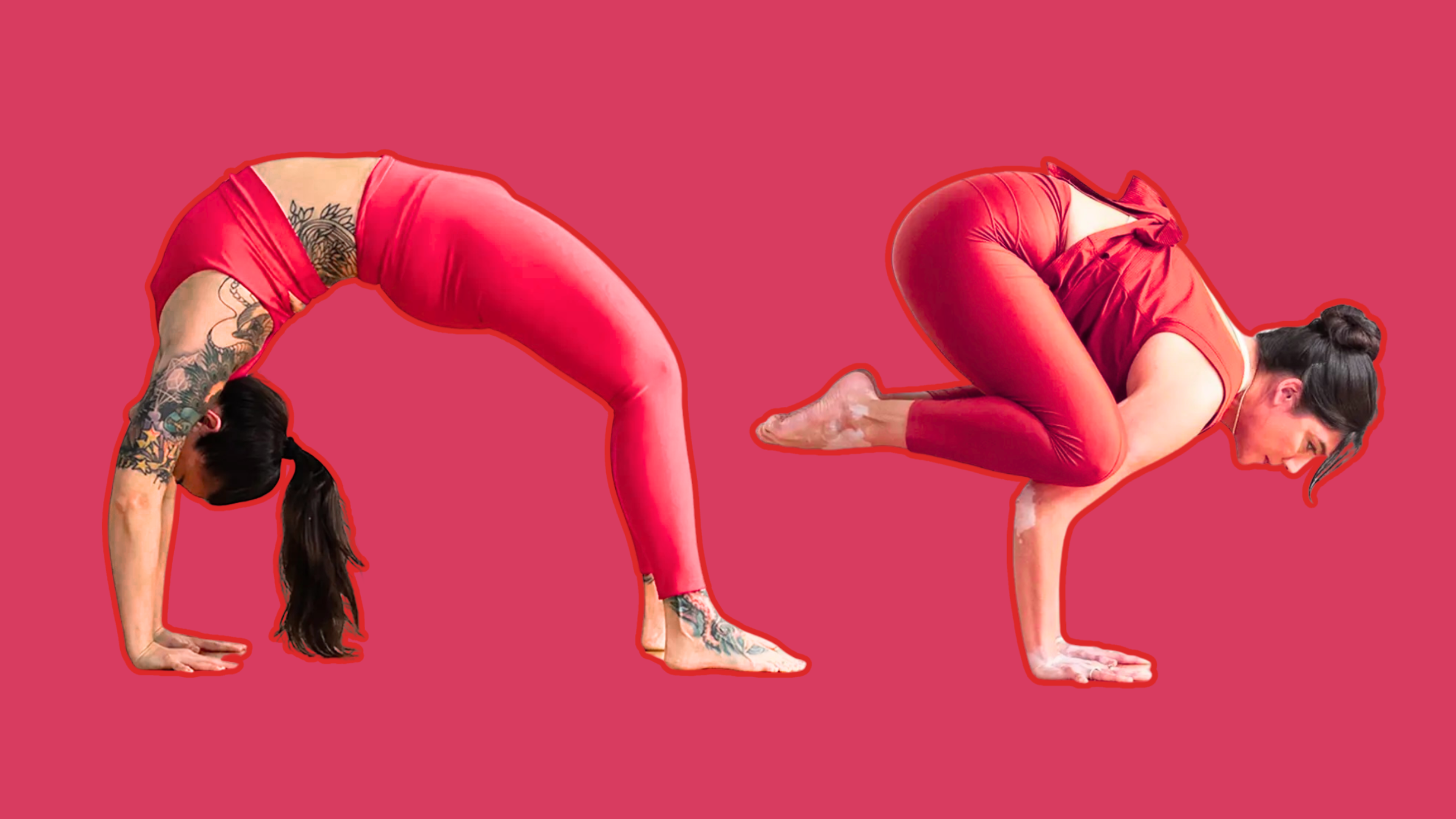
3. Crow Pose (Bakasana)
- The Mechanics: An arm strength overview would be incomplete without an iconic arm balance. While some practitioners attempt to muscle their way into Crow using sheer arm strength, true efficiency requires deep abdominal engagement first. This core activation creates a compact shape that allows the body to float effortlessly over the elbows.
- Functional Benefit: Crow is the ultimate test of wrist, forearm, and shoulder endurance, requiring both mental focus and precise muscular recruitment to master.
4. Upward Salute (Urdhva Hastasana)
- The Mechanics: Simply raising your arms overhead can significantly bolster upper body strength over time. Upward Salute is an exercise in ground-up lengthening, extension, and vertical stamina.
- Functional Benefit: While lifting arms overhead initially feels effortless, holding the shape with absolute structural integrity requires continuous, isometric engagement of the deltoids, triceps, and upper back.
5. Wheel Pose (Urdhva Dhanurasana)
- The Mechanics: Inverting the body is an extraordinary method for total-body conditioning. Wheel Pose stretches the entire anterior chain (front body), alleviates chronic spinal stiffness, and requires immense pushing power from the arms.
- Functional Benefit: By driving through the hands and feet to lift the body weight against gravity, practitioners build raw pressing power, wrist flexibility, and shoulder mobility simultaneously.
