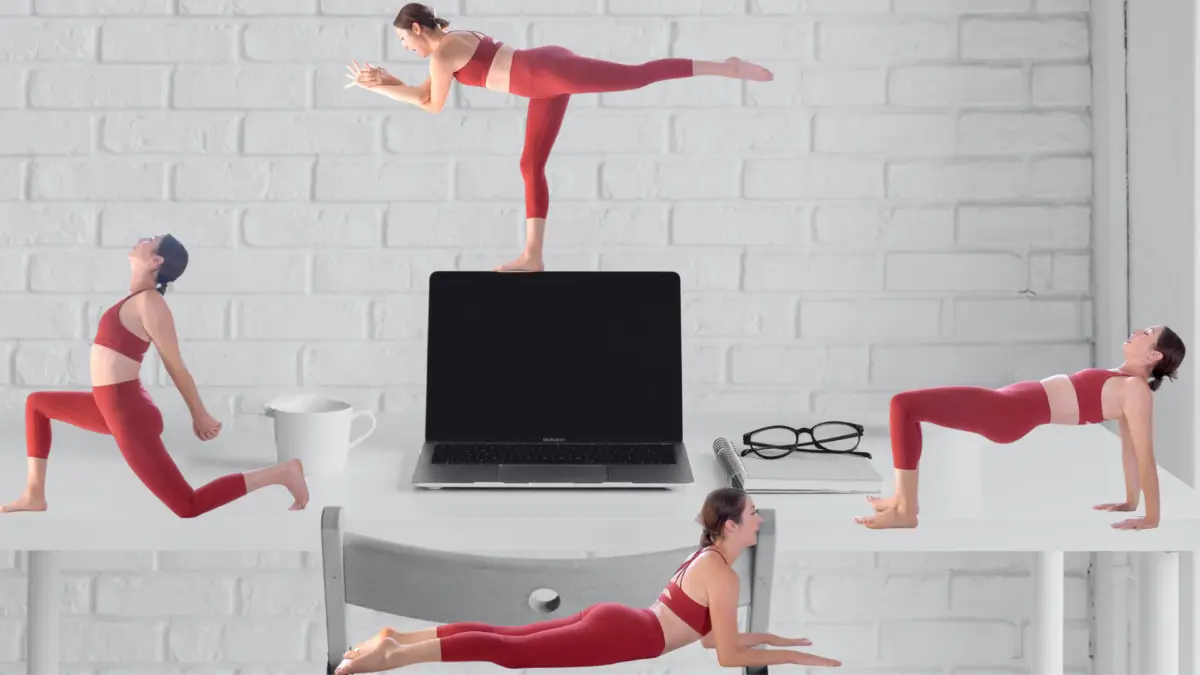
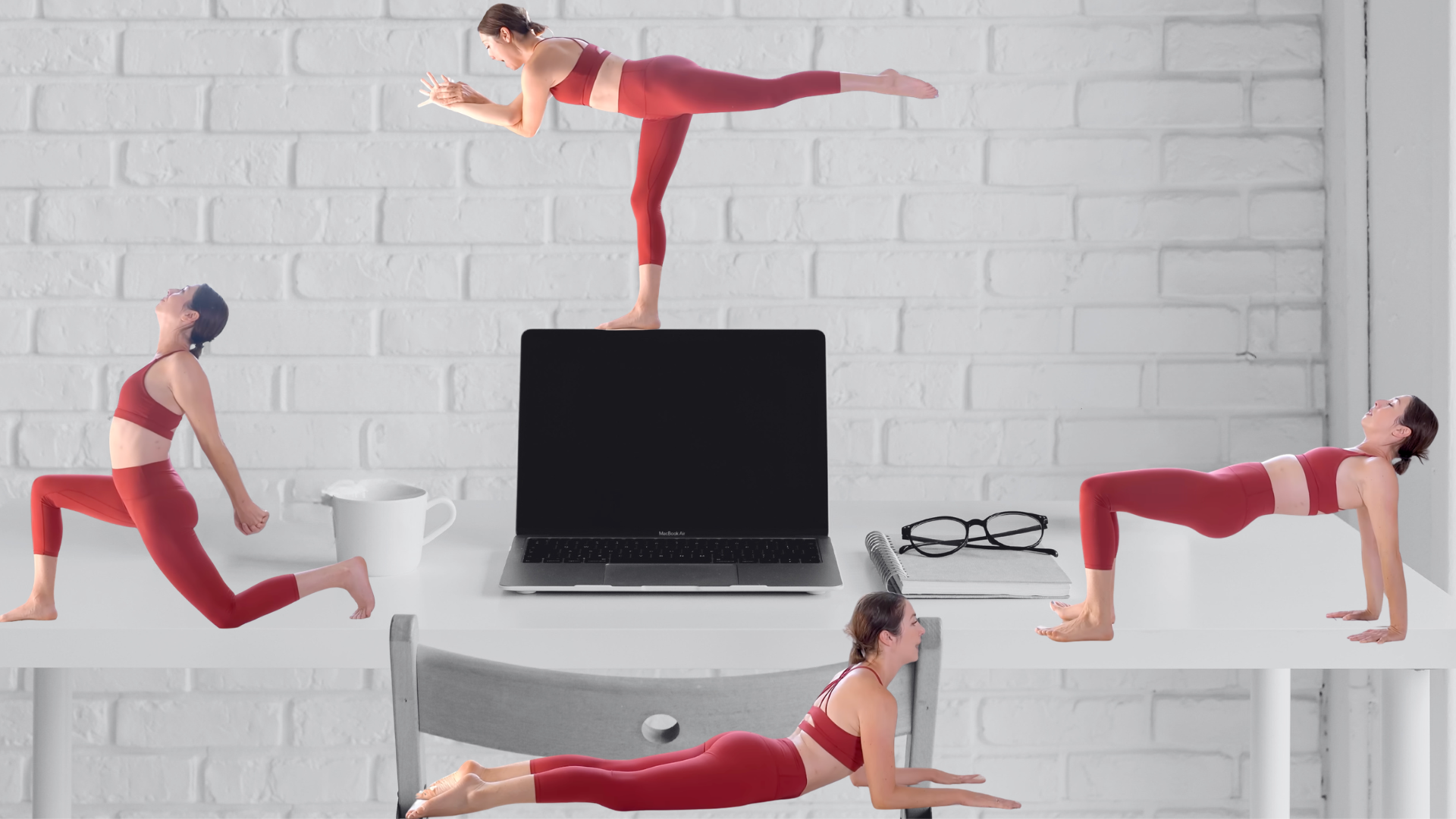
Main Facts: The Prescription for Modern Physical Tension
In an era dominated by desk-bound labor, digital device usage, and sedentary habits, physical restriction has become a silent epidemic. Millions of people carry chronic tension localized in the upper back, shoulders, and chest. This tightness is not merely physical; it manifests as a physiological constriction that can impede deep breathing, diminish posture, and exacerbate daily stress.
Enter a targeted solution designed to counteract these modern ailments: a dynamic, 20-minute vinyasa yoga routine crafted specifically to foster upper-body expansion, postural alignment, and internal spaciousness. Developed for practitioners of all experience levels, this practice moves beyond traditional stretching. Rather than focusing solely on isolated muscle groups, it utilizes creative arm variations, unexpected anatomical transitions—such as moving fluidly between Eagle Pose and Warrior III—and targeted breathwork to unlock physical freedom.
While the sequence highlights the upper body, it remains a balanced, full-body practice. Practitioners can expect to cycle through hip openers, hamstring stretches, and core-strengthening balancing challenges. Accessible to beginners yet engaging enough for advanced yogis, the routine requires no specialized props like blocks or straps, making it a frictionless addition to a daily wellness regimen.
Chronology: A Step-by-Step Breakdown of the 20-Minute Flow
The sequence is meticulously structured to progress from grounded, restorative postures to challenging standing flows, ultimately returning to deep, meditative releases. Every transition is intentionally designed to bridge compression and expansion.
Phase 1: Grounding and Supine Openers
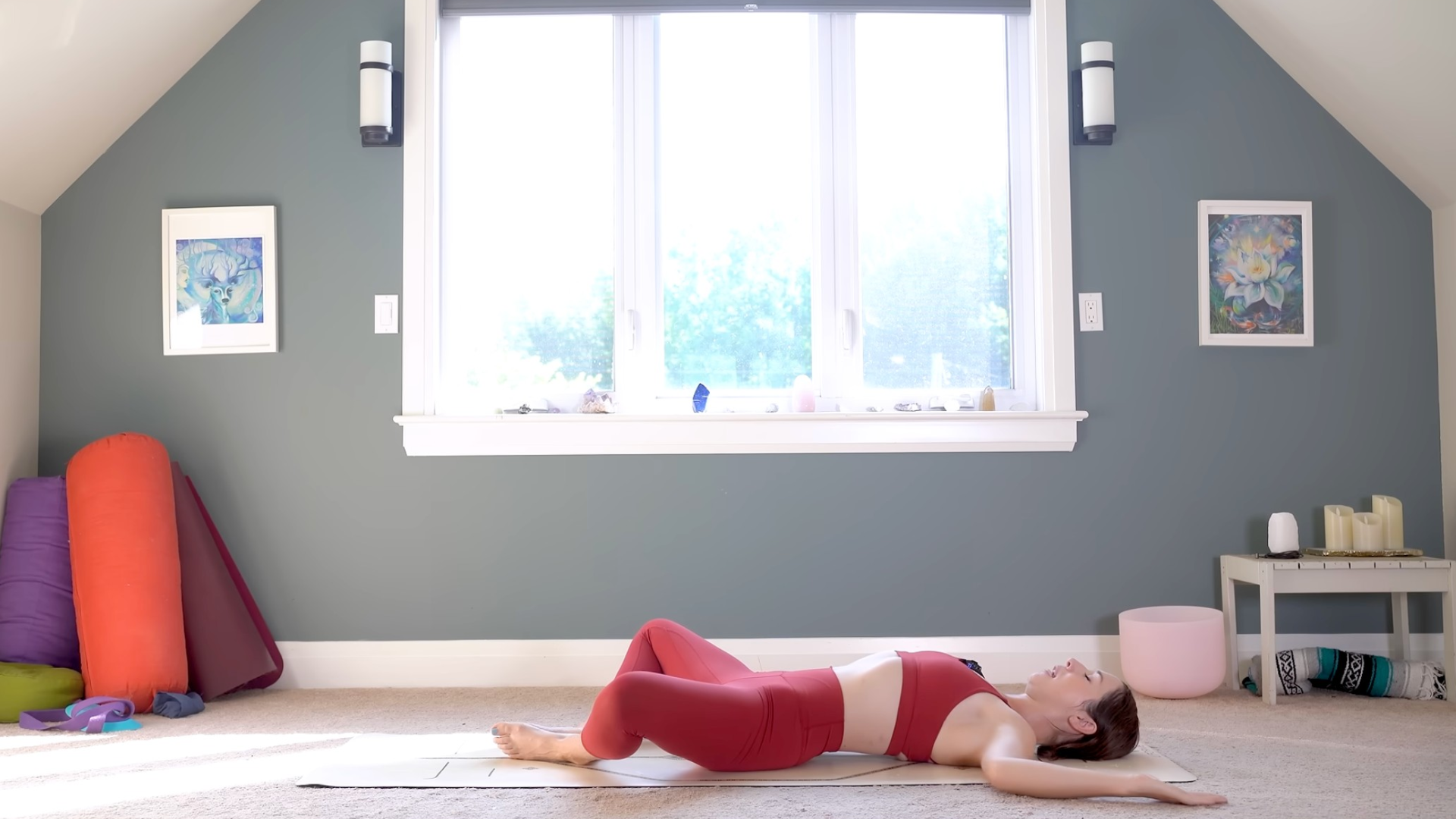
Reclining Bound Angle with Cactus Arms (Supta Baddha Konasana): The practice begins on the back, with the soles of the feet together and knees splaying outward to open the lower body. Simultaneously, arms reach overhead. A dynamic movement is introduced: exhaling to bend the elbows into a cactus shape, and inhaling to stretch them back overhead. The objective is to keep the elbows and backs of the arms pinned to the mat, creating immediate mobility in the shoulder girdle.
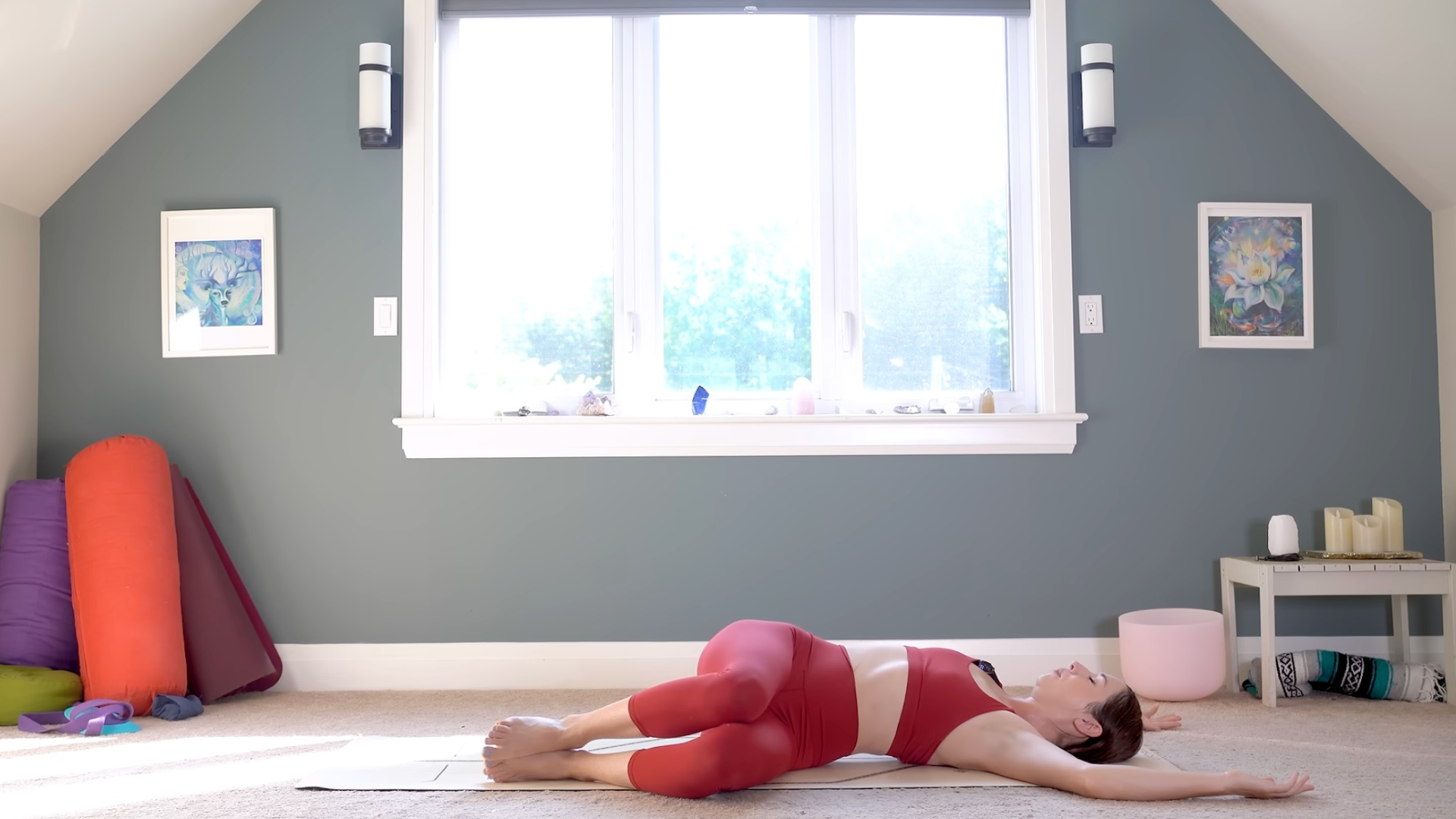
Reclining Twist: Maintaining the cactus arms, the knees draw together before dropping to one side while the opposite shoulder blade anchors into the floor. This establishes spinal rotation while keeping the chest open toward the ceiling. The sequence follows with a full-body stretch, pointing the toes and arching the back to maximize spinal length.
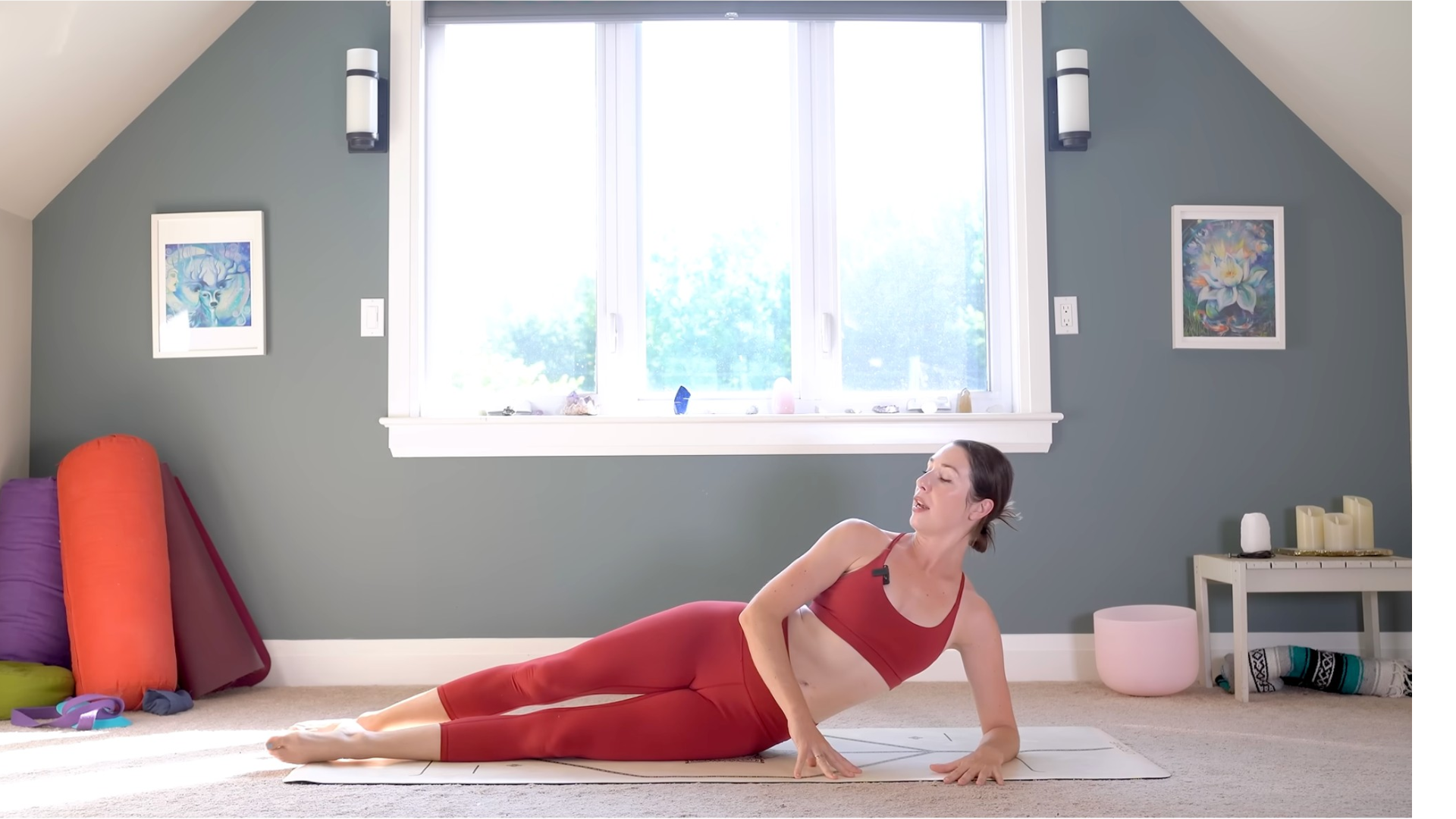
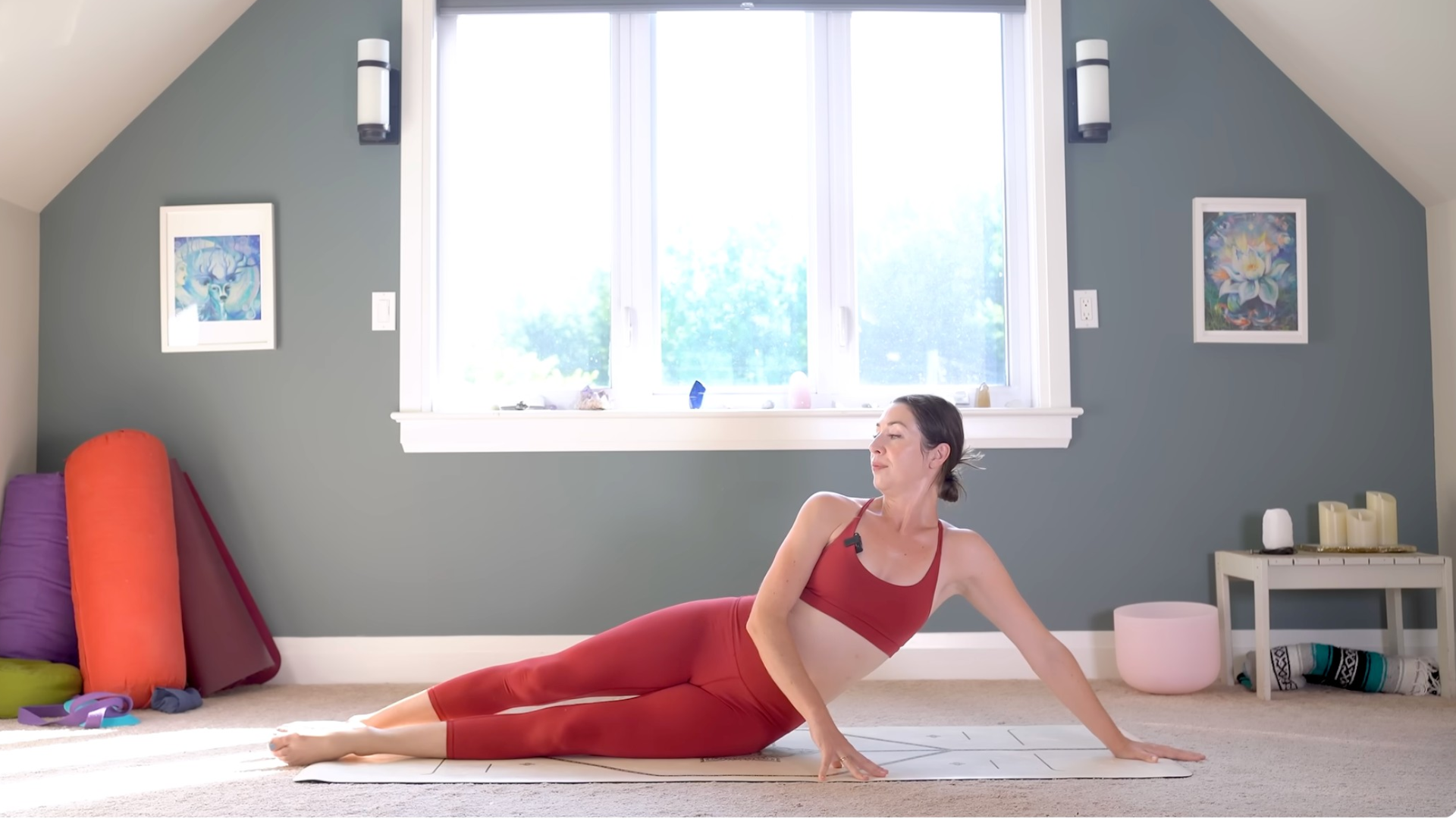
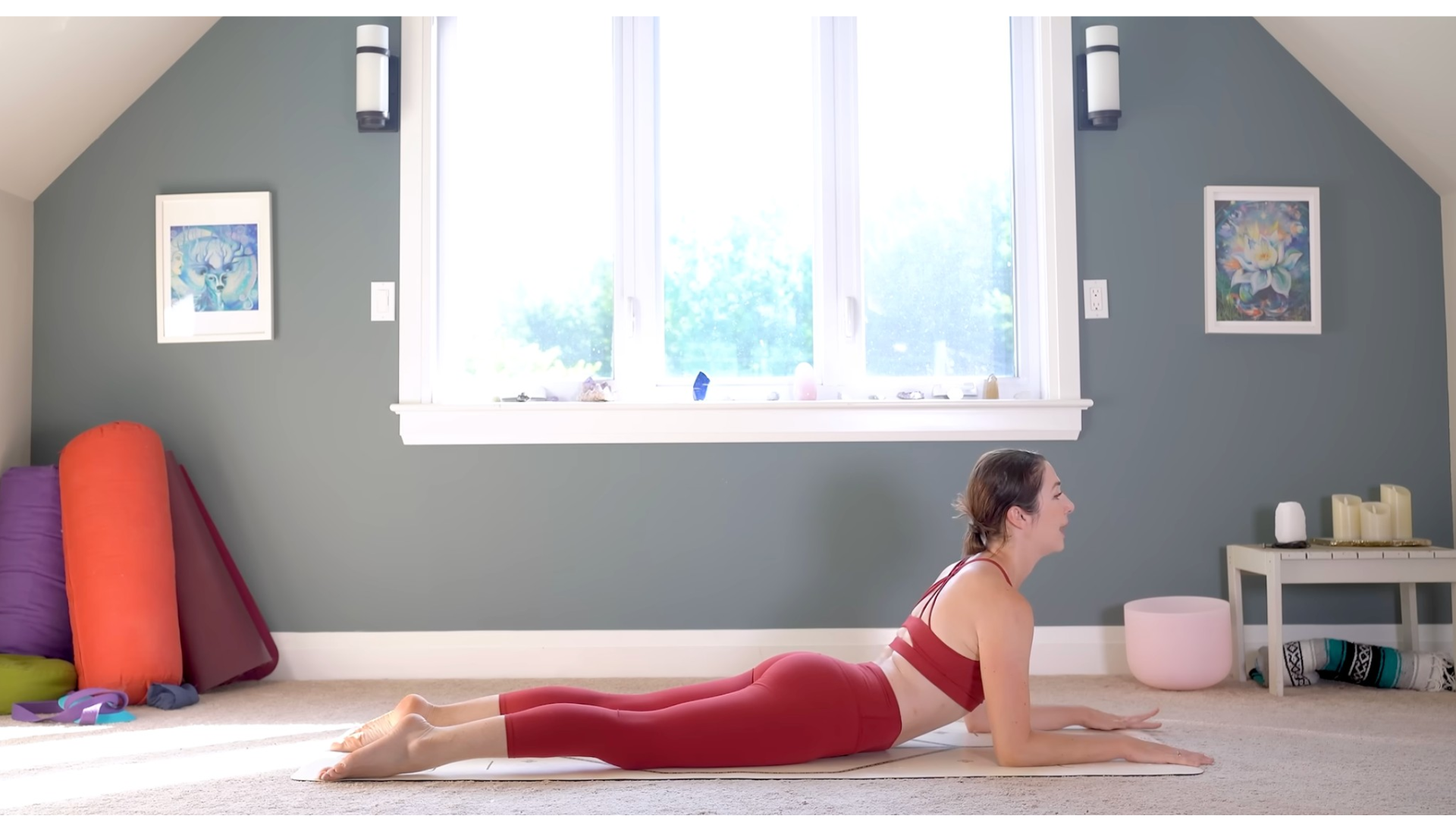
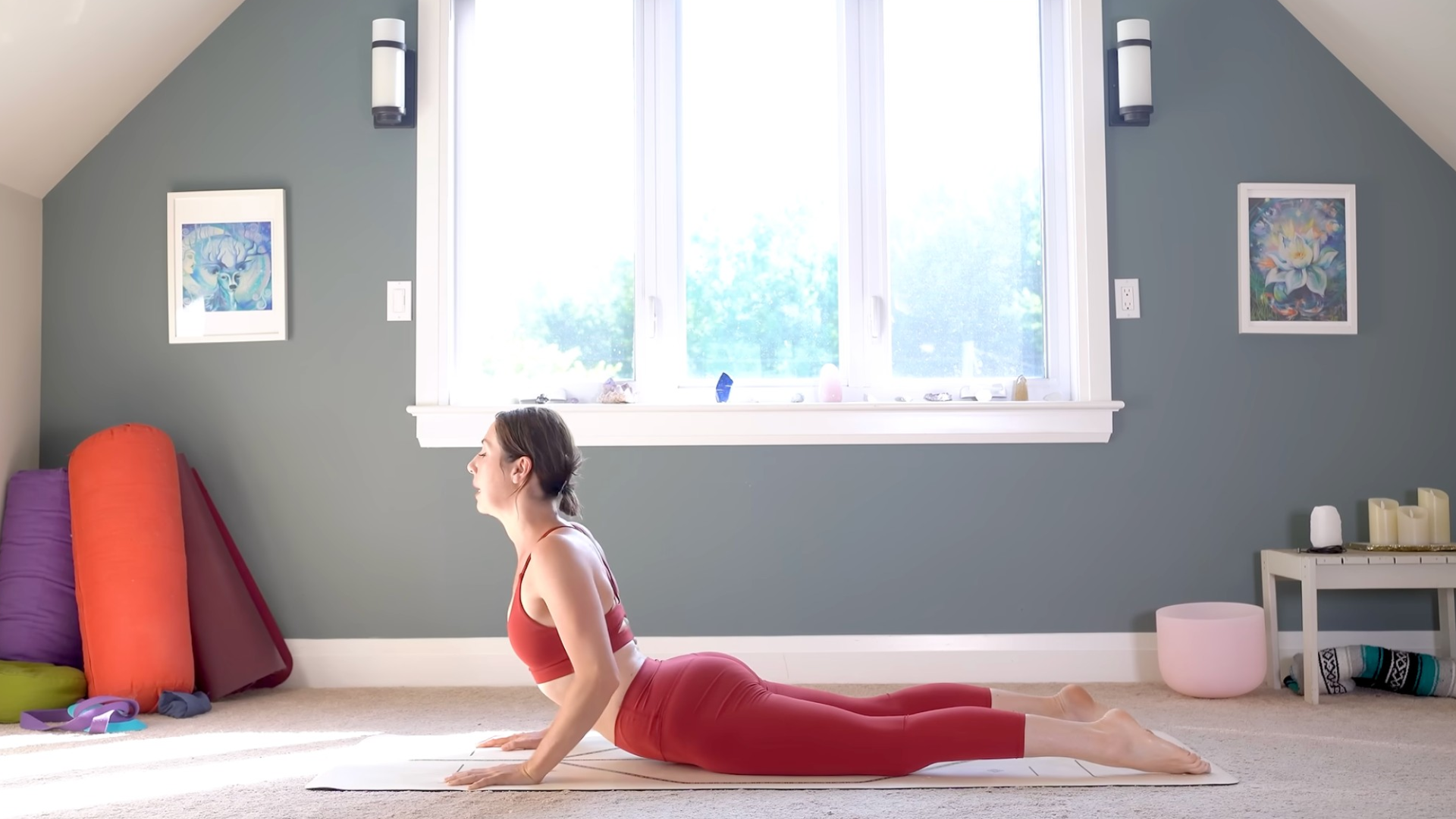
Side Sphinx and Sphinx Pose: Shifting onto the side body, practitioners transition into Side Sphinx, propping themselves on a forearm or palm to elongate the side waist and ribcage. Moving to the belly, full Sphinx pose invites practitioners to roll the shoulders back and pull the heart forward, engaging the core while expanding the chest.
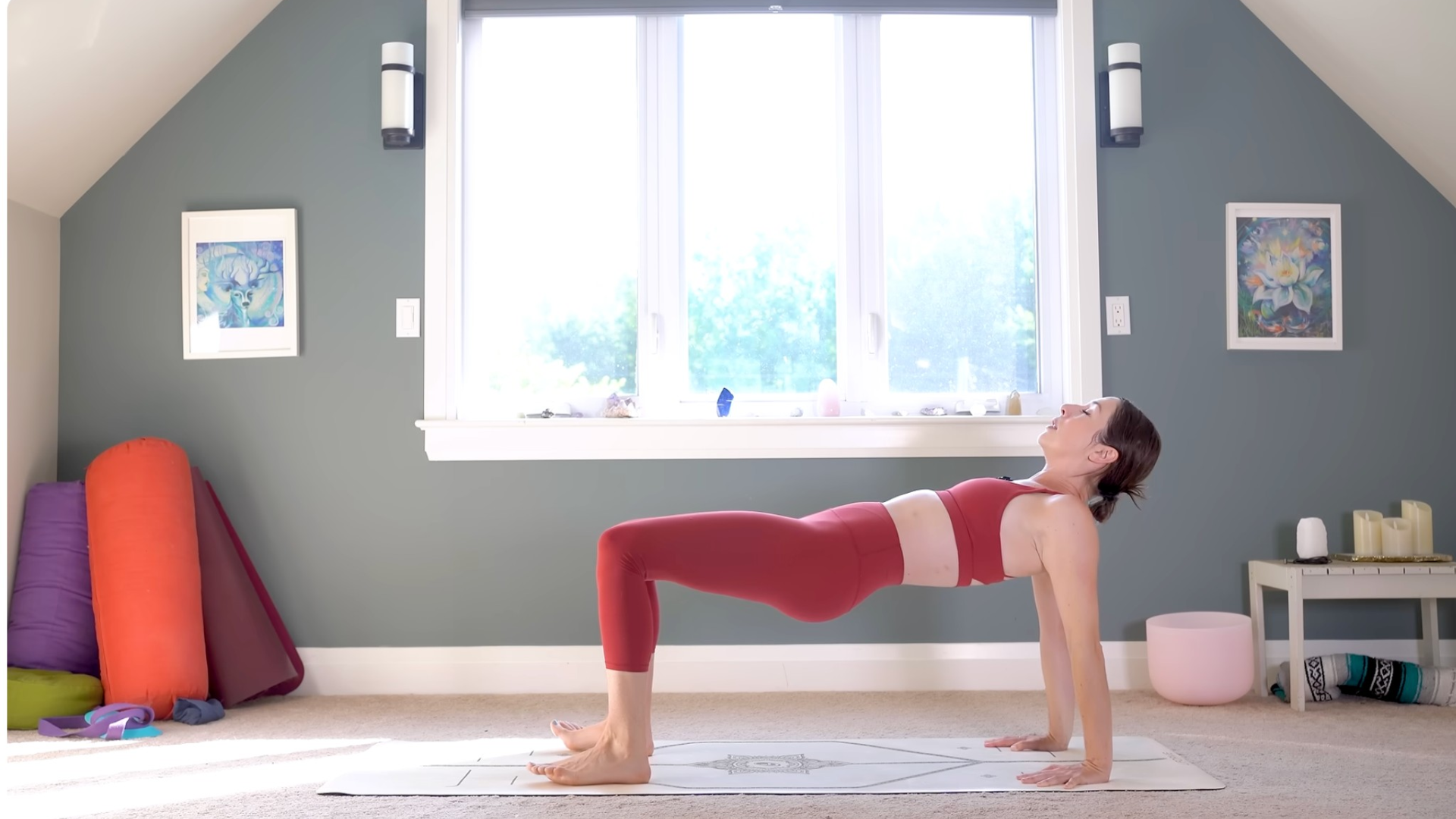
Reverse Tabletop: Transitioning to a seated position with feet flat and hands behind the shoulders, practitioners lift the hips. This pose targets shoulder mobility—an area of historically restricted range of motion for many individuals—by asking the chest to open upward against gravity.
Phase 2: Building Heat Through Vinyasa Transitions
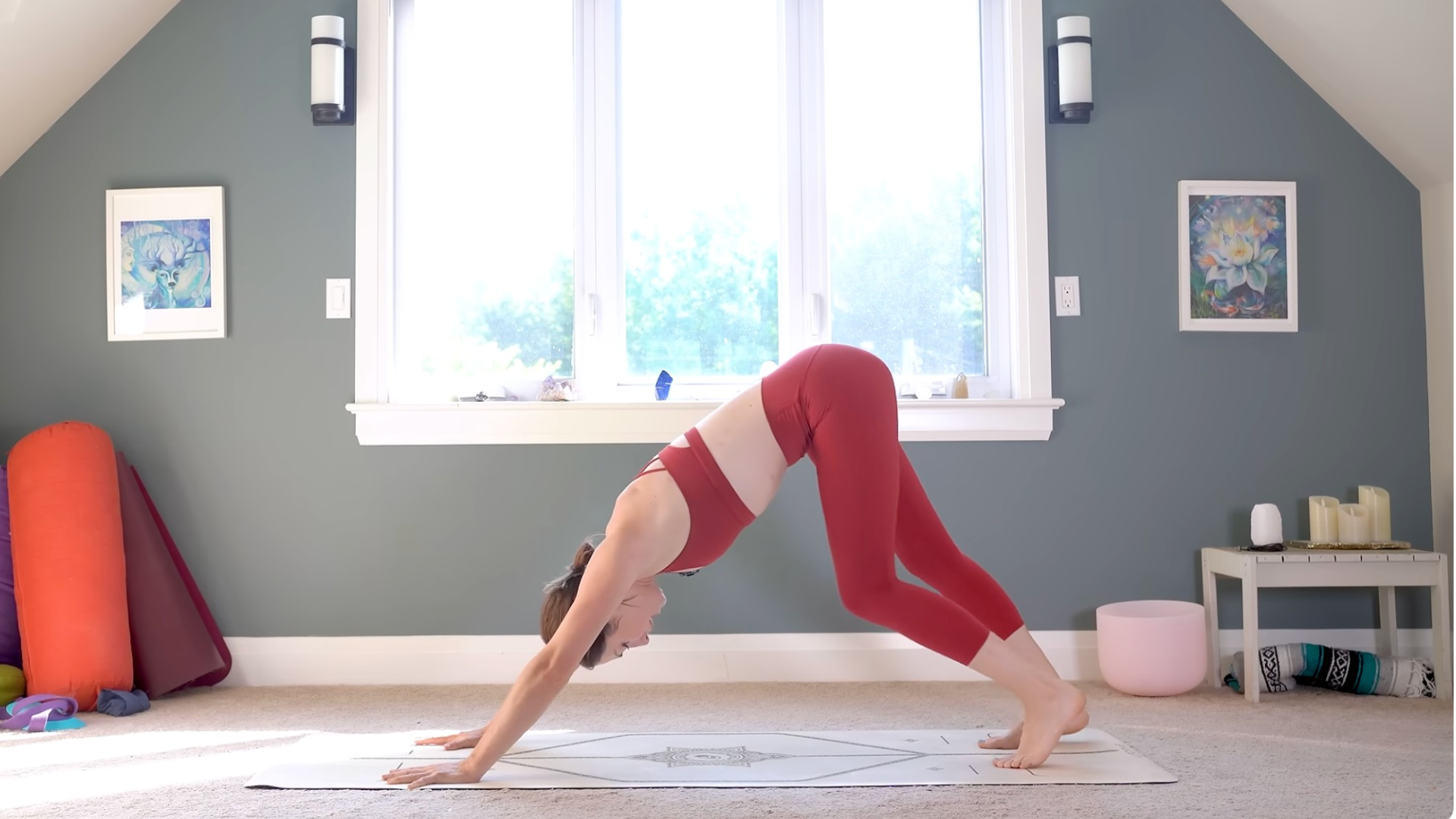
Downward-Facing Dog (Adho Mukha Svanasana): From a seated cross-legged position, the body presses into Downward-Facing Dog. Movement is encouraged here—peddling the heels and pressing the chest toward the thighs to warm the hamstrings and calves.
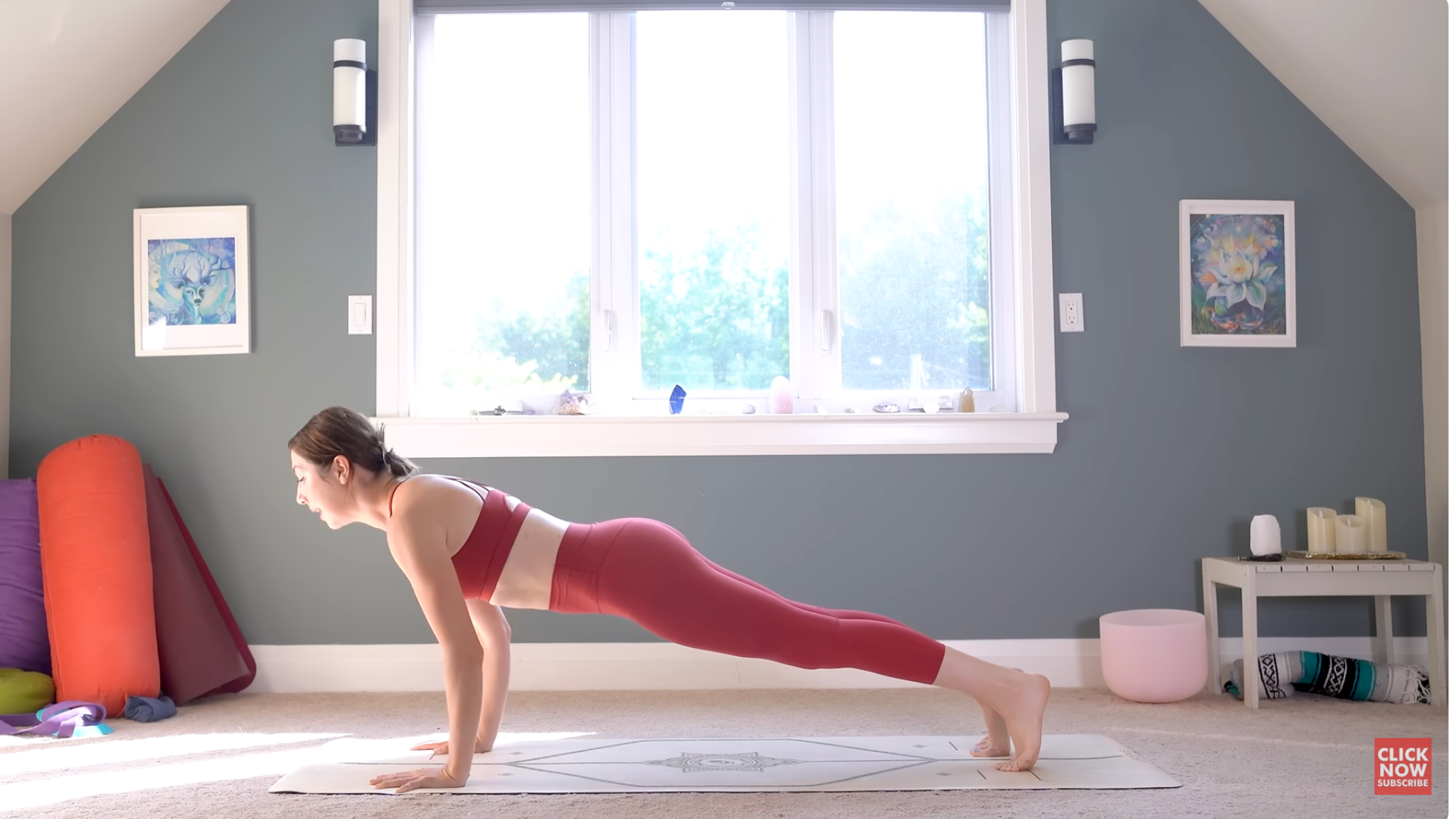
Plank to Down Dog & Cobra Waves: Flowing dynamically between high plank and downward dog builds core stability. Lowering to the belly, practitioners move through sequential Cobra variations, utilizing fingertip placements outside the mat to ripple the spine like a wave, emphasizing upper-back extension.
Three-Legged Dog to Standing Forward Fold: Lifting one leg skyward in Three-Legged Dog opens the hip before stepping forward into a Rag Doll forward fold, where swaying side-to-side helps release tension in the lower back and neck.
Phase 3: Standing Balance and Upper-Body Binds
Mountain Pose to Eagle Pose (Garudasana): Rooting down through the feet, practitioners rise into Mountain Pose before crossing the left thigh over the right and wrapping the left elbow under the right. This introduces a vital anatomical contrast: compression. The tight bind prepares the body to appreciate subsequent expansion.
Warrior III and High Lunge with Eagle Arms: Without losing the arm bind, practitioners unwrap the lower body and tilt forward into Warrior III, challenging balance while the crossed forearms force the upper back to broaden. Stepping back into a High Lunge with the same arm configuration allows for a slight backbend, lifting the elbows toward the sky before finally releasing the arms wide to experience a rush of openness across the chest.
Low Lunge and Pigeon Pose (Eka Pada Kapotasana): Dropping the back knee to the mat, hands interlace behind the lower back for a gentle heart-opener. Transitioning into Pigeon Pose, practitioners fold forward over the front shin, holding the posture for at least five deep breaths to target deep gluteal and hip tension.
Phase 4: Integration and Surrender
Reversed Sequence: The entire standing and balancing sequence is repeated on the opposite side.
Supine Twists and Half Happy Baby (Ardha Ananda Balasana): Returning to the mat, practitioners neutralize the spine with supine twists and Half Happy Baby poses, using minimal arm effort while keeping opposite hips and shoulders firmly anchored.
Savasana: The practice concludes in Corpse Pose. For those seeking enhanced shoulder flexibility, arms can be extended overhead. The session ends with a mindful transition back to a seated position, leaving the practitioner physically recalibrated.
Supporting Data: The Anatomy of Upper Body Tightness
To understand why this specific 20-minute sequence yields profound results, one must examine the biomechanics of modern sedentary behavior. According to ergonomic and physiological studies:
Forward Head Posture: Individuals spend an average of 4 to 6 hours daily looking down at smartphones or forward at computer screens. This habit places up to 60 pounds of pressure on the cervical spine and forces the pectoral muscles to chronically shorten.
Thoracic Kyphosis: Prolonged sitting leads to a rounding of the upper back (thoracic spine), which deconditions the rhomboids and mid-trapezius muscles.
The Role of Breath: Anatomically, a tight chest restricts the movement of the diaphragm. Expanding the chest and upper back through practices like cactus arms and heart-opening backbends directly increases lung capacity and stimulates the parasympathetic nervous system, lowering heart rates and cortisol levels.
Official Responses and Expert Insights
Industry professionals and leading movement educators emphasize that short, targeted practices are often more sustainable for the general public than grueling, hour-long sessions.
"When we talk about creating ‘space’ in the body, we are addressing both physical architecture and nervous system regulation," notes a leading physical therapist specializing in yoga-based rehabilitation. "By combining rotational movements, such as the supine and seated twists, with open-chain upper body extensions like Eagle arms and Sphinx, practitioners are effectively mobilizing locked joints without overloading them."
Furthermore, behavioral health experts highlight the psychological impact of physical expansion. Postural contraction—hunching over screens—sends stress signals to the brain. Conversely, expansive postures like those featured in this 20-minute flow promote feelings of confidence, emotional release, and somatic ease.
Implications: Integrating Mindful Movement Into Daily Life
The release of this accessible 20-minute routine arrives at a crucial intersection of wellness and lifestyle constraints. As remote work and screen-heavy lifestyles persist, the demand for high-efficiency, low-barrier wellness tools continues to surge.
The broader implications of incorporating such a routine into a weekly schedule include:
Workplace Ergonomic Counteraction: Even individuals with zero prior yoga experience can utilize this flow as a midday reset to counteract the postural degradation caused by desk jobs.
Democratization of Wellness: By emphasizing that props are optional and modifications are welcome, the routine lowers the barrier to entry for populations who might otherwise feel intimidated by advanced yoga culture.
Preventative Musculoskeletal Health: Regular engagement in spinal extension, hip opening, and breath-synchronized movement reduces the incidence of chronic lower back pain, tension headaches, and repetitive strain injuries.
Ultimately, this vinyasa flow serves as a reminder that physical self-care does not require massive investments of time. Through intentional breathing, creative sequencing, and a focus on expansion, practitioners can reclaim physical autonomy in under half an hour.