

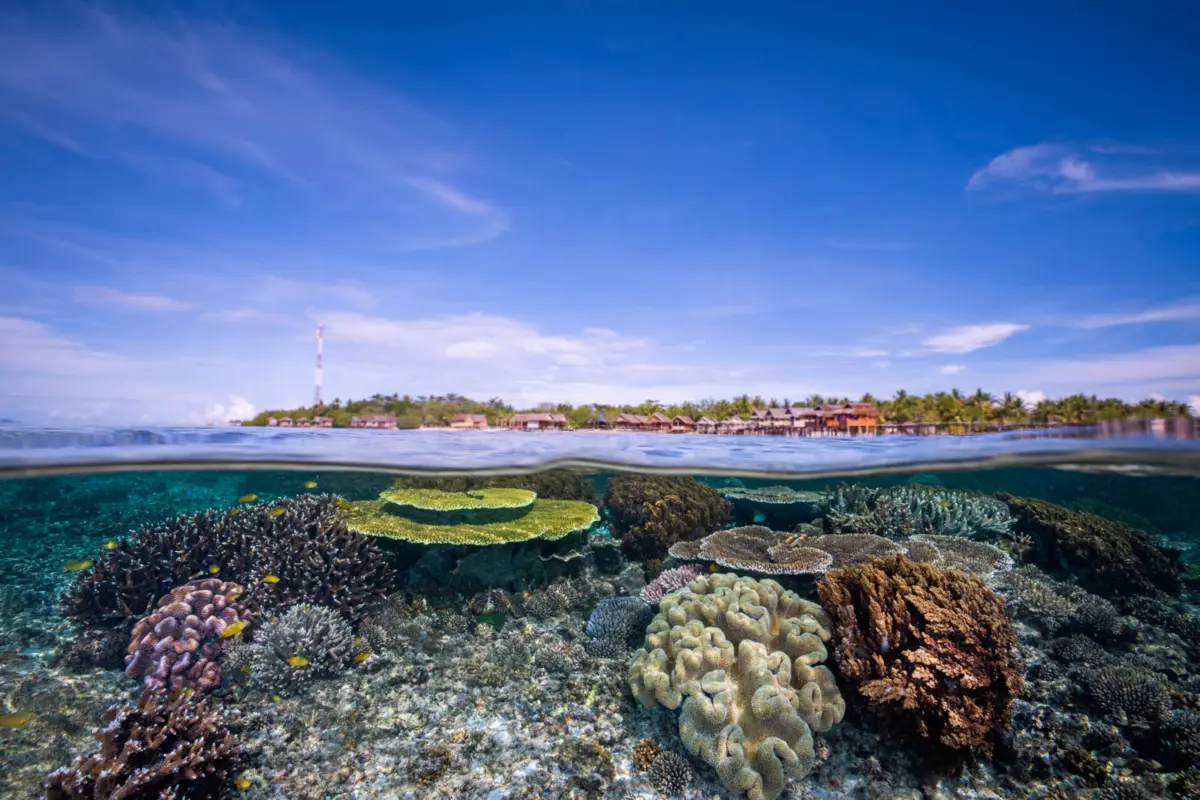
Main Facts: The Crown Jewel of the Coral Triangle
Situated off the northwestern tip of West Papua’s Bird’s Head Peninsula, Raja Ampat—aptly translated as "The Four Kings"—stands uncontested as the undisputed mecca of global scuba diving and underwater photography. Comprising an astonishing archipelago of over 1,500 jungle-crowned limestone islands centered around the four main landmasses of Waigeo, Batanta, Salawati, and Misool, this remote Indonesian utopia occupies prime geographical real estate right in the heart of the world-famous Coral Triangle.
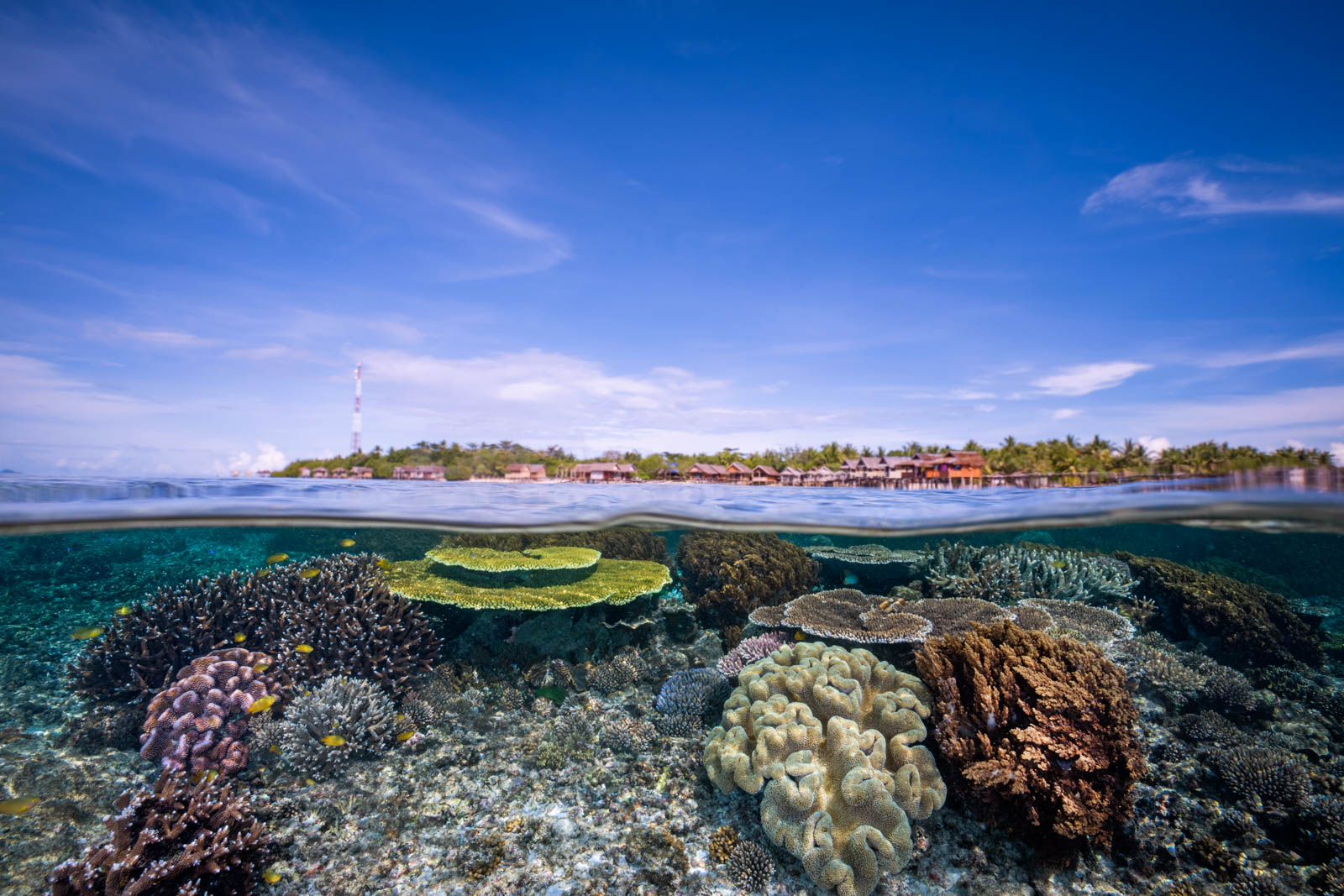
Marine biologists and conservationists frequently cite this region as containing upwards of 75% of all known coral species on Earth. The sheer scale of life is staggering: current biodiversity metrics record an impressive repertoire of over 1,000 species of fish, 540 distinct strains of hard and soft coral, 700 types of mollusks, alongside thriving populations of dugongs, saltwater crocodiles, and migratory schooling manta rays. Unlike many of the world’s degraded marine ecosystems, parts of Raja Ampat—particularly around the southern Misool sanctuary—are experiencing an active increase in overall biodiversity, making it a living laboratory for reef resilience and a dream destination for wildlife visual storytellers.

Chronology: Navigating the Epic Logistics to the "Last Paradise"
Reaching what many affectionately term "The Last Paradise" is not for the faint of heart; it requires a meticulously timed expedition framework that tests the patience and endurance of even the most seasoned adventure traveler.

The Transit Timeline
- Stage 1 (International to Domestic Hubs): Travelers typically fly into major international hubs such as Jakarta (CGK) or Denpasar, Bali (DPS), before catching a domestic redeye flight east to Domine Eduard Osok Airport in Sorong, West Papua.
- Stage 2 (The Maritime Crossing): Upon arrival in Sorong, visitors must secure a taxi to the local ferry harbor. Here, a slow, humid, and deeply atmospheric two-hour public ferry or speedboat ride carries passengers across the Dampier Strait to Waisai, the administrative capital of the Raja Ampat regency.
- Stage 3 (The Final Leg & Vessel Boarding): From Waisai’s pothole-peppered roads, travelers transition into speedboats or board pre-booked liveaboard vessels.
Recommended Itinerary Sequencing
For photographers aiming to maximize their operational window, seasoned expedition veterans strongly recommend a hybrid itinerary. Booking a 7-to-10-day liveaboard journey is the most efficient way to cross the massive geographical expanses required to hit remote southern sites like Misool. Once the liveaboard segment concludes, extending the trip by booking a week at a locally run island homestay allows photographers to decompress, engage in community-based tourism, and capture intimate split-shots directly off pristine, 24-hour-accessible house reefs.

Supporting Data: The Photographer’s Technical Blueprint
Operating a high-end camera rig in Raja Ampat presents a unique matrix of environmental challenges and artistic opportunities. The following data highlights the gear, settings, and physical conditions required to capture award-winning imagery.

Equipment Breakdown by Subject Matter
| Photography Style | Recommended Lenses | Essential Accessories | Primary Target Species |
|---|---|---|---|
| Wide-Angle Reefscapes | 16–35mm zoom lenses | Dual strobes, dome port, reliable safety lanyard | Schooling barracuda, reef sharks, mobula rays |
| Close-Focus Wide-Angle (CFWA) | Fisheye or ultra-wide primes | Snoots, close-focus adapters | Soft corals, anemonefish, dramatic split-shots |
| Macro & Super-Macro | 60mm (mid-range), 90mm or 120mm (telephoto) | External diopters (+2 / +4), focus lights | Pygmy seahorses, ghost pipefish, blue-ringed octopuses |
Environmental Variables and Mitigation
- Visibility Fluctuations: The very nutrients that fuel Raja Ampat’s staggering marine abundance frequently cause particulate blooms and variable visibility. Photographers must master close strobe positioning (pulling strobes back and angling them outward) to minimize backscatter.
- Extreme Current Management: The Dampier Strait acts as a massive oceanic bottleneck, generating ferocious, unpredictable currents. Photographers must be physically prepared to hook onto rock formations, protect delicate carbon-fiber arms and housing ports, and occasionally abandon expensive setups if down-currents threaten safety.
Official Responses: Conservation and Sustainable Tourism Frameworks
As global media attention intensifies, the local government, indigenous communities, and international conservation NGOs have united to establish strict regulatory frameworks designed to protect Raja Ampat from over-tourism and ecological degradation.

The Environmental Fee Structure
Every visitor entering the Raja Ampat Marine Protected Area (MPA) is legally required to purchase an annual Environmental Services Tag (commonly referred to as the Raja Ampat Marine Park Fee). Funds generated from this initiative are channeled directly into community-led conservation patrols, local ranger stations, and sustainable livelihood programs for indigenous Papuan villages.

Local Community Partnerships
Official tourism directives emphasize community-based homestays. Rather than yielding entirely to massive international resort chains, the local government encourages travelers to book accommodations managed by traditional landowners. This ensures that economic benefits remain directly within the villages, fostering an intrinsic local incentive to protect the reefs from destructive practices such as dynamite fishing and illegal poaching. Conservation groups also strictly enforce no-touch policies regarding fragile gorgonian fans and macro critter habitats, ensuring that wildlife harassment is kept to an absolute minimum.

Implications: The Macro vs. Wide-Angle Dilemma and Top Dive Sites
The ultimate implication for any photographer arriving in Raja Ampat is the tyranny of choice. The region offers world-class opportunities across both photographic disciplines, forcing creators to make definitive gear choices prior to each back-roll entry.

Critical Dive Sites to Include on Your Itinerary
- Melissa’s Garden (Fam Islands): A legendary wide-angle sanctuary characterized by an endless expanse of flawless, shallow coral plates. Ideal for capturing dense schools of bannerfish, fusiliers, and hunting trevallies against a vibrant, sunlit backdrop.
- Batu Rufus: Featuring a stunning emerald lagoon protected by sheer limestone cliffs, this site offers peerless split-shot (over-under) opportunities in calm, shallow waters, as well as dramatic coral-encrusted swim-throughs.
- Cape Kri: Holding historical renown for yielding the highest recorded number of marine species on a single scuba dive, Cape Kri tests a photographer’s versatility. It serves dual purposes: deep walls and currents for pelagics, and rich Muricella gorgonian sea fans hiding the elusive pygmy seahorse (Hippocampus bargibanti).
- Manta Ridge: A high-adrenaline cleaning station where oceanic and reef manta rays congregate. Photographers must anchor themselves securely against powerful surge currents to capture majestic behavioral interactions without drifting into protected marine zones.
- Citrus Ridge: Famed for its riotous explosion of soft pastel corals, this T-shaped ridge near the Gam Islands challenges photographers to balance sweeping macro searches with abstract wide-angle compositions.
Final Operational Advice
Success in Raja Ampat hinges on adaptability, absolute mastery over equipment buoyancy, and deep respect for the ocean’s raw power. Whether shooting high-speed pelagics in roaring straits or quietly decoding the micro-architecture of a pygmy goby’s home, the islands promise an unforgettable immersion into the planet’s most vibrant marine sanctuary.
