

PRESCOTT, AZ — The Yavapai College Governing Board has entered a period of significant administrative transition and public scrutiny following a series of decisive votes during its July 29 meeting. In a split decision, the board voted to formally consider outgoing President Lisa Rhine, Ph.D., as having resigned, effective immediately, following public confirmation of her new appointment at Central Arizona College.
To fill the leadership vacuum, the board voted unanimously to appoint Doug Berry, Ph.D., the college’s current provost and vice president of student achievement, as acting president. The transition occurs against a backdrop of public allegations regarding the college’s accreditation status, the potential loss of seven-figure philanthropic donations, and an ongoing internal forensic audit.
1. Main Facts of the Governing Board Decisions
The administrative overhaul at Yavapai College was solidified through two key votes on July 29, following a closed-door executive session in which board members discussed the president’s contract and the transition of executive power.
The Resignation Vote and Severance Terms
By a 3-1 vote, the board approved a motion to consider Dr. Lisa Rhine as effectively resigned. The decision followed the public announcement that Rhine had accepted the presidency at Central Arizona College.
- The Dissenting Voice: District 2 representative Deb McCasland cast the sole opposing vote.
- Financial Package: Under the terms of the approved motion, Dr. Rhine will be permitted to cash out her accrued paid time off (PTO) and will continue to receive her regular salary through Sunday, August 30.
The Appointment of Acting President Doug Berry
In a separate, unanimous 4-0 vote, the board promoted Dr. Doug Berry to the role of acting president.
- Compensation Adjustment: To reflect his expanded executive responsibilities, Berry’s current salary will be increased by 20% for the duration of his tenure as acting president.
- No Immediate Search: The board did not announce a formal timeline or launch a search committee for a permanent president during the July 29 meeting.
Liaison and Governance Realignment
Board Chair Mitch Bracety announced several key liaison appointments through the remainder of the calendar year:
- AACCT Liaison & Spokesperson: Bracety appointed himself as the liaison to the Arizona Association for Community College Trustees. Under existing board policy, the board chair also serves as the official spokesperson.
- Yavapai College Foundation Liaison: District 1 representative William Kiel was appointed to serve as the liaison to the Yavapai College Foundation. This appointment marks a continuation of ongoing friction between the board leadership and the foundation’s independent governance structure.
2. Chronology of Governance Friction and Administrative Shifts
To understand the current state of leadership at Yavapai College, it is necessary to trace the political and administrative developments over the past two years.
[November 2024]
William Kiel defeats long-time incumbent Ray Sigafoos for the District 1 seat, shifting the board's voting dynamics.
       │
       ▼
[April 10, 2026]
Board reorganization: Bracety replaces McCasland as Chair; Payne becomes Secretary.
President Rhine unilaterally removes Bracety as Foundation Liaison, replacing him with McCasland.
       │
       ▼
[Spring 2026]
President Rhine terminates a college vice president with cause and orders a forensic audit of the affected department.
       │
       ▼
[June 2026]
District 4 representative Patrick Kuykendall resigns, leaving the board with four active members.
County Superintendent Steve King declines to fill the vacancy prior to the November election.
       │
       ▼
[Late July 2026]
Central Arizona College announces the hiring of Dr. Lisa Rhine as its new president.
       │
       ▼
[July 29, 2026]
Governing Board votes 3-1 to deem Rhine resigned and 4-0 to name Doug Berry Acting President.
Public comments reveal concerns over accreditation, donor retention, and the pending forensic audit.
3. Supporting Data and Institutional Context
The sudden transition at the executive level comes at a delicate time for Yavapai College, both financially and operationally.
Philanthropic Vulnerability
During the public comment segment of the July 29 meeting, Ray Sigafoos—the former Governing Board Chairman who served for years before being unseated by William Kiel in the 2024 election—raised alarms regarding the financial fallout of Dr. Rhine’s departure. Sigafoos stated that major institutional donors had contacted him expressing deep dissatisfaction with the board’s treatment of the outgoing president.
According to Sigafoos, at least one prominent donor is prepared to withhold a contribution that reaches "a seven-figure number." The loss of such funding could impact capital projects, student scholarships, and specialized instructional equipment across the college’s campuses.
The Accreditation Warning
Sigafoos also alleged that Yavapai College’s standing with its accrediting body, the Higher Learning Commission (HLC), is currently compromised.
"I understand that the college accreditation is at risk," Sigafoos stated during public comment. "The HLC has apparently issued a letter of concern, which is the first step in the investigation process."
Accreditation is vital for higher education institutions; its loss or suspension disqualifies students from receiving federal financial aid and prevents the transfer of course credits to other accredited universities.
The Forensic Audit and Personnel Terminations
Adding to the institutional complexity is an ongoing forensic audit. Earlier this spring, Dr. Rhine terminated an unnamed vice president "with cause" and commissioned a third-party forensic audit of the affected department.
While the specific department and the identity of the terminated executive have not been officially disclosed by the college administration, board members acknowledged that the audit is nearing completion. The financial and operational findings of this audit could have significant legal and budgetary implications for the college moving forward.
4. Official Responses and Boardroom Clashes
The public portion of the July 29 meeting exposed deep divisions among board members, former leadership, and legal counsel.
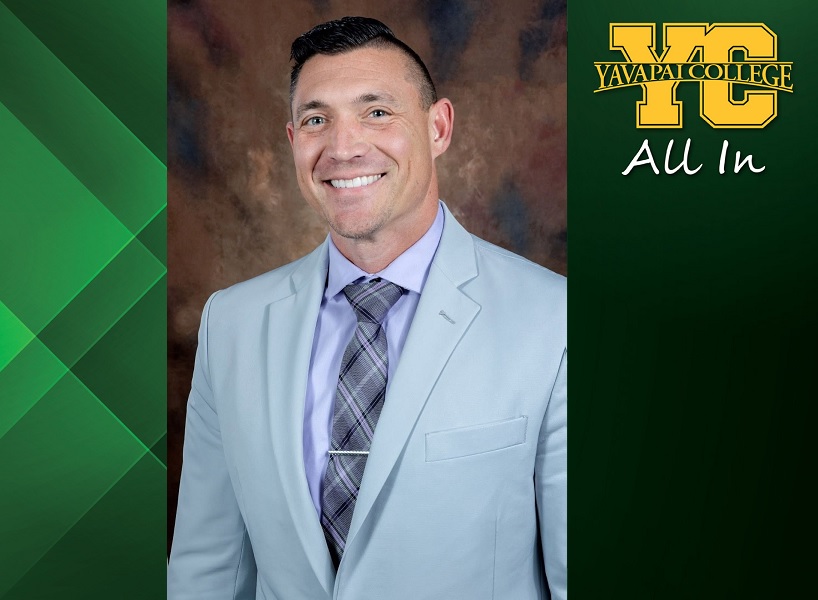
Acting President Doug Berry’s Statement
Following his appointment, Dr. Doug Berry released a statement emphasizing operational continuity and praising the college’s faculty and staff:
"Yavapai College is one of the premier community colleges in the country, recognized for its innovation and commitment to providing students with a high-quality education. We have an outstanding leadership team, and our faculty and staff are deeply committed to the College’s mission. I am confident Yavapai College will continue to be an industry leader and one of the best community colleges in the nation."
Public Criticisms from Former Chair Ray Sigafoos
Ray Sigafoos did not mince words when addressing the current board, accusing them of actively pushing Dr. Rhine out of her position. He warned that the board’s highly publicized friction with Rhine would severely hamper recruitment efforts for a permanent successor.
"I understand that it will be very difficult to find a qualified candidate to step into this environment," Sigafoos remarked, pointing to what he characterized as a pattern of governance interference by the board’s current majority.
Open Meeting Law Interventions
The tension escalated when District 2 representative Deb McCasland attempted to provide details about the terminated vice president and the ongoing forensic audit during a request for future agenda items. McCasland noted that Rhine had initiated the investigation after firing the executive with cause earlier this year.
Before McCasland could expand on her comments, Board Chair Mitch Bracety and the college’s legal counsel, Jon Paladini, intervened. Paladini cut off McCasland’s remarks, citing strict Arizona Open Meeting Law regulations, which prohibit board members from discussing details of personnel matters or items not explicitly noticed on the meeting agenda.
County Superintendent on the Board Vacancy
The board will continue to operate with only four of its five constituent seats filled for the remainder of 2026. Following the June resignation of District 4 representative Patrick Kuykendall, Yavapai County Superintendent of Schools Steve King declined to appoint an interim representative.
King explained his decision as a matter of established policy during election years:
"It’s a practice I inherited from my predecessor and I agree with: in an election year, after March 1, I won’t appoint anyone."
King confirmed that three candidates have filed to run for the vacant District 4 seat in the upcoming November general election. The winning candidate will be sworn in on January 1, 2027, restoring the board to its full five-member capacity.
5. Implications and Strategic Outlook
The decisions made on July 29 leave Yavapai College navigating several concurrent challenges that will shape its operational and financial health heading into 2027.
| Area of Concern | Immediate Impact | Long-Term Risk |
|---|---|---|
| Executive Leadership | Dr. Doug Berry takes over with a 20% salary increase; no permanent search initiated. | Prolonged interim leadership may stall long-term strategic planning and capital campaigns. |
| Institutional Finance | Dr. Rhine allowed to cash out PTO; potential withdrawal of a seven-figure donation. | Budgetary tightening; potential reduction in student services or scholarship availability. |
| Accreditation Status | Alleged HLC "letter of concern" remains unaddressed in public sessions. | Potential loss of Title IV federal funding eligibility if investigative findings are severe. |
| Board Governance | 4-member board remains active until Jan 1, 2027; ongoing political polarization. | Risk of deadlocked 2-2 votes on controversial policy or budgetary decisions. |
| Foundation Relations | William Kiel appointed liaison despite Foundation bylaw changes promoting autonomy. | Deepening rift between the college’s political leadership and its fundraising arm. |
The Yavapai College Foundation Autonomy
The appointment of William Kiel as the foundation liaison highlights a structural struggle between the board and the Yavapai College Foundation. The foundation, a registered 501(c)(3) organization, recently amended its bylaws to establish greater distance from the college’s governing board.
According to Deb McCasland, these changes were specifically designed to preserve the foundation’s independent nonprofit status and to give the foundation greater control over how liaisons are integrated into its operations. This move followed a controversial decision by Dr. Rhine on April 10 to strip Chair Bracety of his liaison role, a move she executed after Bracety led a successful board reorganization that ousted McCasland as chair. The restructuring of the foundation’s bylaws suggests that philanthropic leaders are seeking to insulate their assets and operations from the political volatility of the governing board.
Navigating a Four-Member Board
With the District 4 seat vacant until January 2027, the remaining four board members must govern during a highly sensitive transition. While the appointment of Dr. Berry received unanimous support, future policy decisions, budget approvals, and the eventual selection of a permanent president could easily result in 2-2 deadlocks, effectively freezing institutional progress.
The community and internal stakeholders now await the release of the pending forensic audit and official clarification regarding the HLC accreditation concerns, both of which will heavily influence the college’s stability and reputation in the coming year.
