

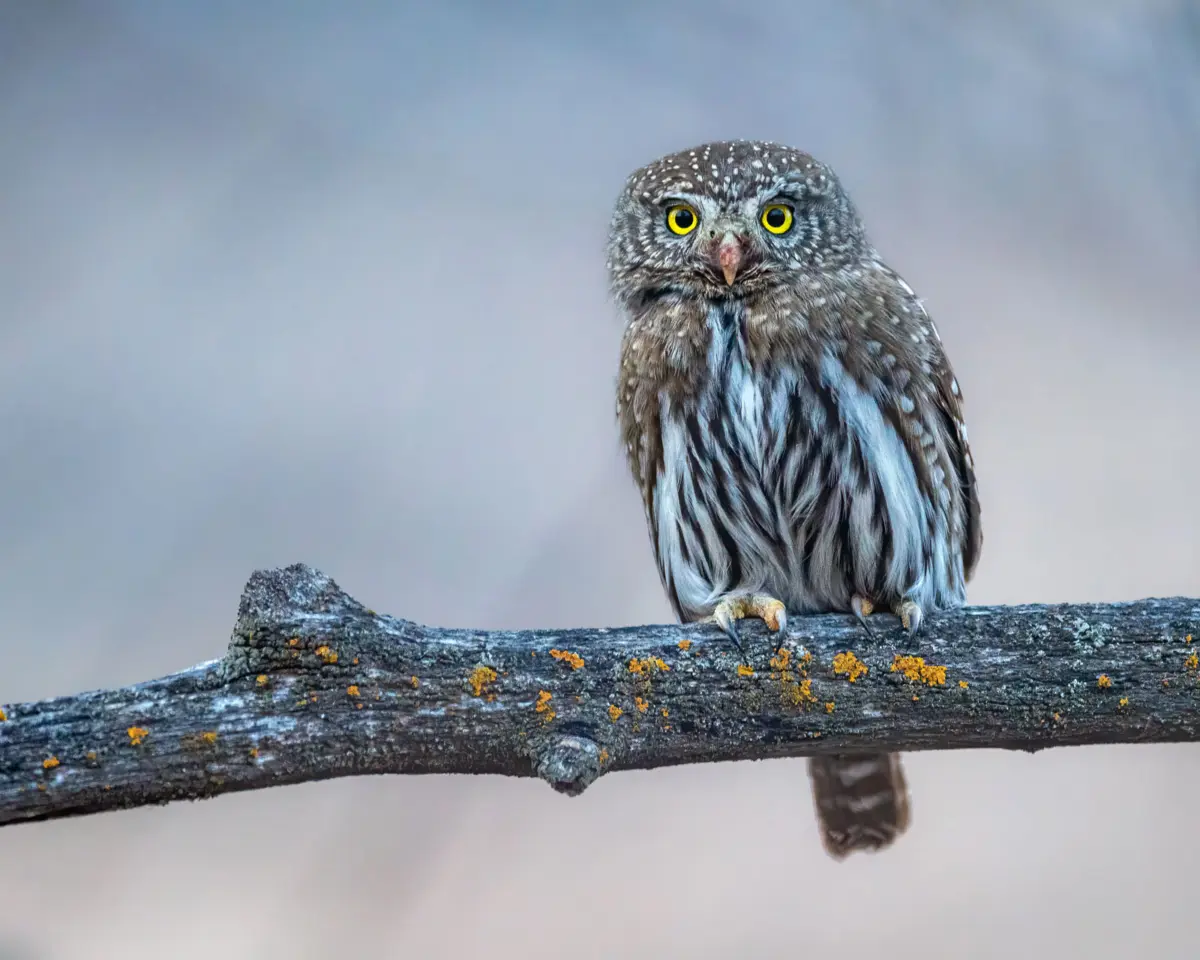
GLOBAL FIELD REPORT — Few creatures in the natural world command as much intrigue, mystery, and silent admiration as owls. From their hypnotic, forward-facing golden eyes to their ghostly, soundless flight, these enigmatic raptors have long captured the human imagination. Today, the specialized discipline of owl photography allows wildlife enthusiasts to bridge the gap between curiosity and art, showcasing the profound beauty, aerodynamic grace, and fierce character of these nocturnal monarchs.
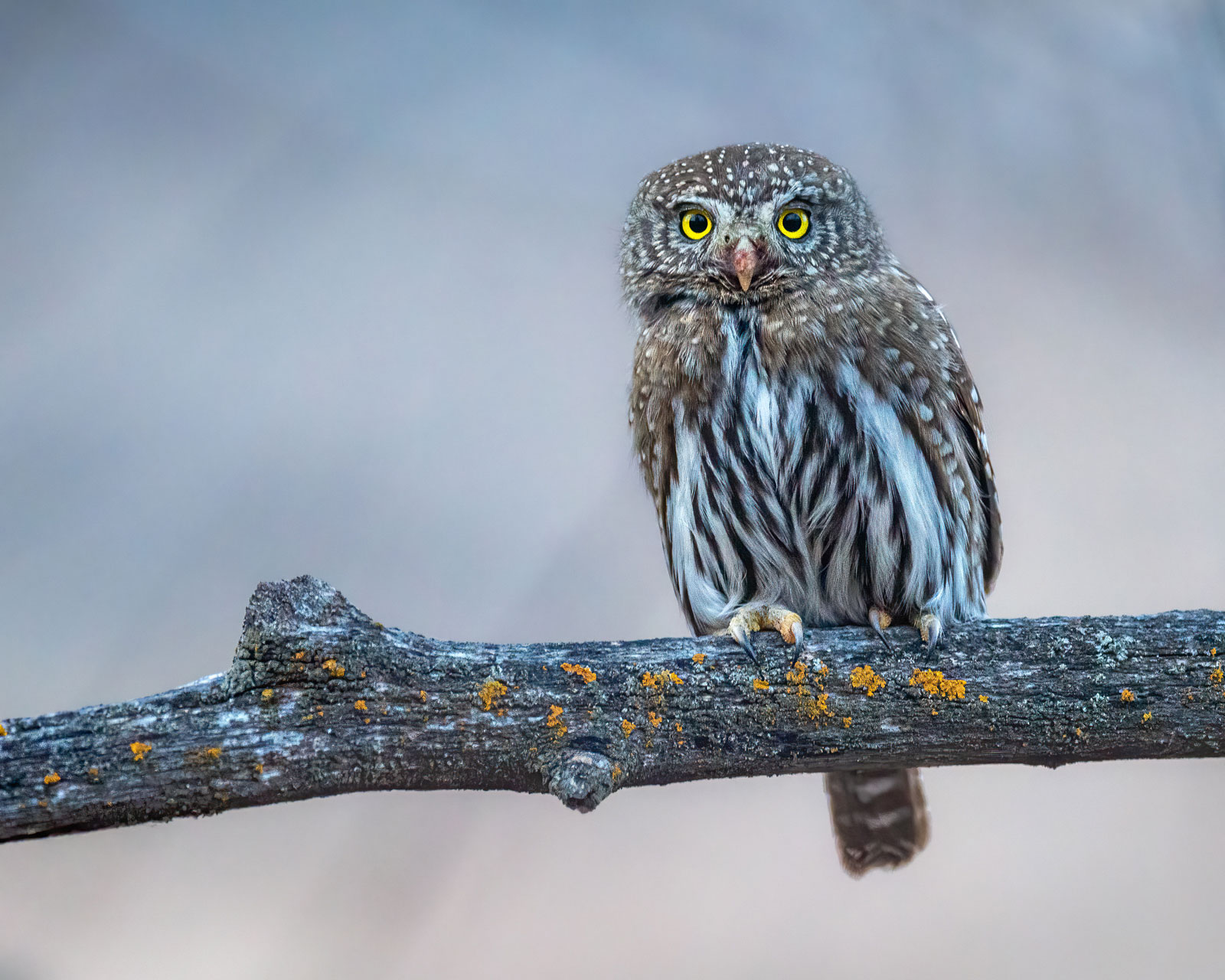
However, translating an encounter with an owl into a breathtaking, gallery-quality photograph requires far more than simply possessing high-end camera gear. It demands rigorous fieldcraft, a deep understanding of avian ecology and behavior, unwavering patience, and an absolute commitment to ethical wildlife practices.

Main Facts: The Intersection of Ecology and Optics
Owl photography stands apart from standard bird photography due to the unique physiology and secretive nature of the subjects. Belonging to the order Strigiformes, owls possess specialized anatomical traits—such as massive facial discs designed to funnel sound waves toward asymmetrical ears, and long, powerful talons hidden beneath dense plumage—that require deliberate technical adjustments from the photographer.

- Habitat Versatility: Owls inhabit every continent except Antarctica, thriving in dense boreal forests, arid deserts, vast tundra plains, rugged canyons, wetlands, and even densely populated urban centers.
- Temporal Habits: While the vast majority of owl species are strictly nocturnal or crepuscular (active at dawn and dusk), select species like the Burrowing Owl, Northern Hawk-Owl, and Little Owl hunt routinely during daylight hours.
- Essential Gear: Capturing crisp, impactful images in challenging light typically demands long telephoto lenses (ranging from 300mm to 600mm) with wide maximum apertures (f/2.8 to f/5.6) to maximize light gathering and shutter speed.
- Ethical Imperative: Because owls are easily stressed by human presence during their daytime rest cycles, ethical distance and long focal lengths are mandatory to prevent habitat abandonment.
Chronology of an Encounter: From Scouting to the Shutter Click
Successfully photographing an owl is rarely a matter of sheer luck; it is the culmination of a deliberate, step-by-step investigative process. Professional wildlife photographers often map out their approach through a structured chronological framework:

Phase One: Research and Local Scouting (Weeks Prior)
The journey begins long before stepping into the field. Photographers must research which owl species are native to their region by utilizing local birding databases, field guides, and library archives. Understanding relative abundance is critical, though high population numbers do not always equate to ease of spotting. Species like the Great Horned Owl are widespread across North and Central America, yet their cryptic camouflage renders them virtually invisible against tree bark.

Phase Two: Auditory Detection and Evening Tracking (Sunset)
Because most owls are nocturnal, the most effective way to locate them is by listening for their territorial calls, hoots, and screeches at sunset or shortly thereafter. Field researchers recommend spending consecutive evenings in promising habitats—such as the transition zones between dense forests and open meadows—training the eye to spot unnatural silhouettes against the evening sky. Owls typically roost at least halfway up the trunk of a tree on substantial branches, migrating toward the canopy edges as light fades.

Phase Three: Daytime Roost Identification and Respectful Observation (Daytime)
If an owl’s food supply is abundant, individuals will often utilize the same daytime roosting tree for days or even weeks. By returning during daylight hours and searching for "whitewash" (avian fecal droppings) or regurgitated owl pellets on the ground, photographers can pinpoint a roost. However, this is where discipline is paramount: rather than standing directly beneath the tree and pointing a camera straight up—which forces a steep, unattractive upward angle and severely stresses the bird—photographers must back away to a respectful distance of 75 to 100 feet.

Phase Four: The Golden Hour and Hunting Behavior
As dusk approaches, the waiting game shifts to action. Owls will transition from passive resting to active hunting. By understanding the specific flight patterns of target species—such as the low, graceful quartering flight of the Short-Aid Owl or the sudden downward plunge of the Great Grey Owl—photographers can anticipate movements, pre-focus on potential perches, and secure dynamic action shots.

Supporting Data: Technical Specifications for Low-Light Mastery
Photographing apex nocturnal predators inherently pushes camera sensors and optics to their absolute limits. Because peak activity occurs during low-light windows at dawn and dusk, mastering exposure variables is non-negotiable.

Recommended Camera Settings and Optics
| Equipment / Parameter | Recommended Specification | Purpose |
|---|---|---|
| Primary Lens | 300mm to 600mm Prime or Zoom | Isolates the subject from a respectful distance while compressing perspective to achieve a flattering, eye-level appearance. |
| Aperture | f/2.8 to f/5.6 (Wide Open) | Maximizes light-gathering capabilities, allowing for faster shutter speeds in dim environments before introducing diffraction. |
| Shutter Speed (Perched) | 1/250s to 1/500s (with stabilization) | Freezes subtle head movements while maintaining manageable ISO levels. |
| Shutter Speed (In Flight) | 1/1600s or faster | Eliminates motion blur during explosive takeoffs or erratic aerial maneuvers. |
| Support Systems | Carbon-fiber tripod with gimbal head | Relieves physical fatigue during long hours of waiting while eliminating micro-shake. |
Experienced practitioners emphasize that while tripods are invaluable for steady, contemplative portraits of perched owls, they should be detached or mounted on a monopod the moment hunting behavior indicates an impending flight shot. Furthermore, utilizing a remote shutter release cable or wireless transmitter prevents camera shake during extended exposures in deep twilight.

Official Responses and Conservation Ethics
As wildlife photography surges in popularity through social media platforms, wildlife biologists, conservation agencies, and ethical photography organizations have issued strict guidelines regarding human interaction with raptors.

The Threat of Baiting and Harassment
A growing concern within the bird photography community is the unethical use of live or store-bought bait (such as mice) to lure owls into unnatural open areas for quick photographs. Conservation groups warn that baiting conditions owls to associate humans with food, increasing their vulnerability to vehicle strikes, territory disputes, and domestic predators.

Furthermore, flushing a resting owl during daylight hours forces the animal to expend critical metabolic energy escaping perceived danger. According to wildlife officials, continuous disturbance can cause an owl to abandon its established home territory entirely, leading to reduced reproductive success and heightened mortality rates.

Ethical Codes of Conduct
Leading nature photography organizations advocate for a strict "do no harm" protocol:

- Never use playback calls excessively to draw out territorial owls, as this drains their energy reserves during critical breeding and feeding seasons.
- Observe behavioral cues: If an owl narrows its eyes into slits, flattens its feathers against its body, or snaps its beak, it is highly stressed and the photographer is too close.
- Prioritize the animal’s welfare above securing the frame. A blurred photograph taken ethically always supersedes a sharp photograph acquired through harassment.
Implications: The Psychological and Environmental Impact of Owl Encounters
The pursuit of owl photography carries profound implications for both the individual practitioner and broader conservation efforts.

On a personal level, the year-long dedication often required to successfully locate, track, and photograph a wild owl fosters a profound sense of fieldcraft and environmental mindfulness. Practitioners transition from passive observers to active stewards of local ecosystems, gaining a granular appreciation for forest health, rodent population dynamics, and habitat preservation.

On a community scale, responsible nature photographers act as frontline citizen scientists. By documenting local owl populations, reporting banded individuals to ornithological societies, and sharing ethical standards with amateur enthusiasts, the photography community helps safeguard fragile raptor habitats against unchecked urban encroachment and environmental degradation.

Ultimately, the true triumph of owl photography lies not merely in the technical perfection of a digital file, but in the quiet, respectful communion between human and animal within the shadowed sanctuaries of the natural world.
