

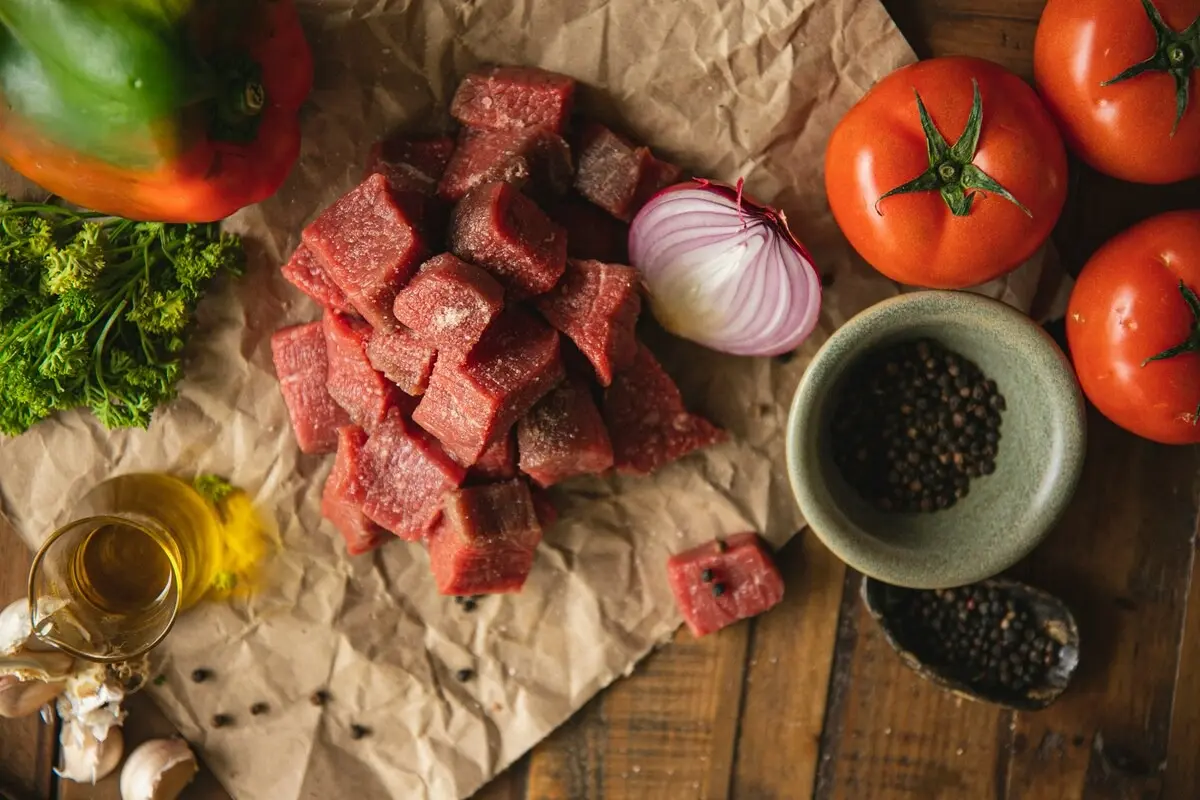
Ground beef is a foundational pillar of modern American cuisine. From rich, slow-simmered Bolognese sauces bubbling on Sunday afternoons to sizzling, cheese-topped backyard burgers, this versatile, budget-friendly staple is woven into the fabric of family dinners across the nation. Yet, a major executive policy shift signed into law by President Trump has forced a sudden, critical re-examination of what actually ends up on our dinner plates.
Under a temporary executive proclamation, the federal government has opened the floodgates for roughly 660 million pounds of inexpensive, lean foreign beef trimmings to enter the United States duty-free. While the stated goal of the policy is to cool surging grocery store inflation and alleviate financial pressure on everyday consumers, critics, industry analysts, and food safety advocates are asking a vital question: At what cost to health, transparency, and domestic agriculture?
According to reporting from the New York Times, these incoming trimmings have often been previously frozen—sometimes sitting in overseas cold storage facilities for years before making their transatlantic journey. Once they arrive, they are destined to be blended with fattier domestic cuts, marketed generically as standard ground beef, and sold to consumers without any mandatory on-package country-of-origin labeling.
Main Facts: The Scope of the Duty-Free Beef Proclamation
To understand the scale of this policy, one must examine the mechanics of the executive order. Signed by President Trump on August 26, the proclamation temporarily waives out-of-quota tariffs on up to 300,000 metric tons (approximately 660 million pounds) of imported ground beef and manufacturing beef trimmings. The emergency 90-day waiver officially took effect on September 1.
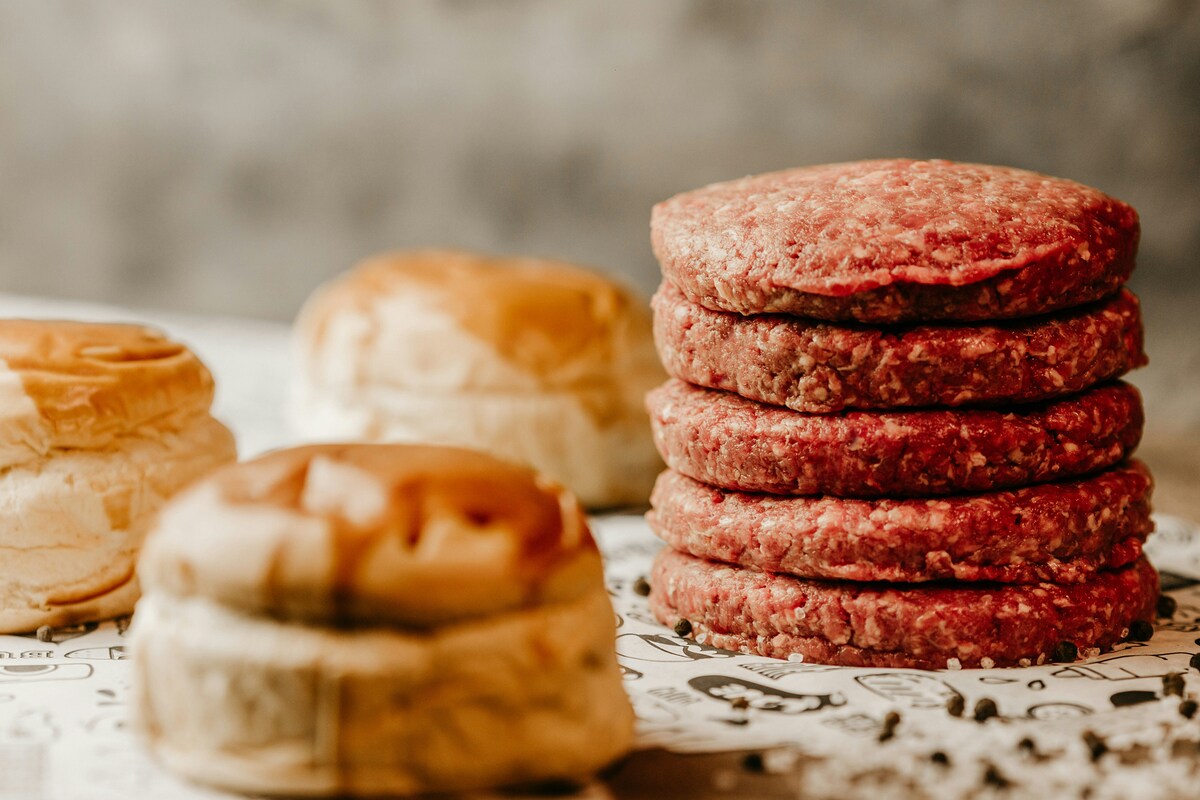
This sudden policy intervention accelerates an already historic trajectory for foreign meat in the American supply chain. Even prior to the proclamation, the U.S. Department of Agriculture (USDA) projected that American beef imports would shatter historical records in 2026.
- The 2025 Baseline: The U.S. imported roughly 1.9 million metric tons of beef, accounting for 16.8% of the total domestic supply.
- The 2026 Surge: Prior to the tariff waiver, foreign meat was already tracking at 17.34% of the U.S. supply—an all-time high, according to data from Euromeatnews.
- The New Ceiling: According to projections published by The Hill, the implementation of this proclamation guarantees that total U.S. beef imports will comfortably surpass the record-shattering 6.1 billion pounds originally forecast by the USDA.
While the policy is engineered to suppress retail beef prices at supermarket checkouts, it has ignited a firestorm of controversy regarding food origins, corporate consolidation within the meatpacking industry, and long-term food safety.
Chronology of Events: From Closed-Door Meetings to Executive Action
The timeline leading up to the implementation of the tariff waiver reveals a flurry of high-level diplomatic and corporate maneuvering that has raised eyebrows among watchdogs and agricultural economists alike.
- May 2025: Market analysts note mounting pressures on global beef trade flows, with developing nations seeking broader access to the lucrative American consumer market amid domestic herd contraction in the U.S.
- Late August 2026: Reports surface of intensive behind-the-scenes lobbying by major multinational agribusiness conglomerates seeking relief from import quotas.
- August 25, 2026: A pivotal, closed-door meeting takes place in the Oval Office between President Trump and Joesley Batista, co-owner of JBS S.A., the largest meatpacking company in the world. JBS, a Brazilian-owned corporate giant, has a deeply controversial corporate history marked by international bribery scandals, price-fixing allegations, and environmental scrutiny tied to deforestation in the Amazon rainforest.
- August 26, 2026: Just one day after the Oval Office meeting, President Trump officially signs the proclamation waiving out-of-quota tariffs on 300,000 metric tons of imported ground beef, citing the urgent need to combat food inflation.
- September 1, 2026: The 90-day duty-free import window officially opens, allowing massive volumes of foreign beef trimmings to flow into American ports without historical tariff penalties. Concurrently, the European Union enacts strict safety bans on select Brazilian meat imports due to antimicrobial compliance issues.
Supporting Data: Global Trade Flows and Contamination Red Flags
The influx of foreign beef is heavily concentrated in South America, with Brazil and Argentina serving as the primary suppliers for this new wave of imports. However, public health records and international trade data reveal alarming vulnerabilities in these nations’ agricultural sectors.
The Brazilian Meat Crisis
Brazil is the undisputed king of global beef exports, but its cattle industry has long been plagued by systemic oversight failures. Just days after the U.S. tariff waiver was announced, the European Union officially suspended imports of Brazilian beef, citing widespread non-compliance with antimicrobial and antibiotic regulations.
This is not an isolated incident. In 2017, a massive international scandal erupted when two of Brazil’s largest meatpacking operations were implicated in a scheme that involved selling rotten, spoiled beef treated with dangerous chemical compounds like ascorbic acid to mask decomposition and hide salmonella contamination—all facilitated by systemic bribery of government agricultural inspectors. Today, two of the four massive meatpacking corporations that control roughly 85% of the U.S. beef market are Brazilian-owned, creating a direct pipeline from foreign processing plants to American supermarket shelves.
Quality Rejections in China and Beyond
It is not just Brazil under scrutiny. According to investigations by the New York Times, international trade rejection rates highlight ongoing safety challenges across South American supply chains. Over the past year alone, Chinese import authorities rejected multiple shipping containers of beef originating from Uruguay due to dangerous levels of contamination with fluazuron, a potent anti-parasitic drug prohibited in many consumer markets. Additionally, Chinese customs authorities turned away shipments of Argentine beef after routine testing revealed positive traces of chloramphenicol, a banned broad-spectrum antibiotic linked to severe human blood disorders, including aplastic anemia.
Official Responses: A "Gut Punch" to American Farmers
The reaction from domestic agricultural organizations was swift and overwhelmingly hostile. American ranchers, who have spent years rebuilding herds following severe, drought-driven contractions in the domestic cattle inventory, view the federal policy as a direct betrayal of local producers in favor of foreign multinational corporations.
"The timing of this proclamation is a gut punch to ranchers’ bottom line," said Zippy Duvall, president of the American Farm Bureau Federation, in an interview with Beef Magazine. Duvall and other agricultural leaders argue that undercutting domestic prices with subsidized or cheaper foreign trimmings destabilizes the local market, making it exceedingly difficult for generational family farms to compete.
Conversely, administration officials and retail advocates defend the move as a necessary measure of consumer relief. With grocery budgets strained by years of cumulative inflation, proponents argue that expanding the supply of low-cost manufacturing beef is vital to keeping hamburgers, meatballs, and tacos affordable for working-class families.
Yet, consumer advocates point out a glaring regulatory loophole: the absence of clear labeling. In 2015, under pressure from international trade disputes, the U.S. officially dismantled mandatory country-of-origin labeling (COOL) requirements for beef and pork sold at retail. Repeated legislative attempts by congressional lawmakers to reinstate mandatory labeling have routinely stalled in Washington. Consequently, American shoppers have no legal way of knowing whether the plastic-wrapped package of ground chuck in their grocery cart came from a local pasture in Nebraska or a multi-year-old cold storage facility in South America.
Implications: Taking Control in Your Own Kitchen
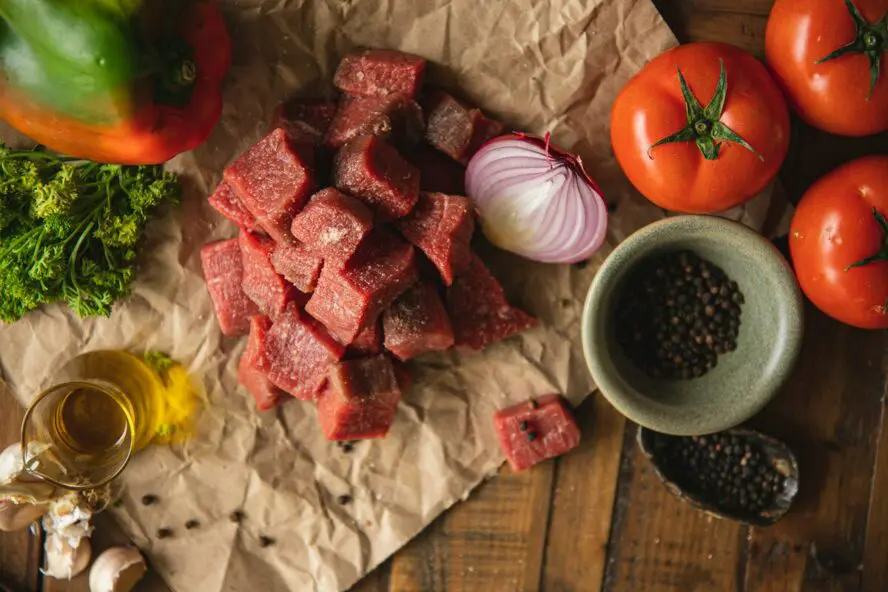
With federal transparency measures lacking and billions of pounds of foreign manufacturing trimmings entering the domestic food supply, consumers are left to fend for themselves. For home cooks who care deeply about food safety, animal welfare, and supporting local agriculture, the solution requires moving away from pre-packaged commercial grinds and taking matters into their own hands.
Understanding Commercial Ground Beef Standards
By legal definition in the United States, commercial ground beef must be produced from fresh or frozen skeletal meat without the addition of unauthorized water, binders, or extenders. The final product cannot exceed 30% fat content, and no more than 25% of cheek meat may be incorporated. Products labeled strictly as "hamburger" face slightly more relaxed standards, as they legally permit the addition of separate, external beef fat.
However, because trimmings from various global processing plants can be commingled in industrial vats, the exact lineage of commercial ground beef remains notoriously opaque.
The Art and Advantages of Grinding Your Own Beef
Investing in a simple manual meat grinder, a kitchen-aid attachment, or utilizing a high-powered food processor opens the door to a superior culinary experience with total nutritional transparency. Grinding your own meat offers three distinct advantages:
- Absolute Traceability: By purchasing whole cuts directly from a trusted local butcher, farm stand, or rancher who voluntarily practices transparent sourcing, you eliminate mystery meat entirely.
- Customized Fat-to-Lean Ratios: Commercial grinds offer limited choices (typically 80/20, 85/15, or 93/7). Grinding at home allows you to hand-select specific primal cuts to tailor your flavor profile and texture.
- Optimized Culinary Results:
- The Chuck Cut: Sourced from the cow’s neck and shoulder region, chuck boasts an ideal natural fat content of roughly 20%. It is the gold standard for backyard burgers, providing unmatched juiciness, rich flavor, and structural integrity.
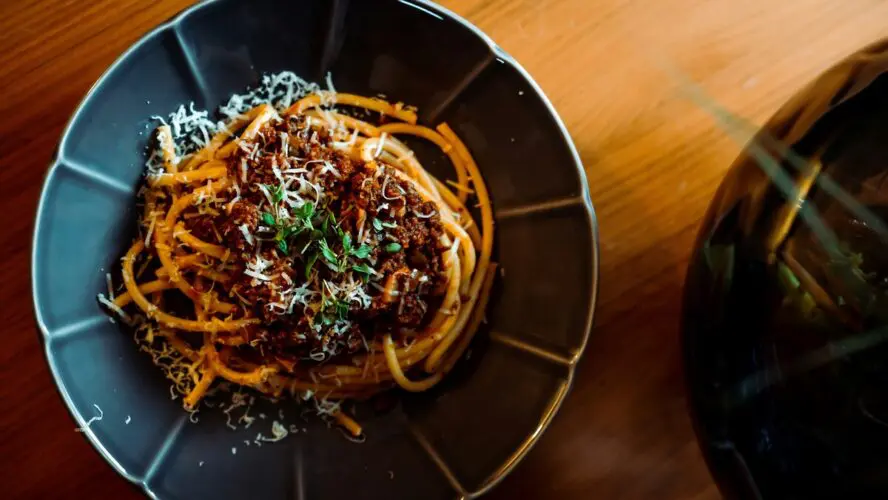
- The Round or Sirloin Cut: If you are preparing slow-simmered dishes where excess fat must be drained—such as a rich Bolognese sauce or hearty chili—leaner cuts like beef round (approx. 15% fat) or sirloin (approx. 10% fat) deliver deep, savory beef flavor without turning your dish greasy.
Conclusion
As geopolitical trade policies continue to reshape the global agricultural landscape, the American consumer sits at the intersection of economics and food safety. While the Trump administration’s new beef import proclamation aims to trim grocery bills through an influx of 660 million pounds of foreign trimmings, the lack of transparency and lingering oversight concerns in exporting nations make informed eating harder than ever. By understanding where our food supply is heading—and embracing the lost art of home meat preparation—we can reclaim absolute control over what goes onto our forks.
