

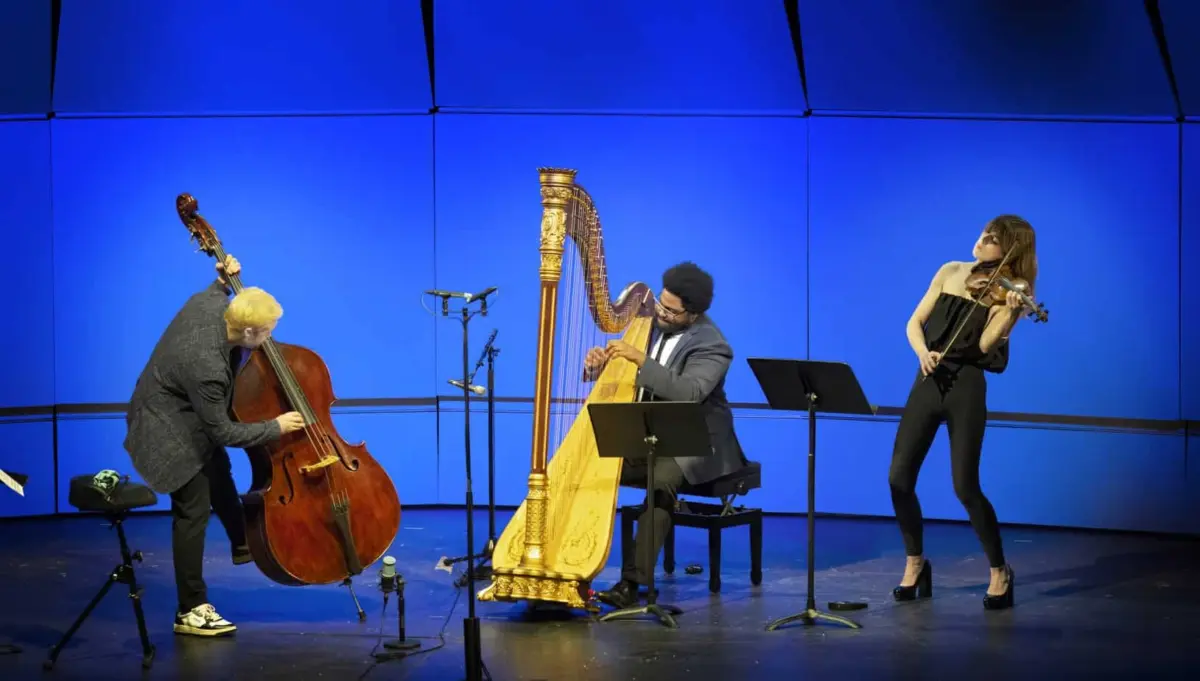
SEDONA, Ariz. — In a major boost to the cultural landscape of northern Arizona, nonprofit organizations, community festivals, and arts education initiatives across the Verde Valley have been awarded a combined $85,660 in public and private funding.
The local funding is part of a massive statewide distribution announced by the Arizona Commission on the Arts, an agency of the State of Arizona. On August 20, the commission unveiled 409 grant awards totaling $2,655,846. Supported by a one-time $2 million legislative appropriation, these grants are designed to bolster the creative economy, support local artists, and expand access to the arts in both urban centers and rural communities.
From the historic streets of Jerome to the red rocks of Sedona and the community spaces of Clarkdale, the newly announced funds will support everything from world-class classical music performances and independent film festivals to grassroots youth education and community murals.
1. Main Facts: A Statewide Investment with a Local Impact
The $2.65 million statewide funding initiative represents a coordinated effort to inject vital financial resources into Arizona’s arts and culture sector. The Arizona Commission on the Arts distributed the funds across 409 distinct grant awards, reaching a wide array of programs, including community theaters in Bullhead City, pottery festivals in Douglas, and prominent museums in metropolitan Phoenix and Tucson.
In the Verde Valley, the $85,660 allocation will benefit 15 distinct organizations and projects across three municipalities:
- Sedona secured the lion’s share of the regional funding, with $78,160 distributed among 13 local organizations, festivals, and educational programs.
- Clarkdale received $5,000 for a community-based music and writing program.
- Jerome was awarded $2,500 to support its annual music and art festival.
This funding injection is designed to address the operational and programming needs of arts organizations as they continue to navigate post-pandemic recovery, rising operational costs, and shifting tourism patterns. The grants are categorized into four distinct funding streams: Creative Capacity Grants, Festival Grants, Lifelong Arts Engagement Grants, and Youth Arts Engagement Grants.
2. Chronology of Funding and Strategic Planning
The path to this funding cycle involves several key legislative, administrative, and community-driven milestones:
[1967] Arizona Commission on the Arts established by state statute
  │
[Spring 2024] ACA releases 2027–2031 Strategic Plan after a year-long public input process
  │
[June 2024] Arizona Legislature approves a one-time $2M appropriation for FY2027
  │
[July 2024] Public review panels evaluate hundreds of grant applications statewide
  │
[Aug 20, 2024] Arizona Commission on the Arts officially announces 409 grant awards
  │
[Jan 2027] Commission begins its 60th anniversary year of public arts stewardship
The Legislative Push
The foundation for this grant cycle was laid during the state’s legislative budget negotiations, which resulted in a one-time $2 million appropriation to the Arizona Commission on the Arts. This legislative funding was designed to augment the agency’s baseline revenue streams, which historically rely on the State’s Arts Trust Fund (funded by a portion of annual Corporation Commission filing fees, averaging $1.2 million annually) and a state partnership grant from the National Endowment for the Arts (averaging $1 million annually).
The Strategic Plan (Spring 2024)
The distribution of these funds aligns with the commission’s newly released strategic plan for 2027 through 2031. Published in the spring after a year-long public input process that engaged more than 1,300 Arizonans, the plan emphasizes equitable funding distribution, rural community support, and the preservation of local cultural heritages.
The Review and Award Process (Summer 2024)
Following the close of the application window, submissions underwent a rigorous, multi-tiered public review process throughout the summer. On August 20, the final list of 409 awardees was officially approved and published, clearing the way for funds to be distributed ahead of the fall and winter programming seasons.
3. Supporting Data: Regional and Categorical Breakdown
The grant allocations reflect a diverse mix of general operating support and project-specific funding.
The Four Core Grant Categories
- Creative Capacity Grants: These grants provide general operating support to arts and culture organizations. This year, 275 organizations received awards ranging from $800 to $24,000, determined by organizational size and performance during the peer-review process.
- Festival Grants: Designed to support community festivals, 85 grants ranging from $2,300 to $5,000 were awarded. Notably, 10 of these grants were made possible through a partnership with the Flinn Foundation, which contributed $50,000 specifically to support festivals in rural and remote parts of the state.
- Lifelong Arts Engagement Grants: These awards fund projects that foster meaningful arts learning experiences in community settings for adult learners of all ages.
- Youth Arts Engagement Grants: Focused on young people aged 24 and under, these grants support high-quality arts programming occurring outside of traditional school hours. Combined, the Lifelong and Youth categories accounted for 49 grants of up to $5,000 each.
Verde Valley Local Recipients
| Municipality | Organization / Project | Award Amount | Grant Type / Purpose |
|---|---|---|---|
| Clarkdale | Composing the Blues: Writing/Performing from the Heart & Soul | $5,000 | Youth/Lifelong Arts Engagement |
| Jerome | Jerome Music and Art Festival | $2,500 | Festival Grant |
| Sedona | Sedona Arts Center | $16,000 | Creative Capacity (General Operations) |
| Sedona | Sedona International Film Festival & Workshop | $16,000 | Creative Capacity (General Operations) |
| Sedona | Chamber Music Sedona | $8,600 | Creative Capacity (General Operations) |
| Sedona | Sedona Symphony | $8,600 | Creative Capacity (General Operations) |
| Sedona | Exploring Ecosystems through Art and Garden Clubs | $5,000 | Youth Arts Engagement |
| Sedona | Visual Voice: Mural Making with Chip Thomas | $4,000 | Community Art / Engagement |
| Sedona | Emerson Theater Collaborative | $3,920 | Creative Capacity (General Operations) |
| Sedona | Sedona Chamber Ballet | $3,920 | Creative Capacity (General Operations) |
| Sedona | Sedona Arts Festival | $3,160 | Festival Grant |
| Sedona | Sixth annual Sedona Red Rockin Blues Festival | $2,500 | Festival Grant |
| Sedona | Piano on the Rocks International Festival | $2,500 | Festival Grant |
| Sedona | Arts Academy of Sedona | $2,360 | Creative Capacity (General Operations) |
| Sedona | Sedona Dance Project | $1,600 | Creative Capacity (General Operations) |
| Total Regional | Verde Valley Communities Combined | $85,660 | 15 Awarded Grants |
4. Official Responses and Leadership Perspectives
State and local leaders have expressed strong support for the grant allocations, highlighting the vital role that public funding plays in maintaining the cultural and economic health of Arizona’s communities.
Christina You-sun Park, executive director of the Arizona Commission on the Arts, emphasized that the grants represent an investment in the state’s collective future:
"Creative expression is central to Arizona’s innovation, prosperity, and cultural vitality. Through strategic grantmaking, the Arizona Commission on the Arts directs public funds to organizations, festivals, and programs that strengthen communities, support the state’s creative workforce, and enhance quality of life across Arizona."
Park also noted the interconnectedness of the state’s arts ecosystem:
"Arizona’s arts sector is vibrant, diverse, and interconnected. Organizations large and small, artists, cultural workers, and administrators all contribute to a shared ecosystem that strengthens communities, enriches lives, and drives economic growth for all Arizonans."
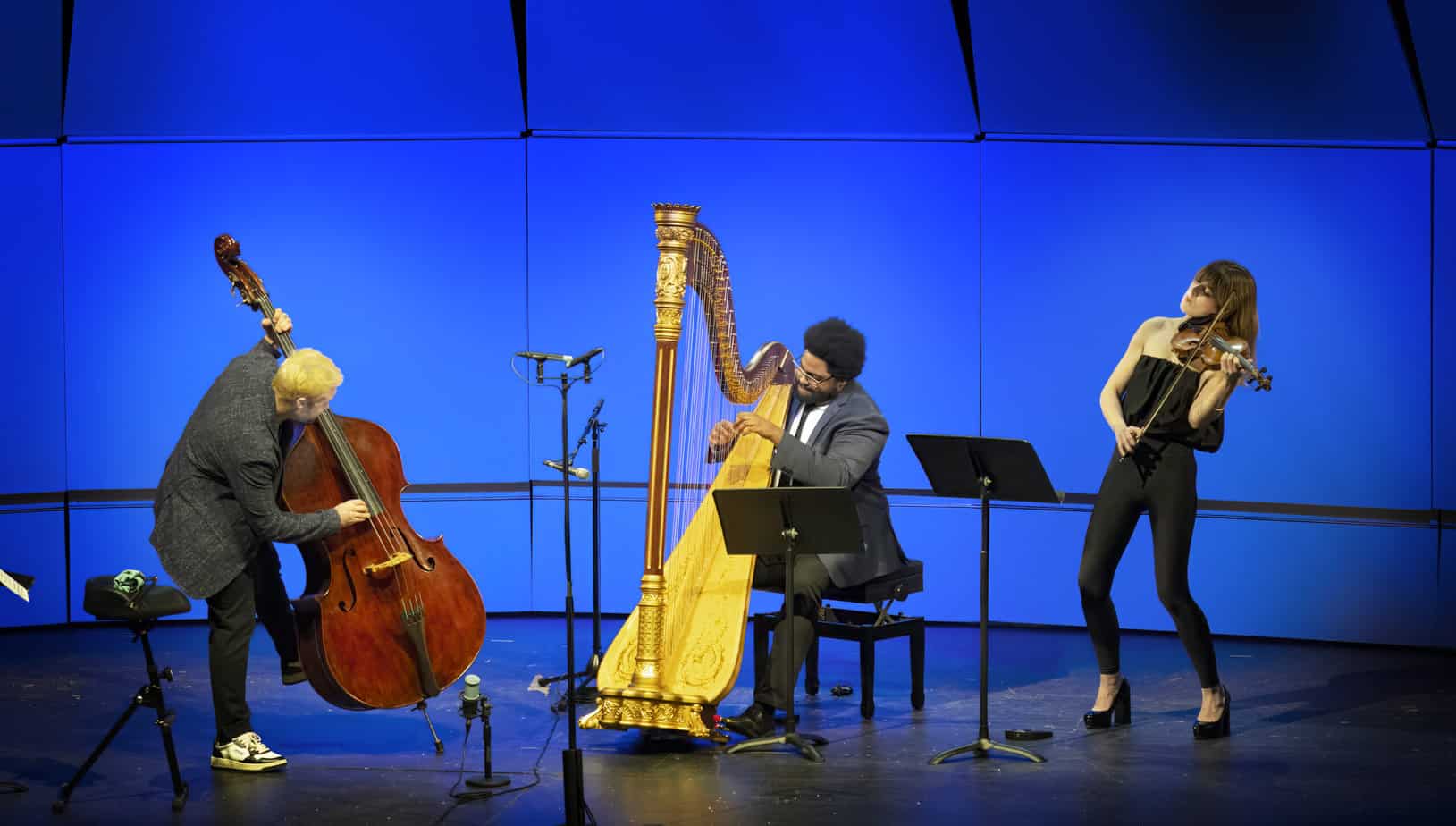
Local arts administrators in the Verde Valley have echoed these sentiments, noting that public grants provide essential stability. For organizations like Chamber Music Sedona—which brings world-class instrumentalists to local venues—public funding helps offset the high costs of presenting high-caliber programming in rural areas. Similarly, leaders at the Sedona Arts Center and the Sedona International Film Festival emphasize that these funds directly translate into affordable public programming, student scholarships, and robust year-round community engagement.
5. Future Implications and Community Impact
The allocation of $85,660 to the Verde Valley carries significant implications for the region’s economy, education, and community identity.
Economic and Tourism Drivers
In rural and tourism-dependent economies like the Verde Valley, the arts act as a major economic multiplier. Events such as the Sedona International Film Festival, the Jerome Music and Art Festival, and the Piano on the Rocks International Festival draw thousands of visitors annually. These tourists spend money on lodging, dining, transportation, and retail, directly benefiting local businesses and generating municipal tax revenues. By securing operational and festival-specific grants, these organizations can maintain high-quality programming that keeps the Verde Valley competitive as a premier cultural tourism destination.
Enhancing Education and Social Cohesion
Beyond economic metrics, the grants fund vital social and educational initiatives. Programs like "Exploring Ecosystems through Art and Garden Clubs" in Sedona and "Composing the Blues" in Clarkdale offer youth constructive, creative outlets outside of traditional school hours.
Meanwhile, community-facing projects like Chip Thomas’s "Visual Voice" mural-making initiative provide public art that reflects local history and diverse cultural narratives. These programs foster social cohesion, offering residents of all ages opportunities to connect, heal, and learn through creative expression.
Looking Ahead to the 60th Anniversary
This major funding cycle arrives as the Arizona Commission on the Arts prepares to celebrate its 60th anniversary. Since its founding in 1967, the agency has served as a primary steward of the state’s cultural assets.
With the implementation of the 2027–2031 Strategic Plan, the commission is poised to focus heavily on regional equity, ensuring that rural counties receive a fair share of state resources. For the Verde Valley, this forward-looking strategy promises continued partnership, helping to ensure that the region’s unique cultural tapestry remains vibrant for generations to come.
