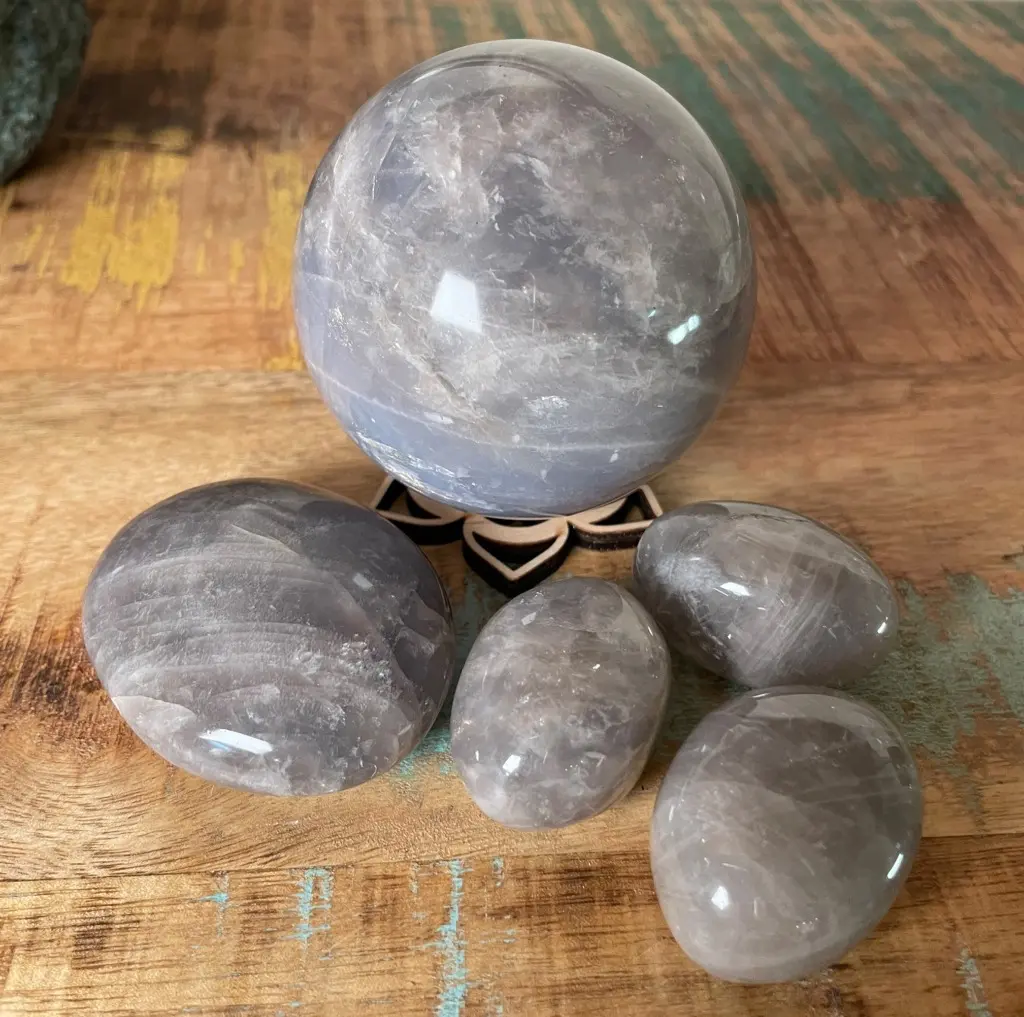
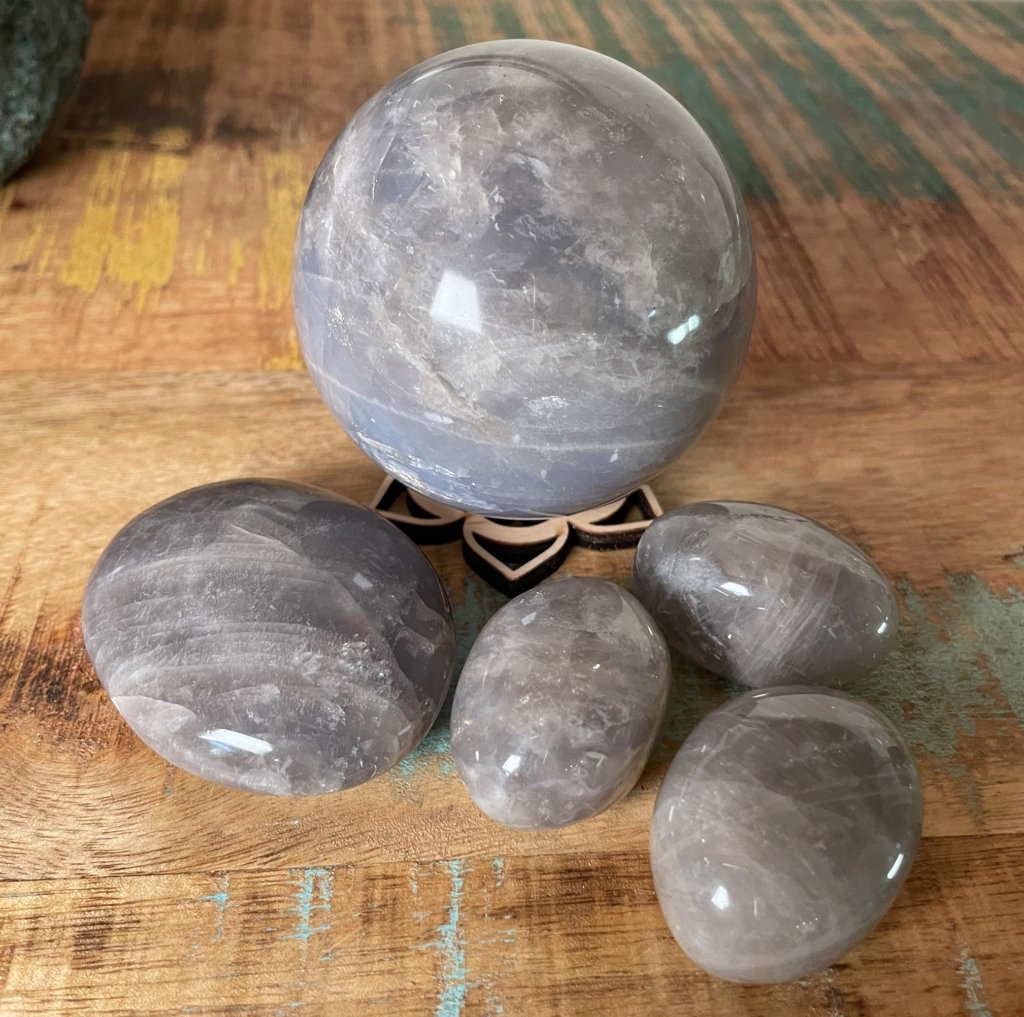
In the ever-expanding global wellness and crystal market, a silent linguistic and commercial sleight of hand has been unfolding. Across online storefronts, social media marketplaces, and independent metaphysical boutiques, a peculiar new mineral has captured the attention of buyers: "Blue Rose Quartz." Touted as a rare and spiritually potent find—frequently marketed as originating from Madagascar—this stone commands premium prices and enthusiastic interest from practitioners seeking fresh energetic tools.
There is only one geological problem: true rose quartz is, by definition, pink.
According to veteran geologists, gemologists, and crystal educators, "Blue Rose Quartz" is not a new discovery at all. Instead, industry experts reveal that it is largely a marketing rebranding of low-grade quartz or amethyst, sometimes altered through heating, opalization, or even manufactured from glass. As exotic nomenclature proliferates across the marketplace, consumer advocates and geological educators are pushing back, calling for rigorous transparency, standardized grading, and a renewed commitment to basic earth science within the crystal community.
Main Facts: Deconstructing the "Blue Rose Quartz" Phenomenon
The core controversy centers on a fundamental contradiction between traditional gemology and modern spiritual marketing.
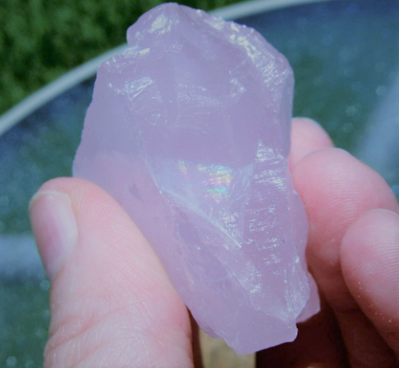
The Scientific Definition of Rose Quartz: Scientifically speaking, rose quartz is a macrocrystalline variety of silicon dioxide ($textSiO_2$) whose distinctive pink coloration is caused by microscopic, fibrous inclusions of a mineral closely related to dumortierite or pink phosphates. If a quartz specimen does not display a natural pink hue, mineralogists state it cannot correctly be classified as rose quartz.
What "Blue Rose Quartz" Actually Is: Mineralogical investigations, including independent assay reports commissioned by specialized mineral dealers like Little Lemuria, indicate that much of the material sold under this moniker is a bluish-white translucent opalized quartz (often referred to in geology as Girasol), heat-treated low-grade amethyst, or hazy, lower-tier quartz. In some cases, vendors are simply applying high-end spiritual names to what the traditional stone-selling industry historically categorized as low-grade "D-grade" material.
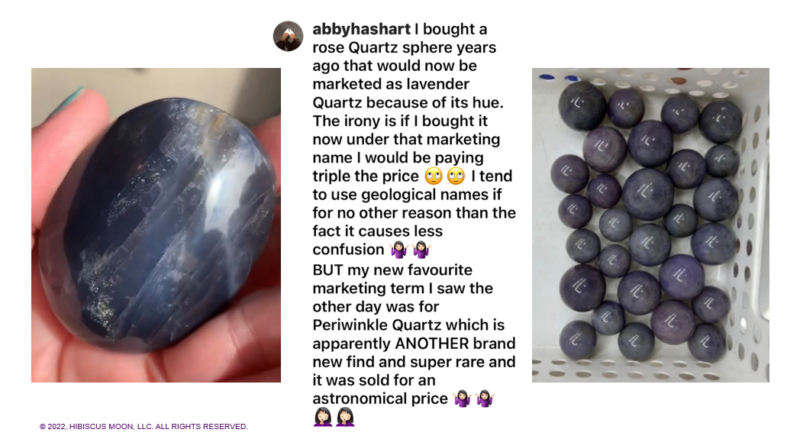
The Role of Rebranding: Rather than discarding or cheaply selling abundant, low-clarity quartz and pale amethyst, opportunistic suppliers have discovered that attaching ethereal, high-vibration names dramatically increases profitability. This practice bypasses traditional letter-grade assessment systems (such as the A-to-AAA grading scale common in legacy gemstone markets) in favor of emotive, trend-driven descriptions.
The Slippery Slope of Market Names: Experts warn that without consumer pushback, the market faces an indefinite expansion of creative, unscientific monikers—evidenced by the recent emergence of parallel marketing terms like "Black Rose Quartz" and "Neon Blue Quartz."
Chronology: How the Trend Gained Momentum
To understand how a geological impossibility became a viral retail success, one must trace the timeline of the phenomenon and the grassroots investigation that followed.
Phase 1: The Emergence on Social Media and E-Commerce
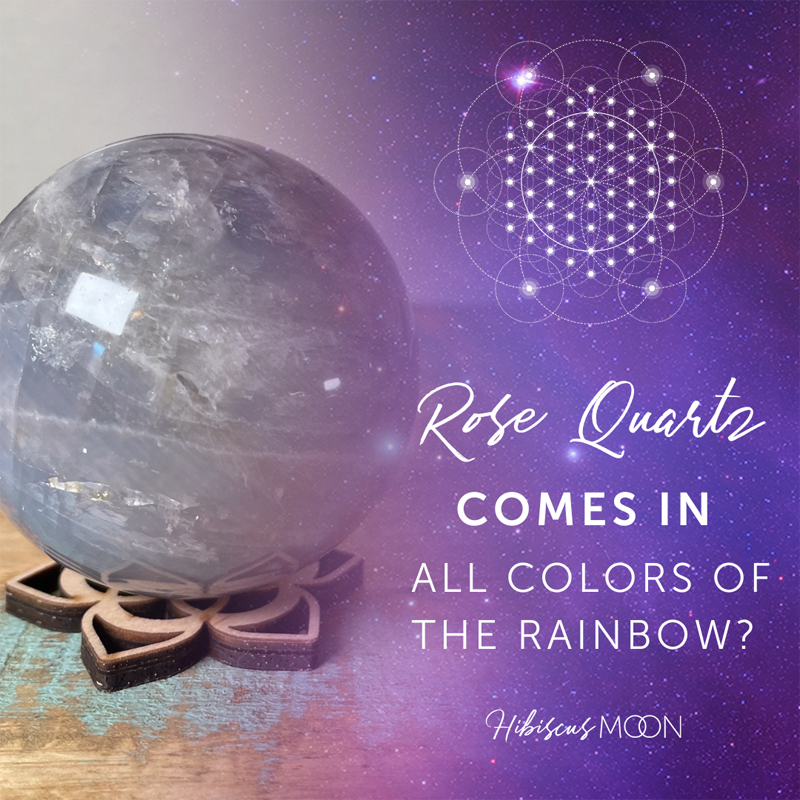
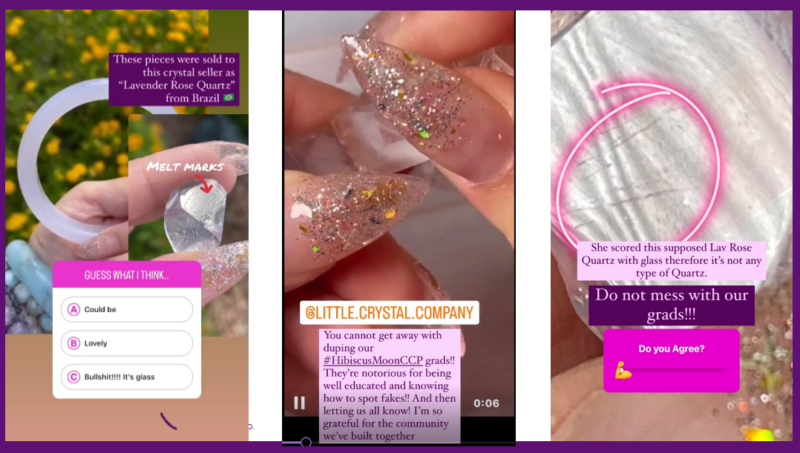
The trend gained significant traction when students and practitioners within crystal education networks—most notably those affiliated with the Hibiscus Moon Crystal Academy—began flooding instructors with questions regarding a "new" variety of blue rose quartz appearing globally. Advertised heavily as an exotic import from Madagascar, the stones featured a hazy, milky-blue translucence with occasional iridescent or rainbow-like internal reflections.
Phase 2: Community Investigation and Mineralogical Testing
As questions mounted, scientifically literate members of the crystal community began digging into the matter. Independent online crystal shops, operated by certified practitioners and trained gem enthusiasts, began cross-referencing specimens with geological databases and gemological clubs. Specialized retailers, such as Little Lemuria, took the step of submitting samples for professional mineralogical assay testing to uncover the true chemical composition of the stones.
Phase 3: The Backlash and Educational Pushback
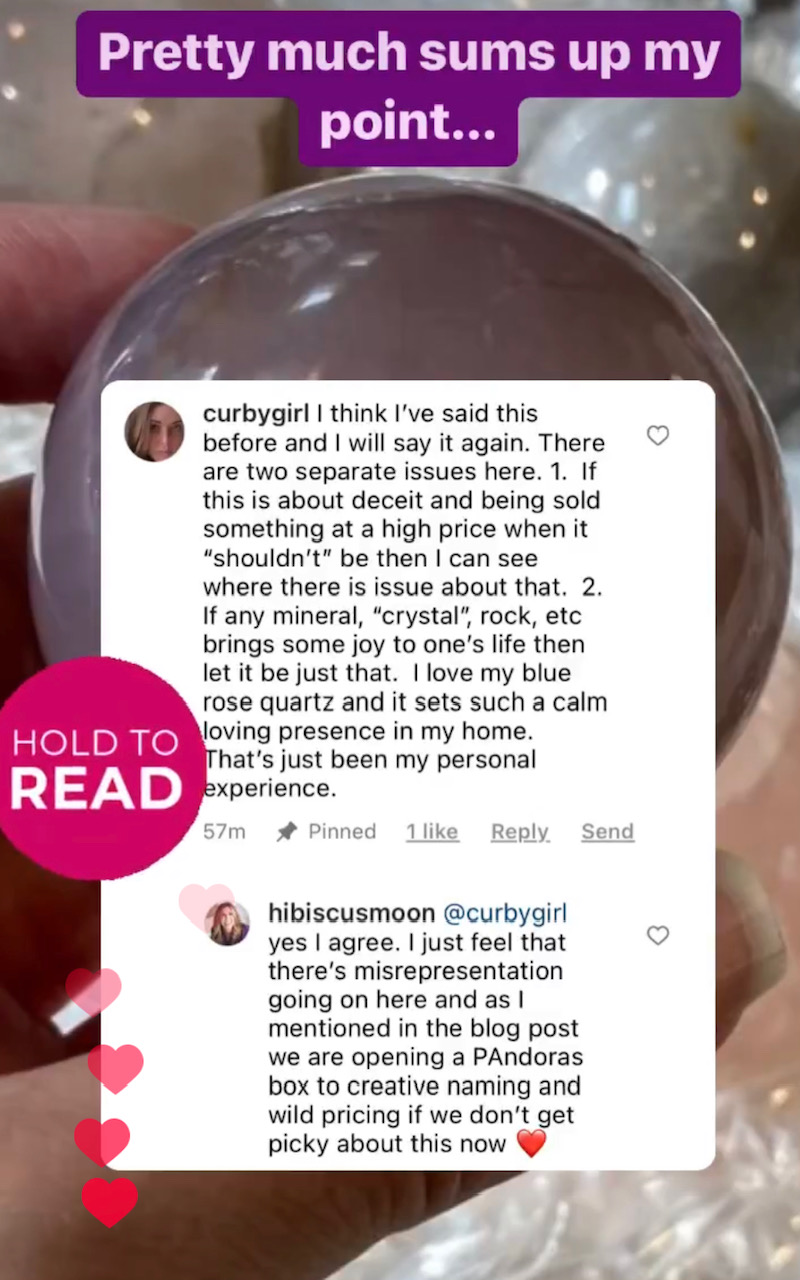
By late 2022, prominent educators and crystal authors began publishing deep-dives, breaking down the chemical realities of the stones via Instagram stories, blog series, and community forums. Rather than attacking individual sellers, these educators focused on empowering buyers with geological data, urging the community to reject inflated pricing based on deceptive marketing terms.
Supporting Data and Scientific Analysis
To ground these claims, geologists look to the physical and optical properties exhibited by these stones.
The Girasol Effect
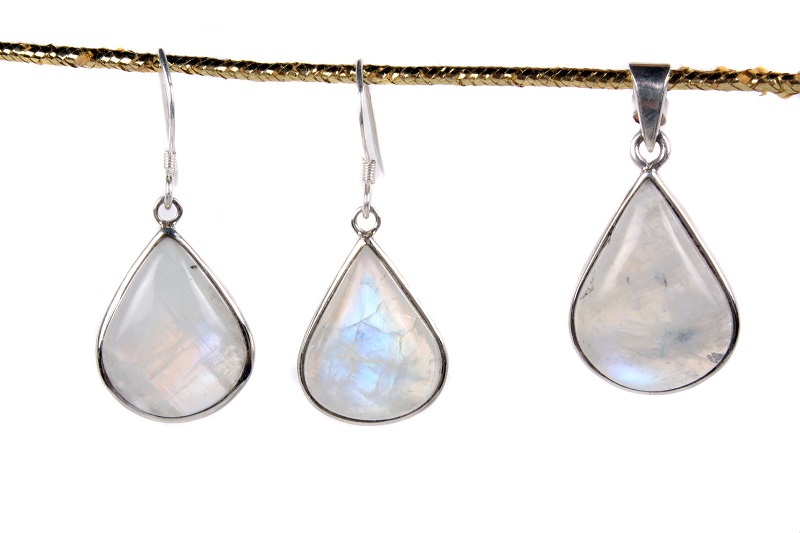
Much of the material sold as "Blue Rose Quartz" displays what mineralogists term the Girasol effect. Derived from the Italian words for "turning sun" (traditionally translated as sunflower), girasol in geology refers to an optical phenomenon seen in certain opals, moonstones, and feldspars. It is characterized by a cloudy, luminous bluish-white glow or ghost-like sheen caused by light scattering (diffraction and interference) through microscopic water droplets or structural inclusions within the stone.
When low-grade amethyst or milky quartz is subjected to intense heat—frequently exceeding 932°F (500°C)—the original lilac or purple coloration can be bleached out. This thermal alteration can induce tiny internal water droplets to form within the crystal matrix, mimicking an opalized, milky-blue appearance.
Historical Grading vs. Modern Marketing
Historically, the gemstone and crystal wholesale market utilized a standardized grading system comparable to diamond assessment, ranging from "AAA" (highest clarity and color saturation) down to "D" (low-grade, heavily included, pale, or fractured material).
Pioneering crystal educators note that specimens of pale, hazy quartz or low-grade amethyst were once sold abundantly and inexpensively as low-tier inventory. By renaming these stones "Blue Rose Quartz" or "Black Rose Quartz," suppliers have essentially repackaged low-grade industrial byproduct into high-margin spiritual products.
Official Responses and Industry Perspectives
The debate surrounding "Blue Rose Quartz" has sparked a broader conversation within the global crystal trade regarding ethics, transparency, and education.
The Educator’s Stance: Science Meets Metaphysics
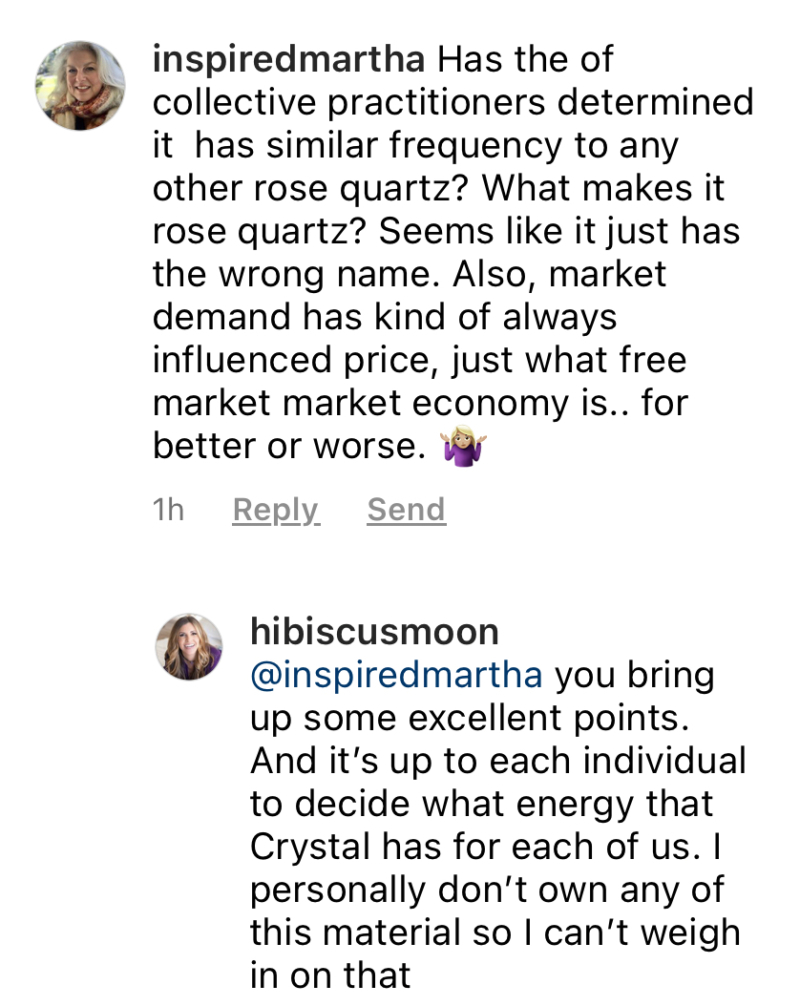
Industry leaders maintain a careful distinction between energetic value and commercial honesty. Many experienced crystal practitioners emphasize that lower-grade stones are not energetically inferior; a "D-grade" piece of quartz or pale amethyst can be just as potent in meditation or energy work as an expensive museum-grade specimen.
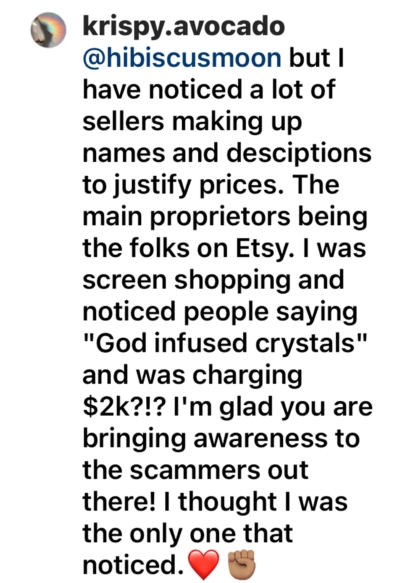
However, the core objection lies in transparency and pricing equity. Educators argue that selling abundant, low-cost minerals under false geological pretenses—and inflating their price tenfold based on fictional rarity—is a form of consumer exploitation.
"By definition, Rose Quartz is a pink form of Quartz due to particular nanofibrous inclusions… If it’s blue (or any other color other than pink to your eyeball), it cannot be called Rose Quartz," notes foundational crystal literature from leading educational bodies.
The Retailer’s Dilemma
Independent boutique owners and certified crystal practitioners caught in the middle of the trend face a difficult choice. Many ethical retailers have opted to pull mislabeled inventory from their shelves or transparently re-label the stones as "opalized quartz," "girasol quartz," or "heat-treated amethyst." However, the sheer volume of unverified inventory flowing from overseas wholesalers makes complete quality control a persistent challenge for small business owners.
Implications for Consumers and the Global Crystal Community
The "Blue Rose Quartz" controversy carries significant implications for both everyday buyers and the broader wellness industry.
1. Financial Exploitation and Market Fatigue
When buyers pay premium prices for a supposed "rare new find" only to discover it is a common, heat-treated mineral, it erodes trust within the metaphysical marketplace. Consumer fatigue sets in when buyers realize they have spent hard-earned money on marketing gimmicks rather than genuine geological rarities.
2. The Responsibility of Self-Education
Because the global crystal trade is largely unregulated compared to the precious gemstone market (diamonds, rubies, and sapphires), the burden of verification falls heavily on the consumer. Experts advise buyers to adopt a strict "buyer beware" mindset:
Question whether the stone’s color occurs naturally in nature or is the result of human intervention (such as dyeing, irradiation, or high-heat treatment).
Research the vendor’s reputation and geological knowledge base.
Be skeptical of dramatic claims regarding "newly discovered rare types" of common mineral families like quartz.
3. Preserving Scientific Literacy in Spirituality
Ultimately, leaders within the crystal community argue that spirituality and science do not need to be mutually exclusive. Embracing earth science and mineralogy deepens, rather than diminishes, a practitioner’s appreciation for the natural world. By demanding accurate nomenclature and rejecting deceptive trade names, the crystal community can protect itself from commercial manipulation while honoring the authentic beauty of Mama Earth’s creations.
As the torch of consumer advocacy passes to a new generation of crystal practitioners, the lesson of "Blue Rose Quartz" remains clear: You don’t know what you don’t know—until you choose to learn better.