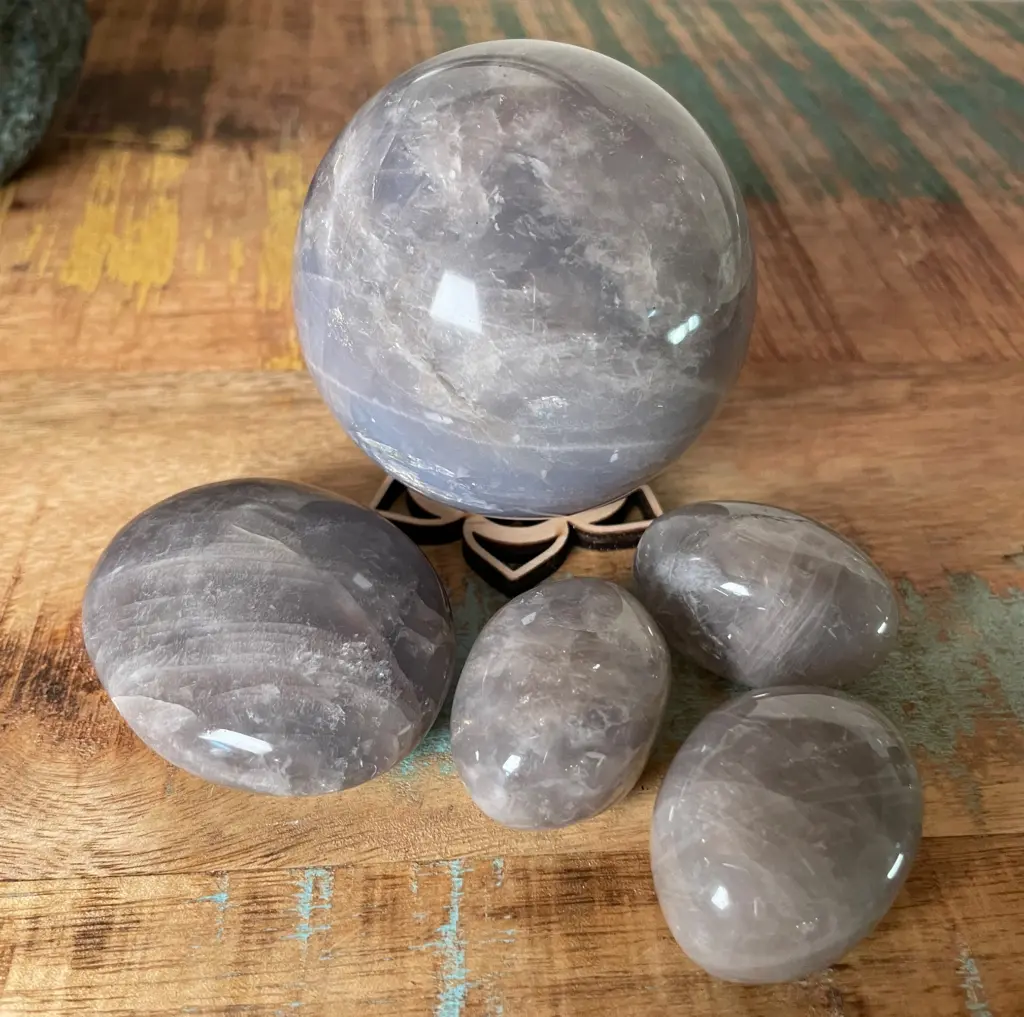
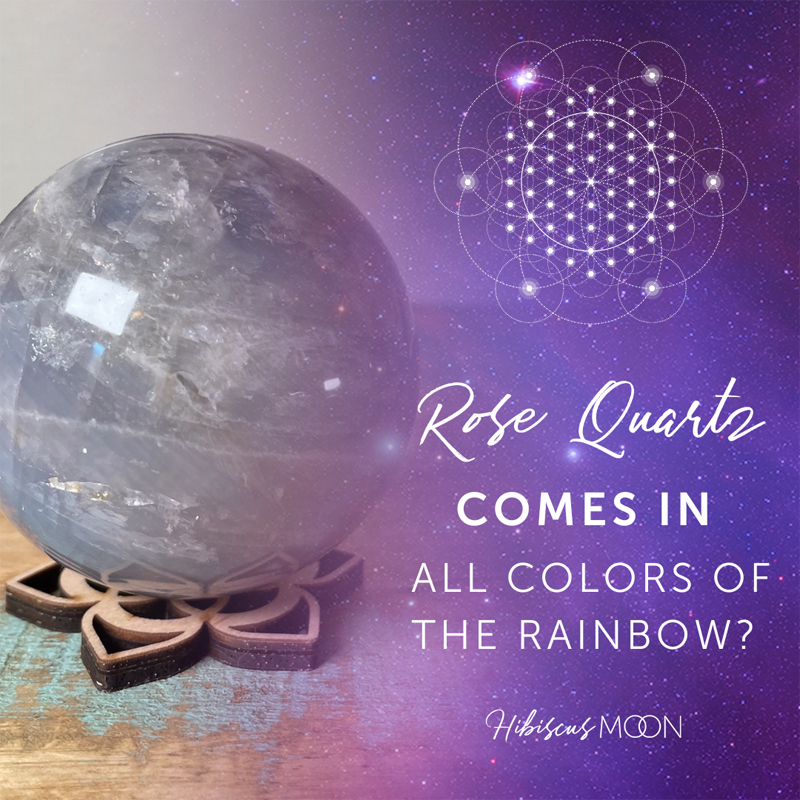
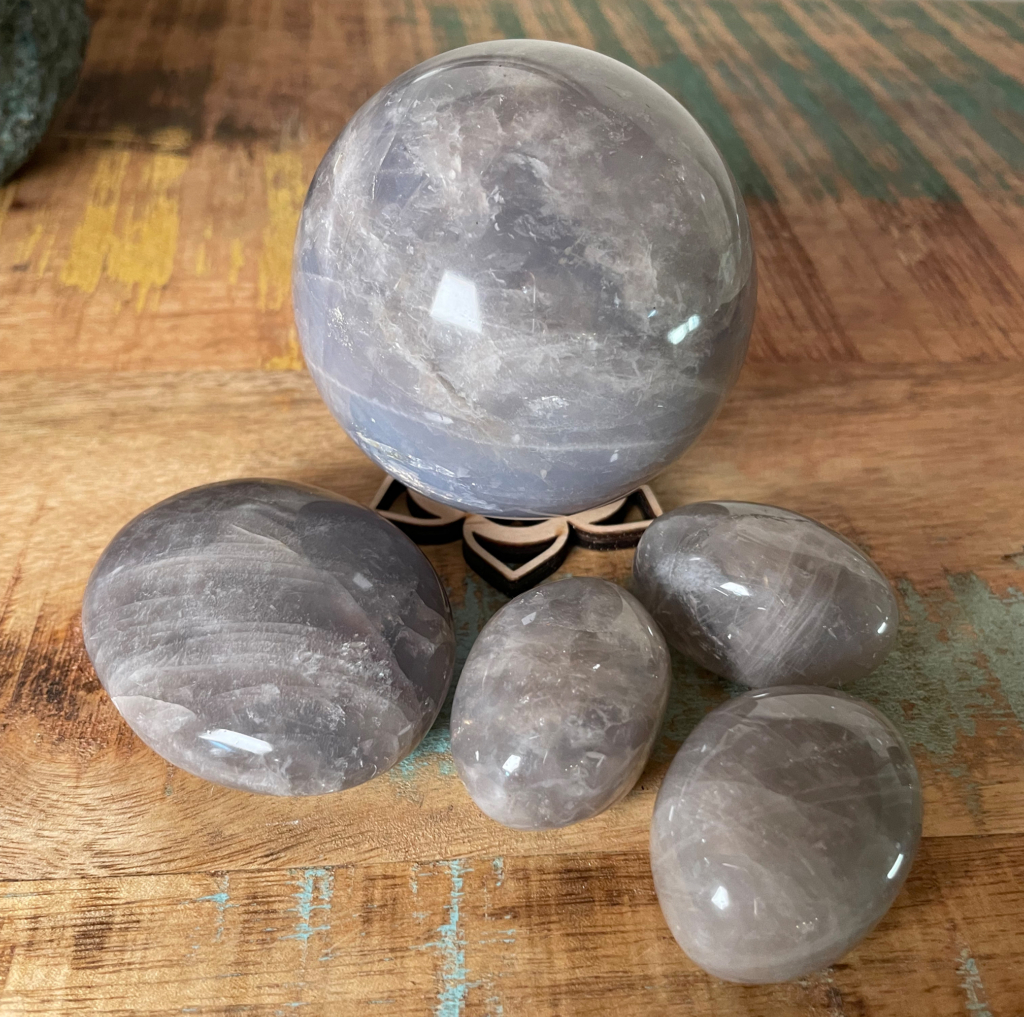
LOS ANGELES — In the ever-expanding global crystal and metaphysical market, a new trend is catching unwary buyers off guard. Across online marketplaces, boutique storefronts, and social media platforms, a distinct material labeled "Blue Rose Quartz"—often purportedly sourced from Madagascar—has surged in popularity. However, according to geologists, mineralogists, and veteran educators, this viral stone is not a rare variant of rose quartz at all. Instead, industry experts warn that consumers are paying premium prices for rebranding campaigns applied to lower-grade minerals, treated quartz, or, in some cases, glass.
The phenomenon highlights a persistent challenge within the wellness and mineral community: a lack of standardized nomenclature that leaves consumers vulnerable to marketing gimmicks, inflated price tags, and energetic confusion.
Main Facts: What is "Blue Rose Quartz"?
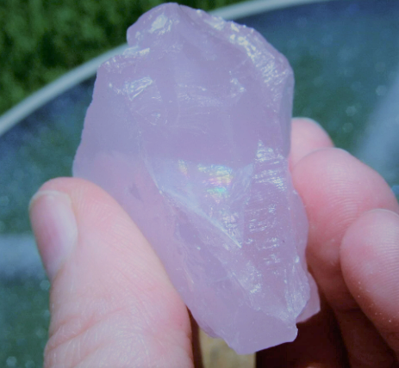
At the center of the controversy is a fundamental geological definition. True Rose Quartz is a pink variety of the mineral quartz ($SiO_2$). Its signature rosy hue is attributed by mineralogists to microscopic, fibrous inclusions of a mineral closely related to dumortierite embedded within the crystal matrix.
By definition, if a quartz specimen lacks this pink coloration and presents as blue, lavender, lilac, or even mottled black and blue, it cannot scientifically or mineralogically be classified as rose quartz.
Geological and gemological investigations into samples marketed as "Blue Rose Quartz" reveal several possibilities regarding their true identity:
Low-Grade Rose or Milky Quartz: Much of the material is simply lower-grade, heavily included, or hazy quartz that historically occupied the bottom tiers of wholesale grading systems (often graded informally as "D" or lower quality).
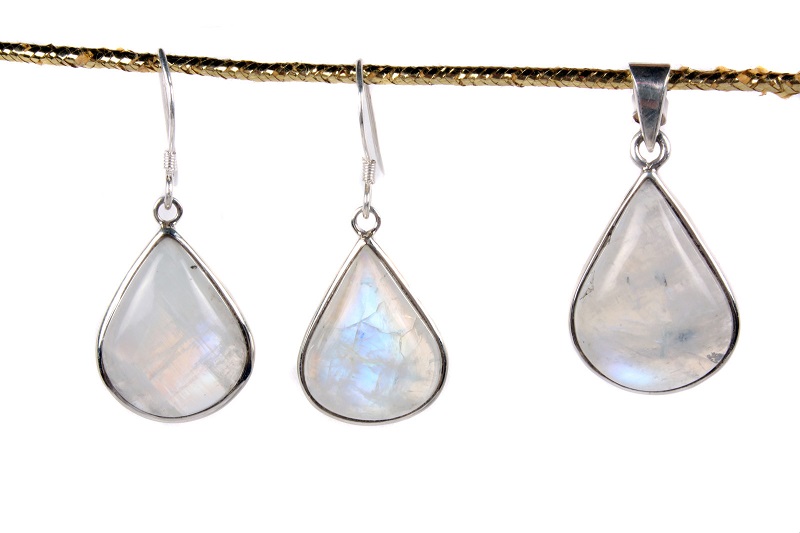
Girasol (Opalized Quartz): Some specimens exhibit a cloudy, bluish-white glow or ghost-like scattering of light known as the girasol effect. This occurs when silica solutions harden in empty cavities, sometimes naturally or via lab-forced processes, creating effects reminiscent of moonstone or opal.
Heat-Treated Amethyst: Low-grade amethyst subjected to high temperatures (above 932°F or 500°C) can bleach out traditional purple tones, leaving behind a milky, opalescent, or bluish appearance frequently sold as "neon blue quartz."
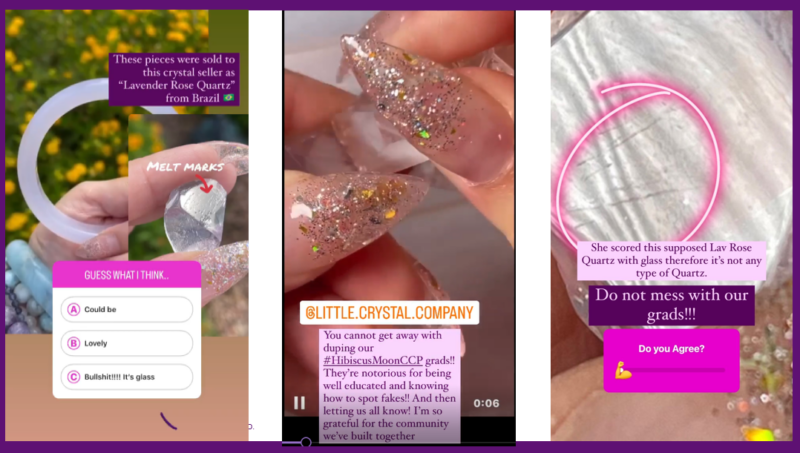
Imitation Materials: In more egregious cases, synthetic glass or composite materials are passed off to unsuspecting buyers under ethereal trade names.
Experts stress that while these stones may still hold personal or aesthetic value for collectors, labeling them as rare "Blue Rose Quartz" artificially inflates their market value based on sleight-of-hand marketing rather than intrinsic rarity.
Chronology of a Crystal Trend
The journey of "Blue Rose Quartz" from obscurity to viral market trend follows a predictable trajectory common in the modern digital age:
Pre-2010s (The Wholesale Reality): Hazy, pale, or off-color quartz and low-grade amethyst were treated as byproduct stones. Wholesalers routinely categorized them using traditional grading metrics (similar to the diamond industry’s AAA-to-D scale), selling them cheaply in bulk.
Early 2010s (The Rise of Counter-Education): Veteran educators and geology advocates began publishing foundational guides to identify crystal fakes, heat treatments, and mislabeled minerals, laying the groundwork for consumer advocacy.
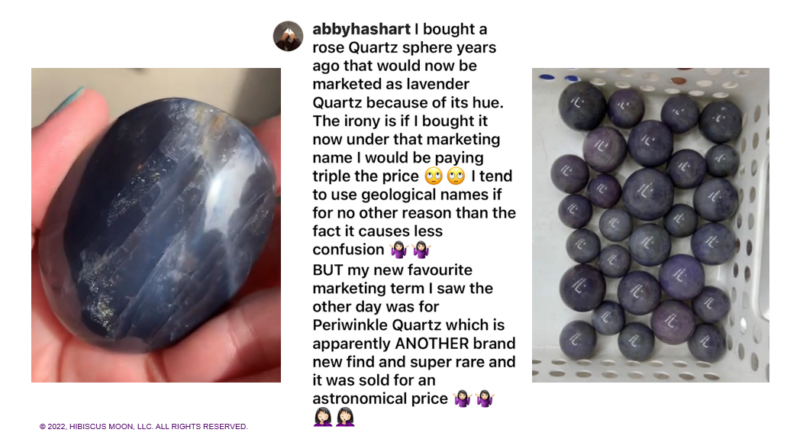
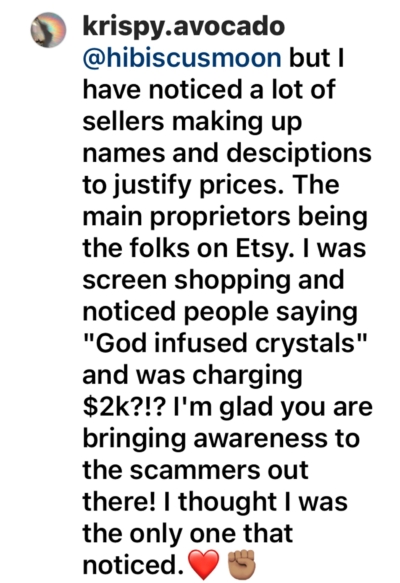
2022 (Market Saturation): A sudden influx of "Blue Rose Quartz" and "Black Rose Quartz" flooded online storefronts like Etsy, Instagram shops, and TikTok livestreams. Promoted heavily as rare, high-vibe spiritual tools, these items commanded prices drastically higher than their actual wholesale worth.
Late 2022 (Community Pushback): Certified crystal practitioners and advanced students began questioning the authenticity and geological origins of the stones. Independent mineral testing and community-led investigations exposed the marketing discrepancies, prompting public educational campaigns by leading crystal academies.
Supporting Data and Mineralogical Analysis
The exposure of "Blue Rose Quartz" has relied heavily on rigorous, science-backed investigation. Notably, independent mineral companies and specialized gemstone curators have taken the step of commissioning professional geological assay reports on trending market samples.
Mineralogical testing confirms that much of the material circulating under exotic trade names lacks the distinct chemical markers of authentic high-grade rose quartz. Instead, spectral and structural analyses point toward standard silicon dioxide matrices heavily laden with fluid inclusions, micro-fractures, or structural distortions that scatter light—producing the sought-after "blue" or "neon" sheen.
Historically, the crystal market utilized a letter-based grading scale. Under this system, translucent, milky, or poorly colored quartz variants were designated as lower grades (C or D). However, as the digital metaphysical market expanded, sellers discovered a lucrative loophole: renaming abundant, low-grade inventory with spiritual, ethereal, or impossible geological titles yields significantly higher profit margins than transparently selling them as low-grade quartz.
Official Responses and Expert Perspectives
The movement to curb misrepresentations is spearheaded by educators, authors, and alumni networks from institutions such as the Hibiscus Moon Crystal Academy.
"It’s been my gig all along this crystal journey to point out that there seemed to be a bit of an info-gap in our crystal community on some good, solid, easy-to-understand data regarding this sort of thing," notes a prominent voice in crystal education and former science department head with a Master’s degree in geology. "My goal is to educate our crystal community on what’s currently fooling us or being misrepresented on the market so we can make intelligent buying decisions."
Industry educators emphasize a vital distinction: calling out a stone as "low-grade" based on industry standards is not a condemnation of its energetic value. Many practitioners argue that lower-grade or uniquely altered stones can still deliver profound joy, aesthetic beauty, and energetic resonance.
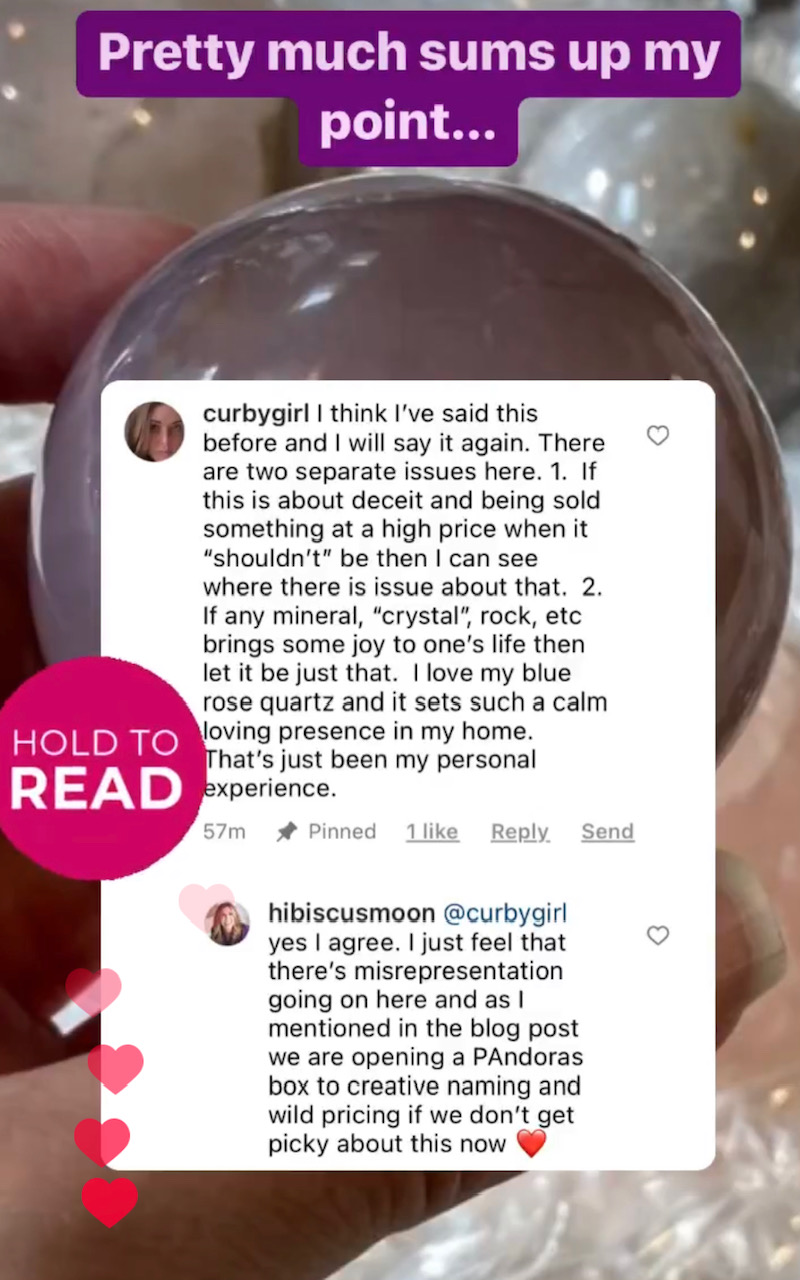
The core grievance is not the beauty or utility of the stone, but rather deceptive marketing. Rebranding common, inexpensive minerals under fictional or misrepresentative names—and charging luxury prices for them—exploits consumer trust.
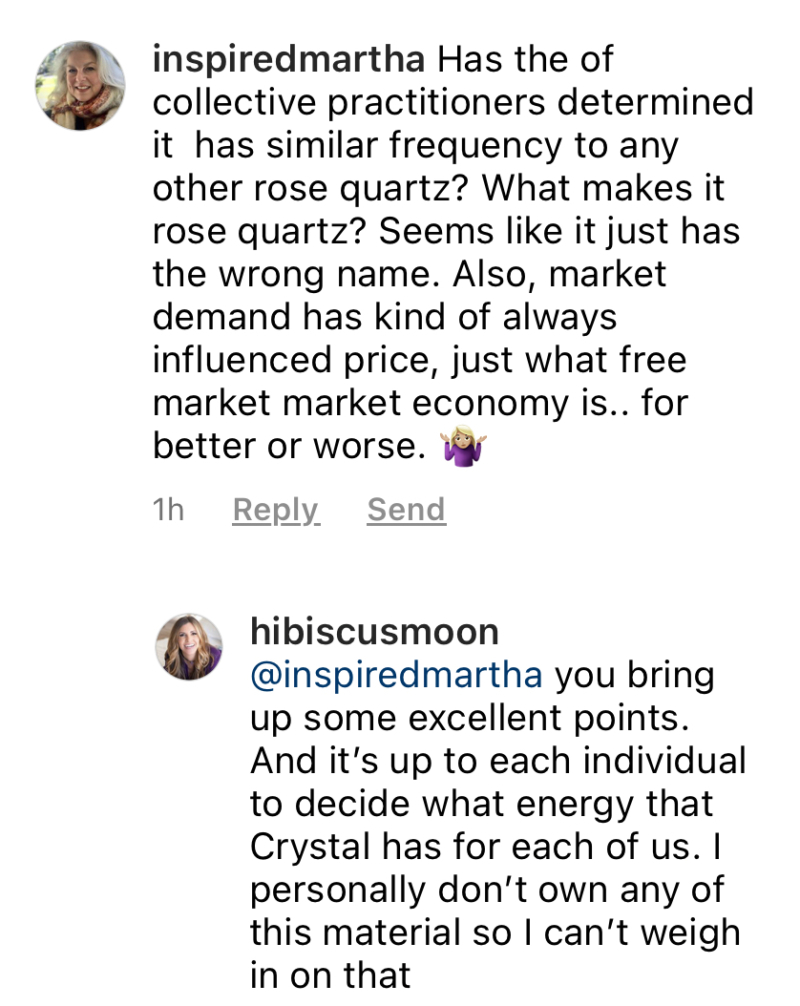
Furthermore, student networks and independent retailers have stepped forward to audit their own inventories. Collaborative investigations shared across social media platforms have empowered small-business owners to demand transparency from international wholesalers, refusing to pass fabricated trade names down to retail buyers.
Implications for Consumers and the Crystal Market
The proliferation of fabricated crystal names like "Blue Rose Quartz" carries significant implications for both buyers and the broader wellness industry:
1. Financial Exploitation
When common or low-grade minerals are marketed as rare geological anomalies, consumers pay inflated markups. Buyers effectively waste hard-earned money on marketing hype rather than material rarity.
2. Erosion of Trust
As consumers become increasingly educated and realize they have been misled by trendy names, trust in metaphysical retailers can plummet. Transparent sellers who invest in mineralogical education stand to gain, while dishonest vendors risk long-term reputational damage.
3. The Future of Crystal Nomenclature
Industry watchdogs warn that without collective consumer pushback, the market will likely see thousands of invented color-based quartz names in the coming years. This threatens to create a chaotic lexicon where scientific accuracy is entirely replaced by imaginative marketing terms.
4. Empowerment Through Education
The ultimate takeaway for the crystal community is self-defense through knowledge. Experts advise buyers to adhere to core protective principles:
Verify the Source: Purchase from reputable dealers who understand mineralogy and welcome questions about origin and treatment.
Question the Impossible: If a mineral’s color contradicts established geology (such as blue rose quartz or natural neon-colored variants), investigate further.
Look Beyond the Label: Rely on objective physical characteristics and common sense rather than emotional marketing copy.
As the crystal community continues to push for transparency, the message to buyers remains clear: You don’t know what you don’t know—until you know better. Armed with geological facts and a healthy dose of skepticism, modern crystal enthusiasts are proving that consumer education is the ultimate safeguard against market trickery.