By the Global Crystal Watch Desk Published: October 24, 2022
Main Facts
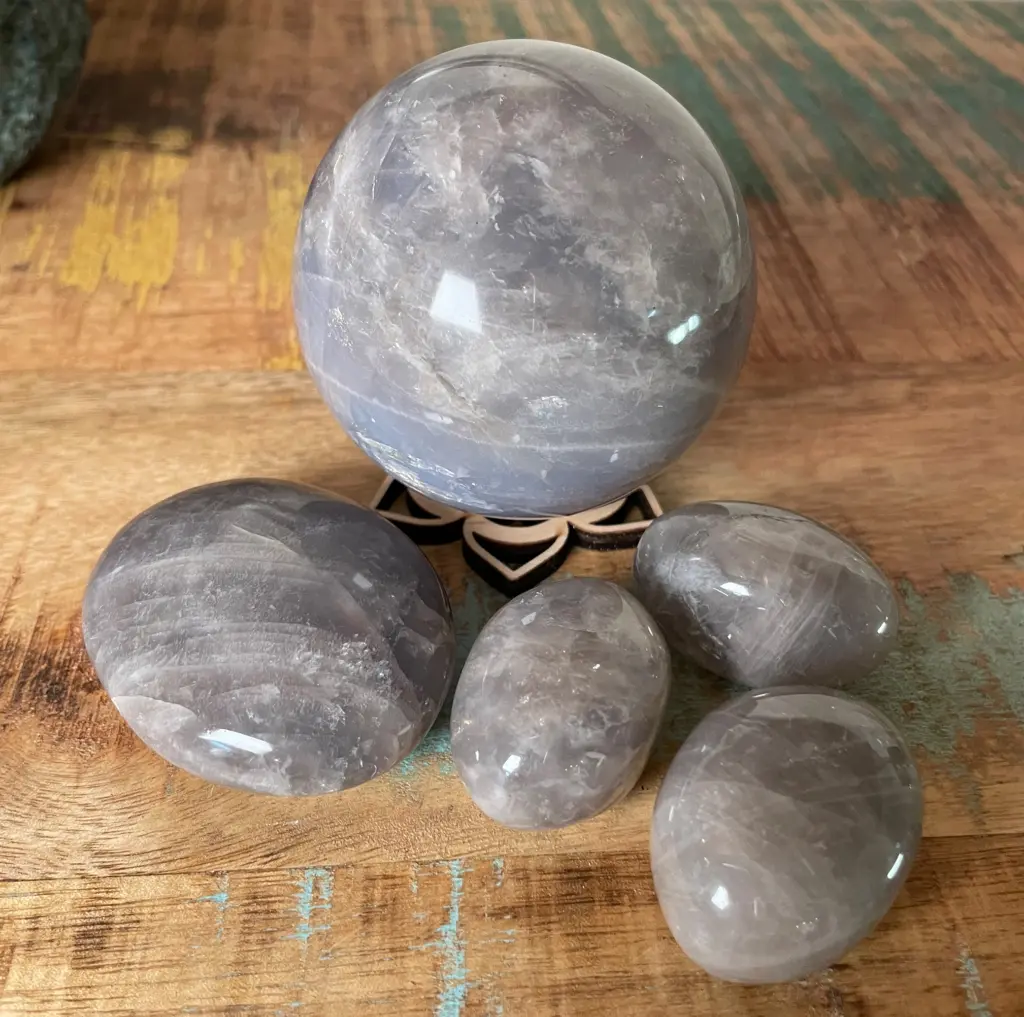
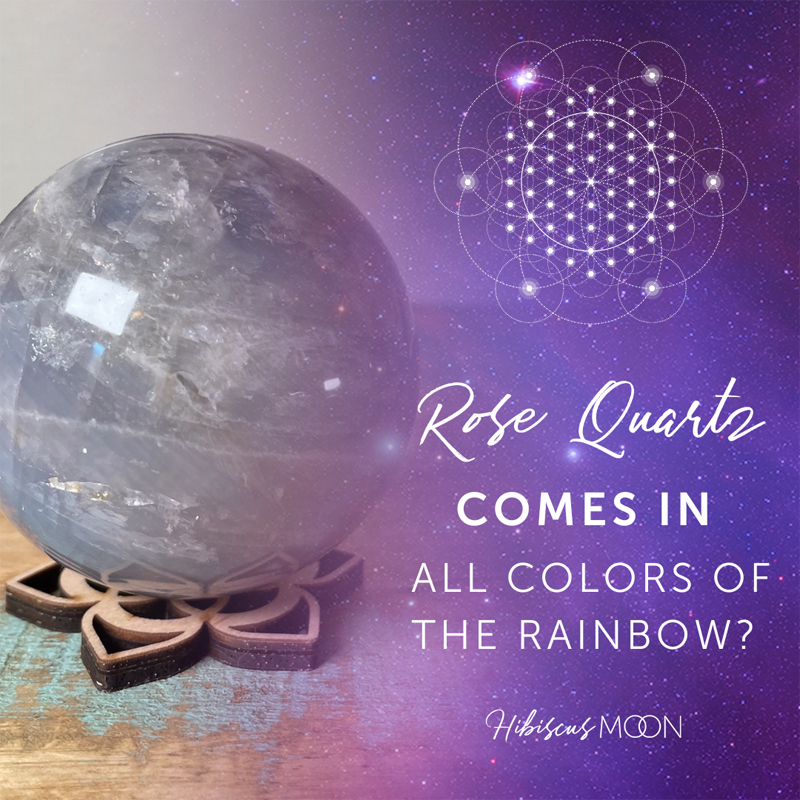
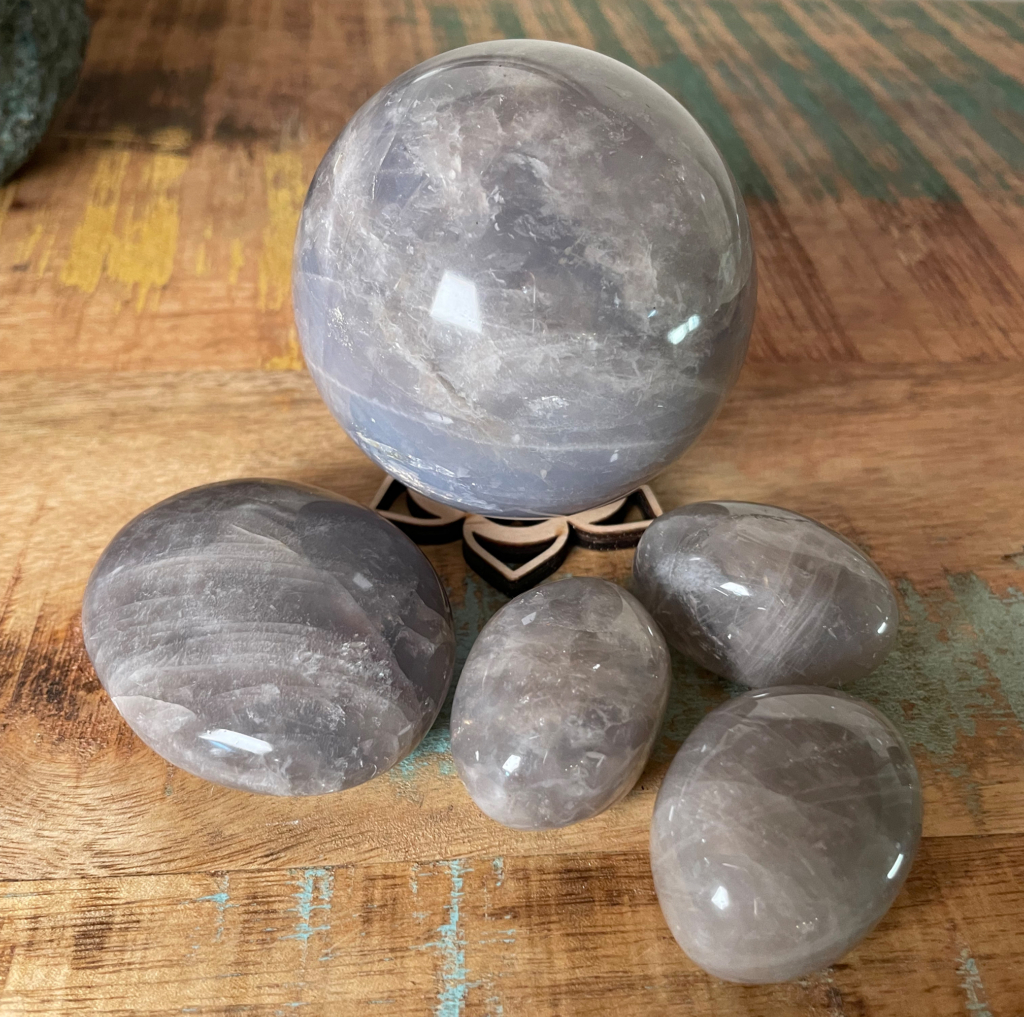
The global crystal and gemstone market is facing a sophisticated wave of rebranding, misrepresentation, and outright marketing trickery. At the center of this controversy is a mineral trade phenomenon colloquially marketed as "Blue Rose Quartz" (and, more recently, "Black Rose Quartz"). Touting exotic origins—most frequently cited as Madagascar—these stones have flooded online marketplaces, crystal boutiques, and social media feeds, capturing the imaginations and wallets of unsuspecting spiritual seekers.
However, according to geological experts, mineralogists, and veteran educators, these stones are not a rare, newly discovered geological variant of rose quartz. Instead, they represent a textbook case of re-branding lower-grade, highly abundant quartz materials with "spiritualized" or ethereal trade names to artificially inflate their market value.
Key facts established by mineral testing and geological consensus include:
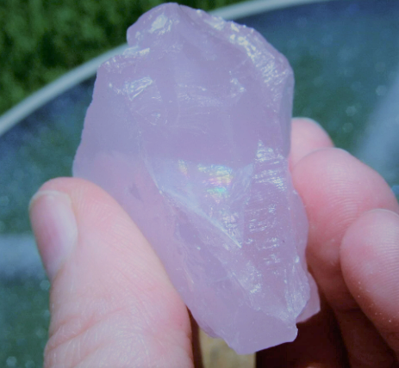
True Definition of Rose Quartz: By scientific definition, rose quartz is a pink variety of crystalline quartz whose coloration is caused by microscopic, fibrous inclusions of minerals closely related to dumortierite. By definition, if a quartz specimen lacks a dominant pink hue, it cannot scientifically be classified as rose quartz.
The Material Reality: Laboratory and geological assays of so-called "Blue Rose Quartz" often reveal it to be lower-grade, hazy quartz, pale or thermally altered amethyst, or silica-rich chalcedony exhibiting optical phenomena like the girasol effect (a milky, bluish-white internal glow caused by light scattering).
The Marketing Ploy: Industry insiders point out that materials matching these descriptions have been known to geology for decades. Historically categorized by traditional gemstone-grading scales (akin to diamond grading, ranging from "AAA" down to "D"), these lower-tier, milky, or translucent stones were traditionally sold at nominal prices. Rebranding them with exotic, trending names allows vendors to bypass standard grading and command luxury prices.
Chronology of an Industry Trend
The trajectory of the "Blue Rose Quartz" phenomenon highlights how modern e-commerce, social media algorithms, and aesthetic trends can rapidly distort consumer understanding of natural earth sciences.
Pre-2010 (The Baseline): Pale, hazy, or grayish-purple quartz variants—often grading on the lower end of commercial mineral scales—were routinely treated as low-grade amethyst or common milky quartz. These stones were mined abundantly, sold cheaply in bulk, and rarely commanded high interest in the metaphysical community.
2010 (The Genesis of Fake-Busting): Veteran educators and geology specialists began launching structured educational campaigns and blog series aimed at identifying market fakes, heat-treated stones, and synthetic mineral alterations to protect consumers from financial exploitation.
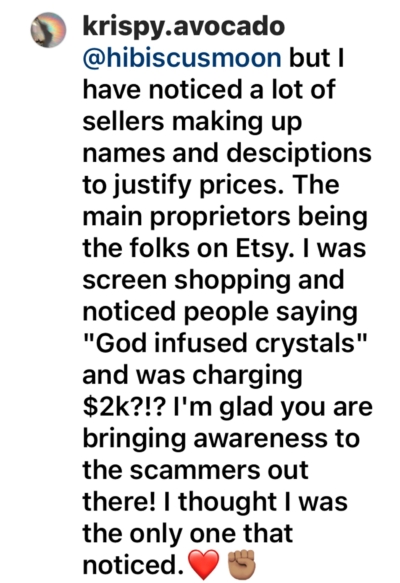
Late 2021 to Mid-2022 (The Surge): A sudden influx of uniquely tinted specimens began appearing across digital storefronts, particularly on Instagram, TikTok, and Etsy. Marketed aggressively as "Blue Rose Quartz from Madagascar," the stones sparked widespread confusion among crystal practitioners trying to achieve consistent energetic results.
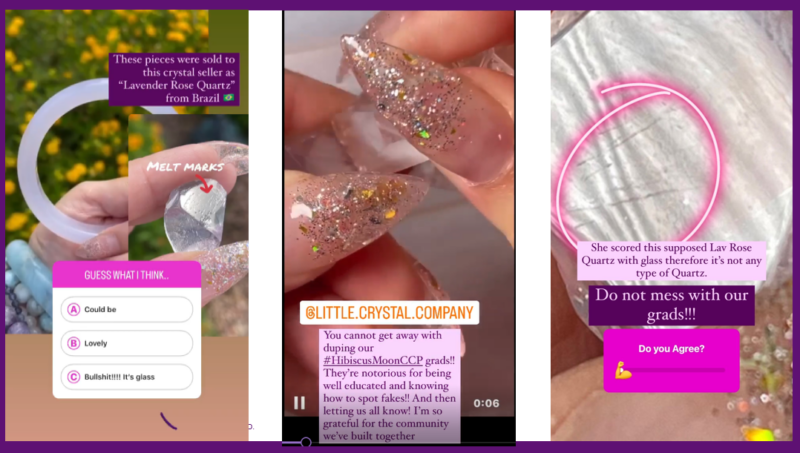
September–October 2022 (Community Investigations): Certified crystal practitioners, gemological students, and independent crystal business owners began sounding the alarm. Independent mineral testing was commissioned by progressive retailers to analyze the atomic and chemical composition of the trending stock.
Late 2022 to Present (The Counter-Movement): Educational platforms, including crystal academies and watchdog groups, mobilized to publish deep-dive analyses, sparking conversations across the metaphysical community about the ethical boundaries of mineral marketing.
Supporting Data and Mineralogical Analysis
To understand why "Blue Rose Quartz" is a misnomer, one must examine the baseline geology of quartz and associated optical phenomena.
1. The Science of Color and Impurities
Quartz ($textSiO_2$) is one of the most abundant minerals on Earth. Pure quartz is colorless and transparent (known as rock crystal). The introduction of trace elements and micro-inclusions during crystallization creates various colored varieties:
Amethyst: Colored by trace amounts of iron ($textFe^3+$) subjected to natural irradiation.
Rose Quartz: Colored by microscopic, oriented nanofibrous inclusions (often containing dumortierite or related titanium/manganese complexes).
When dealers market a stone with blue, grayish-blue, or smoky-black undertones as "Blue Rose Quartz," they are invoking a biochemical impossibility. Without the characteristic pink chromophore, the stone fails the fundamental definition of rose quartz.
2. The Girasol Effect Explained
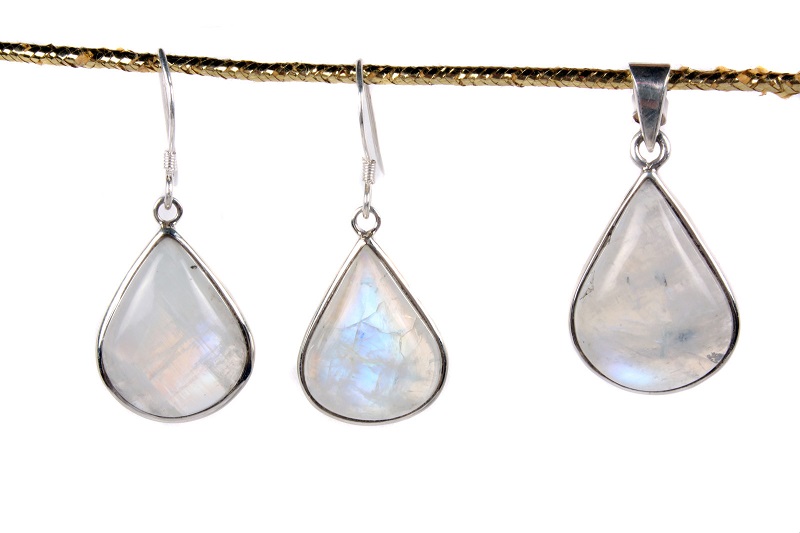
Much of the material sold under the "blue" moniker actually displays the girasol effect. Derived from the Italian word for "turning sun" (sunflower), girasol in mineralogy refers to a milky, translucent stone—often opalized quartz or low-grade chalcedony—that exhibits a floating, ghostly bluish-white glow or sheen when light passes through it.
This is not a pigment, but an optical illusion caused by light diffraction and scattering off microscopic water droplets or structural imperfections within the silica matrix. While visually striking, it has nothing to do with the mineralogical makeup of rose quartz.
3. Laboratory Assays
Independent mineral testing conducted by specialized metaphysical retailers (such as Little Lemuria) has consistently demonstrated that these trending specimens comprise standard macrocrystalline quartz and low-grade silicate matrices, completely devoid of the specific inclusion profiles that define authentic, high-grade pink rose quartz. In some extreme instances, entirely synthetic glass or heavily heat-treated low-grade amethyst (subjected to temperatures exceeding 932°F / 500°C to bleach out unwanted yellow or brown tones) have been passed off under exotic trade names.
Official Responses and Industry Perspectives
The rise of pseudoscientific trade names has fractured the crystal-selling community, drawing sharp contrasts between profit-driven vendors and education-first practitioners.
The Educator’s Stance
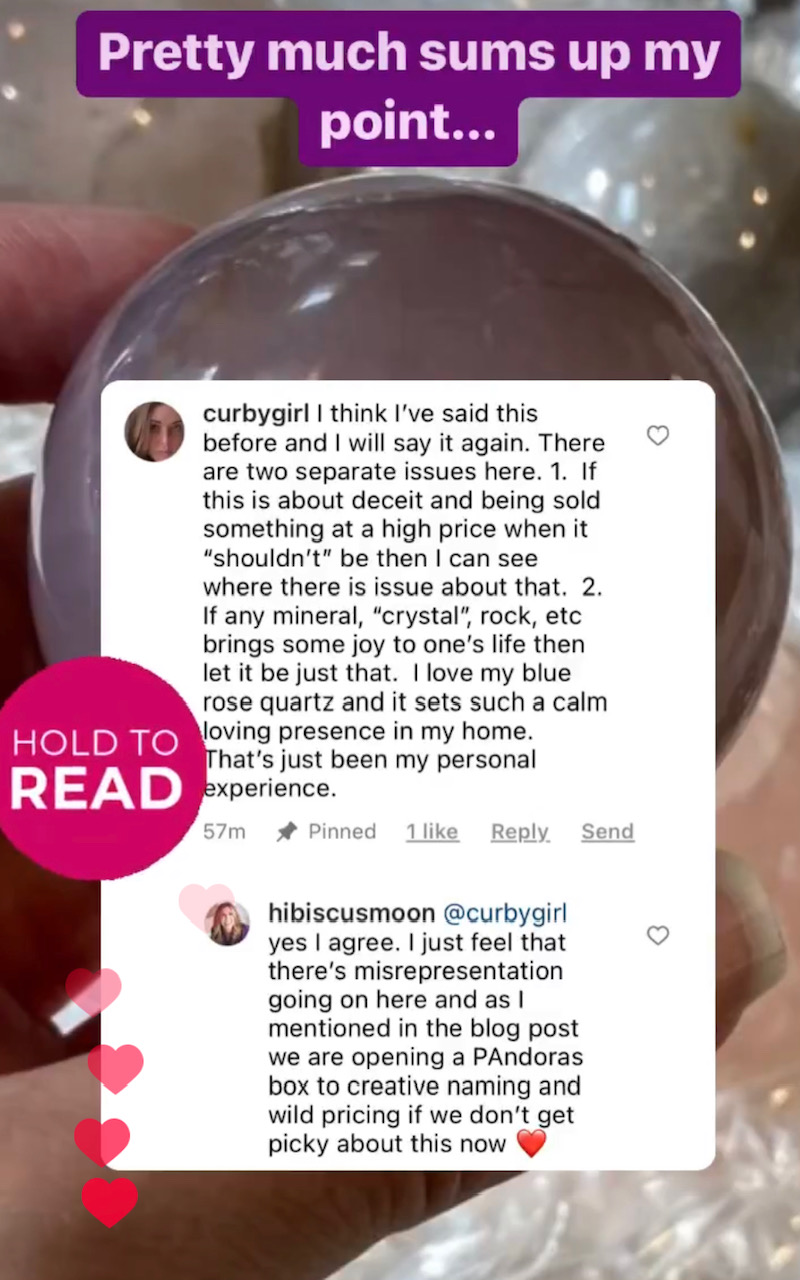
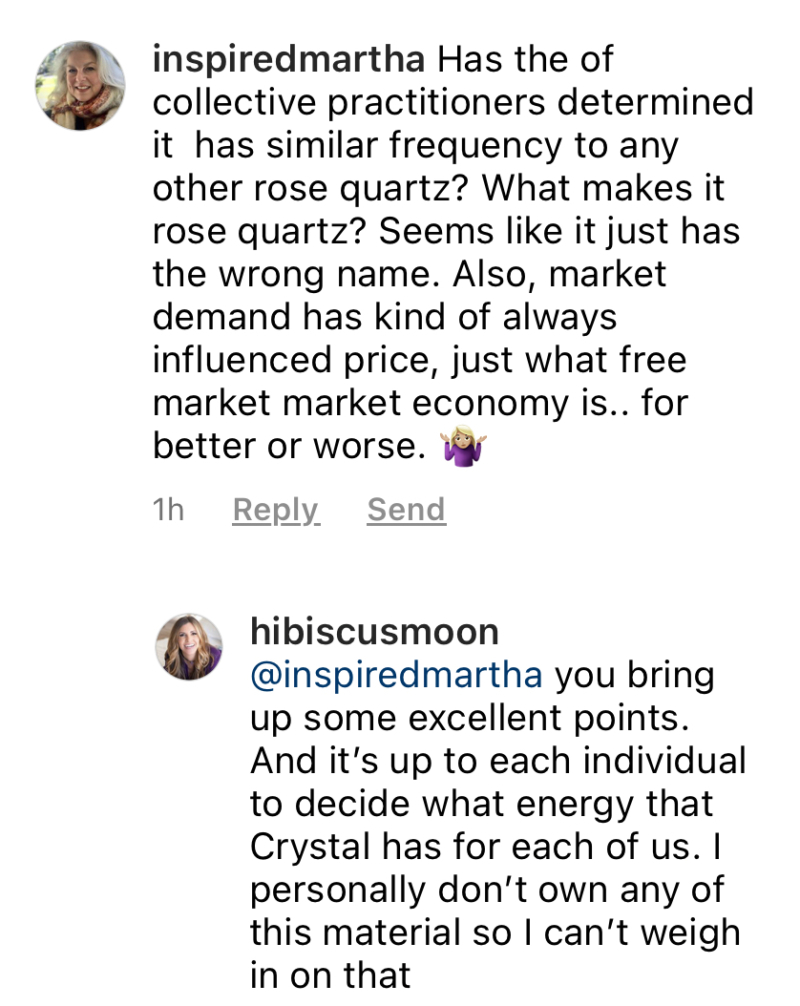
Prominent figures in the crystal education space, including former science department heads, geology post-graduates, and academy founders, have taken an aggressive stance against the trend. Experts emphasize that while low-grade or unusual quartz variants can still hold deep personal and energetic value for practitioners, the deliberate mislabeling and price-gouging represent a breach of consumer trust.
"This, for the most part, is low-grade quartz! In my humble opinion, it seems obviously more lucrative to forgo the standard grading system and rename it something ‘spiritual’ and ethereal to maximize profits," notes one leading crystal educator.
The Retailer’s Dilemma
Ethical crystal shop owners face a difficult balancing act. Many small business owners, trained in professional certification programs, find themselves having to educate their own customer base. When informed that their favorite "rare find" is simply a renamed, abundant low-grade mineral, reactions vary from disappointment to empowered consumer awareness. Several progressive retailers have taken the unprecedented step of publishing laboratory assay reports directly on their websites to ensure complete transparency.
Implications for Consumers and the Market
The normalisation of imaginative marketing names for common minerals carries significant implications for the broader crystal, mineral, and metaphysical communities.
1. Economic Exploitation
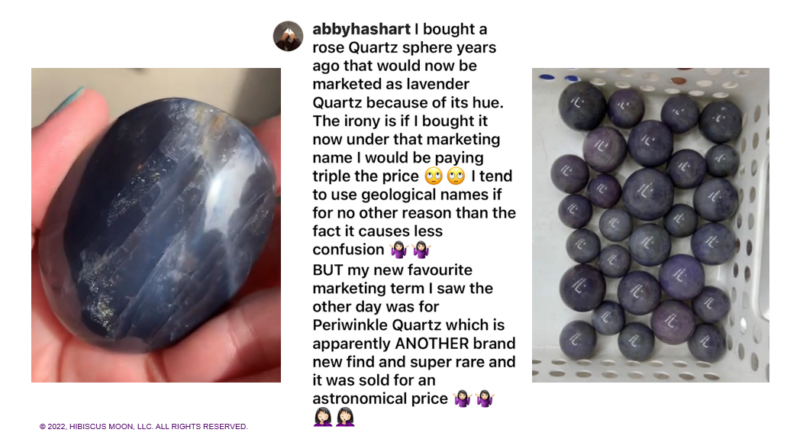
When common minerals are rebranded with rare, mystical titles, prices skyrocket. Consumers end up paying premium rates for abundant earth materials that cost pennies to source wholesale. This practice drains resources from buyers under the guise of acquiring rare energetic tools.
2. Dilution of Scientific Literacy
The proliferation of terms like "Blue Rose Quartz," "Black Rose Quartz," and "Neon Moon Quartz" threatens to erode basic geological literacy. When spiritual communities detach from objective earth science, they become increasingly vulnerable to scams, synthetic alterations sold as natural wonders (such as aura-coated quartz or grown-in-lab bismuth matrices disguised as native formations), and false metaphysical properties assigned to manufactured traits.
3. The Shift Toward Self-Reliance and Education
Conversely, the silver lining of this controversy is a powerful grassroots movement toward consumer empowerment. Independent crystal practitioners are increasingly turning to rigorous study, geological reference texts, and peer-reviewed mineral verification.
As veteran educators step back from active daily instruction, the responsibility of maintaining market integrity is passing directly to a vigilant "Crystal Family" of certified practitioners and informed buyers. The consensus moving forward is clear: Buyer beware, question attractive trade names, demand transparency, and rely on foundational earth science rather than marketing hype.