By the Investigative Desk Published: Crystal Community News & Insights
Main Facts: The "Blue Rose Quartz" Phenomenon
The global crystal and mineral market is facing a wave of modern marketing gimmicks, mislabeled specimens, and outright fabrications. At the center of this controversy is a surging market trend: "Blue Rose Quartz."
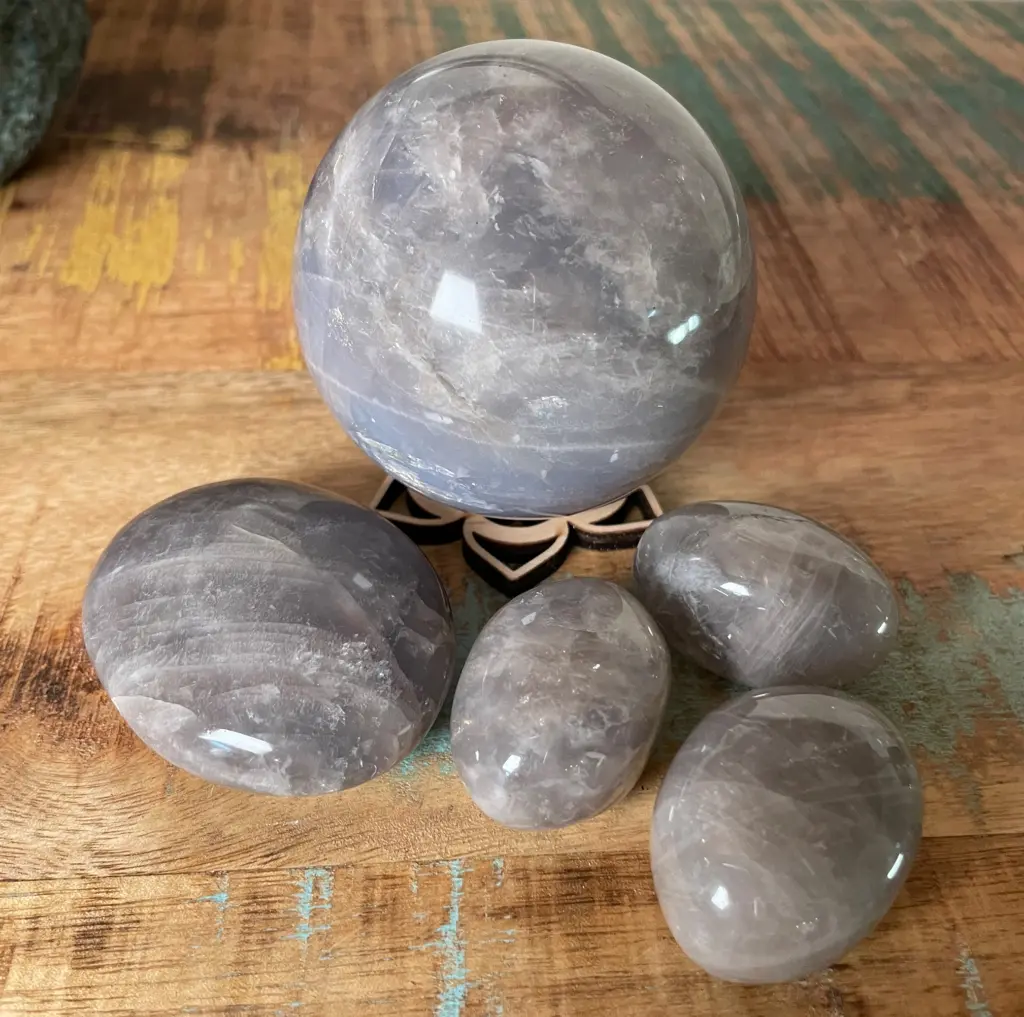
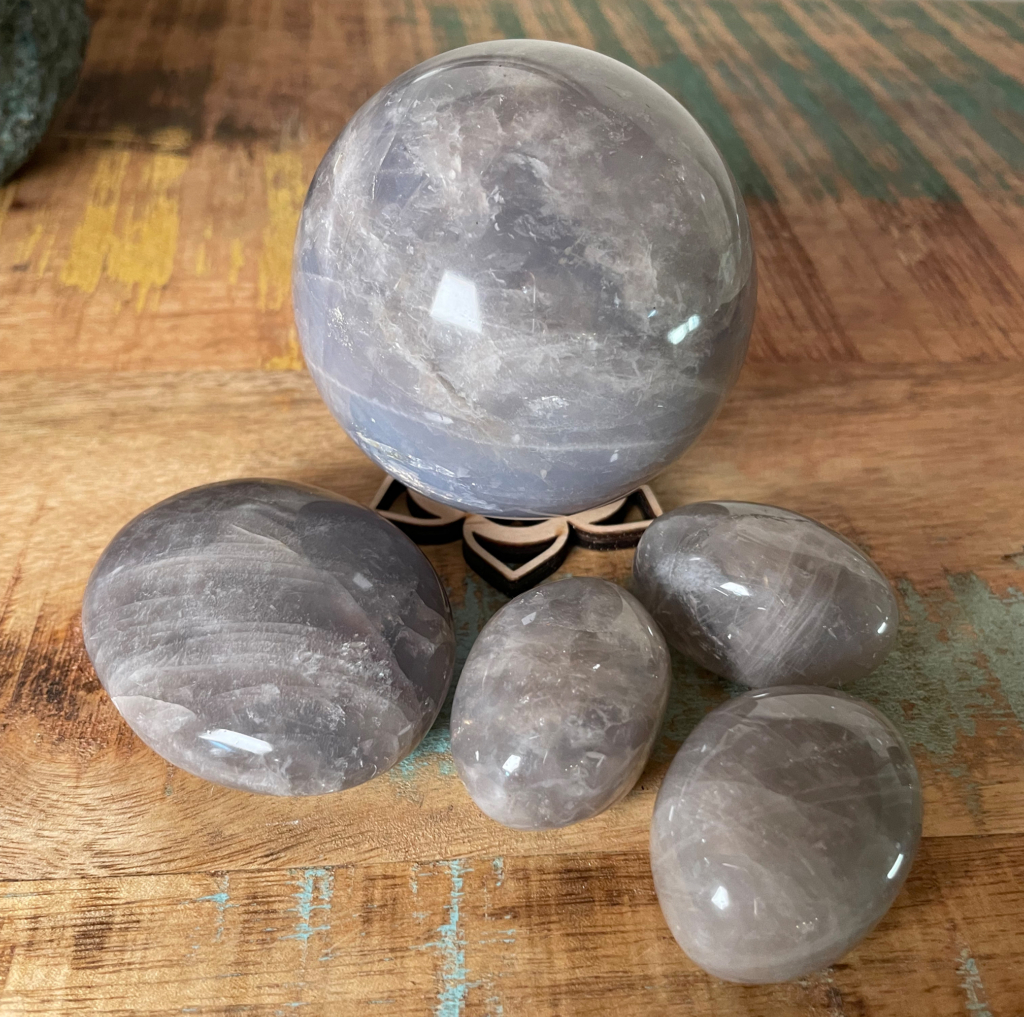
Marketed aggressively across social media platforms and online storefronts—often purported to originate from Madagascar—this material has captured the attention of crystal enthusiasts worldwide. However, according to geologists, mineralogists, and veteran educators, "Blue Rose Quartz" is a scientific impossibility and a masterclass in marketing sleight-of-hand.
By definition, true rose quartz owes its signature pink hue to microscopic, nanofibrous mineral inclusions—specifically, a pink variety of quartz tinted by a mineral closely related to dumortierite. In mineralogical terms, quartz that lacks a pink coloration cannot, by definition, be classified as rose quartz.
Investigations into samples circulating in the market reveal that what is being sold at inflated prices as "Blue Rose Quartz" is typically:
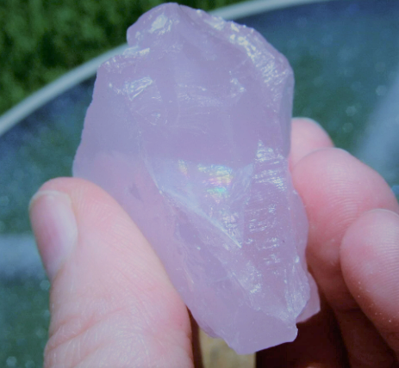
Low-grade, milky quartz or pale amethyst.
Silica-based stone exhibiting the "girasol" effect (a cloudy, bluish-white or ghost-like glow caused by light scattering, akin to opalized quartz).
In some cases, treated glass or heat-treated low-grade quartz subjected to extreme temperatures (exceeding 500°C) to alter optical properties.
Far from being a rare, newly discovered geological marvel, this material has long been recognized by the gem trade as lower-tier, commercially abundant stock. However, by discarding traditional grading systems—such as alphabetical scales ranging from AAA (highest) to D (lowest)—vendors have capitalized on spiritual and ethereal buzzwords to rebrand inexpensive inventory and artificially inflate prices.
Chronology: How the Trend Unfolded
The widespread confusion surrounding "Blue Rose Quartz" did not happen overnight. It is the result of a calculated shift in online mineral marketing over the past several years.
Early 2000s–2010s (The Traditional Trade Era): Pale, hazy, or low-clarity quartz and amethyst variants were commonly categorized by wholesale traders and independent sellers as low-grade or "C/D grade" material. These stones were traded affordably and labeled transparently. Concurrently, veteran educators like Hibiscus Moon began publishing foundational guides to combat crystal fakes and misrepresentations.
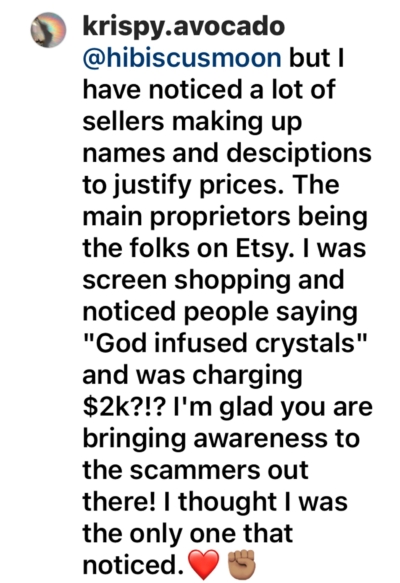
The Rise of Social Media Commerce: As crystal sales transitioned from physical rock shops to Instagram, TikTok, and Etsy, visual aesthetics began to outweigh geological accuracy. Rare-sounding, spiritually charged names began replacing standardized mineralogical classifications.
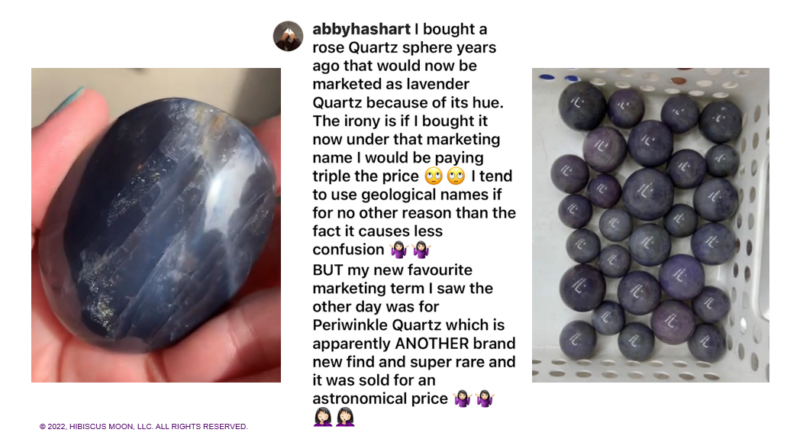
Late 2021–2022 (The "Blue Rose Quartz" Surge): A sudden influx of grayish-blue to lavender stones allegedly sourced from Madagascar flooded online markets. Certified Crystal Practitioners (CCPs) and vigilant student networks began flooding crystal educators with inquiries regarding this "new find."
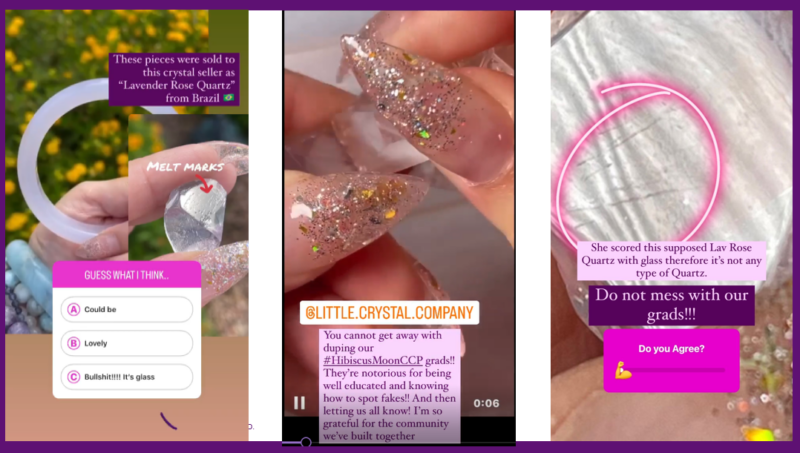
Late 2022 (Community Investigation and Testing): Independent organizations and mineral retailers, such as Little Lemuria, commissioned formal geological assay reports to test the chemical composition of the circulating material. Concurrently, crystal educators and community watchdogs launched digital campaigns—including dedicated Instagram highlights and educational blogs—to expose the rebranding of low-grade stock.
Present Day (The Ongoing Battle for Transparency): While community-led awareness has forced some vendors to alter their product descriptions, new variations—such as "Black Rose Quartz" and "Neon Blue Quartz"—continue to emerge, demonstrating that the cycle of rebranding shows no sign of slowing down.
Supporting Data and Scientific Analysis
To understand the mechanics behind this market trend, one must examine the underlying mineralogy.
1. The Chemistry of Quartz and Opalescence
Quartz ($SiO_2$) is one of the most abundant minerals on Earth. Its color variations are dictated by trace elements and structural imperfections.
True Rose Quartz: Tinted pink via dumortierite or related fibrous inclusions.
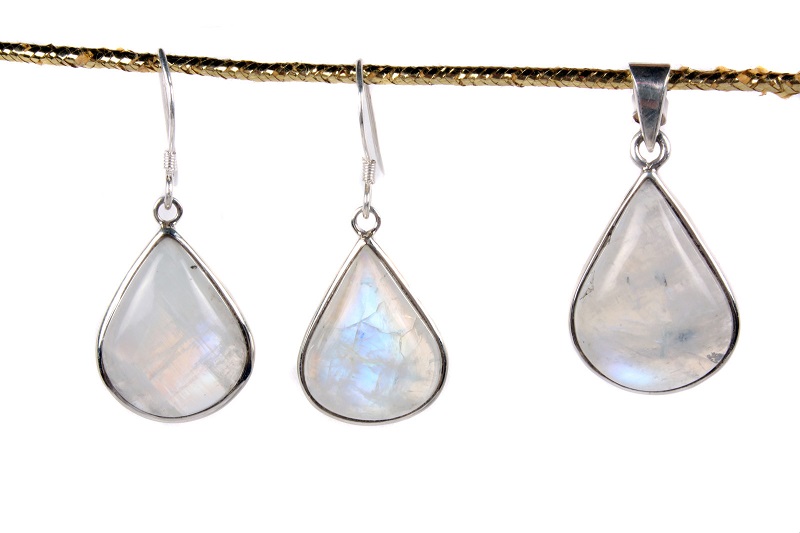
Girasol Quartz: Often confused with blue varieties, girasol is an opalized quartz where microscopic water droplets trapped within the silica matrix scatter light, producing a floating, milky-blue luminescence. This phenomenon can occur naturally or be artificially induced through intense thermal treatment.
2. Mineralogical Assays
Independent mineral testing conducted by specialized retailers (such as the geological assays published by Little Lemuria) confirms that much of the material traded as "Blue Rose Quartz" lacks the structural and chemical markers of true, high-grade rose quartz varieties. Instead, testing frequently aligns the specimens with basic macrocrystalline quartz matrices altered by inclusions, micro-fracturing, or thermal processing.
3. Historical Grading vs. Modern Marketing
In traditional gemstone and mineral markets, grading standards mirrored those of the diamond industry:
AAA Grade: Exceptional clarity, saturated color, and high structural integrity.
D Grade: Opaque, heavily included, hazy, or unevenly colored material.
In the past, D-grade quartz was sold at bulk, budget-friendly prices. The modern crystal market’s pivot away from these objective grading letters toward evocative, commercial names has created a lucrative loophole. By dubbing low-grade quartz "Blue Rose Quartz," sellers transform bargain-bin inventory into high-margin spiritual commodities.
Official Responses and Industry Perspectives
The proliferation of market misrepresentations has sparked significant discourse among gemologists, ethical retailers, and metaphysical educators.
The Educator’s Stance:
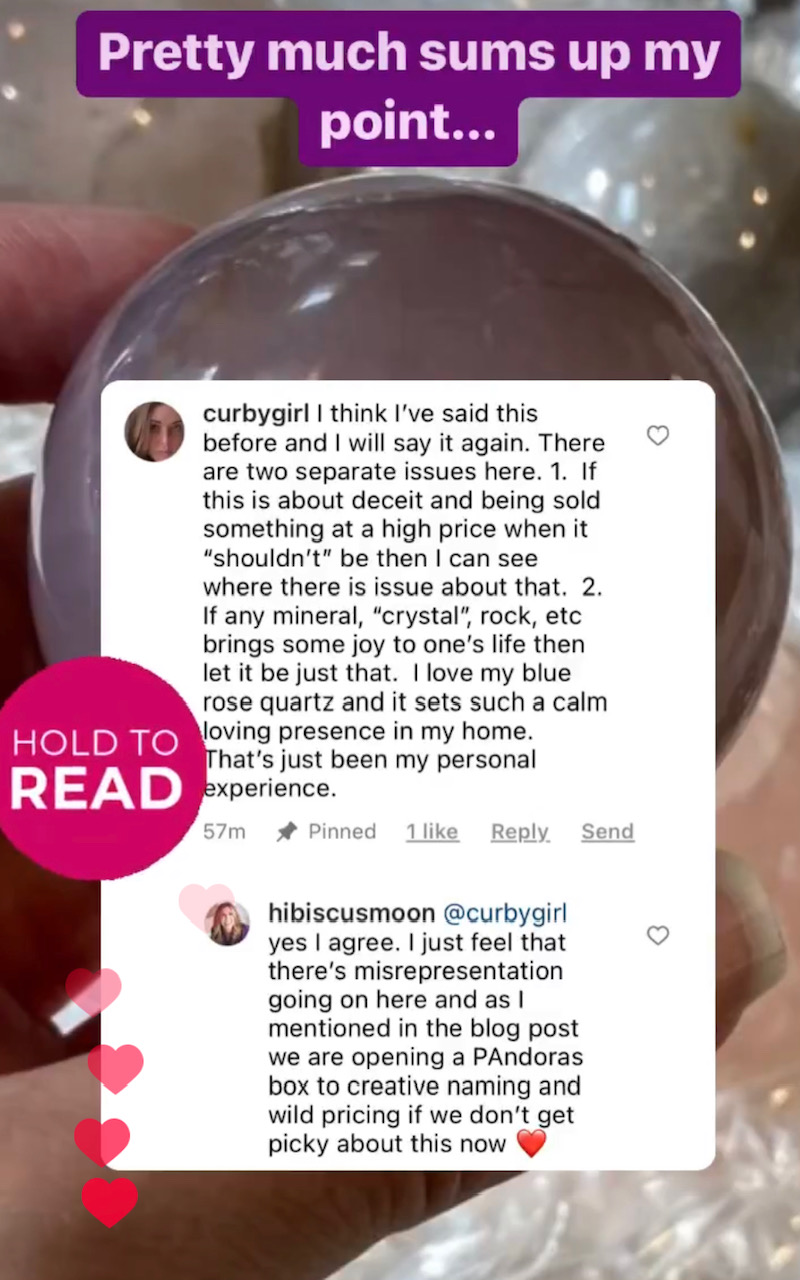
Industry veterans, including Hibiscus Moon—a former science department head, Masters-level geology scholar, and founder of the Hibiscus Moon Crystal Academy—have taken a firm stance against deceptive naming conventions.
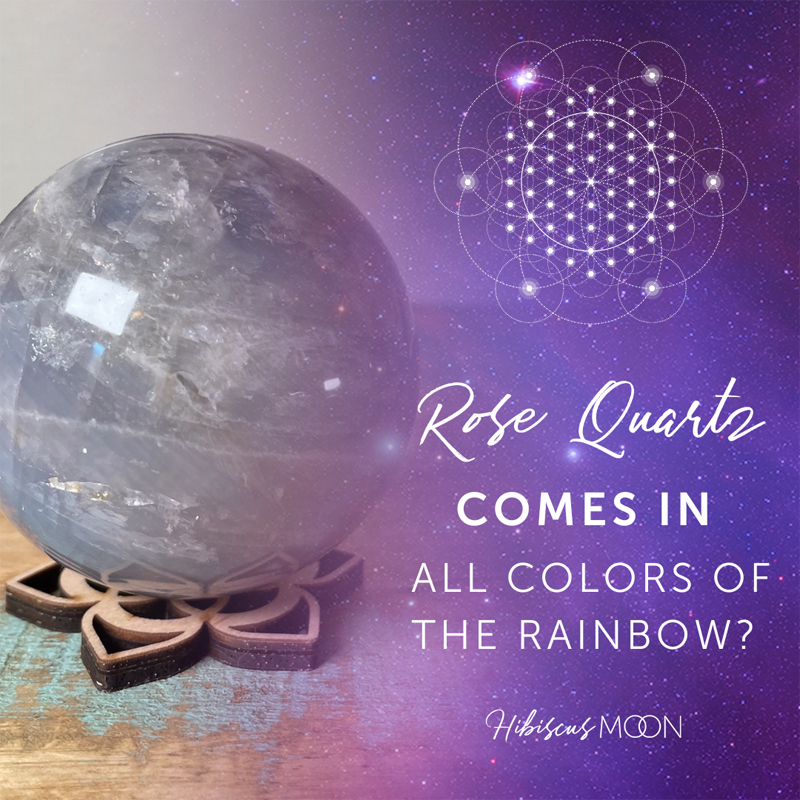
"This, for the most part, is D low-grade Rose Quartz! It seems obviously more lucrative to forgo the grading system and rename it something spiritual and ethereal," notes Moon.
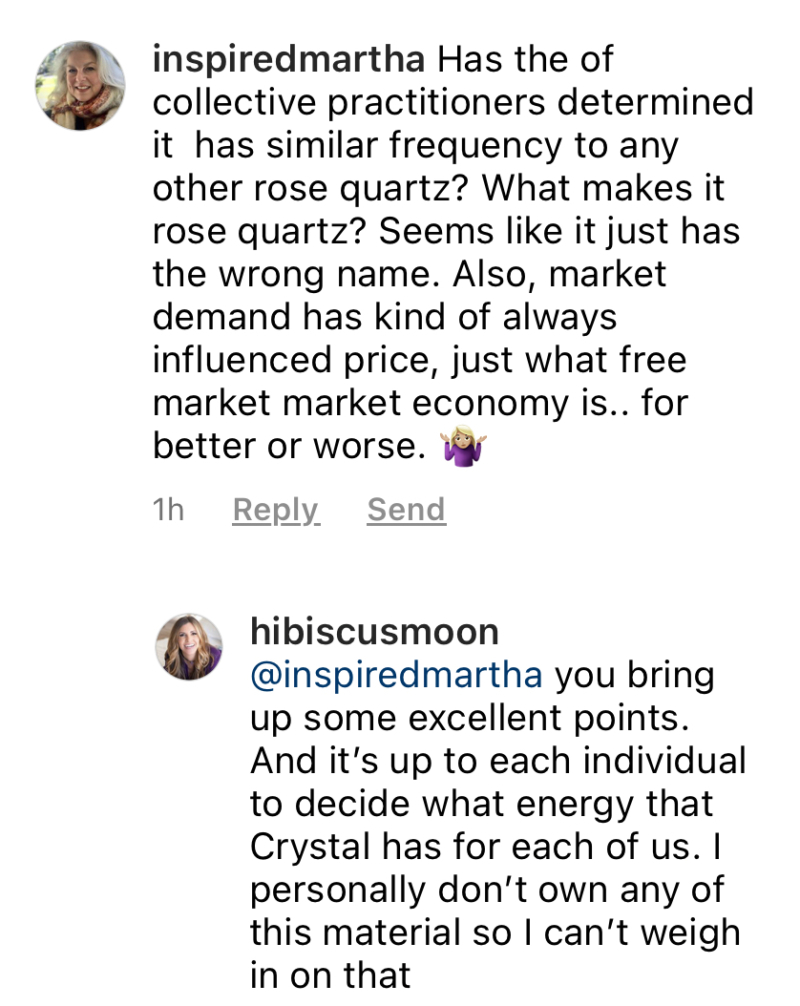
However, educators draw a careful distinction between commercial valuation and energetic value. Experts emphasize that labeling a stone as "low-grade" based on gemological standards does not diminish its personal or metaphysical utility for practitioners who resonate with the stone. The ethical grievance lies strictly in deceptive marketing, inflated pricing, and false origins.
The Retailer’s Response:
Ethical crystal businesses and certified practitioners have increasingly taken up the mantle of accountability. By conducting independent mineral testing, publishing transparent assay reports, and openly debating nomenclature on social media, conscientious vendors are pushing back against wholesale suppliers who distribute mislabeled goods.
Community Watchdogs:
Student networks—such as graduates of certified crystal practitioner programs—have emerged as the primary frontline defense. By refusing to let deceptive marketing pass unchecked, these communities actively pressure online marketplaces to correct misleading listings.
Implications for Consumers and the Crystal Market
The widespread circulation of mislabeled minerals like "Blue Rose Quartz" carries significant implications for both the metaphysical community and the broader gem trade.
1. Financial Exploitation of Consumers
When common or low-grade minerals are rebranded with exotic, fabricated names, consumers are routinely overcharged. Buyers invest hard-earned money into specimens under the false impression that they are purchasing rare, premium-grade geological anomalies.
2. Erosion of Trust and Scientific Literacy
The continuous invention of unscientific trade names—such as "Black Rose Quartz," "Neon Blue Quartz," and various other color-appended quartz titles—threatens to sever the connection between crystal enthusiasts and actual earth science. Without reliable nomenclature, consumers struggle to understand what they are purchasing, leading to widespread confusion and inconsistent energetic results.
3. The Burden of Responsibility Shifts to the Buyer
With regulatory oversight largely absent in the metaphysical crystal trade, the burden of protection falls squarely on consumer education. Experts advise buyers to adhere to core protective measures:
Verify Seller Credibility: Purchase from transparent, knowledgeable vendors who provide clear sourcing and composition data.
Question "Too Good to Be True" Claims: Be skeptical of newly discovered, highly unusual color variations of common minerals (like blue or black variants of pink-specific stones).
Prioritize Education Over Hype: Equip yourself with basic geological knowledge to independently assess mineral claims.
As the market continues to evolve, the collective vigilance of the "Crystal Family" remains the most effective tool against commercial trickery. Empowered by science and shared knowledge, educated buyers can ensure that the appreciation of Earth’s natural wonders remains grounded in truth.