

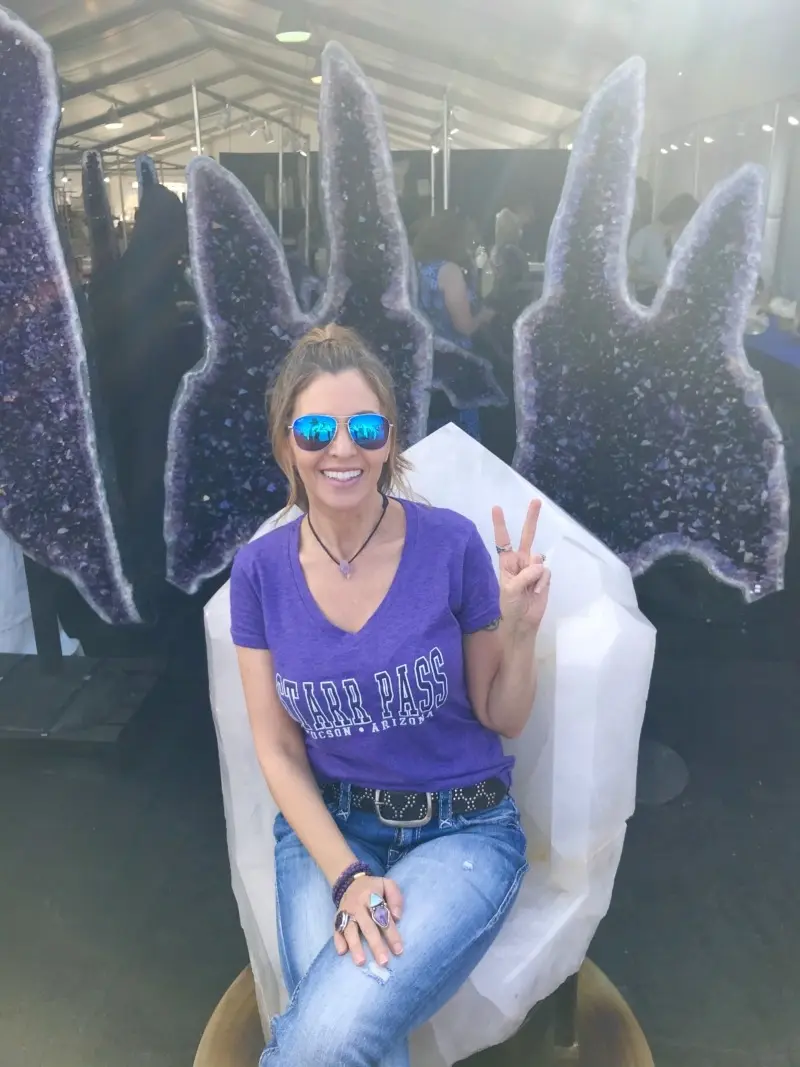
For mineral enthusiasts, holistic practitioners, and professional lapidaries worldwide, attending one of the globe’s premier gem and mineral expos is the ultimate bucket-list adventure. These massive gatherings are far more than traditional trade shows—they are immersive cultural events, global marketplaces, and spiritual pilgrimages rolled into one.
To help prospective attendees navigate these colossal events, Team HM member and Crystal Coach Lisa recently broke down the definitive comparison between North America’s two undisputed giants: the Tucson Gem, Mineral & Fossil Showcase and the Denver Gem and Mineral Show. Whether you are looking to source high-end inventory for a crystal business, source rare mineral specimens for a private collection, or simply soak in the unmatched energetic vibes of thousands of tons of earth-grown wonders, understanding the nuances of each show is the key to a successful journey.
Main Facts: The Titans of the Mineral World
When discussing the premier destinations for crystal lovers, the conversation invariably centers around two massive pillars: the Tucson Gem and Mineral Show in Arizona and the Denver Gem and Mineral Show in Colorado.
While both events draw international vendors, curators, scientists, and casual buyers, they offer distinct experiences shaped by their geography, scale, and organizational structures.
- The Tucson Showcase: Spanning multiple weeks across dozens of independent venues throughout the city of Tucson, Arizona, this event is widely considered the largest gem, mineral, fossil, and meteorite show in the world. It transforms an entire desert metropolis into a sprawling labyrinth of tents, hotel rooms turned pop-up shops, and convention centers.
- The Denver Show: Taking place against the backdrop of the Rocky Mountains, the Denver Gem and Mineral Show offers a more centralized, highly concentrated experience. While still immense, it typically operates out of major convention facilities, making it slightly more navigable for first-time visitors who might feel overwhelmed by Tucson’s city-wide footprint.
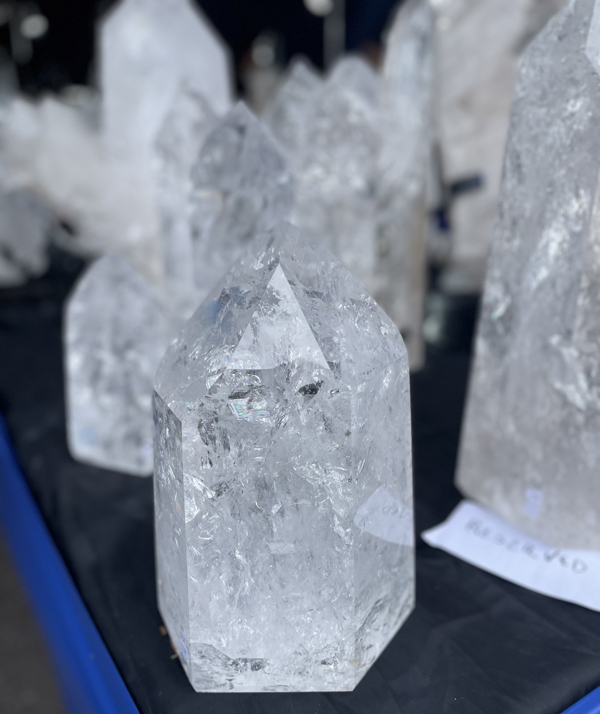
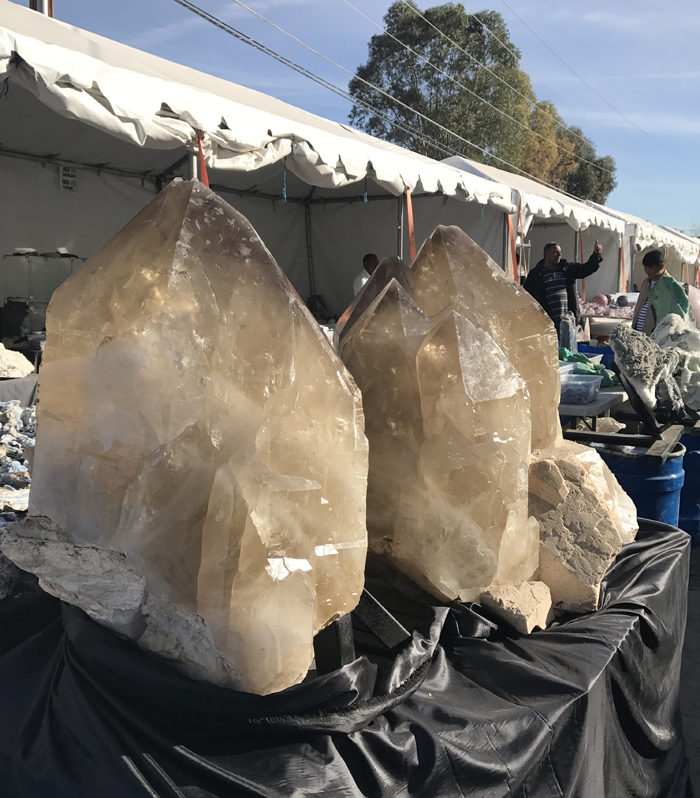
Both expos serve as a sanctuary for those who believe that crystals are "rock stars" of the natural world. From towering Fire and Ice Quartz clusters to massive Smokey Quartz Earth Keepers—specimens whose energetic fields, or "toruses," command entire rooms—these exhibitions offer unprecedented access to Earth’s most breathtaking geological formations.
Chronology: A Tradition Rooted in Discovery and Community
The culture surrounding large-scale gem shows has evolved over decades, driven by a passionate community of mineralogists, lapidary artists, and metaphysical practitioners.
The Rise of the Modern Gem Show
Historically, mineral shows began as localized gatherings for academic geologists, rockhounds, and mining prospectors to trade and display local finds. Over the latter half of the 20th century, as interest in holistic healing, crystal energy, and decorative earth art surged, these gatherings expanded exponentially.
- Early Foundations: Shows like the Tucson event began humbly over 60 years ago in school cafeterias and local motels, gradually attracting international dealers from India, Brazil, Madagascar, and Morocco.
- The Metaphysical Integration: As the decades progressed, the demographic of attendees shifted. Alongside traditional museum curators and wholesale buyers came energy workers, crystal healing practitioners, and jewelry makers seeking unique beads, cabochons, and raw stones.
- The Digital Era and Modern Access: Today, digital platforms and community teams—such as Hibiscus Moon’s network—play a vital role in demystifying these massive events. Through video guides, vlog recaps, and expert tips, veteran travelers help novices prepare for the physical and logistical demands of attending a major show.
Supporting Data: By the Numbers and Visual Highlights
To truly understand the magnitude of the Tucson and Denver shows, one must look at the sheer volume of commerce, artistry, and geological diversity on display.
Scale and Variety
- Venues: Tucson features upwards of 40 to 50 distinct show sites simultaneously, ranging from high-end wholesale spaces requiring business licenses to open-air tents open to the general public. Denver typically features key anchor events that consolidate wholesale and retail vendors under fewer roofs.
- Inventory Diversity: Attendees can encounter virtually every category of the mineral kingdom:
- Master Carvings: Intricate devotional sculptures, such as complex figures carved from Lepidolite or Jade.
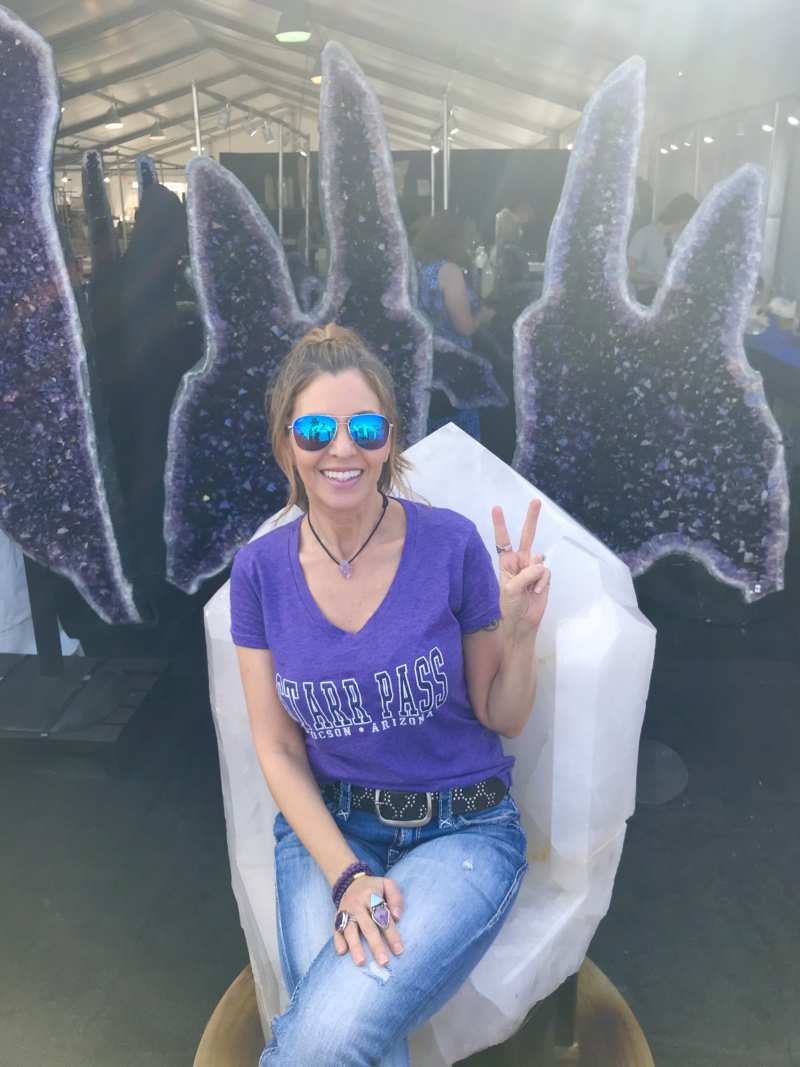
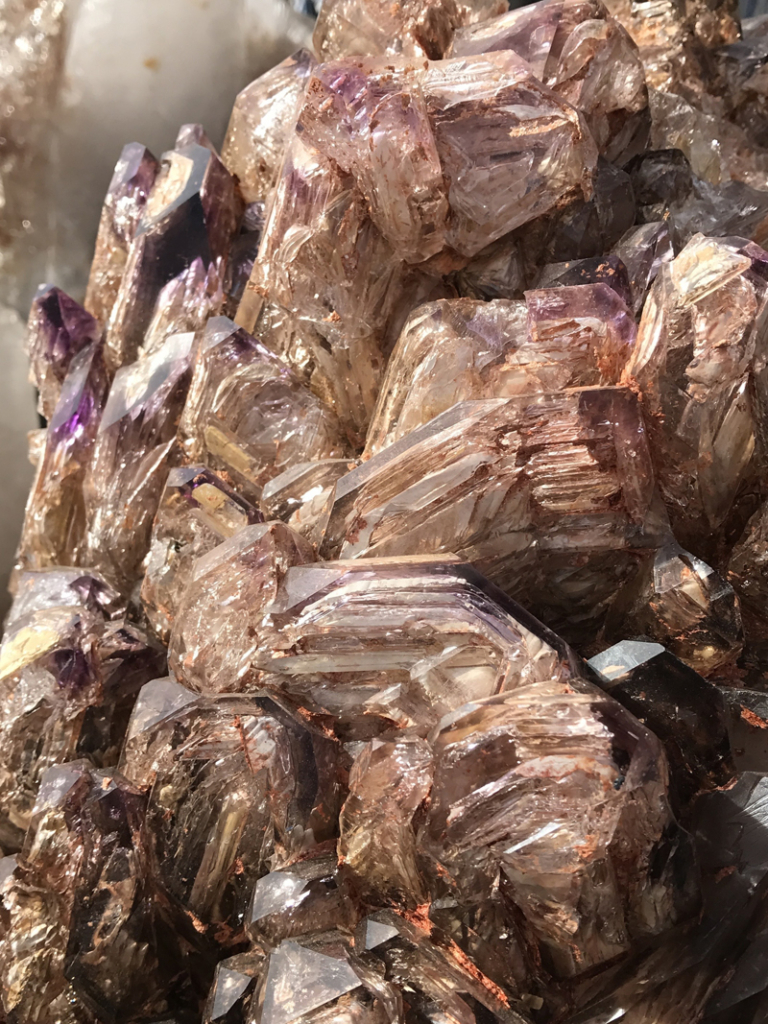
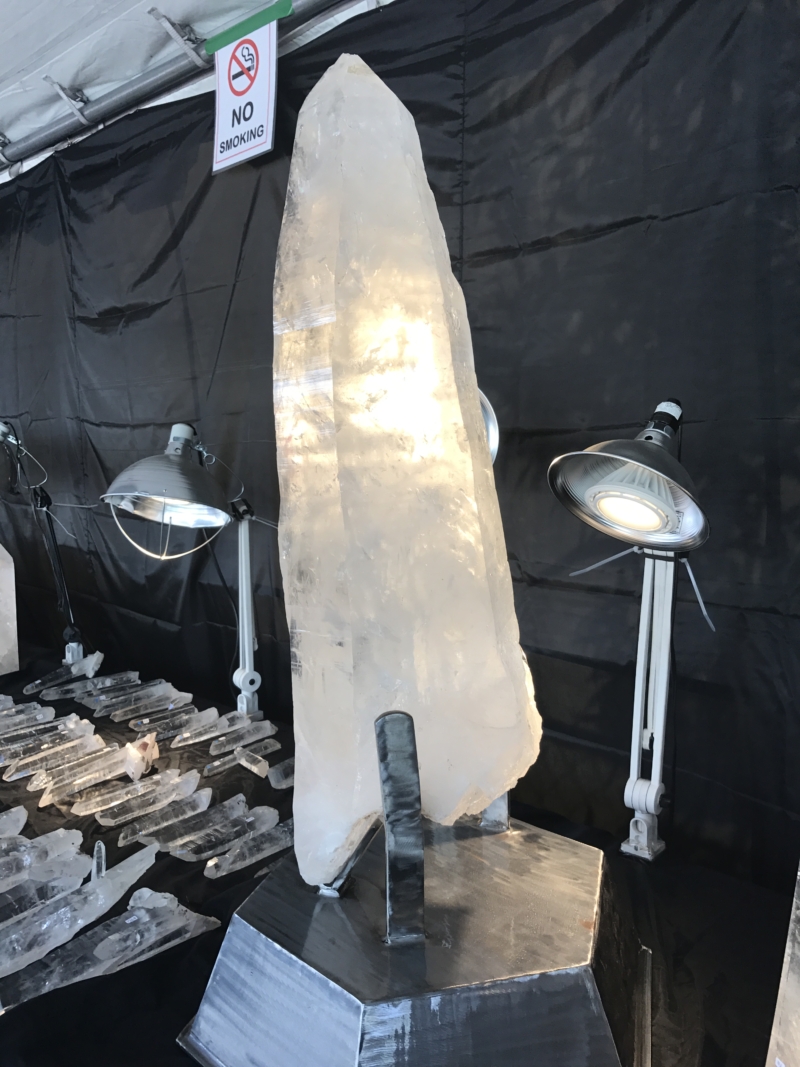
- Specimen-Grade Quartz: Including rare Elestial Smokey Amethysts, Milky Quartz thrones, and multi-ton Lemurian crystal points.
- Bead and Lapidary Supplies: Miles of aisles dedicated entirely to gemstone beads, catering to independent jewelry designers.
Navigating the Energy
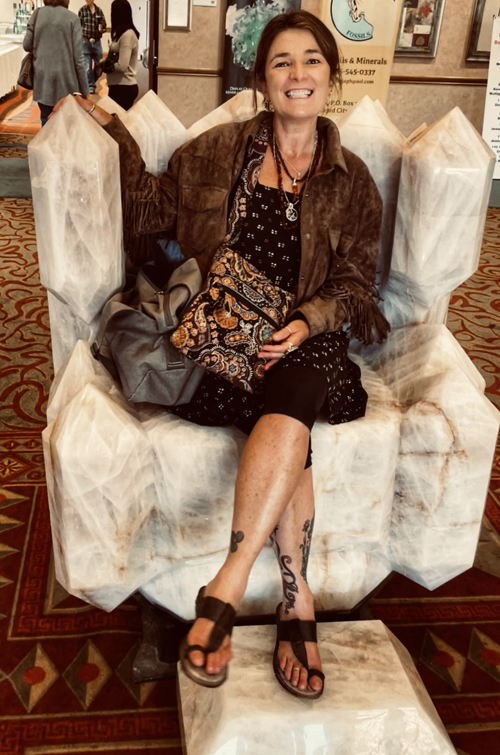
Beyond the physical objects, veterans emphasize the unique atmosphere of these shows. Interacting with large-scale pieces—such as sitting on a polished quartz throne or standing face-to-face with a giant Lemurian seed crystal—offers a sensory and energetic experience that cannot be replicated online. As Lisa and her team document, simply basking in the collective vibrational frequency of thousands of conscious crystal lovers is a transformative experience in its own right.
Official Recommendations: Expert Tips for First-Time Attendees
Navigating a massive gem and mineral expo requires strategy, stamina, and preparation. Seasoned travelers and crystal coaches emphasize several critical considerations before packing your bags:
1. Define Your Purpose (Wholesale vs. Retail)
Not all shows or tents are open to the general public. Many venues in Tucson, for example, require proof of a resale license (wholesale credentials) to enter and purchase. Always research specific venues beforehand to determine whether they cater to retail buyers, wholesale distributors, or both.
2. Plan for Physical Endurance
These shows are vast. Attendees routinely log 10 to 15 miles of walking per day across concrete floors, desert gravel, or convention center carpets. Essential gear includes:
- Comfortable Footwear: Broken-in walking shoes are non-negotiable.
- Hydration and Nutrition: Especially in the arid desert climate of Tucson, carrying water and snacks prevents exhaustion.
- Transport Mechanisms: Rolling carts, sturdy backpacks, or pull-wagons are invaluable if you plan on purchasing heavy mineral specimens or large quantities of gemstone beads.
3. Budgeting and Currency
It is remarkably easy to experience "crystal intoxication"—the sensory overload that leads to impulse buying. Setting a strict budget for specimens, shipping fees, and travel expenses is vital. Furthermore, while most modern vendors accept credit cards, having cash on hand can occasionally secure better deals, particularly with international cash-and-carry vendors toward the end of a multi-day show.
Implications: The Broader Impact on the Mineral and Wellness Communities
The cultural and economic influence of the Tucson and Denver gem shows extends far beyond the temporary pop-up booths and exhibition halls.
Economic Lifelines for Global Artisans
These expos serve as primary economic conduits connecting remote mining communities and local carvers in countries like Brazil, Madagascar, Pakistan, and India with Western markets. Fair trade practices, sustainable sourcing, and ethical mining discussions increasingly take center stage at these events, encouraging buyers to ask critical questions about where their stones originate and how local miners are compensated.
Educational and Scientific Value
While metaphysical practitioners seek out stones for energetic alignment and healing properties, museum curators and geologists rely on these shows to acquire type-specimens for scientific research and public education. The cross-pollination of ideas between hard-science mineralogists and holistic crystal practitioners fosters a unique, shared appreciation for the Earth’s deep history.
The Evolution of Crystal Culture
Ultimately, events like the Tucson and Denver shows anchor a rapidly growing global wellness movement. By bringing tangible, awe-inspiring pieces of the natural world directly into the hands of the public, these expos foster a deeper connection to nature, mindfulness, and Earth stewardship. Whether you attend to buy wholesale inventory, sit on a quartz throne, or simply marvel at an Elestial skeletal quartz formation, the journey into the heart of the crystal world leaves an indelible mark on every traveler who makes the pilgrimage.
