

Main Facts: The Titans of the Mineral World
For the uninitiated, a gem show is merely a marketplace where stones and jewelry are bought and sold. For the global community of crystal enthusiasts, lapidaries, mineralogists, and metaphysical practitioners, events like the Tucson Gem, Mineral & Fossil Showcase and the Denver Gem & Mineral Show are something closer to a spiritual pilgrimage. These massive conventions represent the apex of the earth sciences and crystal healing industries, drawing hundreds of thousands of visitors, vendors, curators, and collectors from every corner of the globe.
At the heart of Team HM’s recent explorations—led by crystal coach Lisa D’Arrigo alongside founder Hibiscus Moon—is a fundamental question shared by every aspiring attendee: How do the big two U.S. gem shows actually compare?
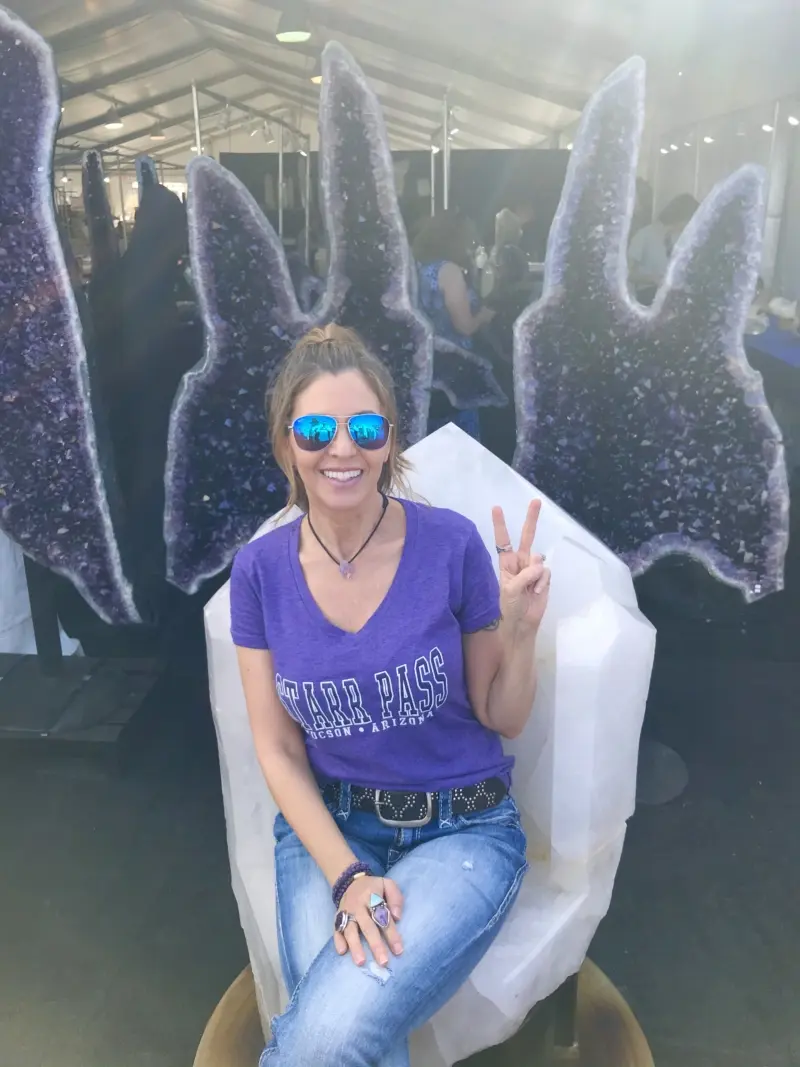
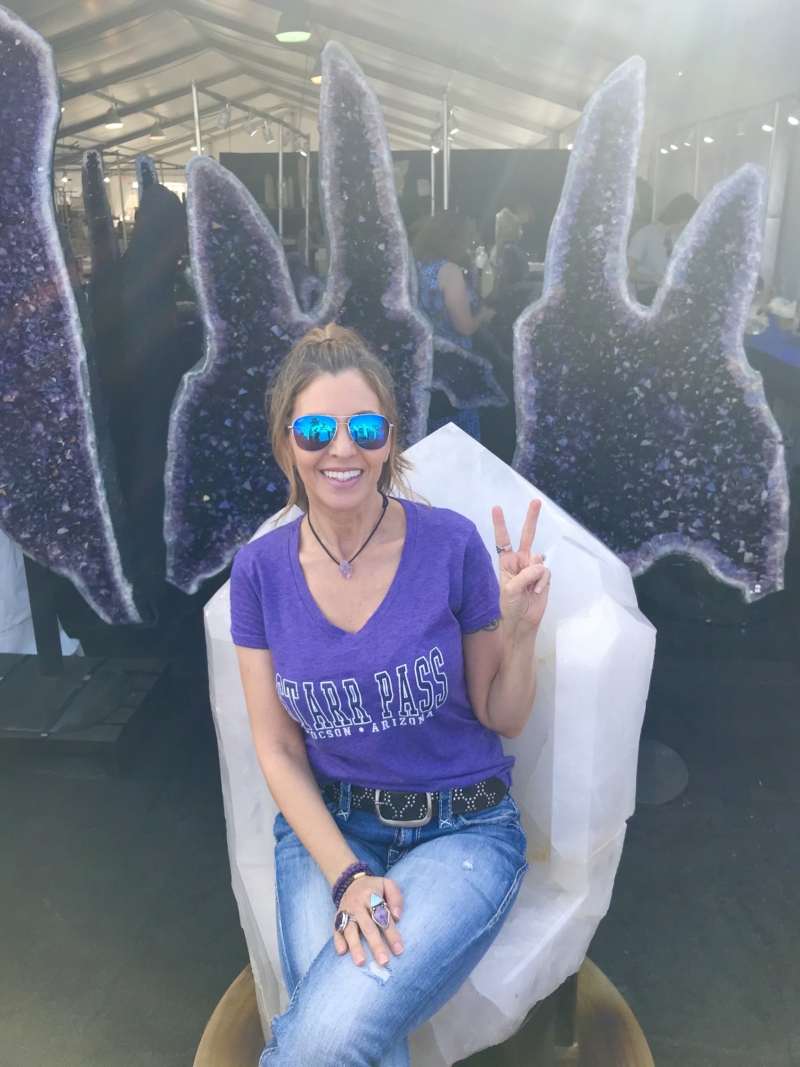
While both events offer sensory overload of the highest magnitude—featuring towering Fire and Ice quartz formations, colossal Smokey Quartz "Earth Keeper" clusters, exquisite crystal thrones, and intricate gemstone carvings like the famous Lepidolite Krishna from Denver—they operate in vastly different contexts, scales, and environments.
Understanding the logistical realities, geographical spreads, and distinct cultural vibes of Tucson and Denver is essential for anyone looking to cross a major gem show off their bucket list. Whether you are hunting for rare skeletal elestial amethysts, sourcing endless strands of gemstone beads, or simply looking to bask in the high-vational energy fields of massive mineral specimens, planning ahead makes all the difference.
Chronology: The Annual Cycle of the Crystal Hunter
To understand the rhythm of the global gem trade, one must follow the calendar of its premier exhibitions. The annual migration of mineral dealers and buyers creates a distinct temporal cycle that dictates how inventory flows from international mines to Western markets.
Late Winter: The Tucson Takeover (January–February)
The year in major gem shows kicks off with the undisputed heavyweight champion of the world: the Tucson Gem, Mineral & Fossil Showcase. Running for roughly two to three weeks every late January and February, Tucson transforms entirely.
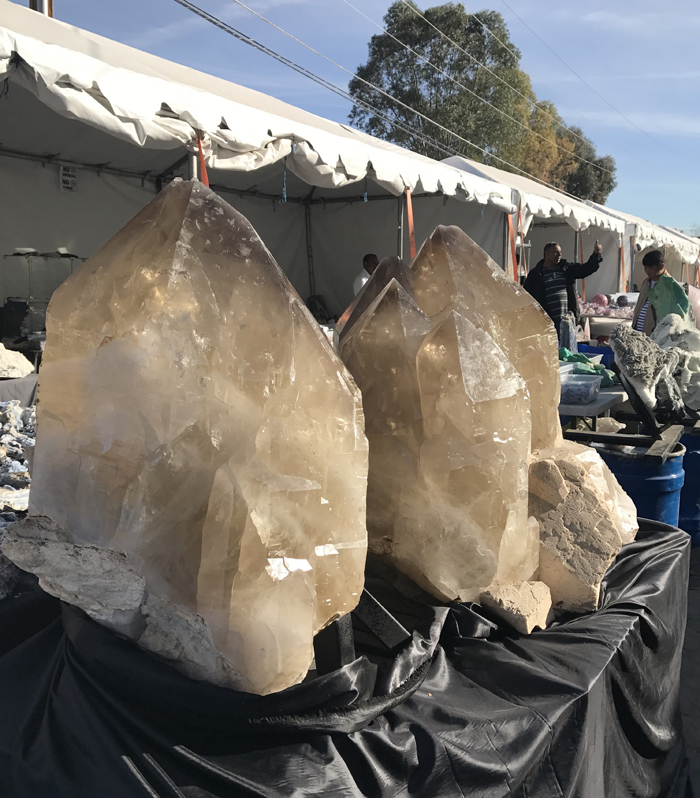
- The Setup: What makes Tucson unique is that it is not housed in a single convention center. Instead, the "show" is actually a collection of 40 to 50 distinct individual shows spread across the entire city of Tucson, Arizona. Vendors occupy luxury hotels, convention halls, massive white tents erected in parking lots, and roadside motels.
- The Experience: Navigating Tucson requires meticulous planning. Attendees shuttle between venues like the Kino Sports Complex, the Hotel Tucson City Center (famous for its outdoor tent setups), and the upscale GJX (Gem and Jewelry Exchange) show. It is a sprawling, desert-wide treasure hunt where buyers can find everything from raw, unwashed rough stones straight from Madagascar to museum-grade dinosaur fossils and ultra-high-end finished jewelry.
Early Autumn: The Denver Destination (September)
As the summer heat breaks, the crystal community converges on the Mile High City for the Denver Gem & Mineral Show (alongside its accompanying partner shows that form the broader Denver Mineral, Fossil, Gem & Jewelry Show).
- The Setup: Unlike the sprawling urban decentralized chaos of Tucson, the primary Denver events are often more centralized, predominantly anchored at large multi-use facilities like the National Western Complex.
- The Experience: Denver offers a more consolidated, manageable footprint while still delivering staggering volume. Known for incredible displays of Colorado’s native minerals (such as world-class Amazonite and Smoky Quartz from the Florissant area), the Denver show provides a crisp, autumn-scented counterpart to the sun-baked expanses of Tucson. It serves as a vital mid-year checkpoint for collectors, designers, and metaphysical practitioners to restock inventory ahead of the holiday retail season.
Supporting Data and Observations: Sizing Up the Specimens
A journey through Tucson and Denver is, above all else, an education in geological scale and diversity. The sheer volume of material on display defies easy categorization, but certain overarching trends define what buyers encounter on the showroom floors.
The Reign of Quartz: Clear, Smoky, and Beyond
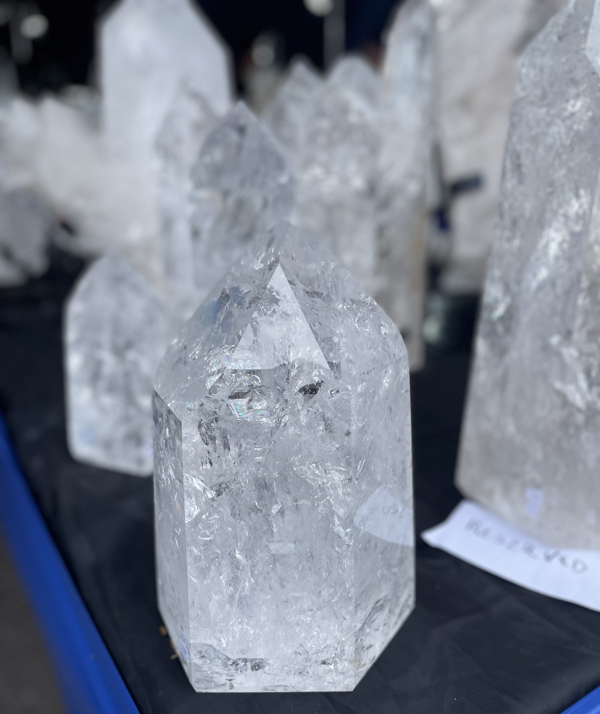
Quartz remains the undisputed rock star of the mineral kingdom. At both shows, clear quartz towers, multi-ton phantom quartz points, and massive "Earth Keeper" smoky quartz clusters dominate prominent vendor booths.
- Energetic Properties: In metaphysical circles, quartz is revered for its programmability and amplification properties. As documented in foundational crystal studies (such as Hibiscus Moon’s comprehensive guides on clear quartz healing properties), these high-vibration master healer stones are believed to anchor powerful electromagnetic energy fields, or tori.
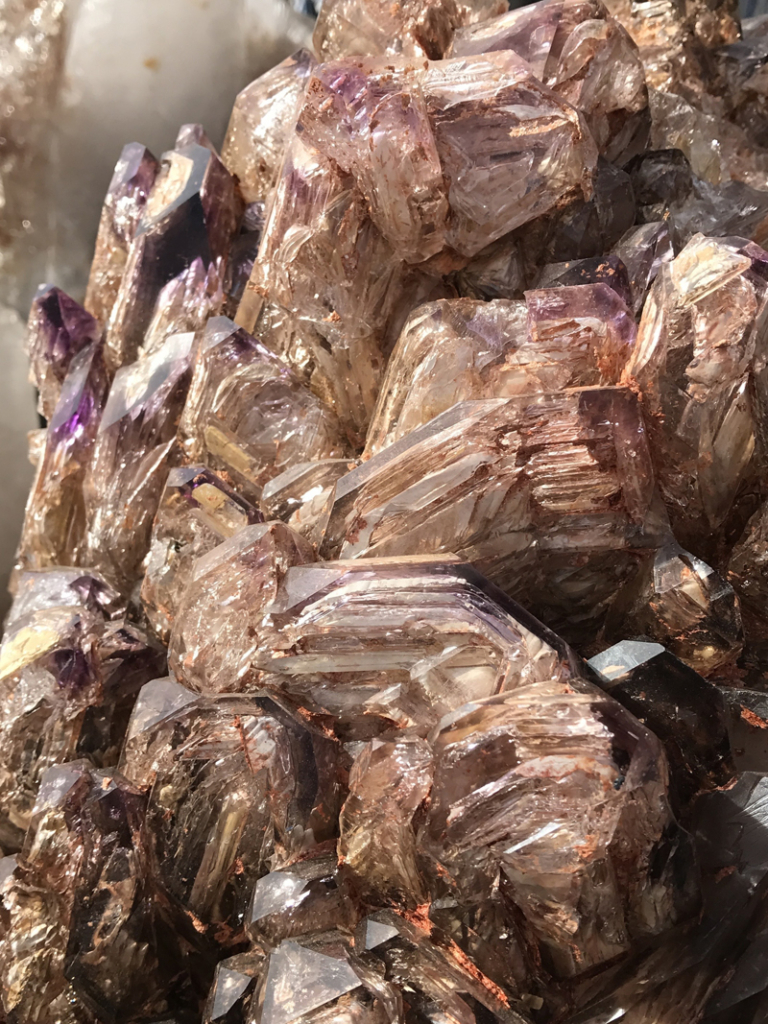
- Specimen Highlights: Visitors to Tucson frequently encounter legendary pieces, such as colossal Lemurian seed crystal points featuring distinct horizontal ladder striations, or rare elestial quartz (often called skeletal quartz) that houses complex, multi-layered "inner worlds" within its smoky and amethystine matrix.
Carvings, Beads, and Functional Art
Beyond raw matrix specimens, the level of artistic craftsmanship on display at both venues is staggering.
- Lapidary Artistry: Master carvers transform raw minerals into breathtaking sacred statues—such as intricate Hindu deities carved from soft, soothing lepidolite, or polished crystal skulls that command intense emotional and energetic responses from visitors.
- The Maker Economy: For jewelry designers and wire-wrappers, the bead sections in Denver and Tucson are legendary. Aisles stretching as far as the eye can see offer wholesale gemstone beads of every variety—from lapis lazuli and labradorite to rare charoite and chrysocolla.
Official Insights: Crystal Coach Lisa’s Gem Show Comparison
To demystify the process for first-timers, Team HM member and Crystal Coach Lisa D’Arrigo produced an in-depth video breakdown titled Gem Show Comparison, offering crucial guidance on how to navigate these industry giants.
According to Team HM’s expert analysis, attending a major show requires evaluating several personal and professional criteria:
- Wholesale vs. Retail Status: Many venues at Tucson and Denver require a tax ID or resale license for entry, particularly during the early days of the shows. However, both events feature designated retail days or public-facing pavilions where anyone can walk in and purchase pieces.
- Physical Stamina and Footwear: The sheer square footage of these shows cannot be overstated. Attendees easily log 10 to 15 miles of walking per day across concrete floors, gravel lots, and carpeted convention halls. Comfortable, supportive footwear is non-negotiable.
- Logistics and Shipping: Buying a 50-pound smoky quartz cluster is easy; getting it home is another story. Experienced attendees plan ahead for freight shipping, flat-rate postal boxes, or dedicated luggage space.
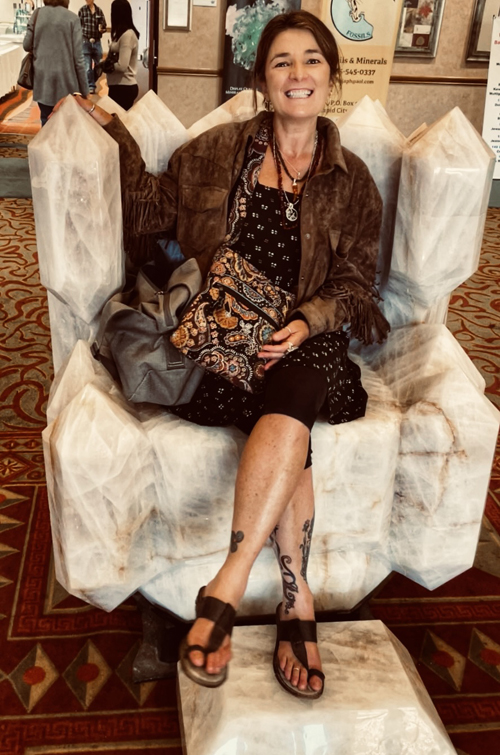
- Budgeting and Cash Flow: It is entirely too easy to fall in love with "The One"—whether it’s a Milky Quartz throne in Tucson or an awe-inspiring fire-and-ice tower in Denver. Establishing a strict budget (and sticking to it) is essential amidst the sensory overload of glittering storefronts.
Implications: The Future of Mineral Collecting and Ethical Sourcing
As the global crystal market continues to surge in popularity—driven by a cultural renaissance in holistic wellness, interior design, and earth-based spirituality—the implications for major gem shows extend far beyond simple commerce.
The Shift Toward Conscious Sourcing
With millions of tons of mineral specimens extracted, polished, and shipped across oceans annually, the gem and mineral community faces increasing scrutiny regarding labor practices, environmental degradation, and ethical sourcing. Modern attendees are no longer just asking, "How high is the crystal’s vibration?" They are increasingly asking, "Where did this stone come from, and were the miners paid fairly?" Progressive vendors at both Tucson and Denver are beginning to respond by establishing direct trade relationships with artisanal mining communities in places like Brazil, Madagascar, India, and the Democratic Republic of Congo.
The Community Connection
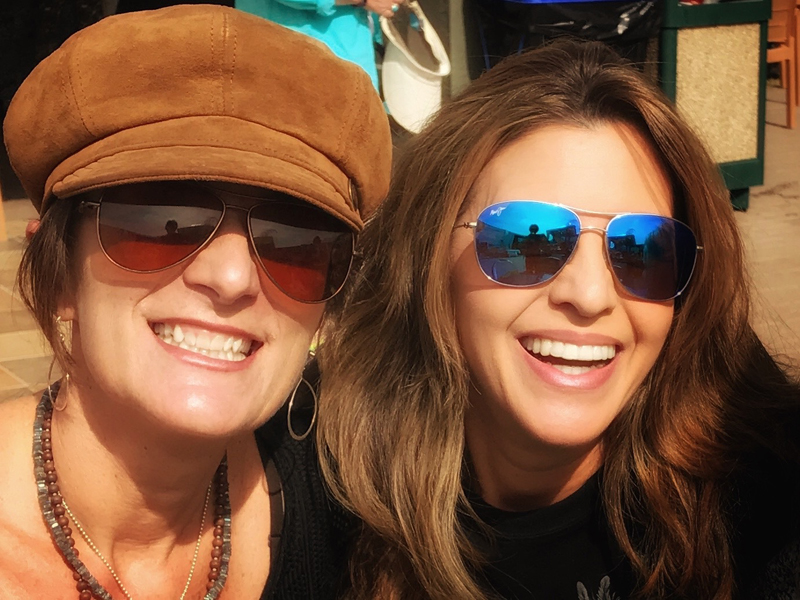
Ultimately, while the internet has made it easier than ever to buy crystals online via Instagram lives and e-commerce storefronts, nothing can replicate the visceral, in-person experience of a major gem show. As Lisa and Hibiscus Moon frequently emphasize—whether recalling nostalgic "pajama parties" in Tucson hotel rooms or sharing quiet moments of awe before a massive crystal display—these events are fundamentally about human connection. They unite a diverse global tribe of Earth lovers, geologists, healers, and dreamers who share a profound reverence for the magnificent artistic creations of our planet’s deep geological past.
