


For decades, nutritionists and cultural anthropologists alike have marveled at the "French Paradox"—the observation that the French population maintains relatively low rates of cardiovascular disease and obesity despite a rich diet laden with butter, wine, and pastries. While much of the cultural focus has historically centered on portion control and the leisurely pace of European dining, a compelling new body of research points to a much smaller, microscopic explanation: live microbes.
Recent studies published in the Nutrition Bulletin reveal that dietary intake of live microbes is remarkably high in France. Nearly all French children (97.7%) and adults (98.4%) consume between 100 and 200 grams of foods naturally rich in microbes every single day. This daily microbial intake dwarfs consumption patterns in the United States, where a 2022 study found that only 59% of children and 67% of adults consumed microbe-rich foods—and typically at roughly half the volumes seen in France.
As the medical community increasingly recognizes the gut microbiome as a foundational pillar of human wellness, health experts are examining how modern dietary habits have stripped beneficial bacteria from Western plates. The findings are prompting a radical reassessment of how we define health, food processing, and nutritional guidelines.
Main Facts: The Microbial Gap Between France and the U.S.
The core revelation of the recent Nutrition Bulletin research centers on the volume and frequency of live microorganism consumption. Fermented foods, raw-milk cheeses, yogurts, and live-culture condiments are not specialty items in France; they are deeply woven into the culinary fabric of daily life.

- High Daily Intake in France: Over 98% of French adults consume 100 to 200 grams of microbe-rich foods daily.
- The American Deficit: U.S. consumption data shows significantly lower numbers, with roughly one-third of adults and over 40% of children consuming zero foods containing live microbes on any given day.
- The Biological Impact: Landmark research from Stanford University published in 2021 demonstrated that a diet rich in fermented foods rapidly and reliably increases gut microbial diversity while simultaneously lowering 19 distinct inflammatory markers, including Interleukin-6.
- Systemic Health Markers: Beyond digestion, high gut microbial diversity is strongly associated with enhanced immune resilience, lower rates of chronic disease, improved cardiovascular profiles, and a reduced risk of depressive symptoms via the gut-brain axis.
Chronology: From Ancient Food Wisdom to Modern Microbiome Science
To understand how modern diets diverged so sharply, experts look back at a century of food technology and public health safety measures.
Early 20th Century: The Rise of Industrial Processing
The journey toward a sterile food supply began with the widespread adoption of pasteurization and chemical preservation. Designed to eradicate deadly foodborne pathogens such as E. coli, Salmonella, and Listeria, these processes were a monumental triumph for public safety, dramatically increasing human life expectancy by eliminating acute foodborne illnesses.
Late 20th Century: The Fiber Paradigm
For decades, medical advice regarding gastrointestinal health was relatively singular: eat more fiber. While fiber remains an essential macronutrient, the clinical focus on gut bacteria was largely generalized. The medical establishment viewed the gut as a passive digestive tube rather than an active, symbiotic ecosystem.
2021: The Stanford Paradigm Shift
A watershed moment occurred when researchers at Stanford University published a landmark study proving that consuming fermented foods actively reshaped the gut microbiome. Unlike previous dietary interventions that focused solely on prebiotics (fiber), the Stanford study showed that introducing live microbes directly enhanced microbial richness and suppressed systemic inflammation.

2026: The Global Recognition of Live Microbes
Recent epidemiological data—including the 2026 study on coronary heart disease and all-cause mortality—has solidified the connection between microbial intake and long-term survival. Countries like South Korea have officially integrated fermented foods into national food policies, while researchers continue to lobby Western regulatory bodies to establish clear definitions and recommended daily intakes for live microbes.
Supporting Data: What the Science Says
The shift from treating food as mere fuel to viewing it as a vehicle for live organisms is backed by an expanding library of peer-reviewed data.
| Health Domain | Key Research Finding | Relevant Publication / Source |
|---|---|---|
| Microbiome Diversity | A diet high in fermented foods increases gut microbial richness and lowers 19 inflammatory markers. | Stanford University Research (2021) |
| Mental Health | High dietary intake of live microbes correlates with a lower risk of depressive symptoms via the gut-brain axis. | Environmental Health and Prevention (2024) |
| Cardiovascular Health | Regular consumption of microbe-rich foods beneficially impacts plasma glucose, insulin, and cholesterol levels. | The Journal of Nutrition (2023) |
| Longevity & Heart Disease | Dietary indexes reflecting high gut microbiota support show a direct reduction in all-cause mortality for coronary heart disease patients. | Journal of Medicine (2026) |
| Gastrointestinal Symptoms | Both live-culture and select pasteurized fermented foods help alleviate symptoms of Irritable Bowel Syndrome (IBS). | Advances in Nutrition (2025) |
Official Responses and Expert Perspectives
The disconnect between public health marketing and actual microbiological reality has drawn sharp criticism from leading gastroenterologists and registered dietitians.
Dr. Savita Srivastava, a Yale-trained gastroenterologist, microbiome specialist, and author of First 1000 Days: How Your Baby’s Gut Microbes Shape Lifelong Health, expresses deep concern over the trajectory of the modern American diet.
"The modern American diet is low in wholesome ingredients and high in ultra-processed ones," Dr. Srivastava notes. "We have spent the last century leveraging hyper-pasteurization, chemical preservatives, and extreme food processing to extend shelf life. But this has its own downstream consequences: the decline in human health. While pasteurization successfully eliminated pathogens, it inadvertently got rid of the harmless, beneficial environmental microbes our ancestors consumed daily."
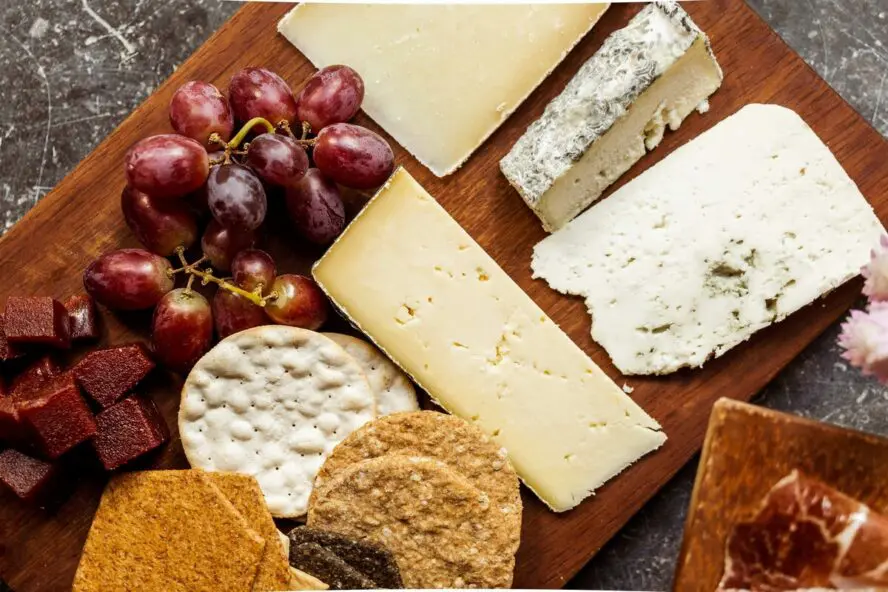
Dr. Srivastava points out the cultural habits of the French as a natural antidote to this sterility. Rather than finishing meals with heavy, overly refined industrial sweets, traditional French dining often closes with gut-friendly yogurts or a portion of raw-milk cheese.
However, experts warn that well-intentioned consumers in the U.S. are frequently misled by sophisticated marketing campaigns.
"There is a massive disconnect between marketing and microbiology," Dr. Srivastava explains. "Well-intentioned consumers reach for ‘gut-health’ products that are actually doing little to sustain good health."
Sophia Guillot, a Registered Dietitian with TeamNutrition, echoes this sentiment regarding commercial labeling.
"In my practice, I often see people purchase products marketed as ‘gut-friendly’ but that contain added sugars or are pasteurized, without realizing they won’t bring the same health benefits as expected," Guillot states.
Serena Pratt, an MS, RDN trained at Columbia University, highlights the danger of looking for a single dietary "magic bullet."
"Many people are trying to ‘hack’ gut health with one trendy product or supplement instead of looking at how gastrointestinally supportive the overall pattern of the diet is," Pratt explains.
Furthermore, structural hurdles remain in place. Unlike South Korea, which actively incorporates fermented traditions into public health frameworks, the U.S. Food and Drug Administration (FDA) does not currently recognize probiotics or live-microbe foods as a distinct regulatory category. This leaves American consumers to navigate a marketplace saturated with misleading health claims entirely on their own.
Implications: How to Safely Integrate Live Microbes Into Your Diet
The mounting evidence that live microbes are essential for human vitality presents a clear imperative: recalibrate our daily food choices. However, doing so requires moving past superficial wellness trends and adopting a science-backed approach.
1. Eat a Wide Range of Fermented Foods
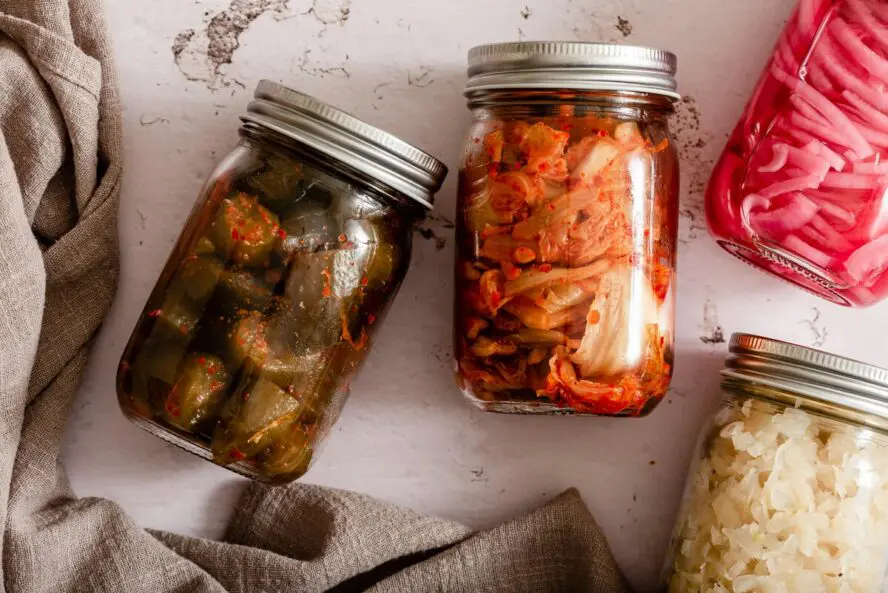
Relying on a single "superfood" or probiotic supplement is rarely effective. Synergy is crucial. To maximize microbial diversity, experts recommend consuming a rotating variety of fermented items, such as plain live-culture yogurt, kefir, unpasteurized sauerkraut, kimchi, miso, tempeh, and raw-milk cheeses.
2. Feed Your Microbes with Prebiotic Fiber
Introducing live bacteria (probiotics) into the digestive tract is only half the battle. They require fuel to colonize and thrive.
"The magic happens when we combine the two," explains Dr. Srivastava. "The live microbes from fermented foods remodel and diversify the gut ecosystem, while the prebiotic fiber acts as the nourishing food microbes need to thrive and produce gut-healing short-chain fatty acids."
Ensure your plate is rich in diverse plant fibers found in garlic, onions, leeks, asparagus, oats, legumes, and a rainbow of fruits and vegetables.

3. Read Labels Carefully to Avoid the "Sugar Trap"
While yogurt is frequently touted as a health food, many commercial varieties are loaded with refined sugars.
"When yogurt is also packed with 20 grams of refined sugar, it completely undermines the live cultures inside it," warns Dr. Srivastava. "That sugar fuels the exact pro-inflammatory, opportunistic bacteria you are trying to crowd out of the gut microbiome."
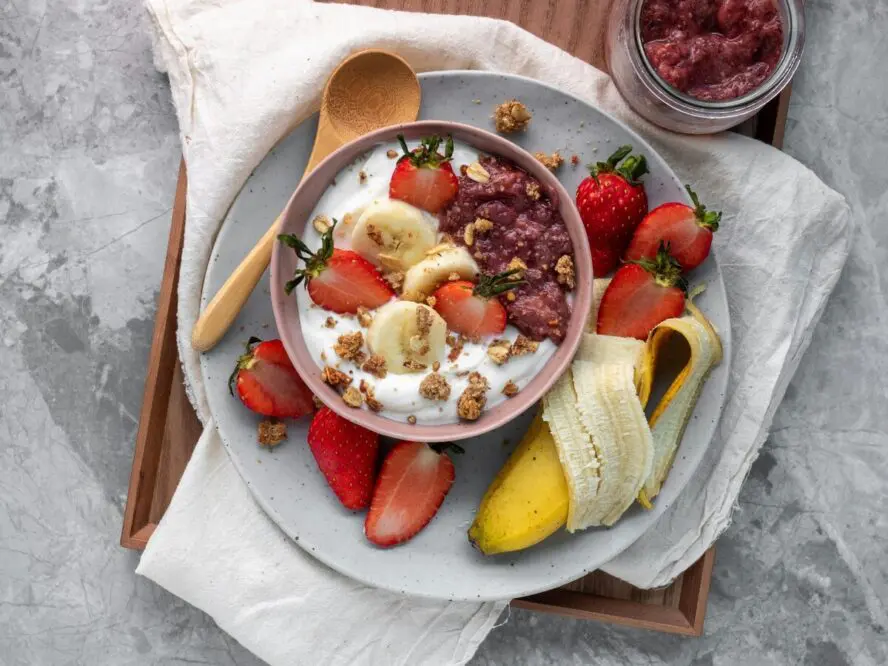
Consumers should opt for plain, unsweetened Greek yogurt, kefir, or labneh, sweetening them naturally at home with fresh berries or a small drizzle of local honey.
4. Shop the Refrigerated Aisle
One of the most common pitfalls is purchasing shelf-stable "fermented" products. If a bottle of kombucha or a jar of pickles sits unrefrigerated on a warm grocery store shelf, it has almost certainly been pasteurized, meaning the beneficial live cultures have been killed by heat.
"When reading labels, look for the words ‘Contains Live and Active Cultures’ or ‘Traditionally Fermented, Unpasteurized,’" advises Dr. Srivastava.
5. Start Small and Stay Consistent
For individuals unaccustomed to fermented foods or those managing digestive sensitivities such as IBS, diving headfirst into large portions can cause temporary bloating or discomfort. Dietitians recommend starting with small, regular servings—such as a forkful of sauerkraut or a small splash of kefir daily—allowing the gut microbiome to adapt gradually over time.
As nutritional science continues to validate ancient culinary traditions, the path forward is clear. By looking to cultures where live microbes remain a daily staple, we can begin to rebuild our internal ecosystems, bridging the gap between modern food processing and foundational human health.
