

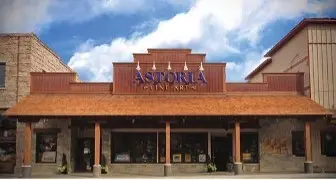
SPECIAL ADVERTISING & CULTURAL REPORT
Main Facts
Nestled within the rugged, breathtaking landscapes of the Rocky Mountain West, Montana and Wyoming are celebrated globally for their awe-inspiring national parks, vast agricultural expanses, pristine alpine lakes, and untamed wildlife. Yet, beyond their geographic grandeur, these two neighboring states occupy a singular, preeminent position in the cultural landscape of the United States: they are the beating heart of the American Western art market.
Home to two of the most significant, high-profile fine art gatherings in the world—Montana’s annual Western Art Week in Great Falls and Wyoming’s storied Jackson Hole Fall Arts Festival—the region attracts elite collectors, master painters, sculptors, and enthusiastic patrons from across the globe. These events are not merely localized craft fairs; they are major economic and cultural drivers that inject millions of dollars into regional economies, setting benchmarks for the valuation of contemporary and historical Western art.
During these peak festive periods, cities transform into sprawling open-air galleries. Commercial spaces host ambitious solo and group exhibitions, public parks and plazas come alive with adrenaline-fueled "quick draw" painting competitions, and prestigious auction houses field aggressive bids for museum-quality masterpieces. Furthermore, world-class institutions—most notably the C.M. Russell Museum in Great Falls and the National Museum of Wildlife Art in Jackson—anchor the festivities by hosting their high-stakes annual fundraiser art shows and sales.
This comprehensive cultural report explores the economic machinery, chronological evolution, institutional pillars, and future implications of Montana and Wyoming’s thriving fine art ecosystem, offering an exclusive preview of upcoming gallery schedules and museum exhibitions for the seasons ahead.
Chronology: The Evolution of Western Art Week and the Jackson Hole Fall Arts Festival
To understand the current economic and cultural dominance of the Rocky Mountain art market, one must examine the historical trajectories of its two anchor events, which transformed quiet frontier towns into international destinations for fine art connoisseurs.
March in Great Falls: The Genesis of Western Art Week
The roots of Montana’s Western Art Week trace back to the mid-20th century, growing organically out of a deep regional reverence for the Cowboy Artist Charles Marion Russell, whose historic log cabin studio still stands in Great Falls. What began as informal gatherings of local painters, sculptors, and western history enthusiasts in local hotels during the bitter Montana winters steadily metastasized into a sprawling, multi-venue phenomenon.
- 1969: The official establishment of the C.M. Russell Museum’s annual auction institutionalized the gathering, giving collectors a centralized, high-profile venue to acquire museum-grade works.
- 1980s–1990s: As the market for Western art matured, independent shows began to crop up in surrounding motels, most famously the Western Masters Art Show and Sale. These fringe exhibitions offered emerging artists a vital platform alongside established masters.
- Present Day: Today, Western Art Week encompasses multiple concurrent hotel-based shows, thousands of visiting patrons, and dozens of commercial galleries working in concert, turning Great Falls every March into the undisputed epicenter of historic and contemporary Western representation.
September in Jackson Hole: The Rise of the Fall Arts Festival
While Great Falls captures the rugged, historical grit of the frontier in early spring, Jackson Hole, Wyoming, leverages the crisp, golden hues of autumn to showcase a different facet of the Western experience—one deeply intertwined with elite wildlife art, high-end interior design, and contemporary interpretations of the American landscape.
- Mid-1980s: Local Jackson business owners and gallery owners conceived the Fall Arts Festival to extend the lucrative tourism season beyond the summer months, capitalizing on the town’s growing reputation as a haven for affluent art collectors.
- 1987: The National Museum of Wildlife Art opened its doors near the National Elk Refuge, instantly elevating Jackson’s status as a global sanctuary for animal and wilderness-focused fine art.
- The 42nd Milestone: Now celebrating its landmark 42nd year, the Jackson Hole Fall Arts Festival has evolved into a premier ten-day cultural marathon. It features signature events like the Quick-Draw on the Town square, wine-tasting gallery walks, and juried exhibitions that routinely draw thousands of spectators and millions in art sales.
Supporting Data: The Economic and Cultural Footprint
The intersection of tourism, real estate, and fine art in Montana and Wyoming generates a robust economic engine. While tourism boards traditionally tout the monetary impact of national park visitors, arts and culture represent a high-yield, premium sector that sustains year-round livelihoods for hundreds of working artists and small-business owners.
Market Demographics and Economic Output
- Annual Revenue: Collectively, the flagship events in Great Falls and Jackson Hole account for tens of millions of dollars in direct art sales annually, with individual painting auctions frequently clearing seven figures per event.
- Collector Base: According to regional gallery surveys, over 65% of high-end art buyers traveling to Montana and Wyoming originate from outside the Rocky Mountain region, primarily hailing from major metropolitan hubs such as New York, Dallas, Scottsdale, Los Angeles, and Chicago.
- The Museum Effect: Institutions like the C.M. Russell Museum and the National Museum of Wildlife Art act as economic anchors. The National Museum of Wildlife Art, for instance, houses a permanent collection of over 5,000 cataloged works representing more than 500 artists, drawing tens of thousands of visitors each year who subsequently patronize surrounding private commercial galleries.
Gallery Ecosystems and Geographic Distribution
The fine art market in these two states is characterized by a dense concentration of specialized commercial spaces located in specific cultural districts:
- Jackson, Wyoming (Town Square & West Broadway): Home to an exceptionally high concentration of luxury galleries per capita, representing blue-chip contemporary painters, bronze sculptors, and historic Western masters.
- Bozeman and Missoula, Montana: Rapidly growing urban centers that blend traditional cowboy imagery with avant-garde, environmentally conscious contemporary art.
- Great Falls, Montana: The historic bastion of traditional Western art, where traditionalism, historical accuracy, and academic realism reign supreme.
Official Responses and Perspectives
To gauge the health and trajectory of the Rocky Mountain art market, curators, gallery directors, and municipal leaders frequently emphasize the delicate balance between honoring regional heritage and embracing modern artistic innovation.
Dr. Elizabeth Vance, Senior Curator of Western Heritage at the C.M. Russell Museum, notes:
"Western art is often misunderstood as a static genre frozen in the 19th century. In reality, it is a living, breathing dialogue with the land, the wildlife, and the shifting demographics of the American West. Events like Western Art Week allow us to honor the foundational masters like Russell while giving a powerful microphone to contemporary voices who are redefining what it means to live and create west of the 100th meridian."
Marcus Sterling, director of a prominent fine art gallery in downtown Jackson, emphasizes the unique psychological connection between buyer and artwork:
"People don’t just buy a painting or a bronze sculpture when they visit Jackson Hole or Great Falls; they are buying an emotional connection to a landscape that represents freedom, space, and untamed beauty. When a collector stands on the town square during the Fall Arts Festival, surrounded by the Tetons and world-class works of art, the transaction transcends commerce—it becomes a deeply personal investment in a way of life."
Local municipal tourism board representatives have also highlighted the symbiotic relationship between outdoor recreation and cultural tourism:
"Our visitors come for Yellowstone and Glacier National Parks, but they stay—and return year after year—because of the cultural depth they discover in our downtowns. The galleries and museums provide the intellectual and emotional context for the physical landscapes our tourists explore during the day."
Implications: The Future of the Rocky Mountain Art Market
As the art market navigates shifting economic tides, digital platforms, and changing generational tastes among collectors, the positioning of Montana and Wyoming offers crucial insights into the future of regional fine art economies.
1. The Expansion of Contemporary and Abstract Western Art
While traditional cowboy art, Native American portraits, and hyper-realistic wildlife paintings remain the bedrock of the market, galleries in both states are increasingly dedicating wall space to contemporary, abstract, and impressionistic interpretations of the West. Younger collectors are driving demand for works that subvert traditional tropes while maintaining a reverence for the geography of the Rocky Mountains. This evolution ensures that the genre remains vibrant, relevant, and appealing to a broader demographic.
2. Digital Integration and Global Reach
Historically dependent on physical attendance at March and September events, regional galleries have rapidly modernized. High-resolution virtual walkthroughs, digital catalogs (such as upcoming exhibition previews and specialized advertising guides), and secure online bidding platforms have allowed Montana and Wyoming galleries to maintain year-round sales velocity. International collectors who cannot make the physical journey to Great Falls or Jackson can now participate in real-time auctions, expanding the economic footprint of local artists exponentially.
3. Preservation and Environmental Consciousness
With wildlife and public lands facing increasing pressures from development and climate change, the art produced in this region carries an implicit conservation message. The National Museum of Wildlife Art and aligned commercial galleries frequently partner with conservation groups, dedicating a percentage of exhibition proceeds to land trusts and wildlife protection funds. Thus, the fine art market in the Rocky Mountain West serves not only as an economic powerhouse but also as a powerful cultural advocate for the preservation of the very landscapes that inspire it.
Conclusion: Planning Your Journey into Western Art
For collectors, investors, and casual art enthusiasts alike, Montana and Wyoming offer an unmatched cultural itinerary. Whether you plan to brave the lively, history-steeped auction rooms of Great Falls during the blustery days of March or stroll the sunlit, golden-leafed boardwalks of Jackson Hole during the September Fall Arts Festival, the region promises an immersive journey into the soul of the American West.
By exploring the upcoming exhibition schedules, reviewing specialized gallery guides, and engaging directly with the institutions that anchor these communities, patrons can secure a front-row seat to the most dynamic, enduring regional art market in the United States.
