

By Organic Authority Review Desk
Main Facts: Redefining the Standard for Home Drip Coffee
For decades, the standard morning ritual for millions of households has relied on a hidden compromise. While coffee lovers obsess over bean origin, roast profiles, water filtration, and grind size, the mechanical apparatus performing the final extraction has largely gone unexamined. Traditional automatic drip coffee makers—even high-end, premium models—rely heavily on internal plastic reservoirs, tubing, shower heads, and brew baskets.
When boiling or near-boiling water rushes through these heated plastic components day after day, it acts as an aggressive leaching agent. Emerging health and environmental research highlights that these components can shed microplastics and chemical additives directly into consumable beverages.
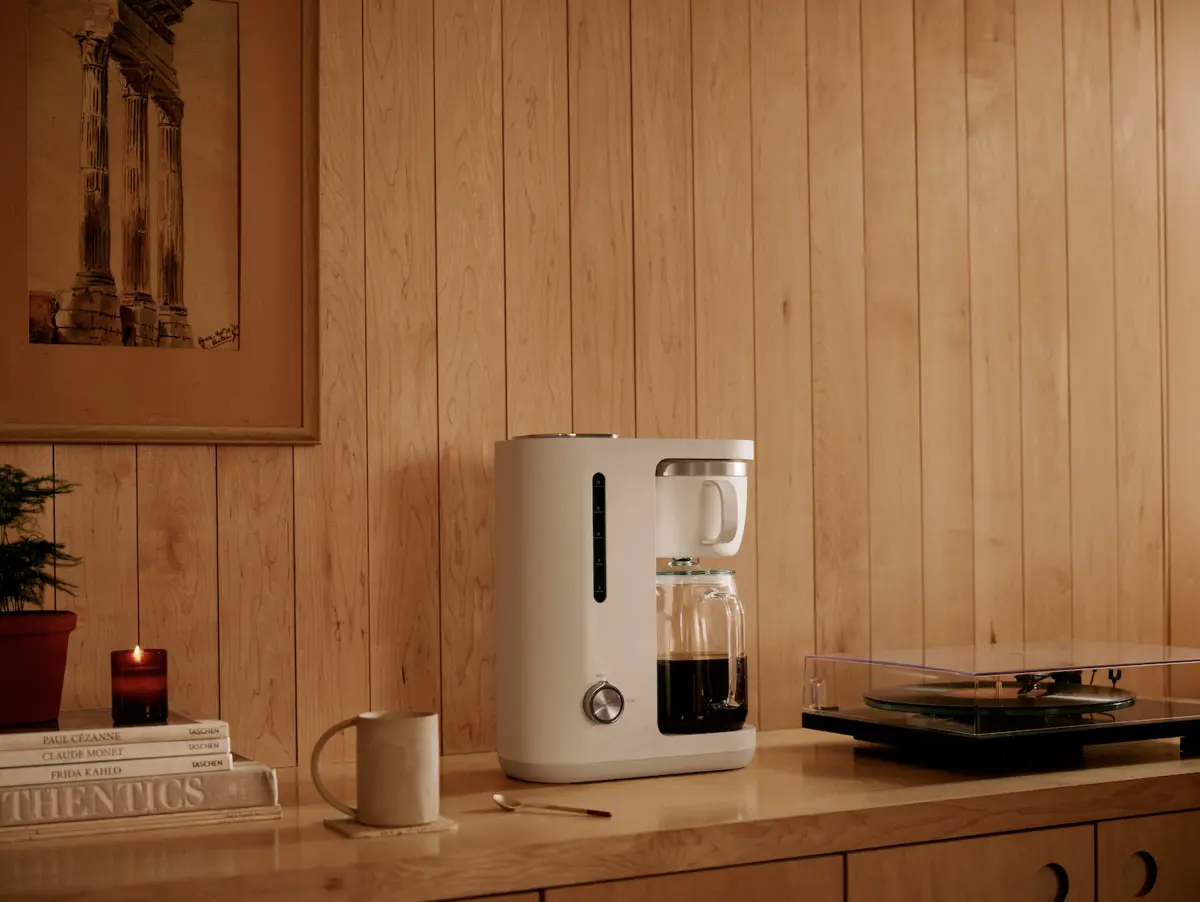
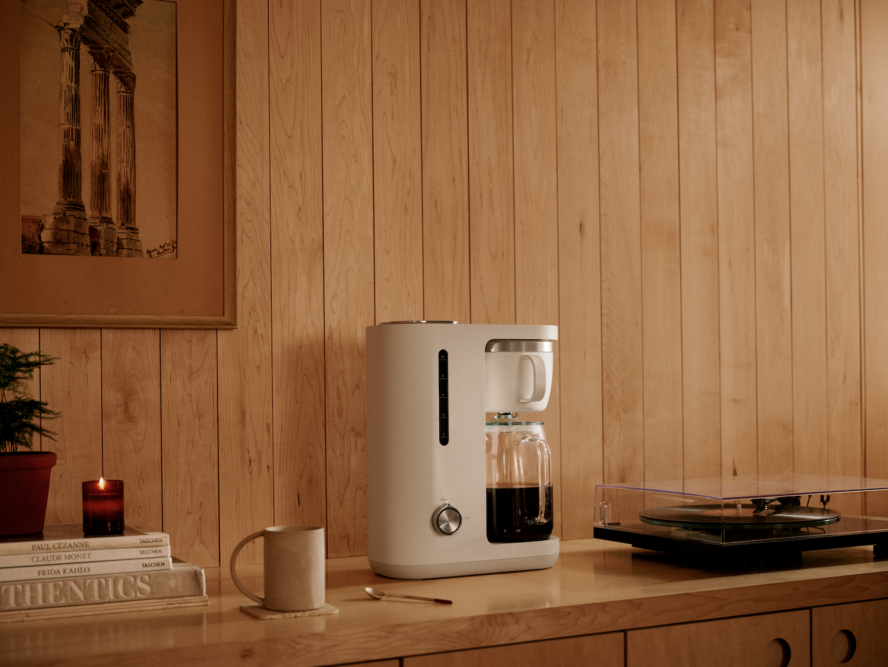
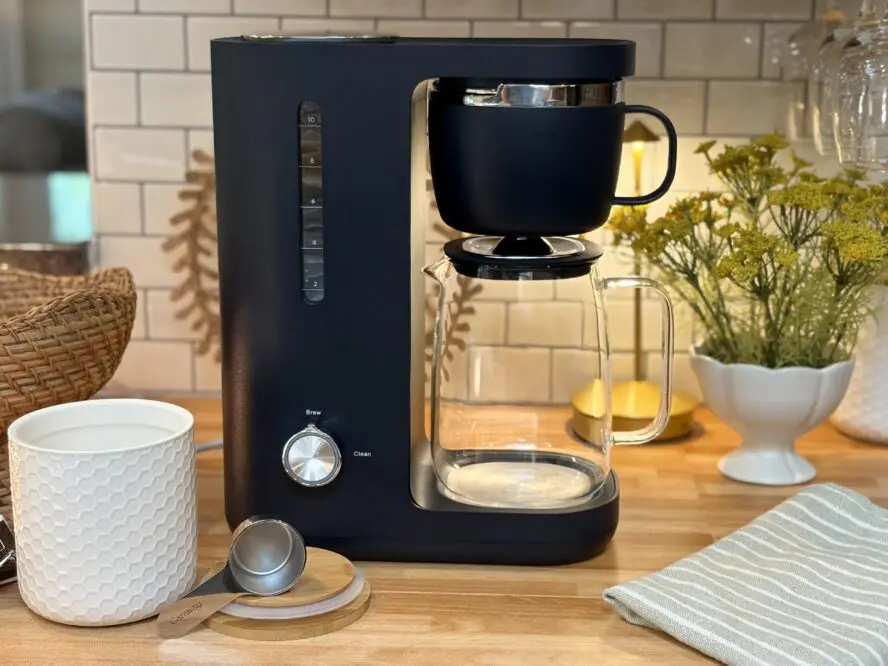
Enter the Caraway 10-Cup Coffee Maker, retailing at $495. Designed by the kitchenware brand widely recognized for its non-toxic ceramic and stainless steel cookware, this appliance introduces a "Clean Brew System." Its primary selling point is absolute: there is zero plastic contact anywhere along the brewing path. Furthermore, the unit is constructed entirely without PFAS (including PTFE and PFOA), lead, BPA, BPS, and cadmium. Marrying rigorous health-conscious engineering with an aesthetic inspired by mid-century modern design, this appliance challenges the long-held industry norm that automatic drip coffee must involve heated plastic.
Chronology: From Skepticism to Daily Conversion
The journey toward evaluating the Caraway Coffee Maker required overcoming years of industry skepticism. For many specialty coffee enthusiasts, standard drip machines are frequently dismissed as flat, bitter, and one-note compared to meticulous preparation methods like the French press, pour-over, or espresso.
The French Press and Pod Era
For approximately ten years, the reviewer’s kitchen operated strictly on French press immersion brewing, aluminum Nespresso pods, and occasional hand-crafted cortados. This preference was driven not only by a desire for complex flavor notes, but also by an acute awareness of consumer safety regarding heated plastics. Editors immersed in wellness reporting are intimately familiar with the perils of microplastics—tiny polymer fragments that resist biological processing and have been increasingly linked to chronic inflammation, hormonal disruption, and cardiovascular strain.
Unpacking and First Impressions
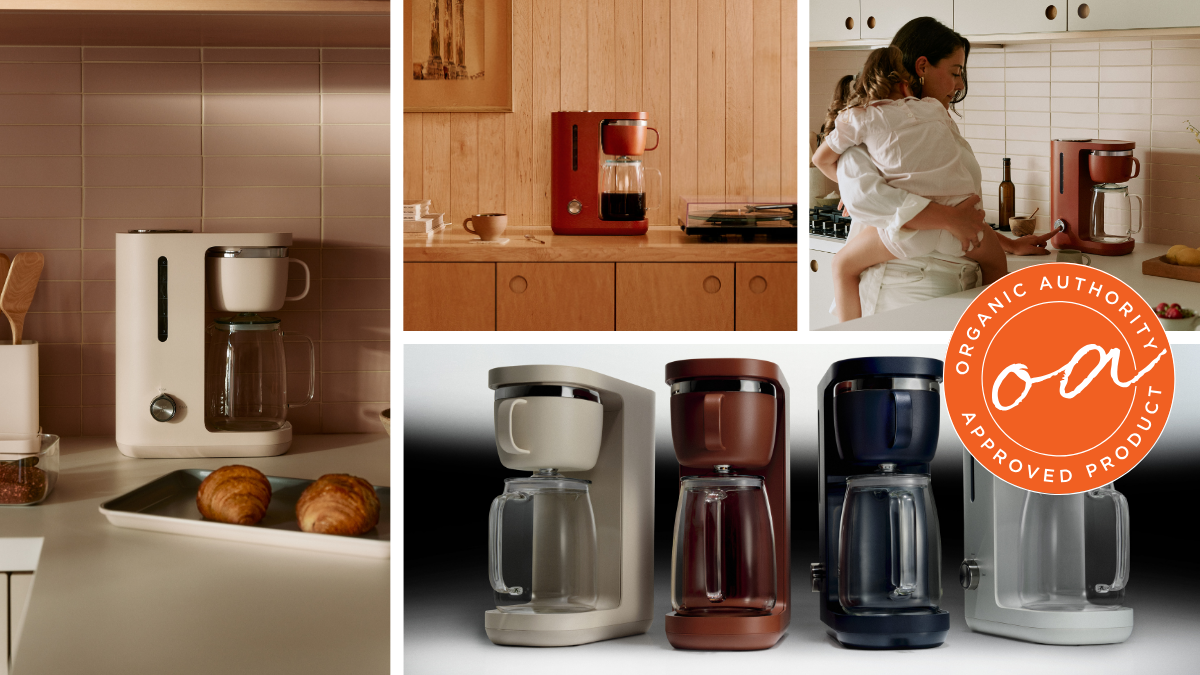
When Caraway dispatched their new 10-cup machine for testing, the initial reaction was cautious reservation. Unboxing the appliance, however, shifted that perspective rapidly. Available in four sophisticated colorways—Cream, Midnight, Stone, and Clay—the machine immediately commands attention with its matte, powder-coated metal housing. Unlike lightweight, hollow plastic appliances prone to shifting across countertops, the Caraway unit features a sturdy, substantial build. Even minor accessories, such as the weighted stainless steel coffee scoop, reflect an obsessive level of detail.
Following a quick setup and initial cleaning cycle, the first test brews challenged years of accumulated bias against automatic drip coffee, delivering a clean, remarkably transparent extraction reminiscent of manual pour-over methods.
Supporting Data: The Science of Plastic-Free Brewing and Extraction
To understand why a plastic-free coffee maker represents a significant market shift, one must examine the mechanics of thermal leaching and extraction standards.
The Microplastic Threat
Hot water is one of the most efficient catalysts for driving chemical compounds out of synthetic materials. Scientific literature confirms that everyday plastic components exposed to elevated temperatures release billions of microscopic particles per liter into liquids. Because human physiology lacks an efficient mechanism to eliminate microplastics, chronic exposure remains a growing public health concern. Eliminating plastic from the water reservoir, internal pathways, shower head, and brew basket removes a primary vector for daily ingestion.
Precision Engineering and SCA Standards
The Caraway Coffee Maker does not rely solely on its non-toxic credentials; it is engineered to meet professional brewing benchmarks.
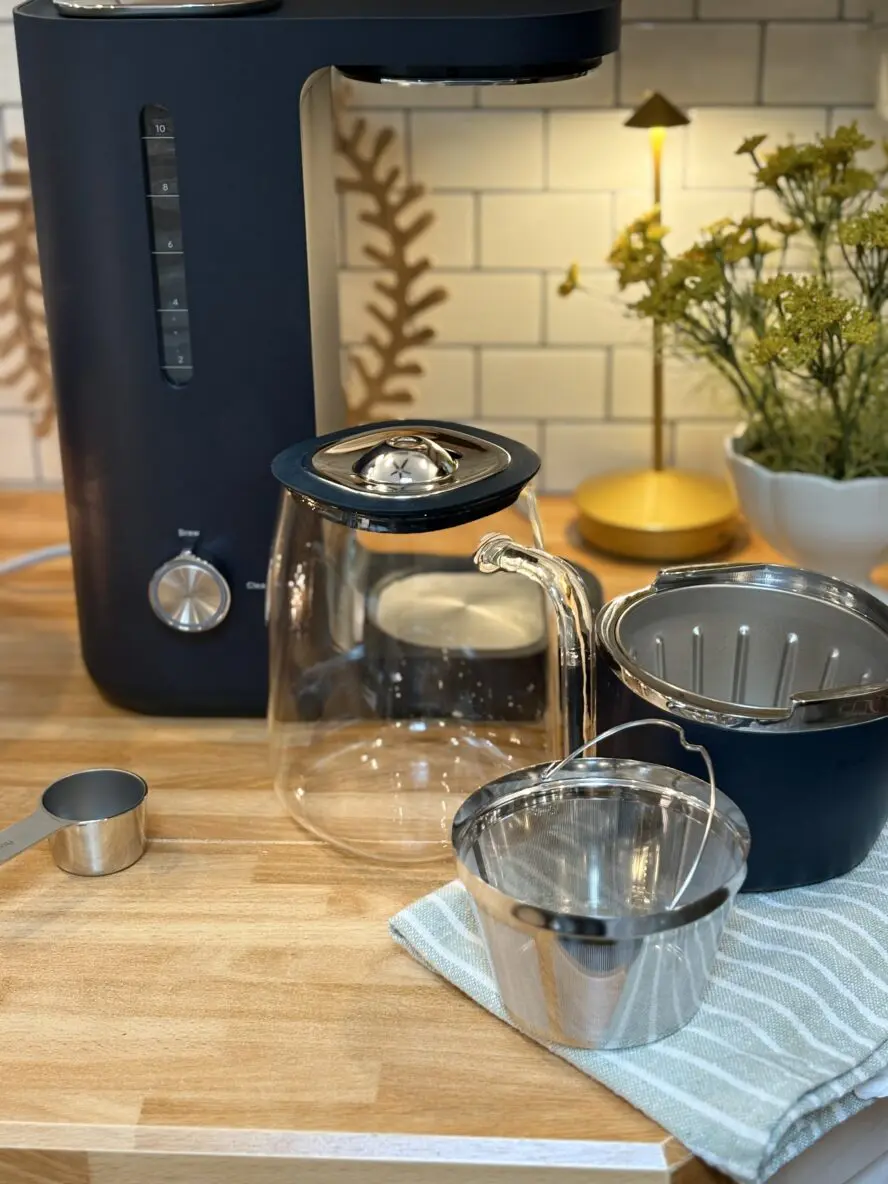
- The Clean Brew Path: Water travels from a glass reservoir through a stainless steel pathway and stainless steel shower head, ensuring steady heat distribution.
- Extraction Parameters: The machine operates strictly between 195°F and 205°F, aligning directly with the Specialty Coffee Association (SCA) Golden Cup standard for optimal flavor extraction.
- The Bloom Phase: An automatic pre-infusion "bloom" step saturates the coffee grounds before the full cycle commences, enhancing flavor clarity and mimicking manual pour-over techniques.
| Component Part | Traditional Drip Coffee Makers | Caraway 10-Cup Coffee Maker |
|---|---|---|
| Water Reservoir | Plastic | Pure Glass |
| Water Path/Tubing | Plastic Tubing | Stainless Steel Path |
| Shower Head | Plastic | Stainless Steel |
| Brew Basket | Plastic | Stainless Steel |
| Filtration | Disposable Paper Filters | Reusable Fine-Mesh Stainless Steel Filter |
| Carafe | Glass with Plastic Handle/Lid | Pure Glass with Stainless/Silicone Lid |
Official Responses and Material Transparency
Caraway’s corporate ethos has consistently centered on chemical transparency. Across their ceramic nonstick pots, stainless steel cookware sets, bakeware, and food storage lines, the brand has built consumer trust by eliminating "forever chemicals."
Independent consumer advocates and product testers have noted that the brand’s pivot into small kitchen appliances maintains these strict material thresholds. By refusing to compromise on internal components—areas where legacy manufacturers often cut corners by substituting hidden plastic valves and tubing—Caraway has established a new benchmark for premium kitchen electronics.
The company explicitly advises users against employing disposable paper filters in the 10-cup machine, noting that paper restrictions can cause overflow due to the high-flow design of the stainless steel mesh basket. This structural design choice keeps the system entirely closed-loop regarding non-toxic materials, though it introduces specific considerations regarding coffee oils and filtration.
Implications: Cost, Maintenance, and Market Positioning
Adopting a premium, health-forward appliance like the Caraway Coffee Maker carries distinct operational and financial implications for consumers.
Financial Investment and Alternatives
At a launch price of $495 (offset slightly by exclusive industry discount codes), the machine occupies a luxury tier for automatic drip brewers. It rivals specialized alternatives like Simply Good Coffee The Brewer (priced between $399 and $479 with a longer warranty) while undercutting commercial-grade espresso machines. Consumers must decide whether the elimination of plastic and superior aesthetic integration justify the premium price tag.
Maintenance and Practical Quirks
Transitioning to a fully stainless steel and glass brewing system alters daily kitchen routines:
- Daily Rinsing: The stainless steel brew basket and reusable mesh filter must be detached and rinsed after every use, contrasting with traditional machines where paper filters are simply tossed.
- Condensation Management: Users may encounter minor water condensation on the counter when removing the damp brew basket immediately post-brew—a minor ergonomic quirk easily solved with a small cloth.
- Cholesterol Considerations: Because the reusable stainless steel mesh filter allows natural coffee oils (containing diterpenes such as cafestol and kahweol) to pass into the cup, individuals closely monitoring their LDL cholesterol levels should consult healthcare providers regarding unfiltered coffee consumption.
The Verdict: Who Is This For?
The Caraway Coffee Maker is not designed for consumers who view morning coffee merely as a source of caffeine. Instead, it targets the wellness-oriented home chef who has already invested in filtered water, organic sourcing, and non-toxic cookware. For the disillusioned French press devotee or the safety-conscious consumer weary of hidden plastics, this appliance successfully merges rigorous material safety with a calmer, more mindful morning ritual.
