


For decades, the central defense of the agricultural chemical industry has rested on a foundational toxicology axiom: the dose makes the poison. Proponents of widespread pesticide and herbicide use have long conceded that these synthetic compounds possess toxic properties, but they have maintained a reassuring caveat—that the trace levels of residues found on crops, in waterways, and drifting into rural communities are simply too low to inflict meaningful harm.
That comforting narrative has just been dismantled.
A striking new study published in the Annals of Global Health reveals that several of the world’s most common agricultural chemicals—most notably the ubiquitous herbicide glyphosate—can induce genetic damage in human cells even when exposure occurs at remarkably low concentrations. The findings strike at the heart of current regulatory frameworks across the globe, suggesting that for many widely used crop treatments, there is no such thing as a "safe" threshold of human exposure.
Main Facts: A Paradigm Shift in Toxicology
The newly released research evaluates the genotoxic potential of ten high-priority agricultural pesticides. These chemicals were selected based on extensive previous evaluations conducted by the European Union, which scrutinized more than 200 distinct compounds for ecological and human health hazards.
The results of the Annals of Global Health study are as alarming as they are definitive:
- Widespread Genetic Risk: An overwhelming 80% of the pesticides tested demonstrated the capacity to damage, alter, or destabilize human DNA.
- Active US Registrations: Every single one of the eight toxic chemicals identified in the study remains fully approved and registered for agricultural and commercial use across the United States.
- Unprecedented Discoveries: For certain substances, such as the fungicides and insecticides cyprodinil and deltamethrin, this study provides the very first empirical evidence of potential human cellular damage.
- The Glyphosate Threat: In evaluations specifically targeting glyphosate—the active ingredient in Bayer’s flagship Roundup weedkiller—researchers observed measurable cell damage at exceptionally minute doses.
"Low-dose testing in toxicology is fundamental," explains senior author Daniele Mandrioli, a prominent researcher and the secretary general of the independent scientific organization Collegium Ramazzini. "Often, the effects of low doses are underestimated simply because they are not studied rigorously enough by regulatory bodies."
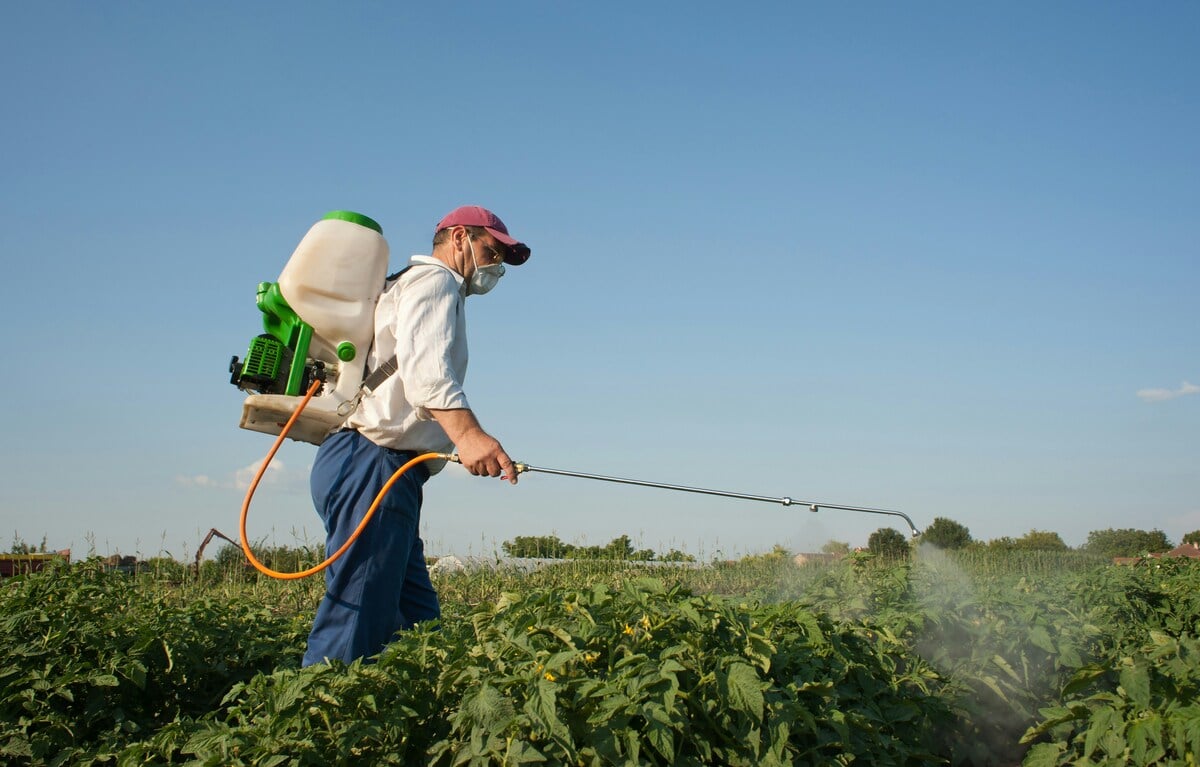
The implications of this research extend far beyond academic laboratories. For farmers, commercial landscapers, rural homeowners, and everyday gardeners, the study provides chilling validation for chronic health concerns that have persisted for generations.
Chronology: From Farm Fields to the Supreme Court
To understand how we arrived at this pivotal moment in public health and agricultural policy, it is necessary to trace the intertwined history of glyphosate, regulatory oversight, and the staggering wave of litigation that has defined the 21st century.
1974–1990s: The Rise of Roundup
Introduced to the market by Monsanto (which was later acquired by pharmaceutical and agricultural giant Bayer in 2018), glyphosate was heralded as a miracle chemical. Marketed under the brand name Roundup, it allowed farmers to clear fields of weeds without tilling the soil, preserving topsoil and boosting yields. For decades, it was classified by regulators as virtually harmless to humans, operating on biological pathways (the shikimate pathway) that are exclusive to plants and microorganisms.
2015: The WHO Shifts the Conversation
The consensus of absolute safety began to crack in March 2015, when the International Agency for Research on Cancer (IARC)—a specialized intergovernmental agency of the World Health Organization (WHO)—classified glyphosate as a "probable human carcinogen." The IARC evaluation pointed to compelling evidence linking occupational exposure to non-Hodgkin’s lymphoma, sparking global debate and triggering an avalanche of litigation.
2019–2023: The First Wave of Legal Reckoning
As tens of thousands of plaintiffs stepped forward claiming that their long-term exposure to Roundup caused their cancer, courts began to rule against Monsanto/Bayer. High-profile verdicts awarded millions of dollars to individual gardeners and agricultural workers—such as John Durnell, a Missouri gardener who sued the company in 2019 after developing non-Hodgkin’s lymphoma following years of using Roundup without safety warnings.
2024–2026: The Regulatory and Judicial Standstill
By June 2026, the legal landscape surrounding glyphosate reached a fever pitch, with approximately 65,000 active lawsuits pending against Bayer in United States courts.
However, corporate defense strategies achieved a major victory when the U.S. Supreme Court overturned lower-court rulings. In a landmark decision, the high court ruled that federal pesticide labeling laws preempt state-level failure-to-warn claims. In simple terms, the Supreme Court determined that individual states do not possess the constitutional authority to impose product warning labels that supersede federal EPA approvals. According to analyses by agricultural policy groups like Farm Progress, this decision threatens to throw out thousands of pending lawsuits against Bayer, leaving injured consumers with fewer legal remedies.
Supporting Data: What the Science Tells Us About Low-Dose Exposure
For decades, chemical manufacturers and federal regulatory agencies have relied on traditional toxicological models that assume linear relationships: the higher the dose, the greater the harm; conversely, trace exposures are assumed to produce negligible or zero effects.
The Annals of Global Health study shatters this assumption by focusing on "low-dose non-monotonic responses"—biological realities where low concentrations of a chemical can trigger disproportionately severe disruptions in endocrine, cellular, or genetic systems.
Understanding Genotoxicity
Genotoxicity refers to the destructive property of chemical agents that damages the genetic information within a cell, disrupting its normal replication and integrity. When DNA is damaged, cells can either undergo programmed cell death (apoptosis) or survive with mutations. These mutations are the foundational precursors to oncogenesis—the formation of cancer.
When researchers tested glyphosate and its co-formulants at environmental and occupational residue levels, they discovered that the compound acts as a genotoxic stressor. This finding aligns with a growing body of independent literature showing that human biomarkers for glyphosate have risen dramatically over the past generation, correlating with increased industrial and residential usage.
Regulatory Blind Spots
Most regulatory approvals granted by bodies like the U.S. Environmental Protection Agency (EPA) rely heavily on safety data provided by the chemical manufacturers themselves, tests that historically evaluated high-dose acute toxicity rather than chronic, low-dose cellular disruption. Independent researchers argue that the current regulatory paradigm is fundamentally outdated, failing to account for cocktail effects (how multiple low-dose pesticides interact within the human body) and generational genetic drift.

Official Responses: Industry Defense Versus Scientific Alarm
The reaction to the new study and the broader glyphosate debate highlights a deep chasm between commercial agricultural interests and the independent scientific community.
The Corporate Stance
Bayer and other major agrochemical manufacturers continue to defend the safety of their products aggressively, pointing to decades of regulatory approvals and independent reviews that they argue validate glyphosate’s safety profile when used according to label instructions. Following favorable rulings from federal courts and the Supreme Court, corporate leadership maintains that science does not support claims that Roundup is a carcinogen or that low-level residues pose a public health crisis.
In public statements, corporate representatives frequently emphasize that regulatory bodies across more than 160 countries have continuously reviewed glyphosate and found it safe for agricultural applications. They argue that removing such tools would severely disrupt global food production, increase consumer food prices, and force farmers to adopt less efficient, more carbon-intensive tilling methods.
The Scientific Alarm
Conversely, independent toxicologists, public health advocates, and medical organizations view the continuous defense of these chemicals as a public health failure.
"We are looking at systemic institutional inertia," notes a public health researcher familiar with the Annals of Global Health findings. "When 80% of a prioritized list of common agricultural chemicals demonstrate DNA-damaging capabilities at low doses, we are no longer talking about isolated incidents of contamination. We are talking about a pervasive background level of cellular assault that affects everyone—from farmworkers handling the concentrated formulas to consumers eating the final harvest."
Organizations like the Collegium Ramazzini are calling for an immediate overhaul of international chemical assessment protocols, urging governments to incorporate low-dose genotoxicity testing as a mandatory baseline requirement before any pesticide is granted market registration.

Implications: Where Do We Go From Here?
The convergence of this groundbreaking scientific study and the ongoing legal battles over Roundup forces a critical reckoning for policymakers, agricultural producers, and consumers alike.
1. Re-evaluating Regulatory Standards
If low-dose exposure to glyphosate and other agricultural chemicals can actively damage human DNA, existing federal safety thresholds—often referred to as Acceptable Daily Intakes (ADIs)—must be urgently re-examined. Regulators can no longer safely assume that trace residues in food and water are biologically inert.
2. The Future of Farming and Crop Management
American agriculture is deeply dependent on chemical weed and pest control. Transitioning away from glyphosate-reliant systems requires substantial investment in regenerative agriculture, cover cropping, precision robotics, and biological pest controls. While organic farming has proven that large-scale food production is possible without synthetic chemicals, mainstream adoption faces economic and infrastructural hurdles.
3. Consumer Choices and Personal Protection
For gardeners, landscapers, and everyday consumers, the study serves as a stark warning. Individuals who handle concentrated lawn and garden products are advised to wear personal protective equipment (PPE)—including gloves, respirators, and eye protection—far beyond what product labels traditionally mandate. Furthermore, consumers looking to minimize their dietary exposure increasingly turn to certified organic produce, which prohibits the use of synthetic glyphosate and most conventional agricultural chemicals.
4. Legal and Legislative Reform
As the Supreme Court closes certain avenues for tort litigation through federal preemption doctrines, the battleground is shifting back to state legislatures and regulatory agencies. Lawmakers face mounting pressure to pass localized bans, implement stricter disclosure laws, and compel chemical manufacturers to fund independent long-term health studies.
Conclusion
The myth that "the dose makes the poison" is no longer adequate to protect human health in the 21st century. By demonstrating that common agricultural chemicals cause genetic damage even at minute levels of exposure, modern science has pierced the regulatory shield that has protected the pesticide industry for decades. As the legal dust settles around corporate boardrooms and appellate courts, the fundamental question remains: how long can public policy ignore the cellular reality written into our own DNA?
