

By Leigh Smith
Published by Organic Authority
When July arrives, our skin demands more of our attention than during any other month of the year. We spend longer hours outdoors, sweat profusely, and rapidly cycle through bathroom cabinets searching for the latest serums and mists to remedy heat-induced flare-ups. Yet, when skin begins to act up—turning dry, irritated, or dull—most people overlook the most foundational element of all: what is on the end of their fork.
Summer is the season when this nutritional gap becomes most glaringly obvious. Skin is far easier to feed from the inside out than it is to rescue from the outside in with topical quick-fixes. While heavy moisturizers and high-SPF sunscreens remain non-negotiable summer armor, they cannot compensate for a dietary deficit of structural building blocks. To maintain a resilient, glowing complexion through the dog days of summer, true skincare must start on the plate.
Main Facts: What Summer Actually Does to Your Body and Skin
To understand why our dietary needs shift as the weather warms, we must first examine the physiological impact of heat. When the temperature climbs, three major shifts occur simultaneously within the human body:

- Accelerated Fluid and Electrolyte Loss: Through the process of thermoregulation via sweat, the body expels significant amounts of water alongside essential minerals, primarily sodium and potassium.
- Depleted Antioxidant Reserves: Increased exposure to ultraviolet (UV) radiation generates free radicals in the skin. Neutralizing these free radicals rapidly exhausts the skin’s stored antioxidants faster than the body can naturally replenish them.
- Suppressed Appetite and Dietary Shifts: High ambient temperatures naturally suppress the appetite, leading us to favor lighter, colder meals. Consequently, daily intake of protein and healthy fats often drops precipitously compared to our winter diets. While eating lighter is not inherently problematic, stringing together days of inadequate protein intake leaves the body devoid of the specific amino acids required for cellular repair.
None of this suggests that diet can replace a reliable sunscreen or a soothing moisturizer. Rather, nourishing your body with the right internal inputs gives your skin a vastly superior starting point than the typical de-salted, low-protein summer diet provides.
Chronology of Seasonal Stress: How Summer Habits Impact Skin Integrity
The decline in skin health during the summer months rarely happens overnight; it follows a predictable physiological timeline driven by seasonal lifestyle shifts.
Week 1–2: The Onset of Heat and Dehydration
As temperatures spike in early summer, outdoor activities increase. Increased perspiration leads to mild, chronic dehydration if fluid intake is not properly managed. Because many people rely solely on plain water, they unknowingly wash away vital electrolytes (sodium and potassium) without replacing them. The skin’s outer barrier, lacking proper electrolyte balance and moisture, begins to feel tight and lose its natural plumpness.
Week 3–4: UV Accumulation and Antioxidant Exhaustion
Weeks of sustained sun exposure take a toll on the skin’s internal defense systems. The skin’s native stores of vitamins C and E, along with protective carotenoids, become depleted as they neutralize UV-induced oxidative stress. Without a continuous supply of these micronutrients from fresh summer produce, the skin becomes more susceptible to micro-damage, redness, and inflammation.

Week 5 and Beyond: The Protein Deficit and Repair Slowdown
By mid-summer, appetite fatigue often sets in. Diets heavy in processed barbecue sides, salads devoid of protein, and erratic meal schedules mean the body lacks the raw materials—specifically amino acids like glycine and proline—needed to synthesize collagen. Cellular turnover slows, minor blemishes take longer to heal, and the skin begins to look weathered and fatigued despite rigorous topical routines.
Supporting Data: The Core Nutrients Driving Summer Skin Health
Targeted nutrition can intercept this seasonal decline. Specific vitamins, minerals, and macronutrients play direct roles in maintaining the skin’s architecture, hydration, and UV resilience.
1. Hydration Starts on the Plate
A surprisingly large share of daily fluid intake comes from food rather than a glass. Fortunately, peak summer produce ranks among the most water-dense foods available.
- Water-rich foods: Watermelon, cucumbers, tomatoes, berries, oranges, and leafy greens boast exceptionally high water content while simultaneously delivering potassium. Eating these foods effectively hydrates the body organically.
- Electrolyte replenishment: Because sweat strips the body of sodium and potassium, plain water alone cannot fully restore internal balance. Salty foods and potassium-rich options—such as cantaloupe, beans, yogurt, and potatoes—are vital after an afternoon outdoors.
2. Vitamin C and Collagen Synthesis
The human body cannot synthesize collagen without vitamin C, which acts as an essential cofactor in the biochemical process. A dietary shortfall manifests not as an acute emergency, but as sluggish cellular repair and a dull complexion.

- Top sources: Bell peppers, strawberries, kiwis, citrus fruits, and broccoli are abundant in summer and serve as reliable vitamin C sources.
- The heat caveat: Vitamin C degrades rapidly when exposed to heat, light, and time. Consuming a bell pepper raw delivers significantly more active vitamin C than one that has languished in a produce drawer for days before being thrown into a hot saute pan.
3. Carotenoids and Cooked Tomatoes
Lycopene and beta-carotene accumulate in dermal tissue over weeks of consistent consumption. Clinical research suggests that individuals who maintain a steady intake of these antioxidants exhibit a modest, measurable increase in their skin’s resistance to UV-induced erythema (redness). However, this is strictly a background defense mechanism and should never be viewed as a substitute for topical SPF.
- Bioavailability: Lycopene is absorbed far more efficiently from cooked tomatoes paired with a small amount of healthy fat (such as olive oil) than from raw tomatoes. Consequently, a simple, homemade tomato sauce is more beneficial for skin protection than a raw side salad.
- Beta-carotene sources: Carrots, sweet potatoes, apricots, and red peppers round out the daily requirements.
4. Omega-3 Fatty Acids and the Skin Barrier
The stratum corneum—the outermost layer of the skin—is responsible for locking moisture in. The dietary fats you consume directly dictate how effectively this lipid barrier performs its job.
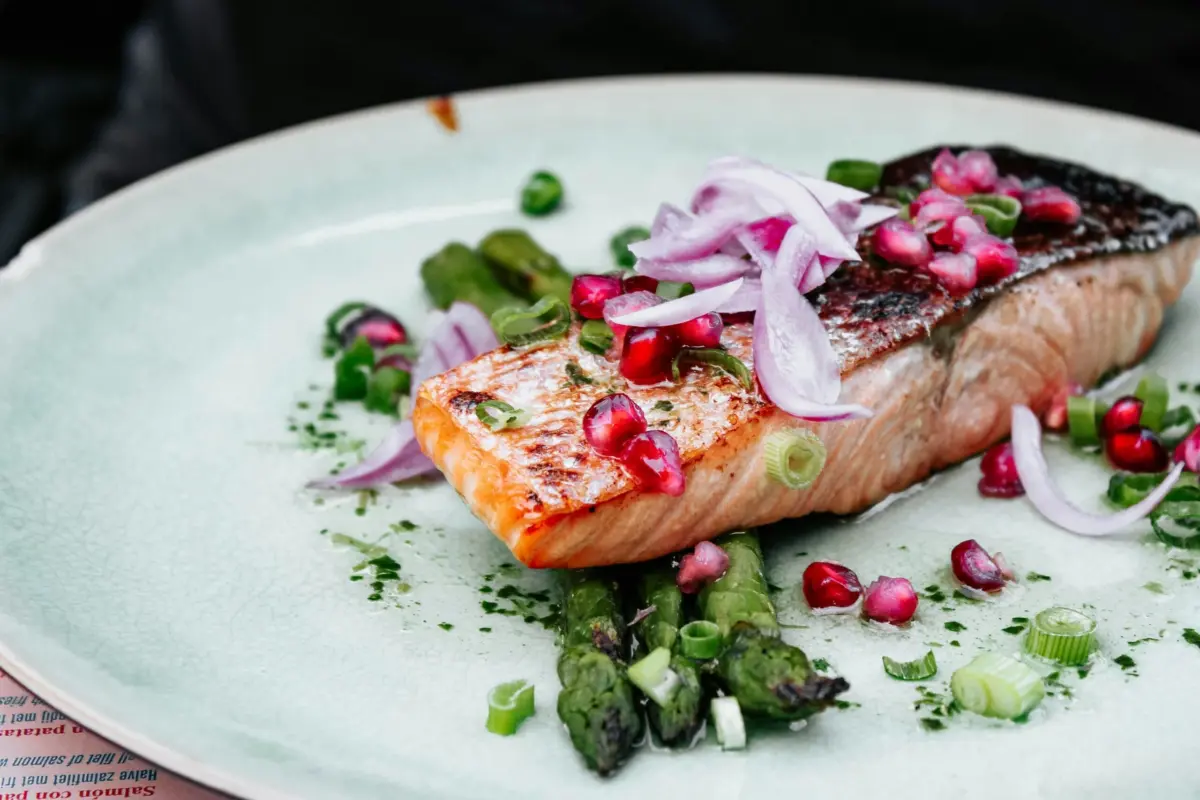
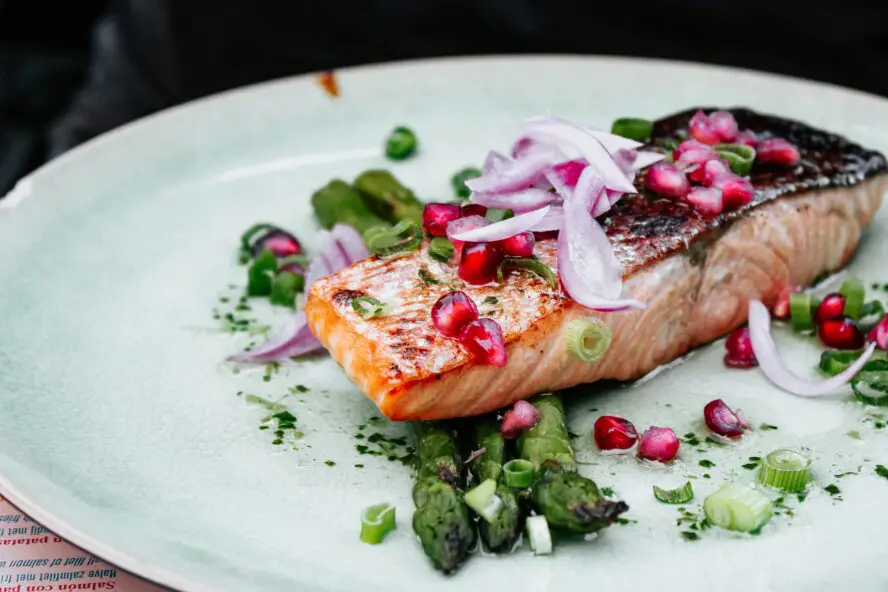
- Marine sources: Consuming fatty fish (such as salmon, mackerel, or sardines) twice a week is the gold standard for supporting the skin barrier with bioavailable omega-3 fatty acids.
- Plant-based routes: Walnuts, flaxseeds, and chia seeds offer plant-based omega-3s (ALA), though the human body converts these less efficiently, requiring higher overall quantities to achieve a comparable protective effect.
5. Protein and Zinc for Cellular Repair
Collagen is constructed from specific amino acids—predominantly glycine and proline—which are derived from standard dietary proteins. Meanwhile, zinc supports wound healing, immune function, and rapid skin cell turnover.
- Zinc-rich foods: Shellfish, lean beef, lentils, chickpeas, and pumpkin seeds are excellent sources.
- Distribution strategy: Spreading protein intake evenly across breakfast, lunch, and dinner—rather than loading the bulk of it into a single evening meal—ensures a steady stream of amino acids is constantly available for ongoing skin repair.
6. The Gut-Skin Axis: Separating Fact from Fiction
Fermented foods—such as yogurt, kefir, sauerkraut, and kimchi—frequently dominate wellness conversations regarding skin health. While the scientific research linking gut microbiome diversity to inflammatory skin conditions is legitimate, it is still in its infancy. Current studies do not support the sweeping claim that eating sauerkraut will magically clear acne or erase wrinkles. The gut-skin connection warrants attention as science evolves, but consumers should remain skeptical of overhyped claims.
Official Responses and Expert Perspectives: Bridging Diet and Dermatology
Dermatologists and clinical nutritionists increasingly emphasize that skincare and nutrition must be viewed as an integrated system rather than two entirely separate disciplines.
Dr. Elena Vance, a board-certified dermatologist specializing in integrative aesthetics, notes: "Patients frequently spend hundreds of dollars on advanced topical formulations while neglecting the baseline nutritional status of their skin. If your diet is starved of essential fatty acids, complete proteins, and antioxidants, you are essentially asking your skincare products to build a house on a foundation of sand. Topical treatments manage the surface; nutrition builds the structure."
Furthermore, public health bodies and nutritional scientists agree that while whole foods provide an optimal matrix of vitamins and minerals, supplements should only serve as a targeted safety net rather than a replacement for a colorful, produce-rich diet. The synergistic effect of eating whole fruits, vegetables, healthy fats, and proteins cannot be easily replicated in a laboratory pill.
Implications: What Food Cannot Do—and Finding the Right Balance
While upgrading your summer diet profoundly impacts skin health, it is equally important to maintain realistic expectations regarding its limitations.

- Diet does not block UV rays: No matter how many carrots you eat or how much lycopene you absorb, food cannot substitute for broad-spectrum sunscreen.
- Diet does not replace a moisturizer: Eating hydrating foods supports internal moisture regulation, but it will not instantly soothe skin that is parched, tight, and wind-burned after a long day at the beach.
- Diet cannot fix product irritation: If a topical skincare product causes an allergic reaction or irritates your epidermal barrier, internal nutrition will not counteract that chemical stressor.
Food builds the material your skin is made of; topical products manage the surface environment; and sunscreen protects against the environmental damage your diet cannot touch. These elements work best when deployed harmoniously, without demanding that one mechanism do the job of another.
For those looking to gift a skincare enthusiast whose routine is already meticulously dialed in, keep in mind that topical products are deeply personal. Formulas that worked wonderfully in February may fail in the heat of July, and variations in individual skin types mean that guessing a specific serum or moisturizer is a gamble. Allowing them to select their own formulas—perhaps via a versatile gift card to a specialized beauty retailer—is often a far more practical and appreciated gesture.
Summary: A Simple Weekly Blueprint for Summer Skin
Transforming your summer nutrition does not require a restrictive meal plan or an exhaustive lifestyle overhaul. Adopting a handful of consistent, manageable habits will cover the vast majority of the nutritional ground your skin requires during the warmer months:
- Prioritize water-dense seasonal produce at every meal to support internal hydration naturally.
- Include healthy fats and electrolytes (such as potassium-rich cantaloupe or lightly salted nuts) after extended sun and sweat exposure.
- Consume vitamin C-rich foods raw and fresh to maximize active nutrient delivery before heat degradation occurs.
- Spread your protein intake evenly across the day to maintain a steady supply of amino acids for continuous collagen synthesis and repair.
- Incorporate cooked tomatoes with healthy oils regularly to steadily build up your skin’s baseline carotenoid defenses.
Summer skin is unequivocally easier to feed than it is to rescue. By supplying your body with water-rich produce, steady protein, heat-preserved vitamin C, and barrier-supporting fats, you carry the heavy load from the inside out. Pair these nutritional cornerstones with careful topical choices and reliable sun protection, and your skin will maintain its healthy, radiant resilience all summer long.
