

By Lizzy Briskin
Published by Organic Authority
For millions of people worldwide, the day does not truly begin until the rich, comforting aroma of freshly brewed coffee fills the kitchen. Whether it is a dark roast to jolt the senses awake or a smooth medium blend sipped slowly while catching up on the morning news, coffee is a sacred daily ritual.
In an era of economic mindfulness and heightened health awareness, many consumers have opted to brew their coffee at home rather than frequenting commercial cafes. Purchasing organic coffee beans, filtering local tap water, and pouring the final product into a favorite ceramic mug all feel like steps toward a healthier, more intentional lifestyle.
Yet, a pervasive, invisible culprit often hides in plain sight: the coffee maker itself.
Despite sleek stainless steel exteriors and polished glass carafes, the vast majority of modern coffee machines rely heavily on internal plastic components. Heated water, forced under pressure or gravity through plastic tubing, liquid containers, and spray nozzles, creates a recipe for chemical leaching. As consumers become increasingly vigilant about endocrine disruptors and microplastics in their daily lives, the push for completely plastic-free and low-plastic kitchen appliances has shifted from a niche preference to an essential wellness movement.
Main Facts: The Hidden Plastic Crisis in Morning Coffee
The core issue facing home brewers is material degradation under thermal stress. When plastics—even those labeled as "BPA-free"—are repeatedly exposed to boiling or near-boiling water, the polymer matrix softens and degrades. This process can shed microscopic plastic particles (microplastics) and leach synthetic chemical compounds directly into the liquid beverage.
- Thermal Stress and Leaching: Continuous heating cycles break down plastics, meaning that every cup of morning coffee may carry microscopic fragments or chemical plasticizers.
- The Illusion of Exterior Stainless Steel: Many machines market themselves as "stainless steel" based solely on their outer shell or thermal carafe, while concealing plastic water reservoirs, internal heating tubes, and plastic drip baskets on the inside.
- The Shift to Non-Toxic Kitchens: Just as consumers have largely abandoned non-stick Teflon pans for cast iron and ceramic, and plastic cutting boards for wood, the coffee machine represents the final frontier of thermal food-contact appliances.
- The Market Gap: True plastic-free automatic coffee makers remain rare. While manual brewers like French presses and ceramic pour-overs are inherently plastic-free, automating the process usually introduces synthetic components—forcing buyers to choose between convenience and absolute purity.
Chronology: How the "Plastic-Free Kitchen" Movement Reached the Coffee Bar
The modern crusade against household plastics did not begin in the kitchen; it started with concerns over bottled water, single-use packaging, and synthetic food containers. Over the past decade, scientific research linking microplastics to cellular disruption, hormonal imbalances, and inflammation forced a hard look at everyday consumer goods.
- Early 2010s: Awareness campaigns focused primarily on Bisphenol A (BPA) in baby bottles and water bottles, leading manufacturers to adopt "BPA-free" labels. However, subsequent studies revealed that replacement compounds (like BPS) could carry similar endocrine-disrupting properties.
- Mid-to-Late 2010s: The wellness community expanded its focus to cookware safety, highlighting the dangers of per- and polyfluoroalkyl substances (PFAS) and micro-shedding from plastic kitchen tools, cutting boards, and blenders.
- 2020–2024: Scientific detection methods improved dramatically, allowing researchers to find microplastics in human bloodstreams, lungs, and placenta tissue. Consumers began questioning every thermal touchpoint in food preparation.
- Present Day: Manufacturers have finally begun responding to consumer demand. While manual glass-and-steel setups have always existed, brands are now engineering sophisticated automatic drip machines built specifically to eliminate or drastically reduce plastic-to-water contact.
Supporting Data: Evaluating the Top Low-Plastic and Plastic-Free Coffee Makers
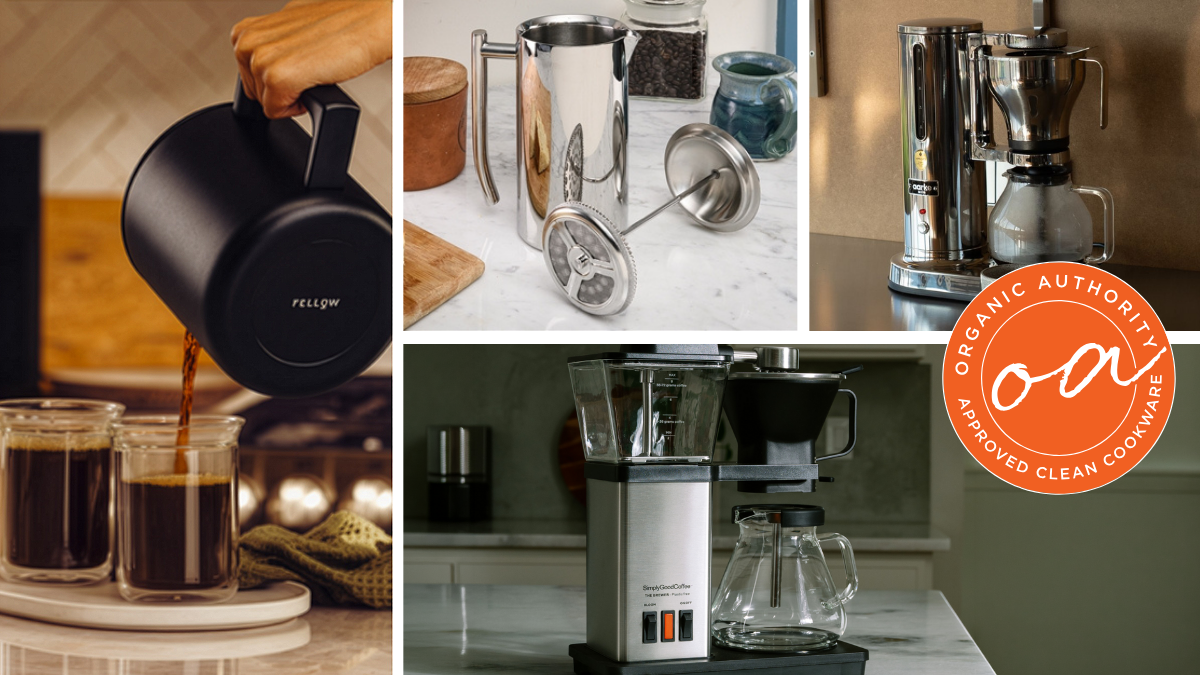
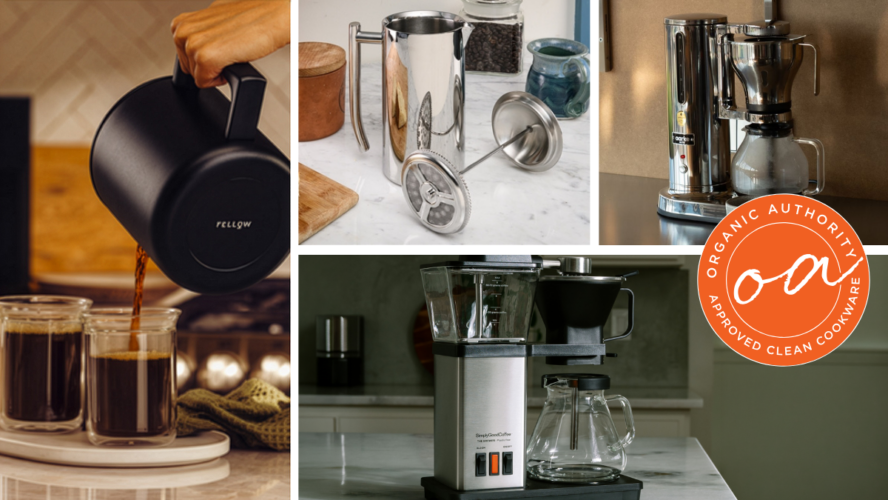
To help consumers navigate this evolving market, extensive testing was conducted across four leading appliances. Each machine was evaluated based on material quality, brewing performance, durability, ease of use, capacity, and overall value.
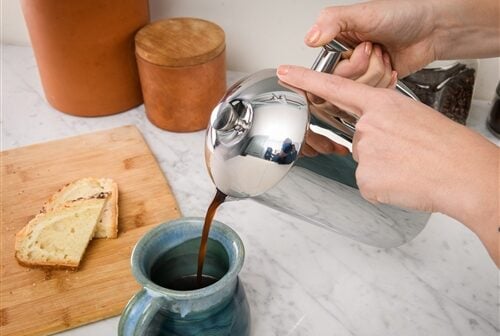
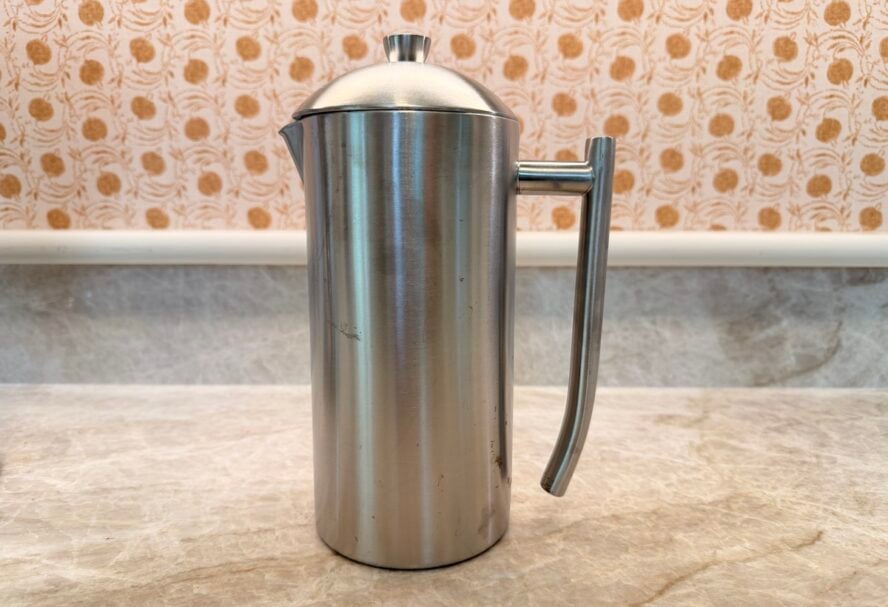
1. Frieling Brushed Stainless Steel French Press
- Brewing Style: French Press
- Plastic Contact: None (100% Stainless Steel)
- Price: $89.95
- Best Known For: Lifetime durability and superior heat retention.
For unmatched simplicity and longevity, the Frieling French Press stands out as a gold standard. Constructed entirely from double-wall stainless steel, it keeps coffee hot for up to an hour without a heating element. Its rugged build means it can easily double as a cold-brew maker when placed in the fridge overnight. Having survived over a decade of daily use in testing, it proves that low-tech solutions often outlast high-tech appliances. It is entirely dishwasher safe and imparts zero metallic or synthetic taste to the brew.
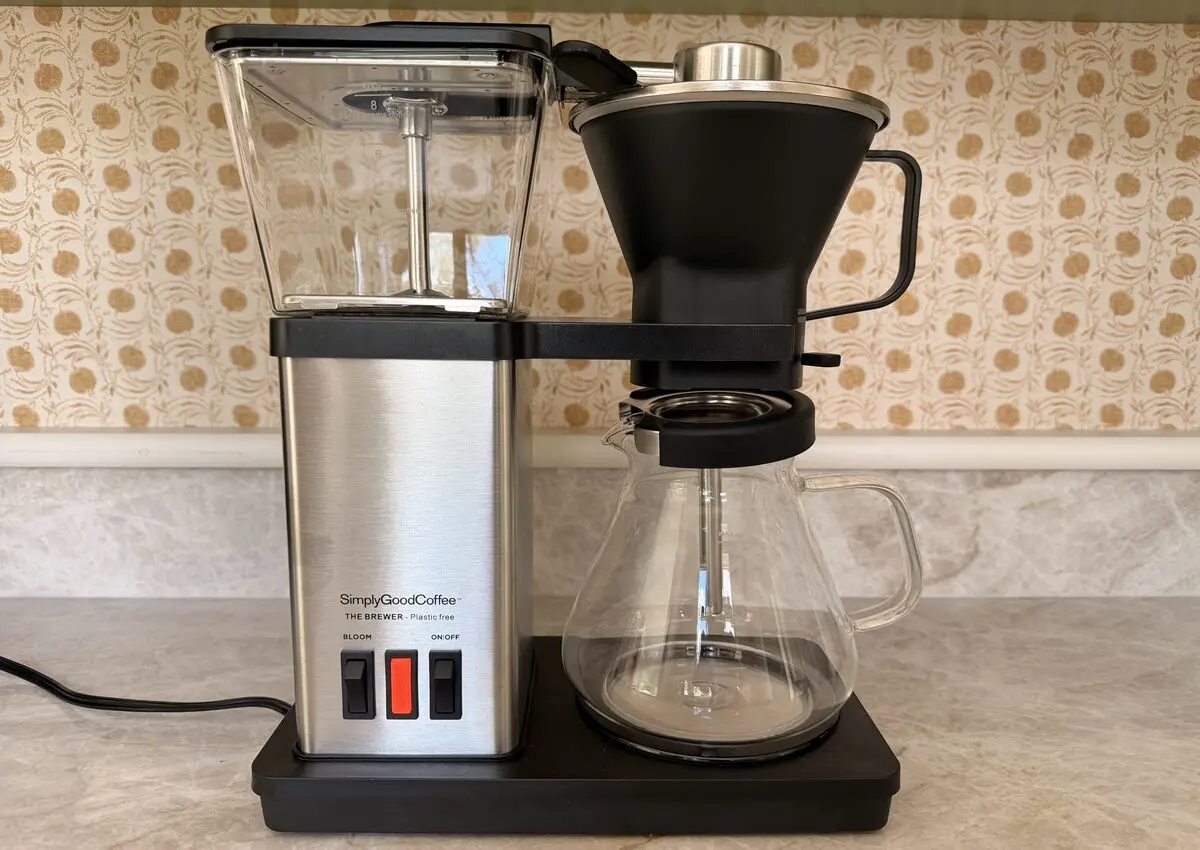
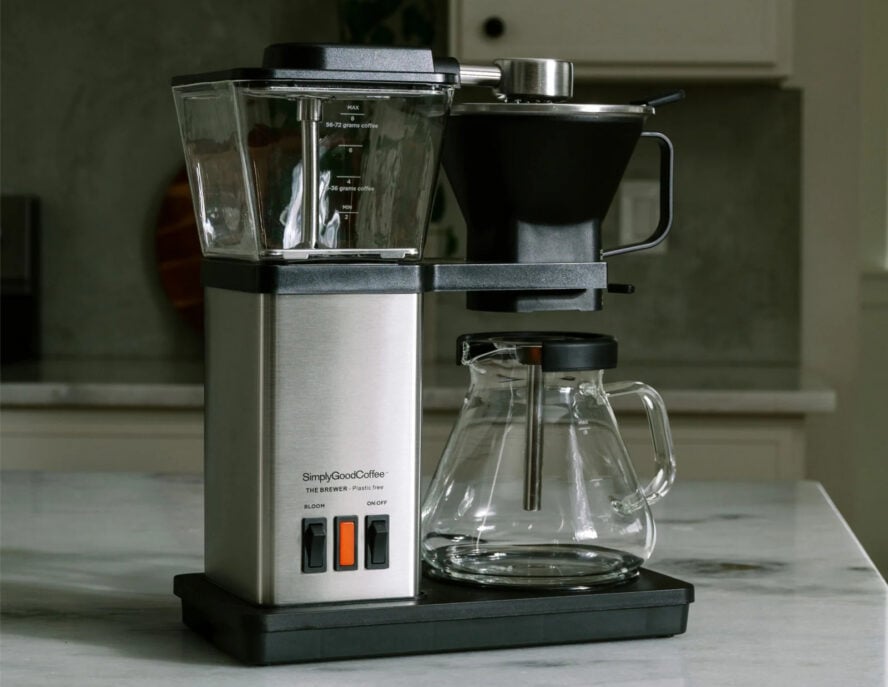
2. SimplyGoodCoffee The Brewer
- Brewing Style: Pour-Over / Automatic Drip
- Plastic Contact: None
- Price: $479.99
- Best Known For: Fully automatic, plastic-free brewing.
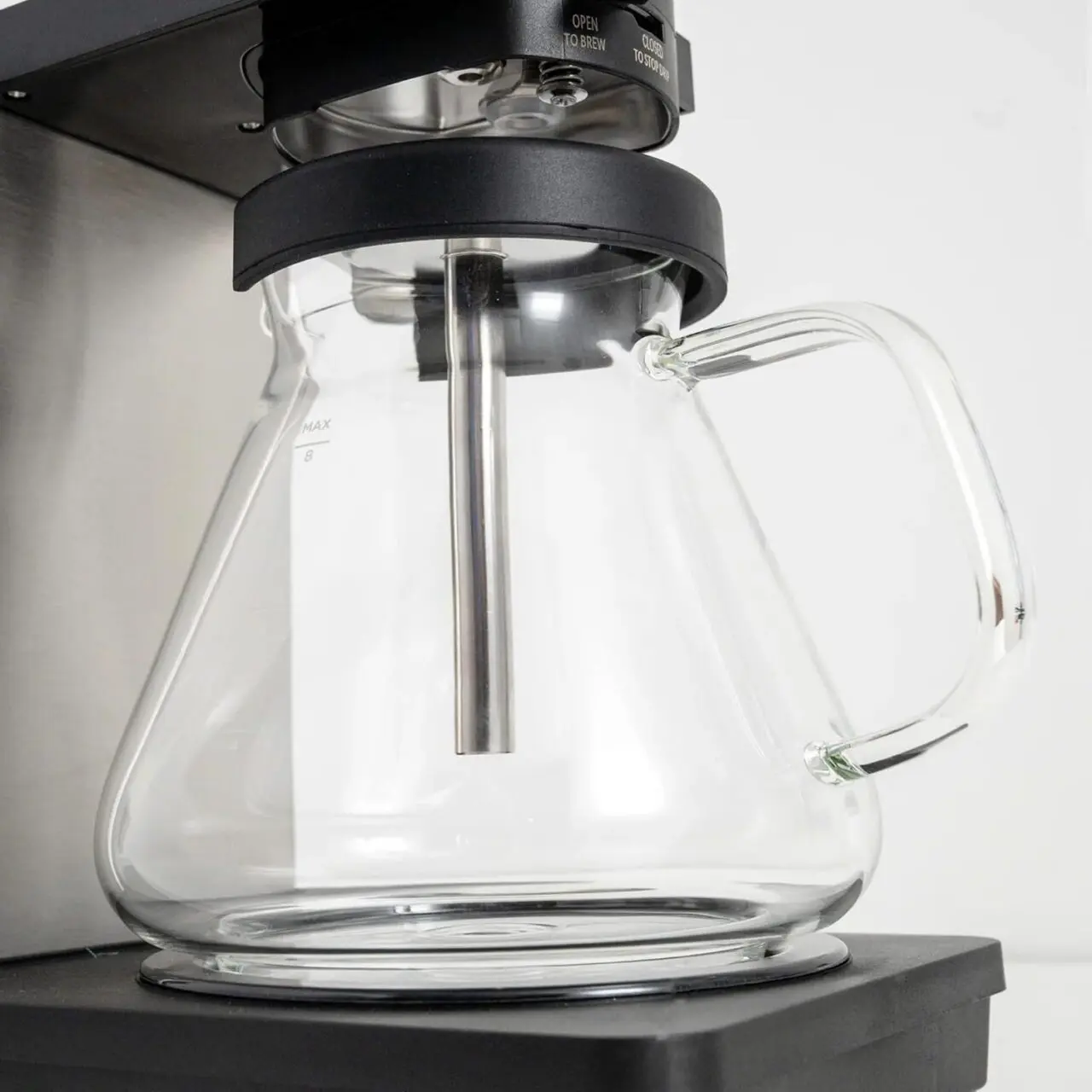
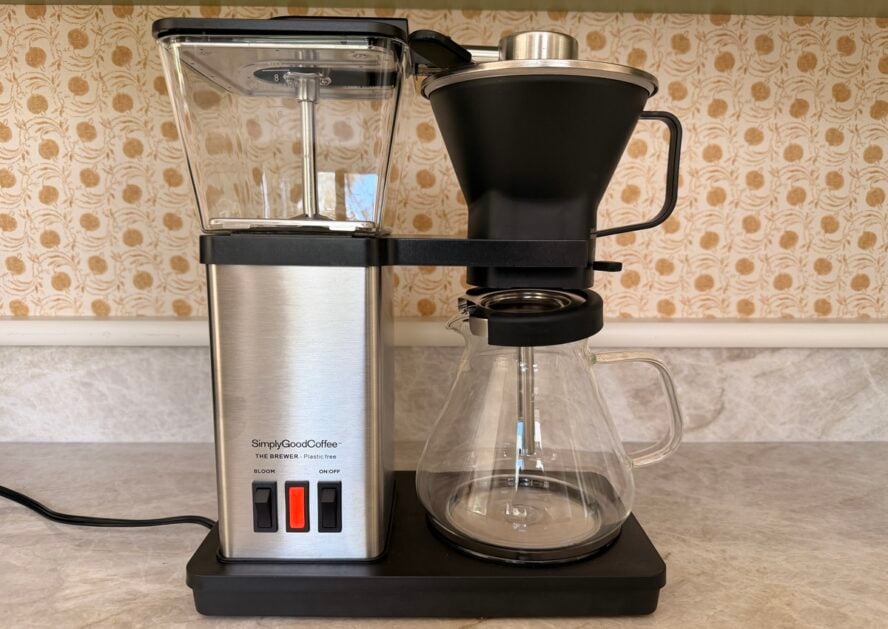
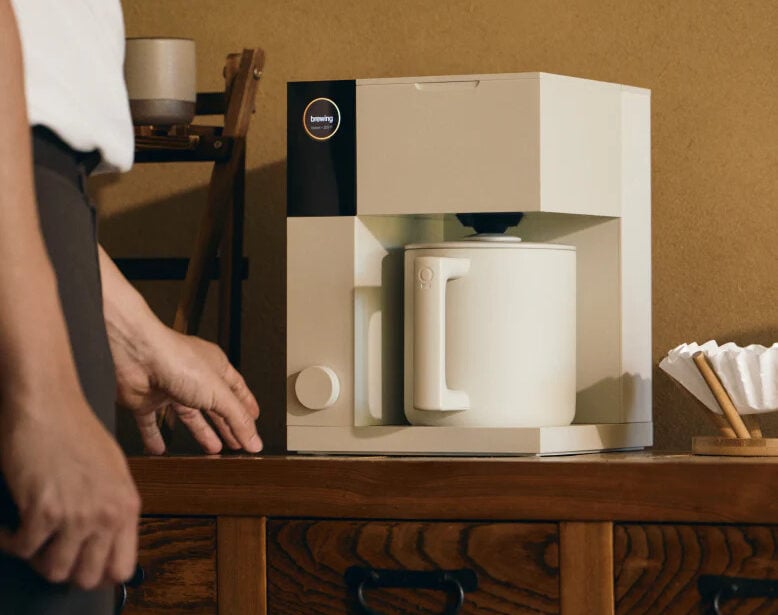
For those who crave the automation of a traditional drip machine without sacrificing purity, The Brewer by SimplyGoodCoffee is a technological breakthrough. Utilizing borosilicate glass, stainless steel, and a reusable metal filter, this machine completely eliminates plastic and aluminum from water- and coffee-contact zones. It operates via a single-button automatic pour-over design, maintaining precise brewing temperatures to optimize flavor extraction. While it carries a steep price tag, its 8-cup capacity and dishwasher-safe removable parts make it the premier choice for automated, plastic-free convenience.
3. Fellow Aiden Precision Coffee Maker
- Brewing Style: Automatic Drip
- Plastic Contact: Minimal (BPA-free plastic water tank)
- Price: $399.95
- Best Known For: Precision brewing and customizable extraction.
The Fellow Aiden bridges the gap between specialty pour-over quality and automated ease. While its internal water reservoir does contain BPA-free plastic—meaning it is not strictly plastic-free—its thermal carafe and brew path minimize plastic exposure significantly compared to standard market machines. It features a stunning full-color digital interface, pulse-shower extraction to prevent bitterness, and app integration for scheduled brewing and precise temperature control.
4. Aarke Coffee Maker
- Brewing Style: Automatic Drip
- Plastic Contact: Minimal
- Price: $400
- Best Known For: Scandinavian design and SCA-certified brewing.
The Aarke Coffee Maker is an aesthetic and functional powerhouse. Built with significantly less plastic than standard drip machines, it utilizes a borosilicate glass carafe and a smart warming plate (or an optional insulated stainless steel thermal jug). Water is precisely heated between 197°F and 205°F and showered evenly over the grounds. Features like a built-in descaling mode and a pre-infusion "blooming" phase make it a top-tier choice for design-conscious coffee lovers looking to cut down on plastic exposure.
Official Responses and Industry Shifts
As consumer advocacy groups push for stricter material transparency in small kitchen appliances, legacy manufacturers are finding themselves under pressure.
Independent testing organizations and consumer watchdogs have increasingly penalized brands that rely on vague "food-grade plastic" designations. In response, forward-thinking challenger brands like SimplyGoodCoffee and Aarke have capitalized on the wellness market by publishing explicit material breakdowns—certifying that their water paths are free from polymers, aluminum, and heavy metals.
Furthermore, specialty coffee associations (SCA) have begun acknowledging that water-contact materials do more than just affect health; they directly alter flavor profiles. High-end manufacturers note that eliminating plastic contact points often results in a cleaner, more vibrant cup of coffee free from the subtle synthetic aftertastes common in heated plastic carafes.
Implications: Making the Switch for Your Health and Routine
Transitioning away from a traditional coffee maker requires weighing convenience against long-term wellness goals.
- The Purist Route: If absolute zero plastic is the priority, manual methods like the Frieling French press or a ceramic pour-over cone are unmatched in safety, affordability, and durability.
- The Automated Investment: For households unwilling to sacrifice morning automation, premium low-plastic and plastic-free drip machines represent a higher upfront investment that pays dividends in peace of mind and flavor fidelity.
- The Cumulative Effect: Reducing plastic exposure is not about achieving perfection overnight; it is about eliminating major daily sources of synthetic ingestion. Replacing a thermally degraded plastic coffee machine with a stainless steel or glass alternative removes hundreds of hot-water-to-plastic contact events from a yearly routine.
Ultimately, a truly clean morning cup of coffee begins long before the beans are ground—it starts with the integrity of the brewer itself. By investing in better materials, consumers are not only protecting their long-term health, but elevating the foundational ritual of their day.
