

For millions of people worldwide, the day does not truly begin until that first cup of coffee is poured. Whether it is a rich, dark roast to jolt the senses awake or a smooth, light blend sipped slowly while catching up on the morning news, coffee is a deeply ingrained daily ritual.
In recent years, consumers have grown increasingly conscious of their environmental footprints and personal health. Many have swapped single-use plastic cups for ceramic mugs, purchased organic and fair-trade beans, and filtered their tap water. Yet, a major source of synthetic exposure often hides in plain sight: the very appliance used to brew the morning cup.
Even when a kitchen counter features a gleaming stainless steel exterior and a pristine glass carafe, internal components often tell a different story. Hidden plastic water reservoirs, internal tubing, heating elements, and spray nozzles frequently come into direct contact with boiling water. For health-conscious consumers looking to minimize synthetic ingestion, investing in a low-plastic or entirely plastic-free coffee maker has become a priority.
The Core Facts: Why Traditional Coffee Makers Pose a Microplastic Risk
The modern consumer market prioritizes convenience, speed, and cost-efficiency. Traditional automatic drip coffee machines are engineered to heat water rapidly, push it through internal channels, and saturate coffee grounds as efficiently as possible. To keep manufacturing costs low and appliances lightweight, manufacturers rely heavily on various polymers, including polypropylene and BPA-free plastics.
However, repeated exposure to high heat causes these materials to soften and degrade over time. When boiling water repeatedly flows through plastic lines and reservoirs, microscopic synthetic compounds and microplastics can leach directly into the liquid.
While many plastics are marketed as "BPA-free," researchers note that eliminating bisphenol-A does not completely remove the risk of other potentially disruptive chemical plasticizers transferring into hot beverages. For individuals striving to lower their overall toxic load, mitigating daily microplastic ingestion at the kitchen counter is a logical and impactful step.
Chronology of the Shift Toward Plastic-Free Kitchen Appliances
The movement toward plastic-free and low-plastic kitchen equipment did not happen overnight. It is part of a broader cultural and industrial shift away from single-use and structural plastics over the past decade.
- 2010–2015 (The Rise of Conscious Cookware): Consumer awareness initially focused on cookware safety, leading to widespread scrutiny of traditional non-stick coatings like Teflon. This era popularized cast iron, ceramic, and stainless steel as safer alternatives, laying the groundwork for broader kitchen appliance evaluations.
- 2016–2020 (Microplastics Enter the Lexicon): Scientific studies began detecting microplastics in bottled water, table salt, and various food supplies. Consumers started questioning how everyday appliances interacted with heat and food-contact surfaces.
- 2021–2024 (The Appliance Revolution): Brands began responding to consumer demand by engineering high-end blenders, cutting boards, and water kettles free from synthetic materials. Concurrently, specialty coffee enthusiasts pushed for thermal stability without synthetic taste contamination.
- 2025–Present (Mainstream Adoption of Low-Plastic Brewing): Today, manufacturers are introducing advanced automatic machines built with borosilicate glass and stainless steel interiors, bridging the gap between automated convenience and toxic-free peace of mind.
Supporting Data: Evaluating the Top Contenders
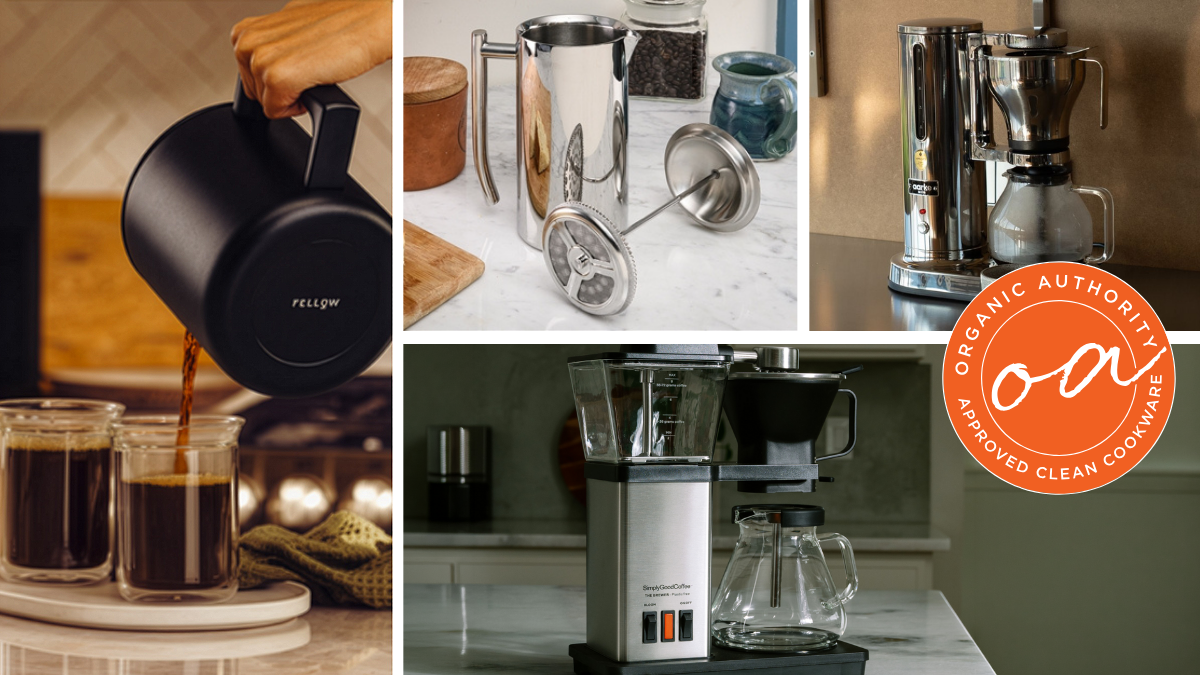
To help consumers navigate this emerging market, lifestyle experts and product testers have evaluated the leading plastic-free and minimal-plastic coffee makers based on material quality, brewing performance, durability, ease of use, and overall value.
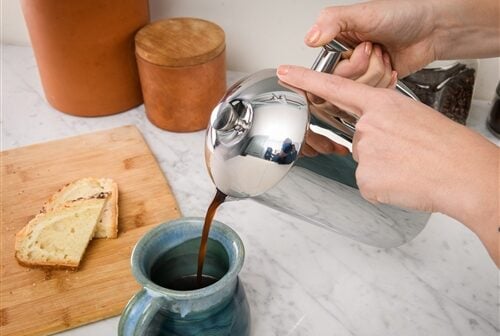
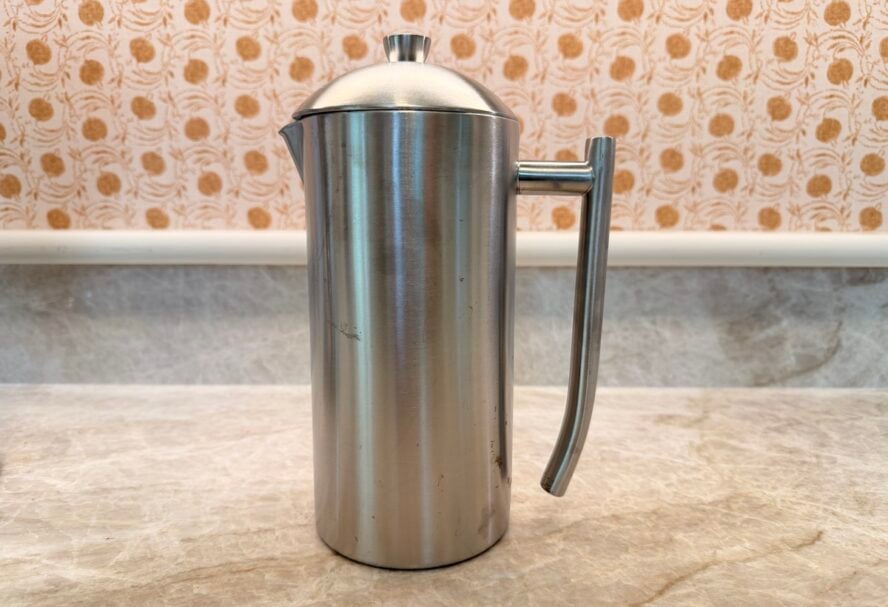
1. Frieling Brushed Stainless Steel French Press
- Brewing Style: French Press
- Plastic Contact: None (0%)
- Price: $89.95
- Best Known For: Lifetime durability and superior heat retention.
For those seeking absolute simplicity and zero plastic contact, the Frieling French press remains a gold standard. Constructed entirely from double-wall stainless steel, it keeps coffee hot for up to an hour without relying on an electronic hot plate.
Pros: Excellent heat retention, virtually indestructible build quality, neutral flavor profile, and dishwasher safety.
Cons: Smaller capacity options require multiple batches for large households; heavier than traditional glass presses.
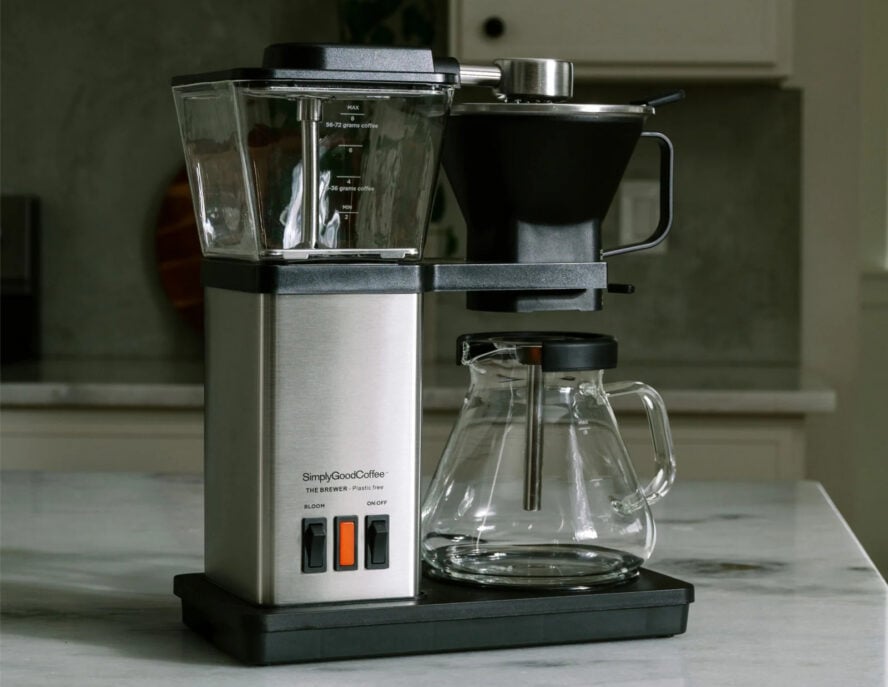
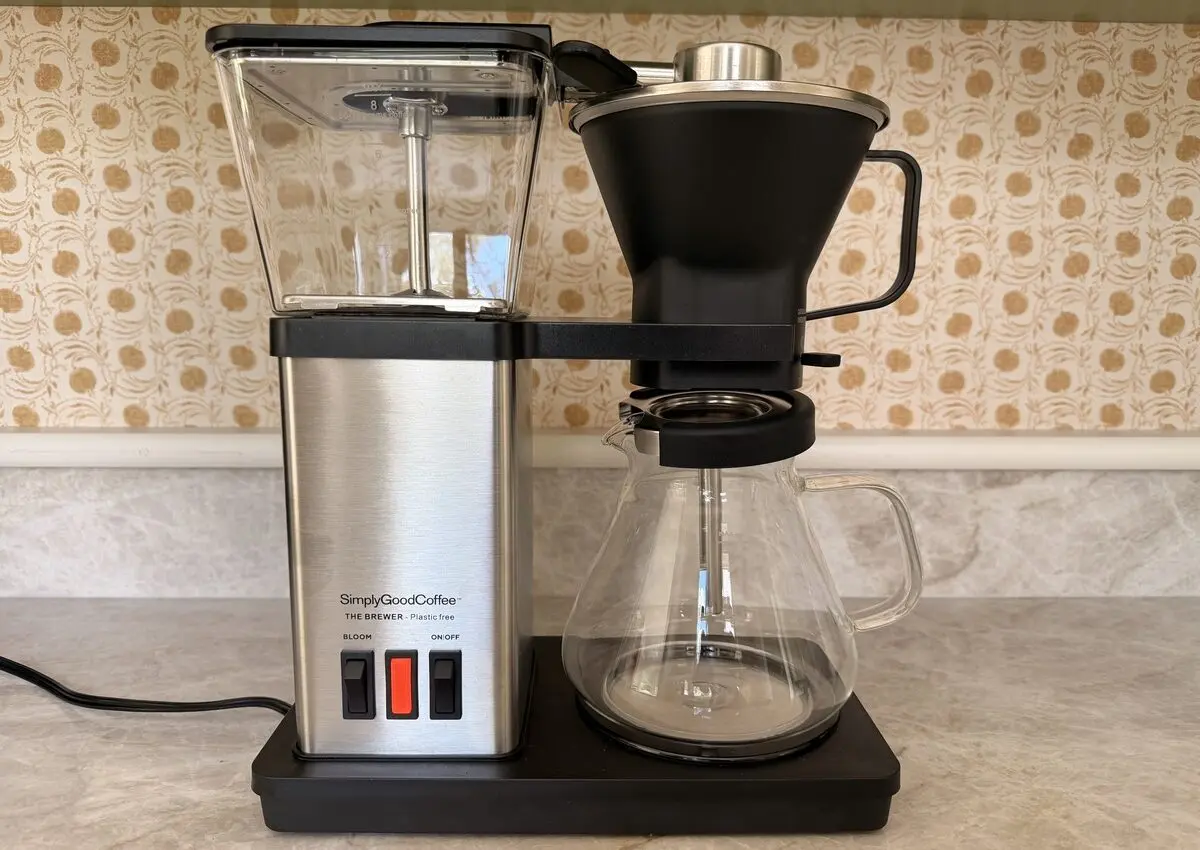
2. SimplyGoodCoffee The Brewer
- Brewing Style: Automatic Pour-Over
- Plastic Contact: None (0%)
- Price: $479.99
- Best Known For: Fully automatic, plastic-free drip brewing.
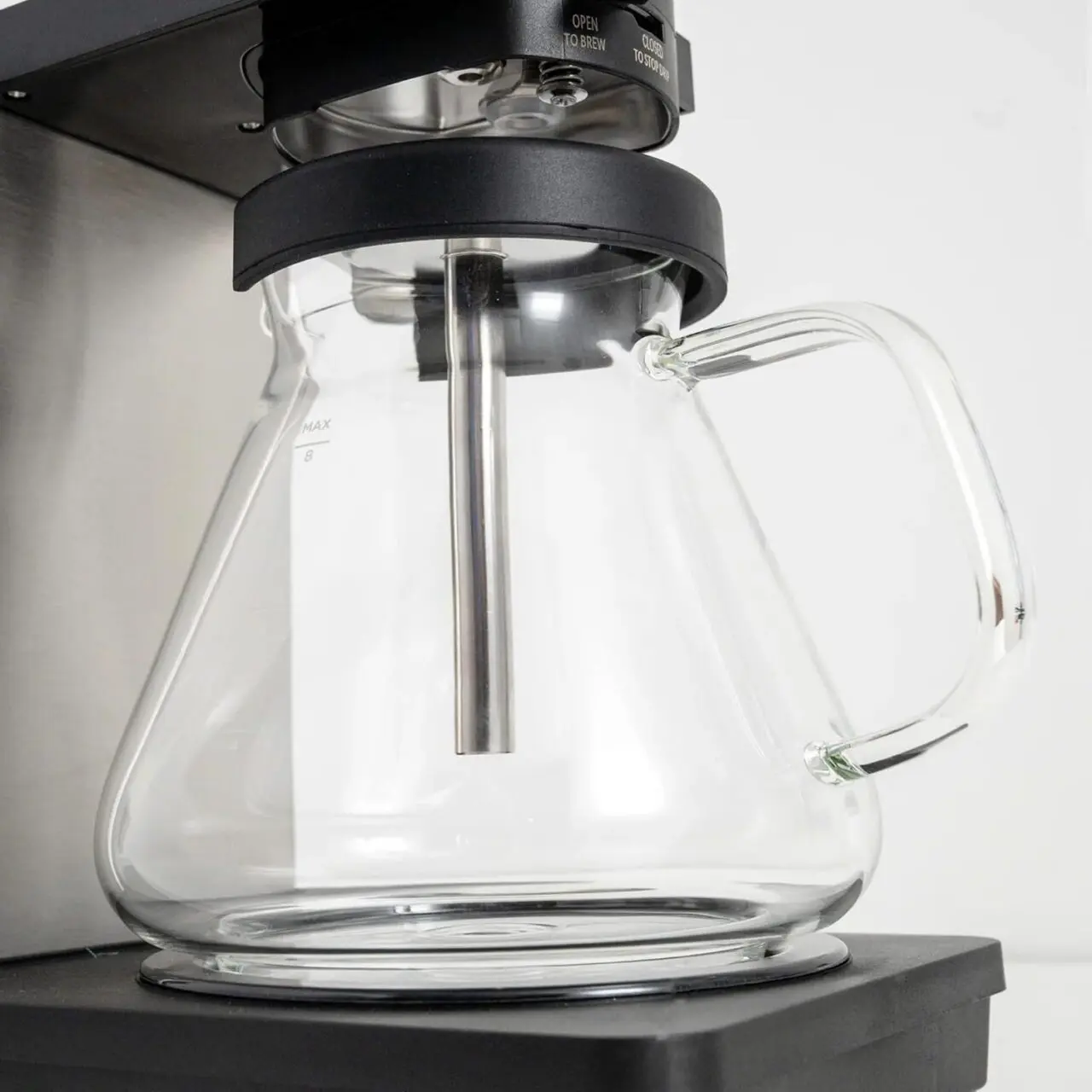
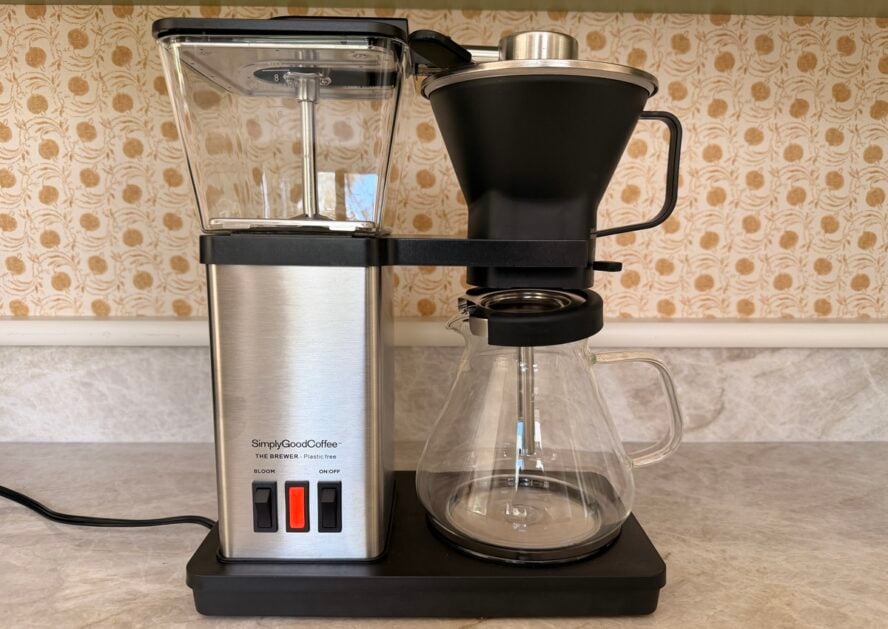
Finding an automatic machine that completely eliminates plastic components is exceptionally rare. SimplyGoodCoffee bridged this gap with The Brewer, a machine utilizing borosilicate glass and stainless steel for all water and coffee contact points. It delivers traditional drip convenience without synthetic exposure.
Pros: Completely plastic-free internal architecture, automated single-button operation, and reusable metal filter.
Cons: Premium price point and a larger physical footprint on the kitchen counter.
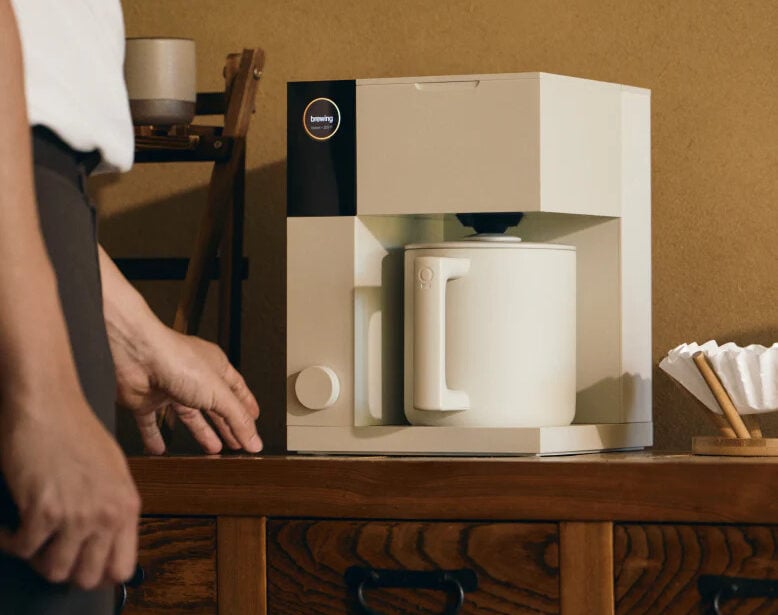
3. Fellow Aiden Precision Coffee Maker
- Brewing Style: Automatic Drip / Precision Pour-Over
- Plastic Contact: Minimal
- Price: $399.95
- Best Known For: Precision extraction and customizable profile settings.
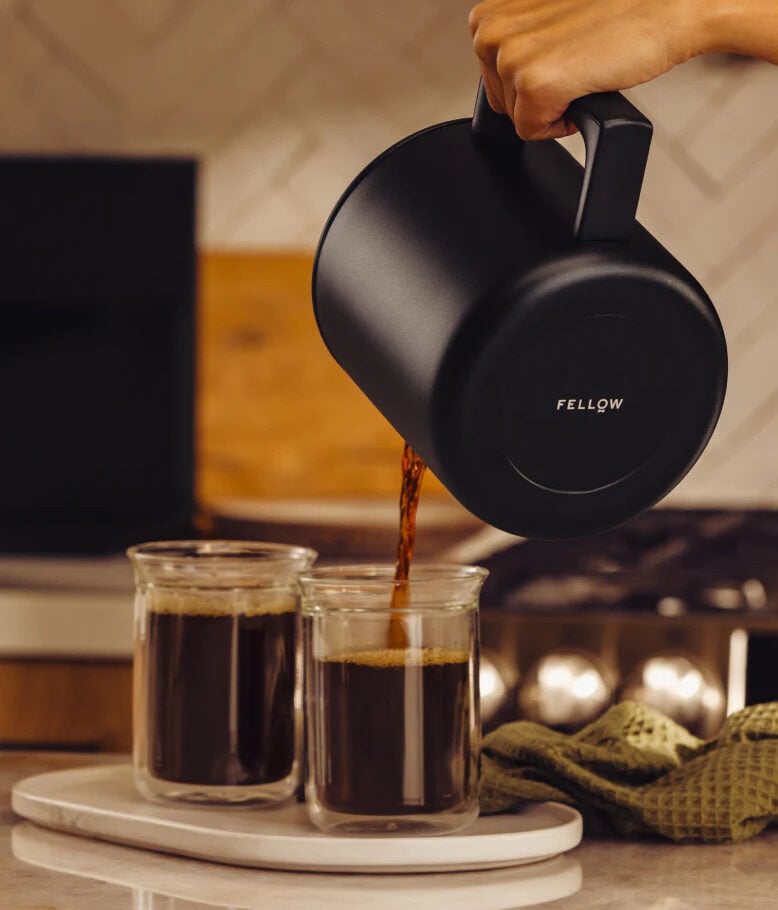
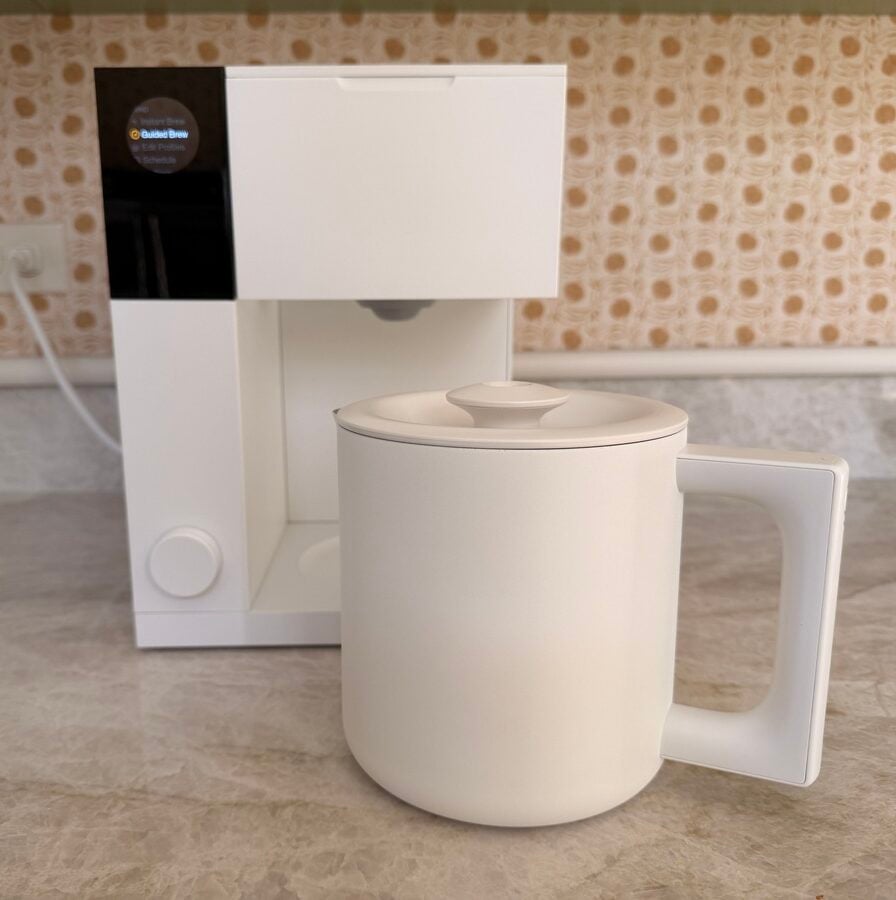
The Fellow Aiden caters to coffee enthusiasts who want specialty-grade extraction combined with modern automation. While its internal water reservoir utilizes BPA-free plastic, the thermal carafe and brew basket are built from heavy-duty stainless steel.
Pros: Exceptional temperature accuracy, versatile batch or single-serve capabilities, and an intuitive digital interface.
Cons: Not entirely plastic-free; premium pricing may deter casual coffee drinkers.
4. Aarke Stainless Steel Coffee Maker
- Brewing Style: Automatic Drip
- Plastic Contact: Minimal
- Price: $400.00
- Best Known For: Scandinavian minimalist design and SCA-certified brewing mechanics.
The Aarke machine combines striking industrial aesthetics with professional-grade performance. It maintains optimal water temperatures between 197°F and 205°F, utilizing an even showerhead distribution system to prevent bitter extraction.
Pros: Rapid 6-minute brew time for 10 cups, smart warming plate, and built-in descaling modes.
Cons: Uses minimal internal plastics; premium price tag.
Official Responses and Industry Perspectives
Kitchen appliance manufacturers and coffee experts hold varying viewpoints regarding the transition to non-plastic components.
Industry engineers note that utilizing glass and heavy-gauge stainless steel significantly increases production costs and total appliance weight, making it challenging to offer budget-friendly automatic machines. Furthermore, precision electronics require housing that meets strict electrical safety standards, which traditionally relies on durable engineering plastics.
Conversely, culinary toxicologists and consumer advocacy groups argue that the beverage industry must prioritize human health by eliminating heat-induced plastic leaching. As consumer demand for non-toxic home goods accelerates, manufacturers of brands like Aarke, Fellow, and SimplyGoodCoffee are proving that high-performance appliances can successfully minimize or entirely remove synthetic contact points.
Broader Implications for Home Consumers
Choosing a plastic-free or low-plastic coffee maker extends far beyond a simple kitchen upgrade. It represents a philosophical shift toward mindful consumption, prioritizing long-term health and material longevity over short-term manufacturing convenience.
- Reduced Toxic Load: Eliminating hot water contact with plastics minimizes daily synthetic exposure, protecting endocrine and metabolic health over time.
- Environmental Sustainability: Plastic-free machines—particularly durable stainless steel French presses—virtually eliminate the cycle of replacing cheap appliances every few years, cutting down on electronic waste.
- Elevated Flavor Profiles: Pure stainless steel and borosilicate glass do not absorb or impart residual flavors, ensuring that the nuanced tasting notes of high-end coffee beans remain uncompromised.
Ultimately, whether a consumer prefers the tactile ritual of a manual French press or the automated ease of a precision drip machine, the market now offers viable pathways to a cleaner, safer, and more flavorful morning routine.
