

By Investigative Desk
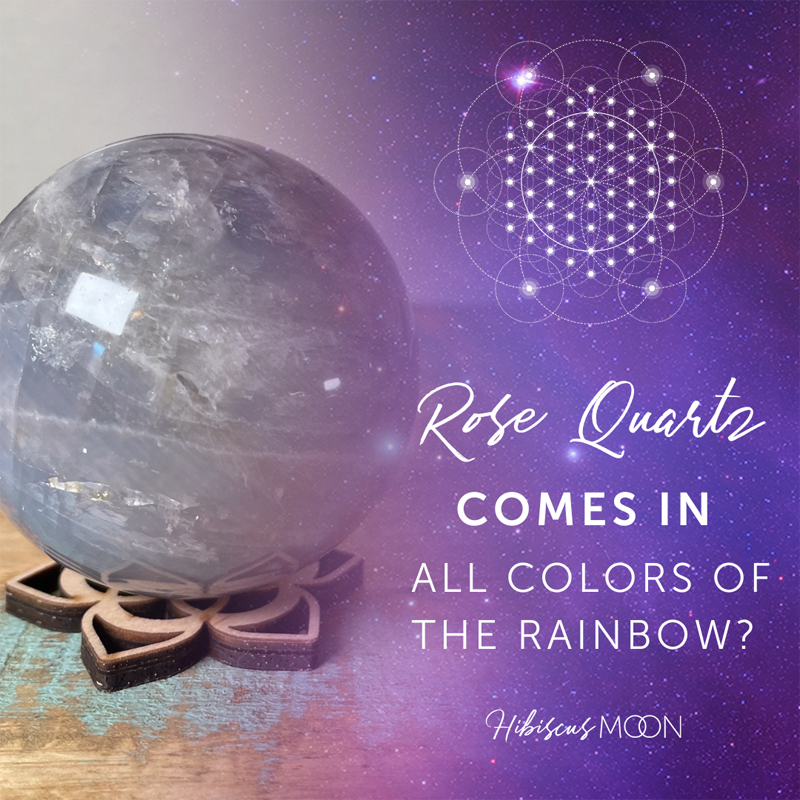
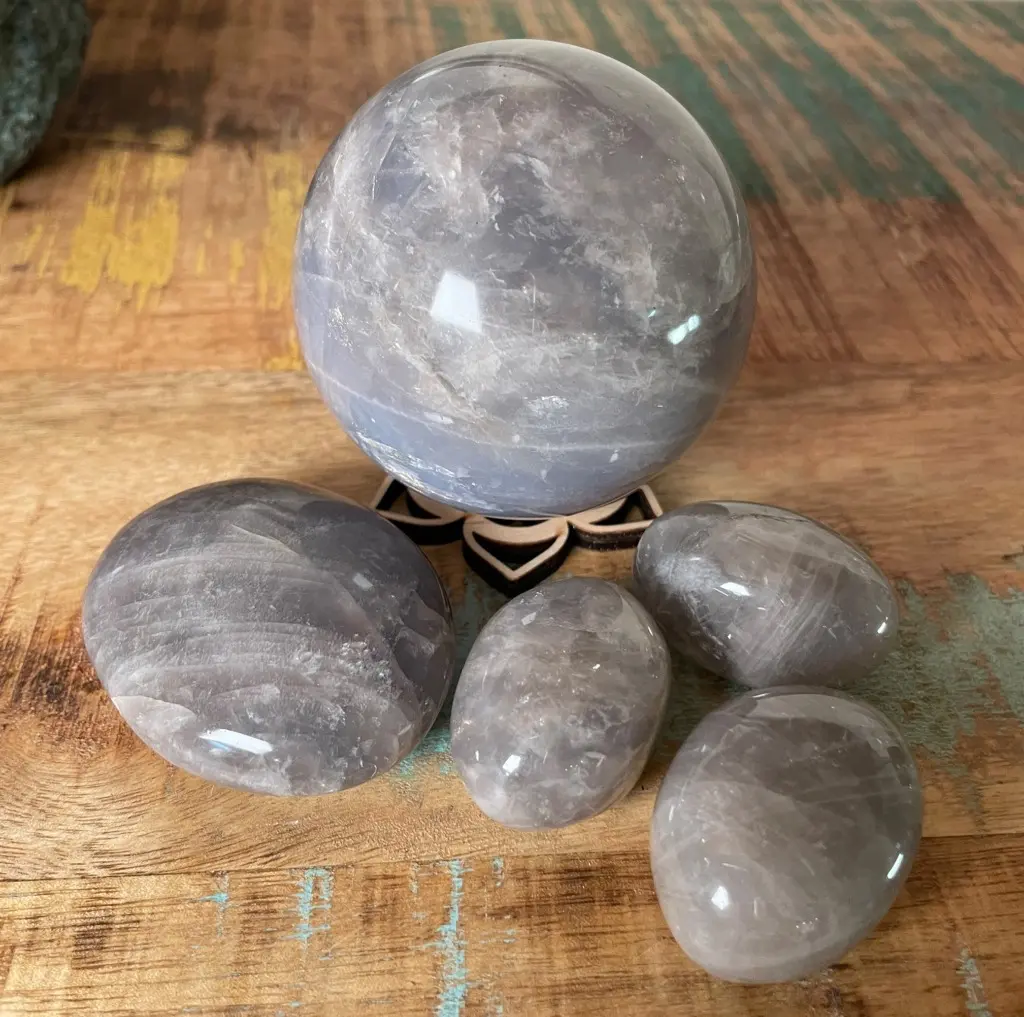
In the ever-expanding global crystal and metaphysical market, a silent yet lucrative trend has taken root. Across digital storefronts, boutique shops, and social media platforms, vendors are aggressively marketing a new wave of ethereal-sounding minerals. Among the most popular—and controversial—additions to this lineup is a stone trade-named "Blue Rose Quartz" (frequently purported to originate from Madagascar), alongside variations like "Black Rose Quartz" and "Lavender Rose Quartz."
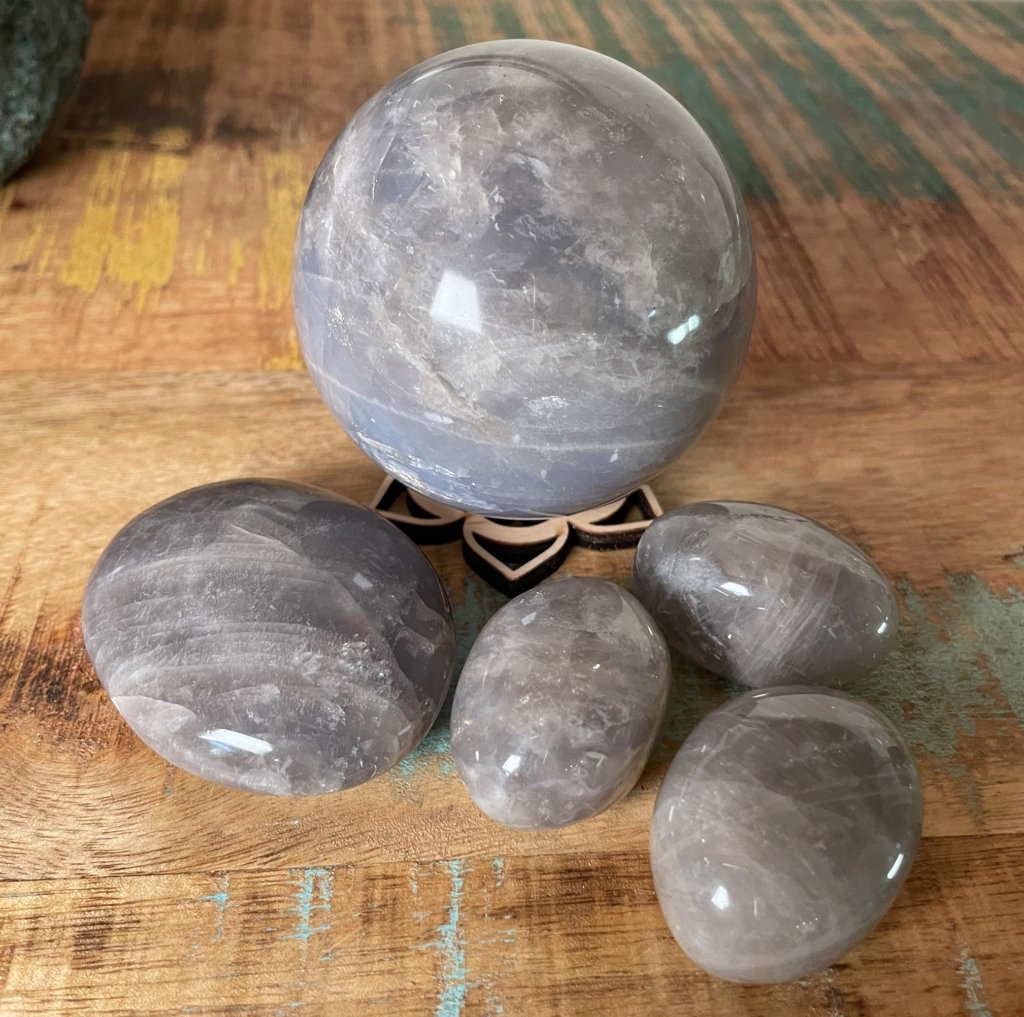
However, behind the poetic marketing terms and inflated price tags lies a familiar geological reality: consumers are largely paying a premium for rebranded, low-grade quarry material.
As the crystal community grapples with a flood of newly coined trade names, veteran educators, geologists, and certified practitioners are pushing back. The phenomenon highlights a broader systemic issue within the gemstone industry—where marketing sleight-of-hand often eclipses scientific classification, ultimately confusing buyers and draining their wallets.
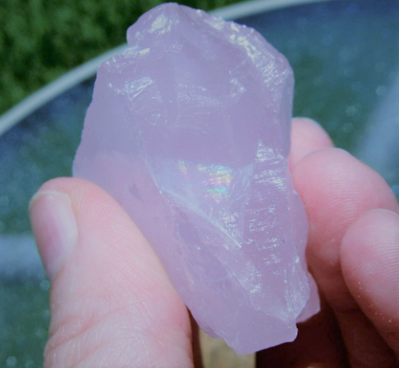
Main Facts: What Is "Blue Rose Quartz" Actually Made Of?
To understand the controversy, one must first look at the fundamental definition of rose quartz. Scientifically, true rose quartz is a pink variety of crystalline quartz ($SiO_2$) whose distinct coloration is caused by microscopic, fibrous mineral inclusions—specifically, a material closely related to dumortierite.
By definition, if a piece of quartz lacks this essential pink hue, it cannot mineralogically be classified as rose quartz.
When mineralogists, gemologists, and experienced crystal practitioners examine the stones currently being sold as "Blue Rose Quartz," a very different picture emerges:
- Opalized Quartz (Girasol): A significant portion of this material is actually Girasol, an opalized variety of quartz. Opal begins as silica dissolved in water that fills empty pockets in rock formations and hardens. This opalization process can also be forced in a laboratory setting.
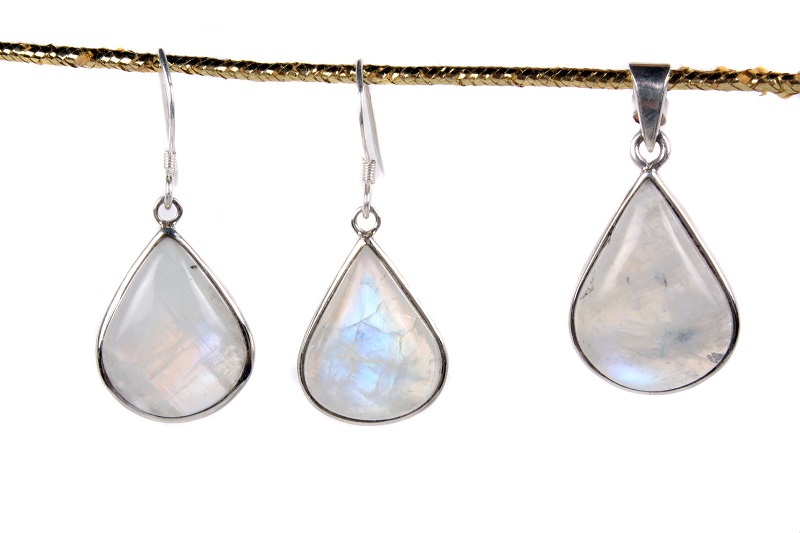
- Heat-Treated Low-Grade Amethyst: Exposing low-grade amethyst or milky quartz to extreme heat (exceeding 932°F / 500°C) can bleach out the original lilac or purple color, resulting in an opal-like, milky appearance often marketed as "neon blue quartz." Further heating creates microscopic water droplets within the quartz, producing the classic "girasol effect"—a cloudy, bluish-white, or ghost-like glow caused by light scattering.
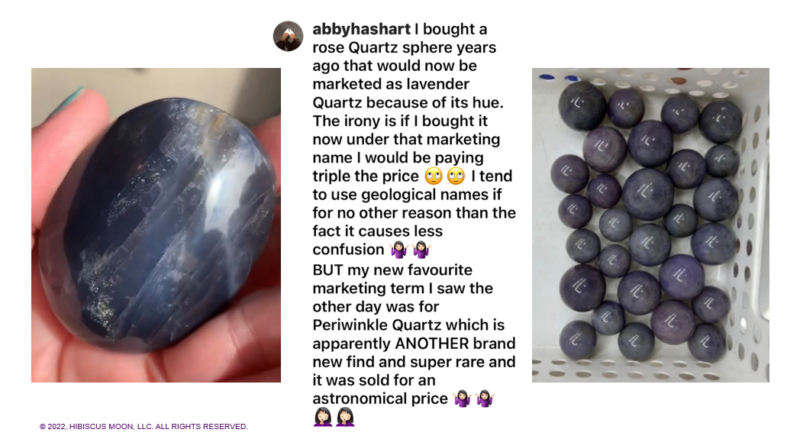
- D-Grade Rose Quartz: Historically, the gemstone and mineral market utilized a grading scale akin to diamonds, ranging from "AAA" (highest quality) to "D" (lowest quality). Much of the modern "Blue Rose Quartz" or "Lavender Rose Quartz" is simply low-grade, hazy quartz or low-grade rose quartz that lacks vibrant color saturation.
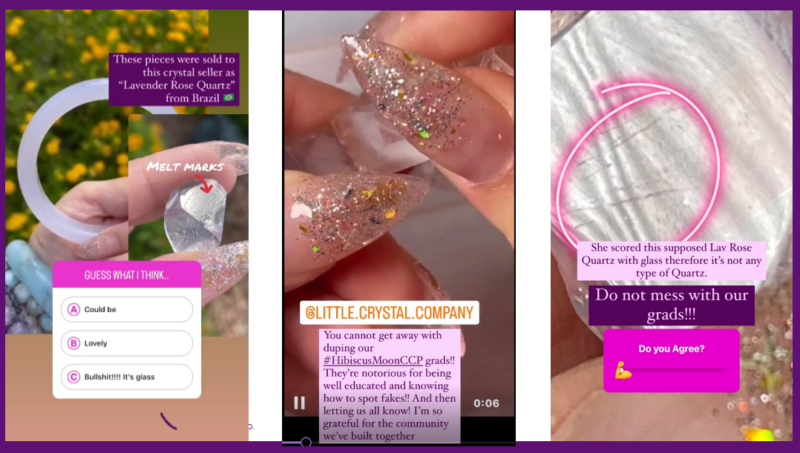
- Direct Fakes (Glass): In some instances, unscrupulous suppliers have bypassed natural stone entirely, passing off colored glass as rare, high-vibration quartz variants.
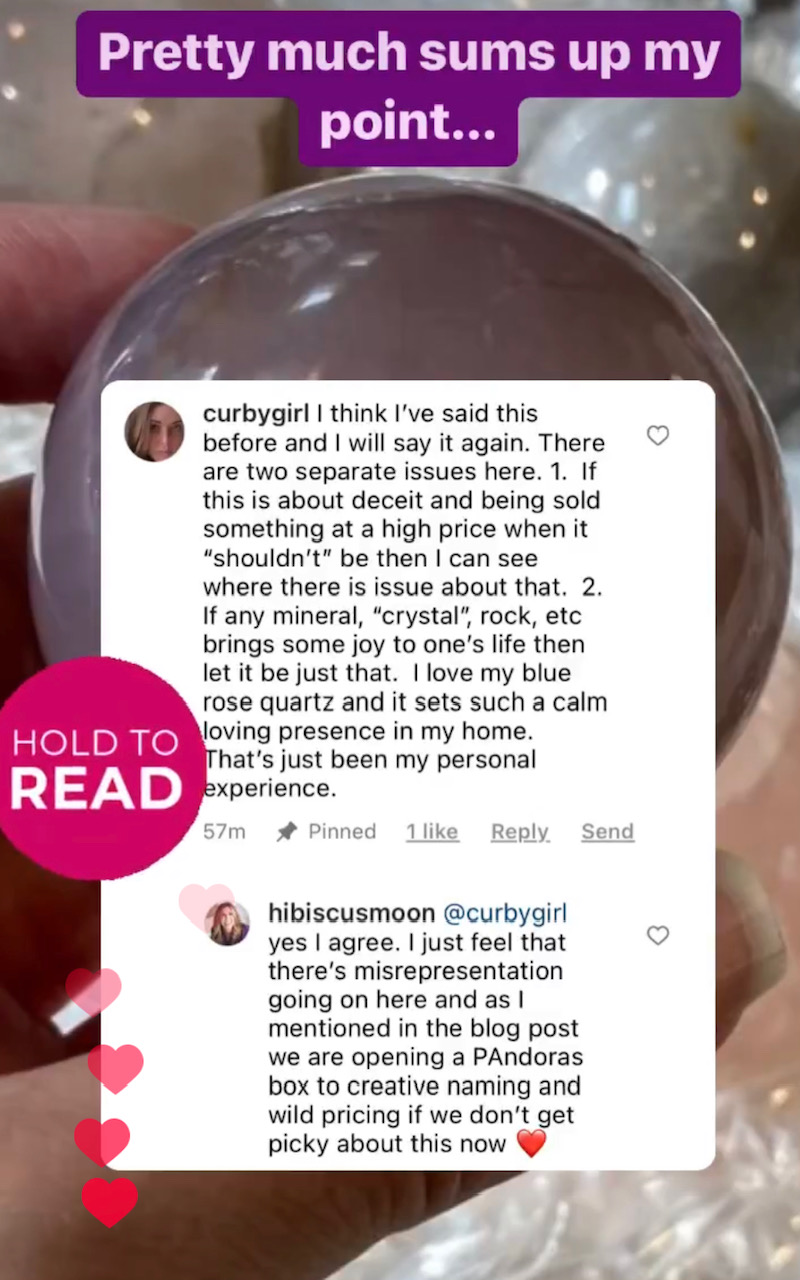
The core issue is not that these stones lack aesthetic appeal or energetic resonance—beauty is subjective, and many practitioners report finding deep personal connections with lower-grade or atypical stones. Rather, the controversy centers on deceptive marketing: taking abundant, previously inexpensive low-grade material, slapping an ethereal, high-end name on it, and artificially inflating its market value.
Chronology: The Rise of the Trend and Community Pushback
The emergence of "Blue Rose Quartz" did not happen overnight. It represents the latest chapter in a long-standing pattern of creative re-labeling within the crystal trade.
- Pre-2010s: Lower-grade, hazy quartz variants, pale amethyst, and milky stones were routinely categorized as low-grade (C or D grade) inventory and sold affordably at mineral shows and via early online marketplaces like Etsy.
- 2010: Crystal educators and geological specialists began launching awareness campaigns and dedicated blog series aimed at unmasking common crystal fakes, misrepresentations, and trade-name trickery.
- Late 2022: A sudden surge of inquiries flooded crystal education platforms. Certified Crystal Practitioners (CCPs) began noticing a wave of "Blue Rose Quartz" listings dominating social media algorithms, claiming rare origins in Madagascar.
- October–November 2022: Prominent crystal authorities, working alongside student networks, independent mineral companies, and gemological researchers, initiated public deep-dives into the trend. Educational content, including Instagram highlights and mineral assay reports, began circulating to debunk the "Blue Rose Quartz" myth.
- Present Day: The crystal community finds itself at a crossroads. While educational initiatives have successfully forced some online sellers to revise their misleading product descriptions, the rapid generation of new marketing names—such as "Black Rose Quartz"—threatens to accelerate unchecked misinformation across global e-commerce platforms.
Supporting Data and Mineralogical Analysis
The fight against misleading crystal monikers relies heavily on empirical science and transparent testing. In an industry where spiritual claims often overshadow material facts, independent verification stands out as a gold standard.

Specialized vendors and mineral suppliers have taken the unprecedented step of commissioning formal geological assay reports on these trending stones. For instance, independent analyses conducted by specialized gemological labs on samples marketed as "Blue Rose Quartz" have consistently confirmed that the mineral structure aligns with standard, low-grade quartz or opalized silica matrices—completely devoid of the structural markers that would justify a distinct "blue" classification or an elite pricing tier.

Historically, the gemstone market relied on clear, standardized grading criteria:

- AAA Grade: Exceptional clarity, deep and even color saturation, high polish, and minimal inclusions (unless inclusions are the primary feature, like rutilated quartz).
- B to C Grades: Moderate clarity, lighter or uneven color distribution, and visible natural flaws.
- D Grade: Heavily included, hazy, pale, or structurally compromised stone that was traditionally priced accessibly for budget-conscious collectors and artisans.
By abandoning this transparent grading system in favor of spiritualized, highly marketable names like "Blue Rose Quartz," sellers can pivot an abundant, low-cost commodity into a high-ticket item.

Official Responses and Industry Perspectives
The backlash against "Blue Rose Quartz" has sparked widespread dialogue among reputable crystal shop owners, educators, and certified practitioners.

The Educator’s Perspective:
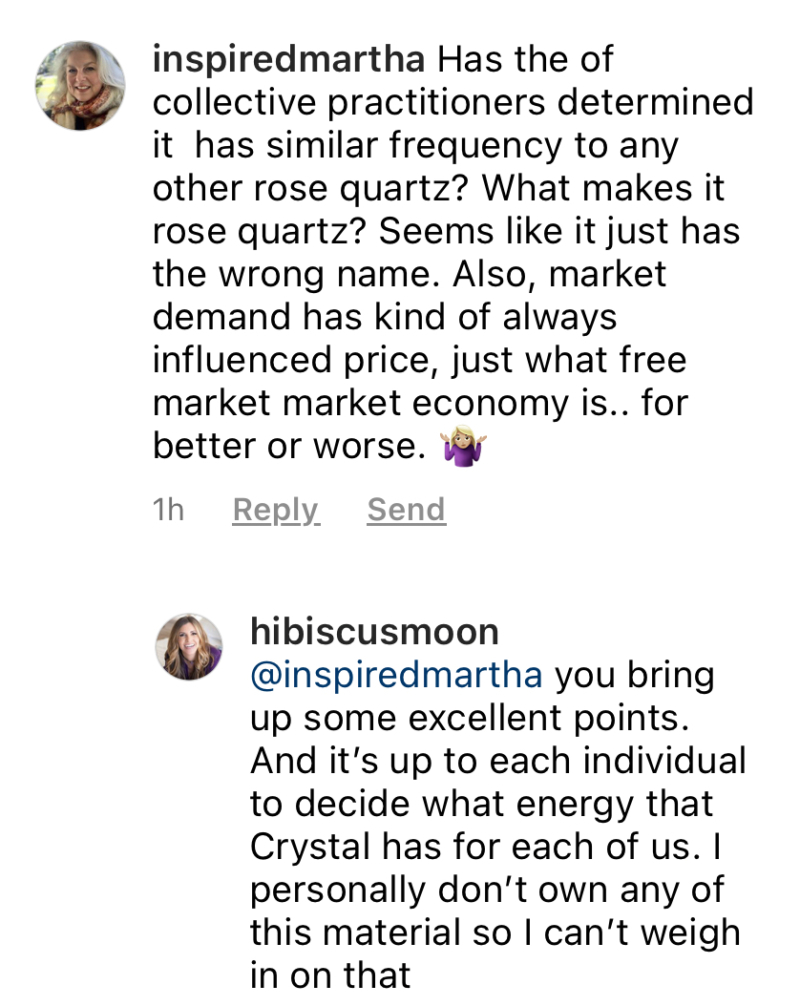
Industry veterans and former science educators emphasize that the primary goal of unmasking these misrepresentations is not to shame sellers or devalue the stones, but to empower buyers. Experts stress that a stone’s energetic impact or personal resonance does not diminish simply because it bears a lower industry grade. However, charging triple-digit prices for common, heat-treated, or low-grade minerals under the guise of rare geographical discoveries is viewed as predatory and deceptive.

The Practitioner’s Voice:
Certified Crystal Practitioners worldwide have stepped up as frontline watchdogs. By pooling resources, sharing photographic evidence, and cross-referencing vendor claims with geological databases, student networks have successfully pressured several online retailers to update their listings. Many boutique shop owners have publicly vowed to pull misleadingly named inventory from their shelves, opting instead for radical transparency regarding the true origin and grade of their minerals.

The Supplier Dilemma:
Ethical suppliers face a difficult market dynamic. When wholesale markets abroad flood the pipeline with artificially named batches—such as "Black Rose Quartz" (a dark, smoky, or heavily included quartz variant)—ethical retailers must either invest time and capital into independent testing or risk inadvertently passing misinformation along to their customers.

Implications: What This Means for Crystal Buyers and the Future Market
The proliferation of manufactured trade names like "Blue Rose Quartz" carries significant implications for the global metaphysical community, everyday consumers, and the ethical standards of the mineral trade.

1. Financial Exploitation and Buyer Fatigue
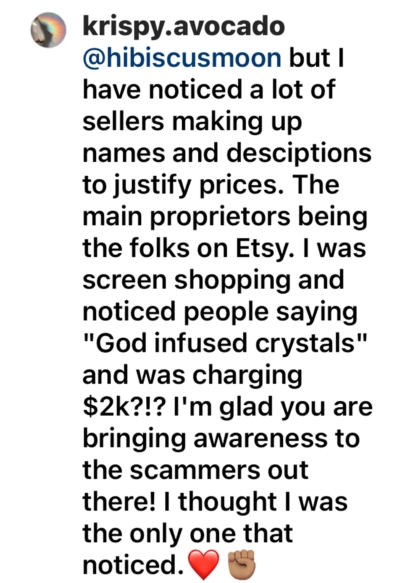
When common minerals are artificially rebranded as ultra-rare spiritual variants, consumers end up overpaying drastically for stones that cost pennies to mine and process. This practice erodes trust between buyers and sellers, leading to widespread market fatigue and skepticism toward legitimate, high-value rare minerals.

2. The Threat of Endless Rebranding
As industry watchdogs warn, if the metaphysical community accepts "Blue Rose Quartz" without pushback, the market will inevitably flood with thousands of newly invented color-and-mineral combinations in the coming years. Today it is blue and black rose quartz; tomorrow it may be neon green amethyst or celestial sun-quartz, each accompanied by inflated price tags and fabricated backstories.

3. The Power of Consumer Education
The silver lining in the "Blue Rose Quartz" controversy is the proven efficacy of community-led education. When buyers are equipped with basic geological knowledge—understanding the difference between mineral species, heat treatments, and commercial trade names—they become formidable consumers.

Best Practices for Crystal Consumers:
- Look Beyond the Name: Do not rely solely on catchy marketing titles. Ask vendors for the underlying mineral species (e.g., Is it quartz? Is it opal? Is it glass?).
- Investigate Pricing: If a common stone is being sold at an astronomical price based on a newly discovered "rare color," research whether the color can be artificially induced via heat treatment or irradiation.
- Buy from Reputable Sources: Support dealers who practice radical transparency, provide clear origin details, and welcome geological scrutiny.
- Trust Your Common Sense: If a claim sounds too magical, scientifically improbable, or "too good to be true," a little due diligence can save both your energy and your money.
Ultimately, the Earth produces magnificent, awe-inspiring minerals that deserve to be appreciated for what they truly are. By replacing marketing hype with solid geo-knowledge, the crystal community can protect its members, honor the integrity of the earth’s treasures, and ensure that the crystal journey remains grounded in truth, empowerment, and authenticity.
